Any Questions
sales@qlycheecrafts.com
sales@qlycheecrafts.com
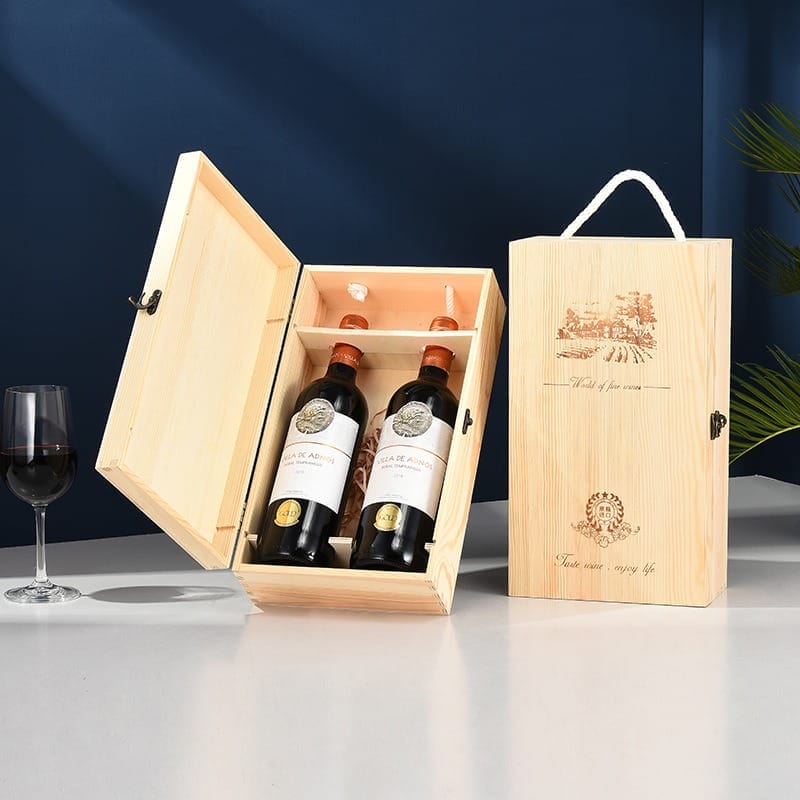
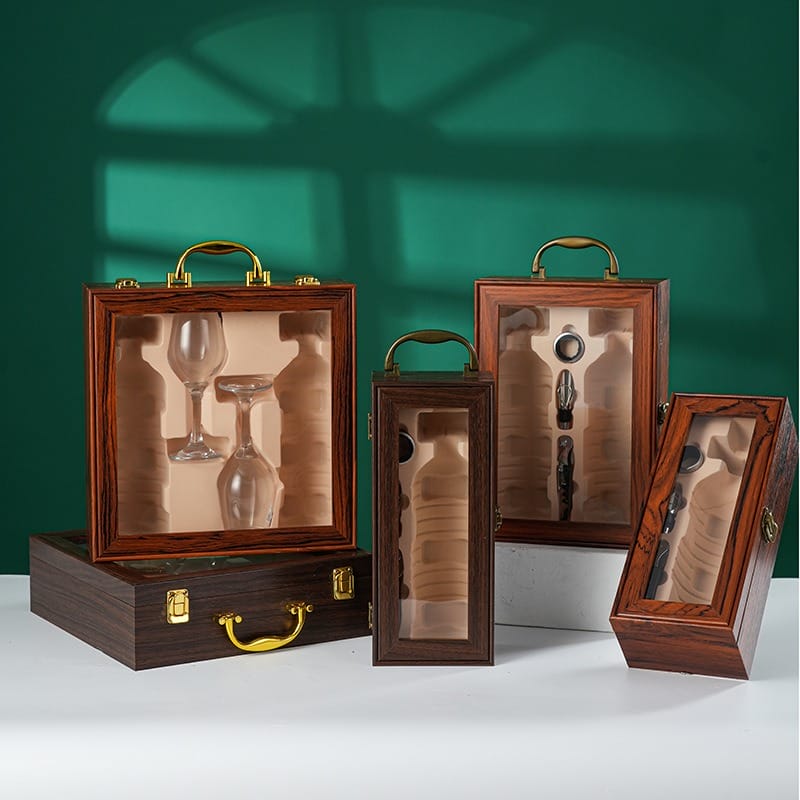
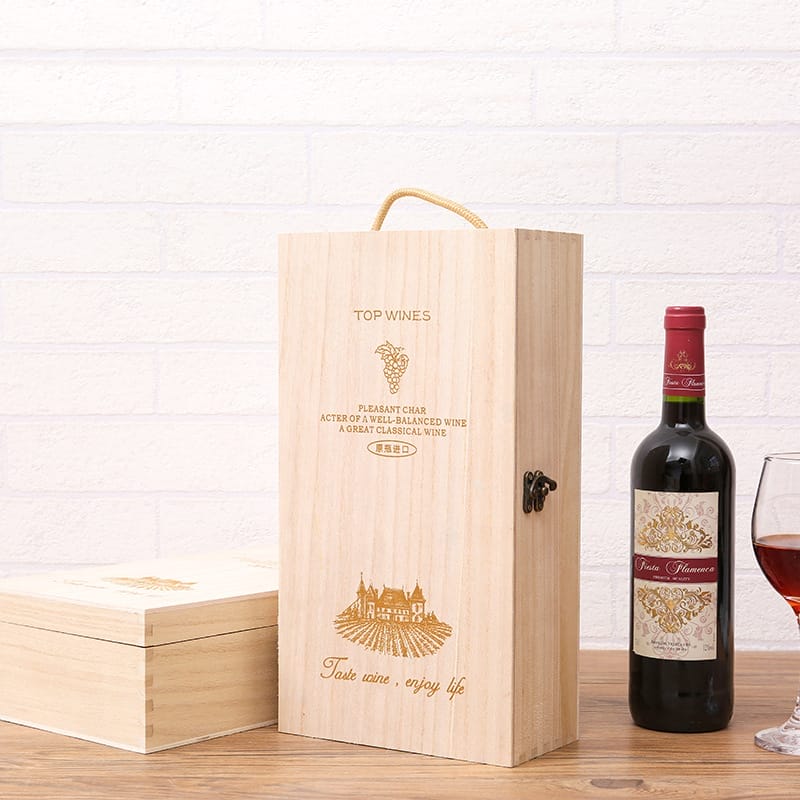
Crafted from sustainably sourced solid wood, these boxes offer durable protection and premium presentation for wine—ideal for wineries, retailers, and corporate gifting. Wooden Wine Boxes Wholesale are available in customizable sizes and finishes to fit single bottles, magnums, or mixed sets, helping buyers simplify SKUs.
Multiple closure options (sliding lids, hinged tops with magnets, rope handles) plus foam or fabric inserts ensure safe transport and elegant unboxing, reducing damage claims and returns. Logo engraving or full‑color printing enables clear brand differentiation and seasonal promotions.
Surface treatments include natural oil, clear lacquer, and food‑safe stains for moisture resistance in humid climates; export‑ready packing and stackable designs accelerate warehouse handling and lower shipping costs.
MOQ‑flexible OEM/ODM services, sample availability, and transparent lead times simplify procurement planning and margin forecasting for distributors and event suppliers.
Competitive bulk pricing, recyclable packaging, and consistent quality control deliver higher margins and stronger reorder rates. Contact Qlychee for samples, MOQ details, and tailored quotes.


What wood species do you offer for wooden wine boxes and how do I choose?
We offer pine, poplar, beech, cherry, walnut and reclaimed wood. Choose pine for cost‑efficient runs and rustic looks; poplar/beech for smooth staining and mid‑range finishes; cherry/walnut for premium lines. Reclaimed wood provides unique textures for artisanal SKUs. When specifying a wooden wine box tell us desired finish, durability and target price so we can recommend the best species.
Can you produce custom sizes and inserts for non‑standard bottles?
Yes. We manufacture custom wooden wine boxes and custom wood wine box inserts (CNC foam, molded pulp, fabric lining, wooden separators). Provide exact bottle dimensions and handling conditions and we’ll propose cavity tolerances and protection options to minimize breakage.
Are your finishes food‑safe and suitable for gift packaging?
Yes — we use low‑VOC lacquers, food‑safe stains and approved adhesives on request. Specify if the box will contact consumables; we’ll provide technical data sheets to support compliance claims for wooden wine gift boxes wholesale.
Can you accommodate eco or reclaimed material requests?
Absolutely. We supply FSC‑sourced lumber, reclaimed wood options and recyclable molded pulp inserts. Buyers searching used wooden wine boxes wholesale or sustainable SKUs can get documentation on chain‑of‑custody and material origin.
Can you engrave individual names or order numbers for corporate gifting?
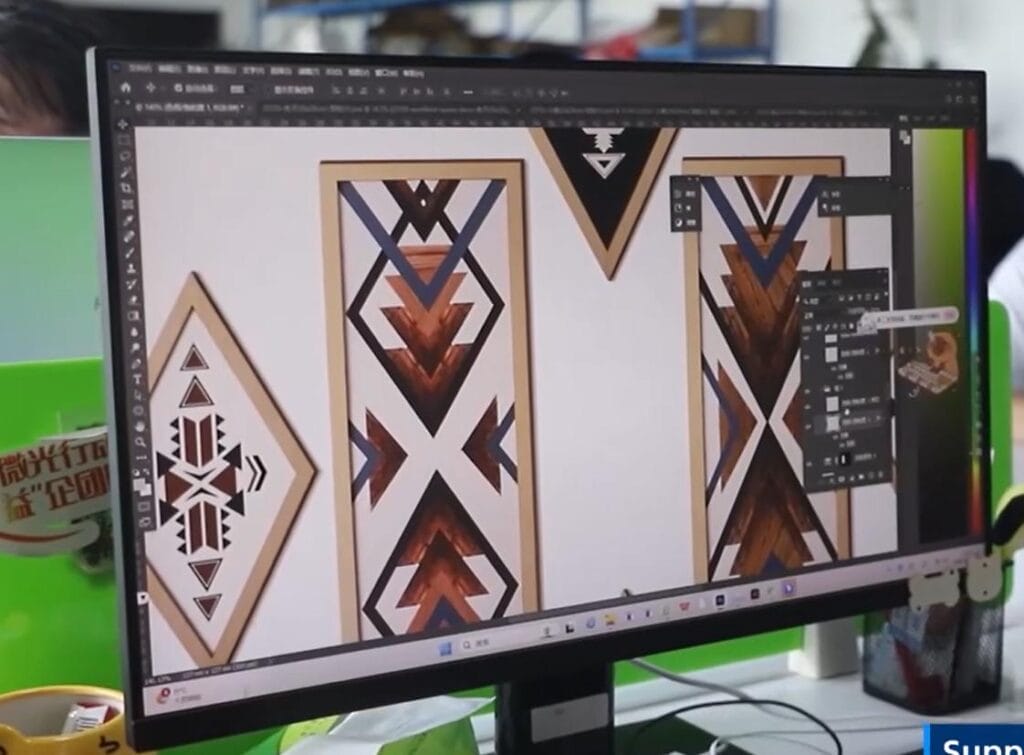
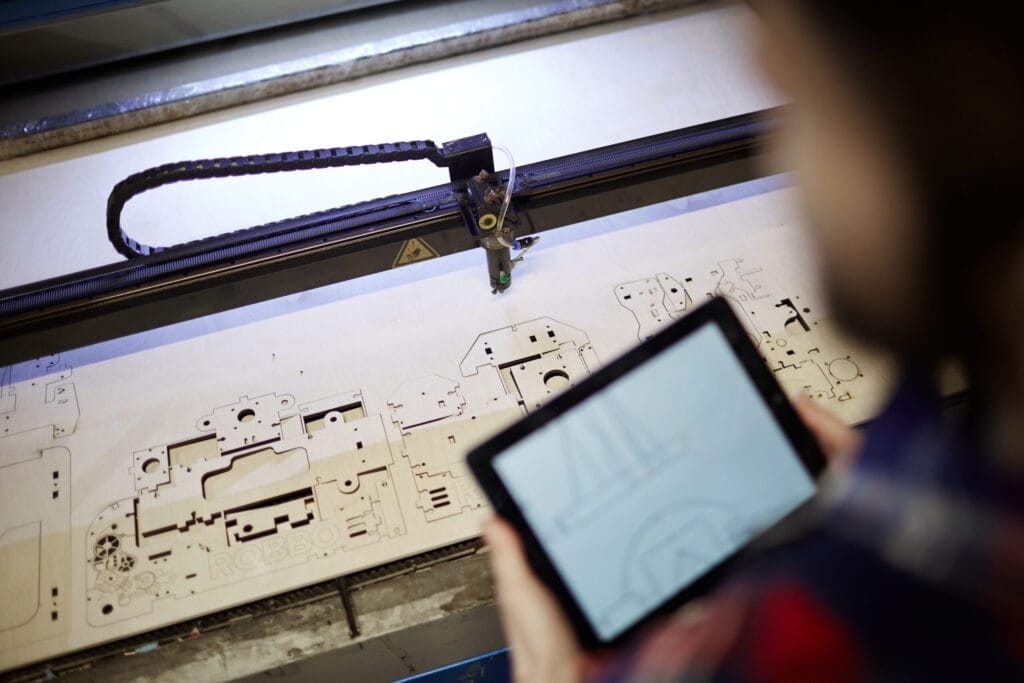
Yes. Variable laser engraving for personalised wooden wine boxes and custom engraved wood wine box programs is standard. We accept CSV order files and offer batching services to streamline fulfillment.
Yes, we provide customizable services that allow you to tailor products to meet your specific needs and branding.
We have changed the minimum order quantity to 100+ to make it easier for you to start with our products without the stress of large commitments.
Yes, we offer dropshipping services, allowing you to deliver our products directly to your customers efficiently.
Yes, we offer competitive pricing and discounts for bulk orders. Contact us to discuss your requirements.
Typical production times range from 30 to 60 days after design approval, depending on the complexity and quantity of the order.
I work with wineries, retailers, corporate gift teams, and event planners who need packaging that protects product, tells a story, and lifts perceived value. Over time I’ve developed an approach that balances craft, cost control, and operational ease — the same approach I use when sourcing a single premium crate or negotiating production runs of wooden wine boxes wholesale. In this guide I’ll cover design choices, materials, personalization options, logistics, sustainability, pricing strategies, quality control, and real-world use cases. I’ll also show how suppliers and buyers can collaborate to turn a simple wood wine box into a sales driver and a memorable customer moment.
When the goal is gifting, commemoration, or premium retailing, a plain carton will rarely do. A thoughtfully made wooden wine box communicates care, permanence, and value in a way that printed cardboard can’t. That translates into measurable benefits: higher average order value, longer on-shelf dwell time, social shares from delighted recipients, and, for corporate buyers, a more durable brand impression. Buyers searching terms such as wood wine box, wooden wine box manufacturer, or wooden wine box supplier are often evaluating packaging as a revenue tool rather than just a fulfillment expense.
Beyond appearance, wood provides structural protection. The right panel thickness, insert solution, and closure reduce movement and shock during transit. For brands that ship nationally or internationally, minimizing breakage is essential — which is why many clients shift from corrugated mailers to a fitted wood wine boxes solution for gift and limited-edition lines.
Different customers approach packaging with different priorities. Understanding each use case helps me match the right product and service model.
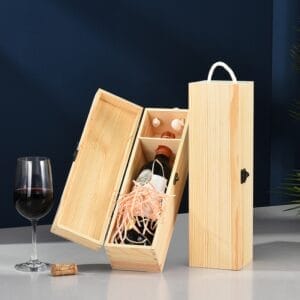
By aligning feature sets to these buyer types, I help reduce unnecessary customization costs while maximizing commercial impact.
The wood species, panel thickness, joinery, and finish determine appearance, durability, and cost.
Construction choices matter too. Finger-joint or dovetail corners add strength and signal quality, while simple butt joints reduce cost. Sliding lids and hinged lids with magnets affect assembly time and perceived luxury; rope handles or cut handles change handling ergonomics and event suitability.
Inserts are where protection and presentation meet. The choice usually depends on budget, required shock protection, and the unboxing experience.
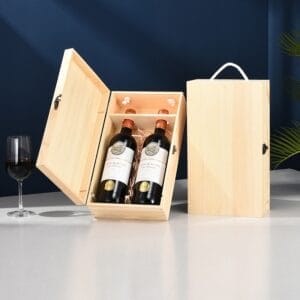
I always recommend sample testing inserts with real shipment conditions. A box that looks great on a shelf but fails a simulated courier test will cost more in returns and reputation than the savings from a cheaper insert.
Personalization creates differentiation and premium margin opportunities.
Combining scalable base SKUs with on-demand personalization is a strategy I use frequently: a standard box inventory plus localized engraving batches meets tight timelines and reduces SKU proliferation.
Too many SKUs complicate inventory and increase warehousing costs. I often advise clients to rationalize sizes around common bottle types: standard 750ml, magnum, and mixed set. Search phrases like custom wooden wine boxes and wooden wine boxes bulk indicate buyers want flexibility without complexity.
SKU consolidation reduces set-up fees and eases ordering. For example, offering three base box sizes (single, two-bottle, magnum) with modular inserts and sleeves covers most go-to-market needs. This approach balances customization with operational efficiency for buyers looking for wooden wine box wholesale pricing.
A packaging decision isn’t complete without thinking about how boxes will be packed, stored, and shipped.
I always run cost models comparing product cost, freight, and damage rates to find the true landed cost — not just the unit price.
Sustainability is a buyer decision factor, not just a marketing line. Buyers often search for personalised wooden wine box or custom wooden wine box options that also highlight eco credentials. Useful claims include:
Verify claims with documentation: certifications, chain-of-custody info, or lab reports. Consumers and B2B buyers increasingly expect proof, and procurement teams will ask for it during RFPs.
Wood packaging that contacts food or is used in event catering must meet relevant safety and contact-surface guidelines. If you plan to ship internationally, understand phytosanitary regulations and ISPM-15 for wooden packing materials. Buyers searching for wooden wine box supplier or wooden wine box manufacturers should request technical sheets covering adhesives, finishes, and any certifications.
MOQ is often the main friction point for smaller brands. Many suppliers offer tiered pricing: lower per-unit cost at higher volumes, with samples or pilot runs offered at modest MOQs. Common negotiation levers:
When buyers look for wholesale wood wine box or wooden wine box wholesale, they’re typically comparing these trade-offs. I recommend requesting a price grid that shows per-unit breaks at multiple quantity tiers so procurement can model scenarios.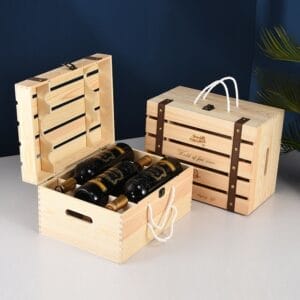
Quality control prevents costly surprises. I look for suppliers that provide:
Ask suppliers for references and past client work that matches your target aesthetics and functional needs. Suppliers advertising as wooden wine box manufacturer or wooden wine box supplier should be able to share case studies and lead times for similar orders.
Wooden boxes are versatile display elements. For retailers and event organizers, they become props: stacked crates at tasting events, branded displays in stores, or VIP gift presentations at galas. I advise preparing merchandising kits with visual mockups, shelf layouts, and assembly instructions that show how wood wine boxes will perform in real environments.
Consider multi-use designs that convert from shipping pack to in-store display with a simple rearrangement — this reduces waste and increases perceived value.
I’ve seen several projects where careful packaging choices led to clear commercial outcomes:
These examples show that packaging decisions influence customer experience, operations, and revenue — not just the product’s appearance.
Experience teaches a few repeatable lessons:
Addressing these early reduces delays and keeps campaigns on budget.
Several trends shape how buyers approach wooden wine packaging:
Understanding these trends lets buyers plan for both immediate needs and future flexibility.
When you’re ready to source, a clear RFP accelerates evaluation. Include:
An organized RFP helps suppliers quote accurately and speeds time-to-market.
Single-source relationships simplify communication and QC but increase dependency. Multiple suppliers diversify risk and can reduce lead times regionally. For national rollouts I often recommend a primary partner and a vetted secondary supplier to cover peak seasons or regional demand spikes. When searching for wooden wine box suppliers or wholesale wooden wine box options, evaluate both capacity and geographic reach.
This checklist reduces surprises and keeps production aligned with commercial goals.
I work closely with Qlychee because they combine manufacturing scale with customization flexibility that suits both wholesale and bespoke programs. Qlychee supports laser engraving, full-color sleeves, a range of inserts, and sustainable material options. They run sample programs, provide pre-shipment QC, and offer tiered pricing for wooden wine boxes bulk purchases. Their transparent communication and production traceability reduce procurement friction and allow my clients to meet tight seasonal deadlines without sacrificing quality.
If you’re evaluating packaging options, start with these steps:
If you share bottle dimensions (e.g., 750ml standard, magnum, or mixed sets), desired personalization (engraving vs. printing), and estimated annual volume, I’ll prepare a tailored spec sheet and cost comparison from Qlychee that shows MOQs, lead times, and per-unit pricing tiers.
If you’d like I can now:
Tell me your preferred bottle formats, desired personalization level, and estimated annual volume, and I’ll get started.