When you’re selecting materials for your business cards, you’ll find that each option carries distinct characteristics that can elevate or diminish your brand’s impact. Modern printing technologies have expanded beyond traditional cardstock to include sustainable bamboo, durable plastics, premium metals, and artisanal woods. Your choice of material doesn’t just affect the card’s tactile properties – it influences durability, cost-effectiveness, and most importantly, how potential clients perceive your professional identity.
Key Takeaways
- Traditional business cards primarily use paper and cardstock materials, typically ranging from 14-point to 16-point weight for durability and printability.
- Plastic business cards made from PVC or PET offer superior water resistance and longevity, making them ideal for outdoor industries.
- Eco-friendly bamboo and wooden business cards provide unique textures while demonstrating environmental consciousness and brand sophistication.
- Metal business cards, crafted from stainless steel or aluminum, offer premium durability and create lasting impressions through laser etching.
- Material choice affects both cost and perception, with standard paper cards costing $20-30 per 500 while premium materials command higher prices.
Different Types of Business Card Materials

When selecting business card materials, you’ll find options ranging from standard 14-point paper stock to premium 32-pound bamboo fiber cardstock, each offering distinct print characteristics and tactile properties.
Your choice extends to synthetic materials like PVC plastic cards with 20mil thickness and stainless steel cards precision-cut to 0.3mm, providing enhanced durability and modern aesthetics.
Wood veneer cards, typically manufactured at 0.5mm thickness from sustainable hardwoods, offer a natural grain pattern and organic feel that sets them apart in professional settings.
Paper and Cardstock Business Card: Common and Cheap
The classic paper and cardstock business cards remain the most widely used and cost-effective material choice for professional networking.
Your standard business card options typically include traditional paper stocks ranging from 14-point to 16-point cardstock weights.
While basic paper types offer good printability and versatility, they’re less durable than premium materials but provide excellent value for high-volume printing needs.
Bamboo Business Card: Sustainable Material Option
Moving beyond traditional paper options, bamboo business cards represent an eco-conscious choice for modern professionals seeking sustainable alternatives.
This type of business card combines durability with environmental responsibility, offering a unique texture and natural grain pattern. Bamboo’s rapid growth rate makes it a highly sustainable material choice, outperforming traditional recycled paper with regard to renewability and ecological impact.
Plastic Business Cards: Durability and Unique Appeal
Designed for maximum longevity and visual impact, plastic business cards offer distinctive advantages through their robust PVC or polyethylene terephthalate (PET) construction.
Your plastic business card design can incorporate translucent effects, metallic finishes, and frost patterns that paper can’t achieve.
The material you choose guarantees superior durability against water, tears, and bending, making these types of cards ideal for outdoor industries or high-contact environments.
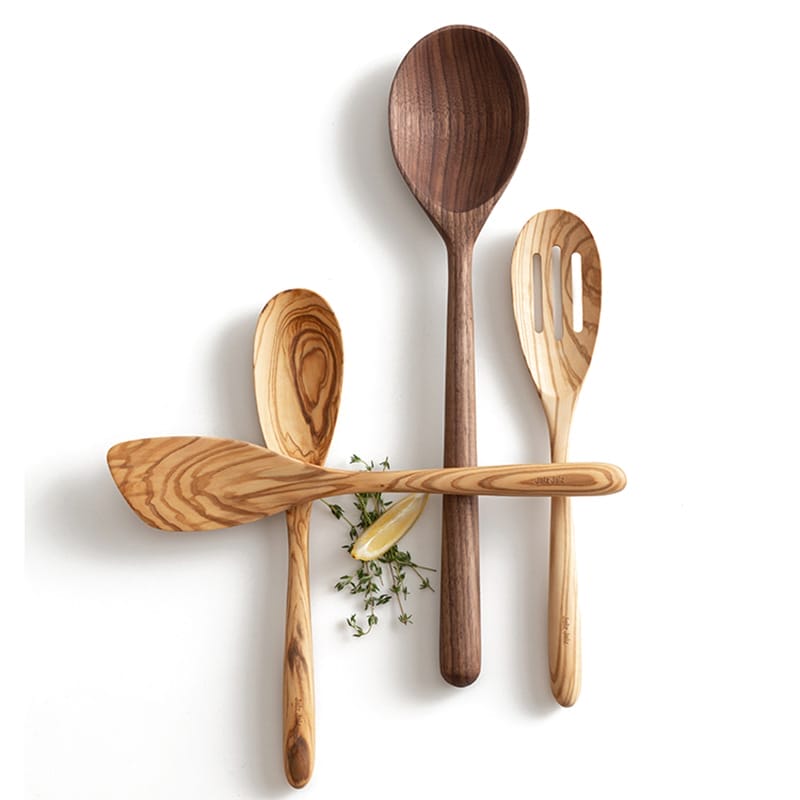
Wooden Business Cards: Natural and Premium Feel
While plastic cards showcase modern durability, wooden business cards represent nature’s sophistication in your professional presentation.
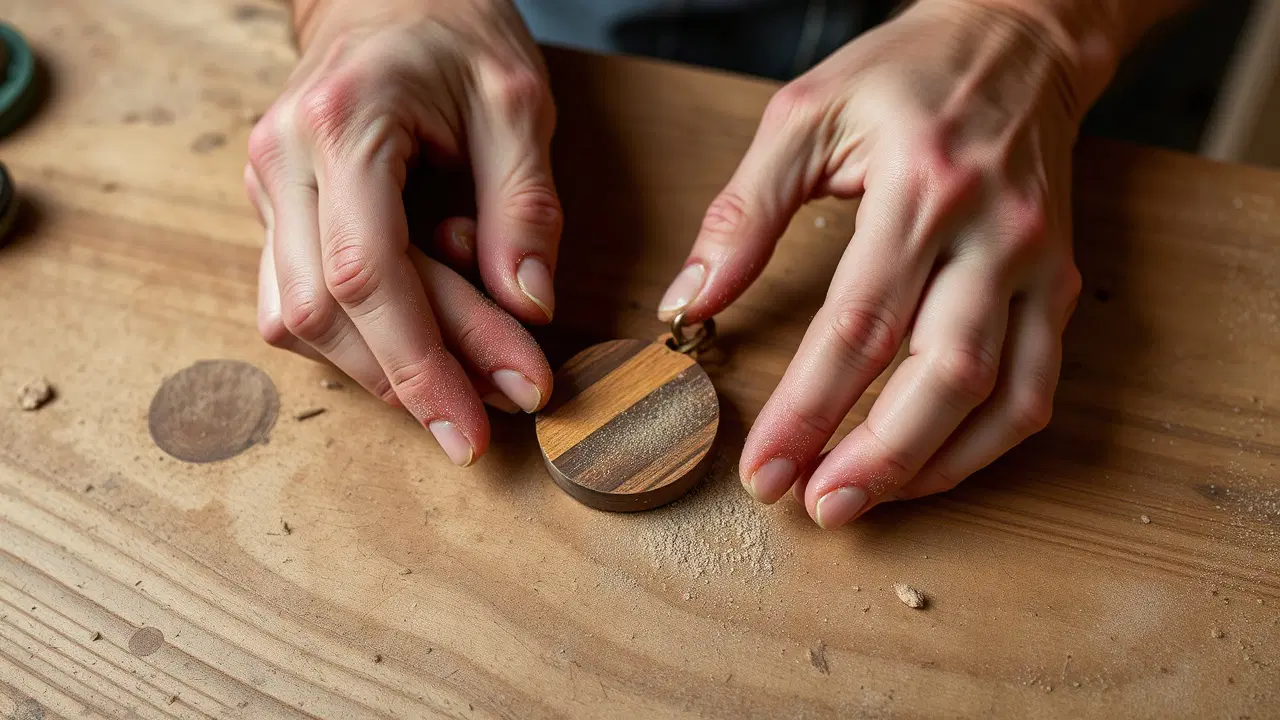
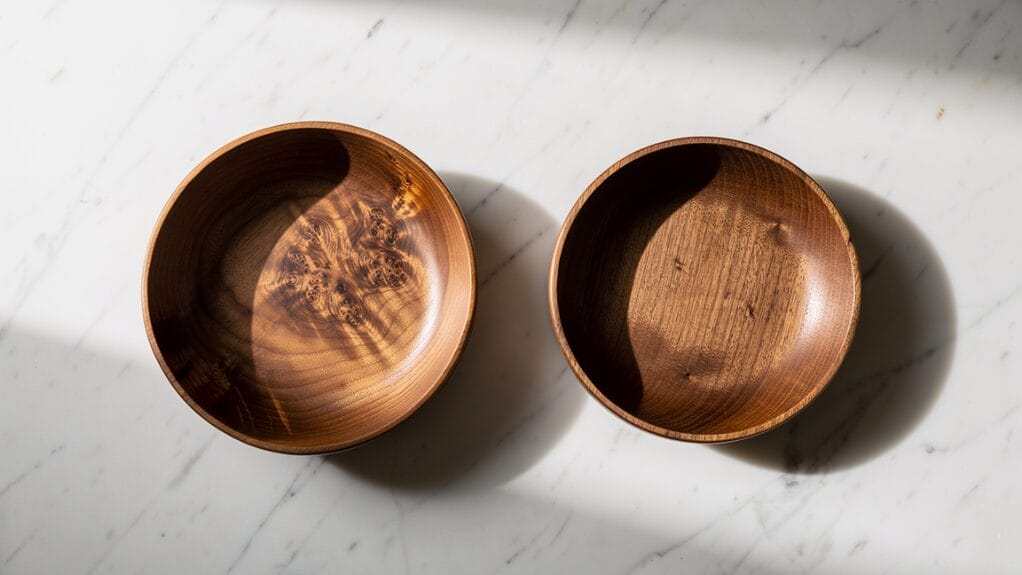
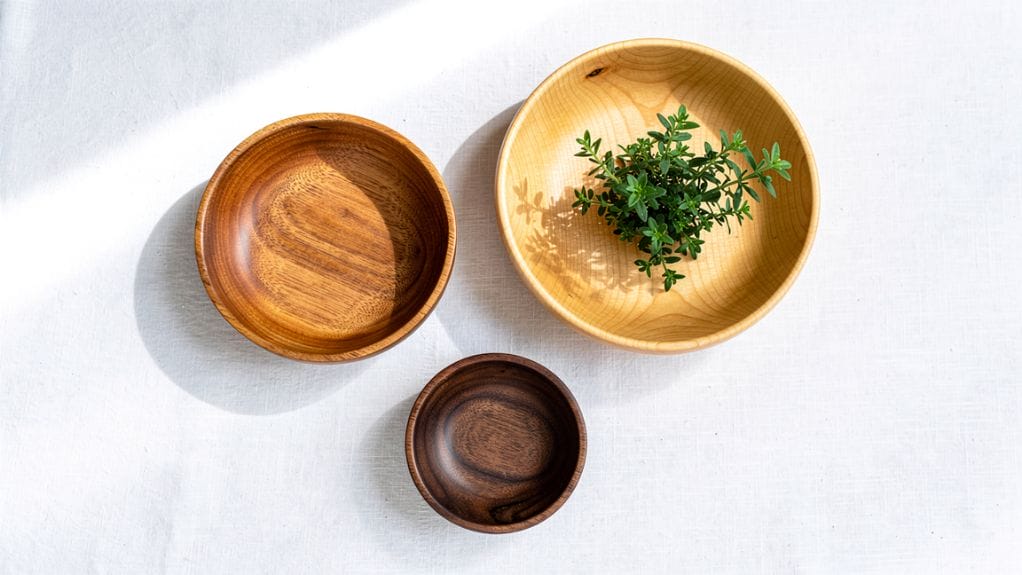
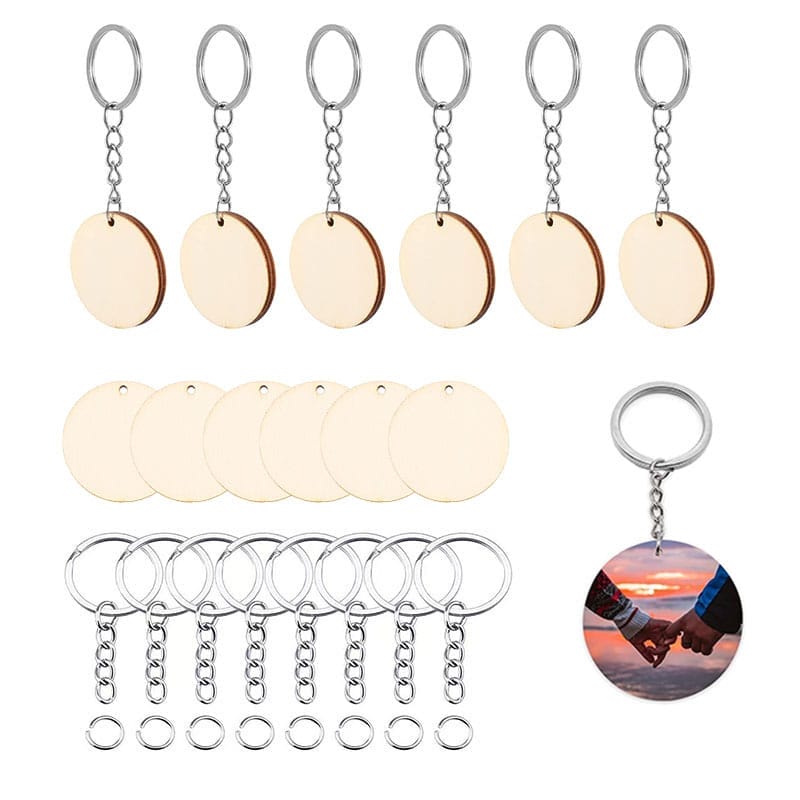
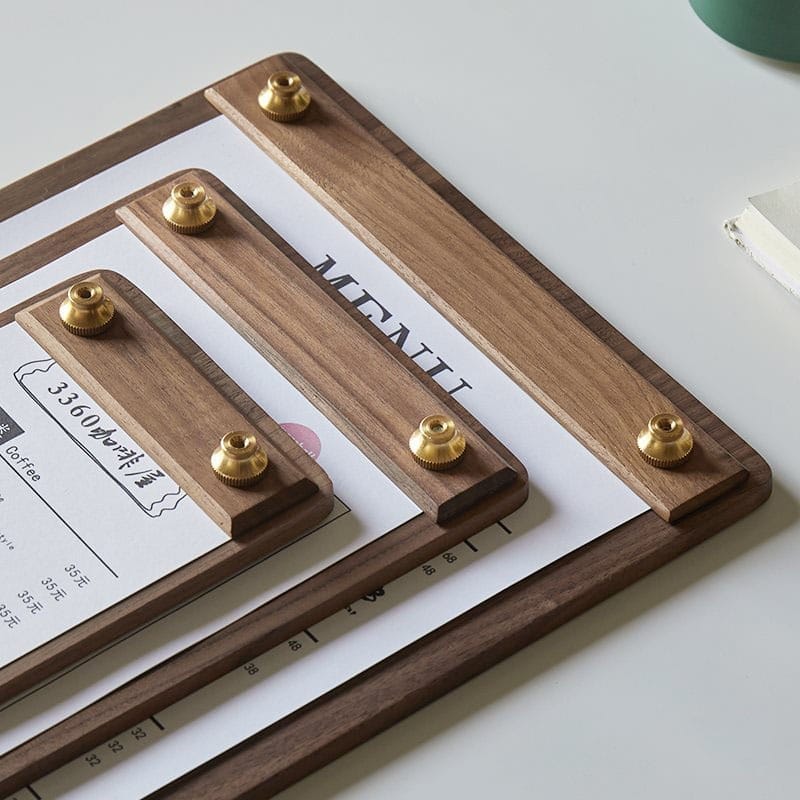
You’ll make a lasting impression with natural materials like maple, cherry, or bamboo. These premium cards stand out through laser-etched designs and rich wood grain patterns.
Your business card’s organic texture creates a memorable tactile experience that reinforces professional craftsmanship and environmental consciousness.
Metal Business Cards: Modern, Durable, and Eye-Catching
Among premium business card materials, metal commands attention through its sophisticated industrial aesthetic and unmatched durability.
Metal cards are made from stainless steel, brass, or aluminum, offering an ultra-thick profile that’s virtually indestructible. You’ll find these eye-catching cards often feature laser etching, cut-through designs, and metallic finishes that create lasting impressions while resisting wear and tear.
Choosing the Ideal Business Card Material for Your Business

When selecting a business card material, you’ll need to evaluate key factors like print compatibility, surface texture, and cost per unit against your production requirements.
Your industry’s standards and brand positioning will guide your choice between premium substrates like metal or wood versus traditional paper stocks.
The material’s structural integrity, ink receptivity, and design constraints will determine your card’s longevity and visual possibilities.
Key Factors When Selecting Business Card Materials
Selecting the right material for your business cards involves careful consideration of multiple technical specifications and practical requirements.
You’ll need to evaluate paper weight options ranging from 14pt to 32pt business card stock, while considering paper types like glossy finish, textured paper, or uncoated paper.
Each material choice impacts print quality, durability, and tactile impression.
Matching Material Type to Your Industry and Brand Image
The choice of business card material directly reflects your industry’s character and brand positioning in the market.
For creative industries, cotton business cards offer artistic texture, while silk business cards convey luxury and elegance.
Financial sectors benefit from letterpress business cards’ authority, and linen business cards suit traditional professions.
Ideal for environmentally conscious brands or those in the eco-friendly sector, wooden business cards convey a sense of sustainability and uniqueness.
For businesses aiming to make a bold statement, metal business cards exude strength and modernity. They are perfect for tech companies, luxury brands, or any industry where innovation and sophistication are key.
The type of business and feel of your card must align for maximum impact.
How Material Choice Influences Business Card Durability and Design
Material choices greatly impact both the longevity and design possibilities of your business cards, making durability and aesthetics inseparable considerations.
The thickness and weight of card stock directly affect durability, with thicker paper offering better resistance to wear.
High-quality business cards typically use coated paper that enhances both protection and print quality, while standard paper cards may deteriorate faster with handling.
Business Considerations for Selecting Card Materials

When selecting your business card materials, you’ll need to balance substrate costs against print quality factors like color saturation, finish durability, and tactile impressions.
Your material choice directly impacts brand perception, with premium stocks like cotton, metal, or soft-touch laminated papers commanding higher perceived value than standard card stocks.
The substrate you choose will determine critical design parameters including printing method compatibility, embellishment options, and color reproduction capabilities.
Evaluating Cost vs Quality in Business Card Materials
Selecting appropriate business card materials requires careful balance between budget constraints and desired quality impression.
You’ll find key considerations when weighing cost versus quality:
- Standard paper stock offers basic functionality at $20-30 per 500 cards, while cotton paper commands $50-75 for superior tactile feel. Higher-quality paper works better for embossing and foil effects. Regular paper serves adequately for basic designs, but premium stocks enhance brand perception.
- While wooden business cards come at a higher price point, they convey sustainability and uniqueness, making them a great choice for eco-conscious brands or those looking to stand out in a crowded market.
- Although metal business cards come with a higher cost, the impact they make can justify the investment.
Impact of Material Choice on Customer Perception and Marketing
The psychological impact of your business card’s material extends far beyond its basic functional role.
To boost your business credibility, selecting premium cotton card stock or textured surfaces can make your business card stand out.
The paper for your business cards communicates something about your business values and attention to detail.
High-grade materials guarantee your business cards leave a lasting professional impression.
Customizing Card Design Based on Material Type
Your chosen material directly impacts the design possibilities for your business card.
When designing your business card, match techniques to your material type for best results.
- Select UV coating for glossy paper to enhance color vibrancy and protect printed elements.
- Choose textured stocks for letterpress or embossing to create tactile depth.
- Use metallic foils on smooth, heavyweight paper for sharp definition and luxury appeal.
Recommendations for Different Types of Business
Because different industries demand distinct aesthetic and functional requirements, matching business card materials to your specific sector helps reinforce brand perception and practicality.
Choose standard business card paper for corporate finance, linen paper for legal services, kraft paper or recycled card for eco-conscious brands, and bamboo card for sustainable businesses.
Your material selection should align with industry expectations while reflecting your brand values.
Frequently Asked Questions
How Long Do Business Cards Typically Last Before Showing Signs of Wear?
You’ll notice wear on standard 100lb cardstock business cards within 3-6 months of regular pocket use, while UV-coated or synthetic cards can maintain their quality for 12-18 months.
Can Business Cards Be Recycled With Regular Paper Products?
You can recycle standard paper business cards with regular paper products, but cards with UV coating, plastic lamination, metallic foils, or specialty finishes require separate recycling streams or disposal.
What Are the Average Printing Costs per Card for Different Materials?
You’ll pay $0.10-0.20 per standard paper card, $0.30-0.50 for premium stock, $1-2 for metal cards, and $0.75-1.50 for specialty materials like soft-touch or plastic substrates.
Are There Waterproof Options Available for Business Cards?
You’ll find several waterproof options: synthetic PVC, polypropylene stock, synthetic paper, and UV-coated cards. These moisture-resistant materials maintain structural integrity even when exposed to water or humid conditions.
Which Business Card Materials Work Best With Embossing and Foil Stamping?
You’ll get the best embossing and foil stamping results with thick cotton or premium cardstock papers, ideally 130lb or higher. Smooth-finish papers guarantee crisp detail and metallic adhesion.
Conclusion
You’ll find that selecting the ideal business card material involves balancing durability, cost, and brand aesthetics. Whether you’re choosing 16-point premium cardstock, recycled bamboo, PVC plastic, or laser-cut wood, each substrate affects print quality and tactile impression. Consider your industry’s standards and client expectations when selecting stock weight and finish. Your material choice directly impacts both production costs and how recipients perceive your brand’s value proposition.