In the world of woodworking, few things bring as much satisfaction as creating practical, beautiful items for everyday use. This weekend workshop focuses on three projects that can be completed in just a couple of days: a pizza peel, a French-style rolling pin, and a scrap wood cutting board. These projects not only enhance your kitchen but also offer a valuable opportunity to develop and refine your woodworking skills. In this article, we’ll explore each project in detail, providing key techniques, material recommendations, and finishing tips that will inspire both novice and experienced woodworkers alike.
Project 1: The Wooden Pizza Peel

Why You Need a Pizza Peel
A pizza peel is an essential tool for any home chef who enjoys baking pizza or bread from scratch. It makes the process of transferring pizzas into and out of a hot oven much easier and safer, preventing burns and preserving the shape of your dough. Beyond pizza, this versatile tool can be used to move bread, pastries, or other baked goods from oven to cooling racks without damage. Moreover, it can double as an attractive serving platter for casual gatherings.
Materials and Preparation
To begin crafting your pizza peel, start with a half-inch thick piece of wood, ideally around 14 inches wide by 24 inches long. The choice of wood is critical: quarter-sawn hardwoods such as maple or cherry are preferred because they minimize warping and provide durability. If you can’t find quarter-sawn stock, make sure to select well-acclimated wood that has been stored in your workshop long enough to stabilize.
| Wood Type | Characteristics | Benefits for Pizza Peel |
|---|---|---|
| Maple (Quarter-sawn) | Hard, dense, fine grain | Minimizes warping; durable and smooth surface |
| Cherry | Medium hardness, rich color | Stable with attractive reddish hue |
| Walnut | Hard, stable, dark color | Adds aesthetic contrast; resistant to wear |
| Beech | Hard, fine texture | Affordable, durable, light color |
| Birch | Hard, close grain | Easy to work with; smooth finish |
Selecting any of these woods ensures your pizza peel will be both sturdy and visually appealing while resisting moisture and warping during use.
For assembling parts like the handle or any glued sections, use waterproof glue such as polyurethane or type III adhesives. These glues resist moisture, which is crucial since the peel will encounter water during washing.
Creating the Taper
One of the defining features of a pizza peel is the tapered edge at the front, which allows you to slide the peel easily under your pizza dough without tearing it. To create this taper:
- Build a simple jig to hold your router steady.
- Move the router back and forth along the edge to gradually shape the taper.
- Use a block plane afterward to smooth out the transition and ensure comfortable handling.
This taper should be thin enough to slide under dough but strong enough to support the weight of a fully loaded pizza.
Shaping the Peel
Once the taper is complete, focus on shaping the overall form and handle for comfort and aesthetics. Many woodworkers like to use contrasting wood species for the handle—such as walnut paired with maple—to add visual interest and improve grip texture.
Carefully scribe the handle’s outline on your main peel body, then cut and sand it so that it fits seamlessly. The handle should fit comfortably in your hand, with ergonomic contours that allow easy maneuvering.
Final Touches
After assembling and gluing, let everything dry completely before sanding. Use a drum sander for the large surfaces and hand sand edges to remove any rough spots or sharp corners. Adding a secondary bevel on the front edge enhances the peel’s ability to slide under food easily.
Finally, apply several coats of food-safe mineral oil or butcher block oil. This finish protects the wood from moisture while enhancing its natural grain and warmth. Your pizza peel will be ready to use for many delicious pizza nights!
Project 2: The Wooden French-Style Rolling Pin

Rolling pins symbolize the joy of baking—they are tools that connect us with tradition and craftsmanship. Among the various styles available, the French-style rolling pin stands out for its simplicity and elegance.
This design, distinguished by its tapered ends without handles, offers superior control over dough thickness and shape. Its sleek form allows bakers to roll out dough evenly using precise wrist movements rather than relying solely on arm strength.
The Appeal of a Rolling Pin
Rolling pins symbolize the joy of baking—they are tools that connect us with tradition and craftsmanship. A French-style rolling pin, distinguished by its tapered ends without handles, offers superior control over dough thickness and shape. Its sleek design makes it easier to roll out dough evenly using wrist movements rather than arm strength.
Differences Between Wooden French-Style Rolling Pin and Regular Wooden Rolling Pin
| Feature | French-Style Rolling Pin | Regular Wooden Rolling Pin |
|---|---|---|
| Design | Tapered ends with no handles | Cylindrical with thick handles |
| Control | Allows precise control using wrist motion | Requires arm movement for rolling |
| Weight Distribution | Balanced along the entire length | Heavier handles may affect balance |
| Maneuverability | More maneuverable for delicate dough | Easier for heavy, even rolling |
| Ease of Use | Preferred for thin, even doughs | Suitable for all-purpose rolling |
| Aesthetics | Sleek, minimalist look | Traditional, classic appearance |
| Learning Curve | Slightly higher for beginners | More intuitive for beginners |
Getting Started
Select two square blanks of wood approximately 2-3 inches thick and about 12-15 inches long. Hardwoods like cherry, maple, or birch work well because they offer strength and smoothness.
If you plan to make several rolling pins over time, consider knocking off the corners of these blanks before turning; this reduces turning time by removing unnecessary bulk early on.
Mount one blank on your lathe using a drive spur to hold it securely while turning.
Turning Techniques
Start shaping with a spindle roughing gouge to create a smooth cylinder shape. Regularly check for evenness by resting your turning tool lightly on top—if it bounces, some flats remain that need further shaping.
Once roughly cylindrical, refine the surface using a skew chisel to smooth out transitions and prepare for sanding.
Sanding is important for achieving a smooth finish—use progressively finer grits from 120 up to 320 or higher. Rotate your lathe at a low speed while sanding to avoid overheating or burning the wood.
Adding Details
To add character, try burning decorative grooves near each end using a simple method:
- Hold a piece of plastic laminate firmly against the spinning rolling pin.
- Gently press it to create shallow burn marks forming parallel lines.
This technique adds subtle but elegant details that enhance the rolling pin’s aesthetic appeal—ideal if gifting or selling your work.
Finishing Touches
Seal your rolling pin with a food-safe finish, such as boiled linseed oil followed by beeswax polish. This combo protects against moisture and wear while highlighting the wood’s grain patterns beautifully.
Your finished rolling pin will be both functional and visually stunning—a perfect blend of utility and craftsmanship.
Project 3: The Scrap Wood Cutting Board

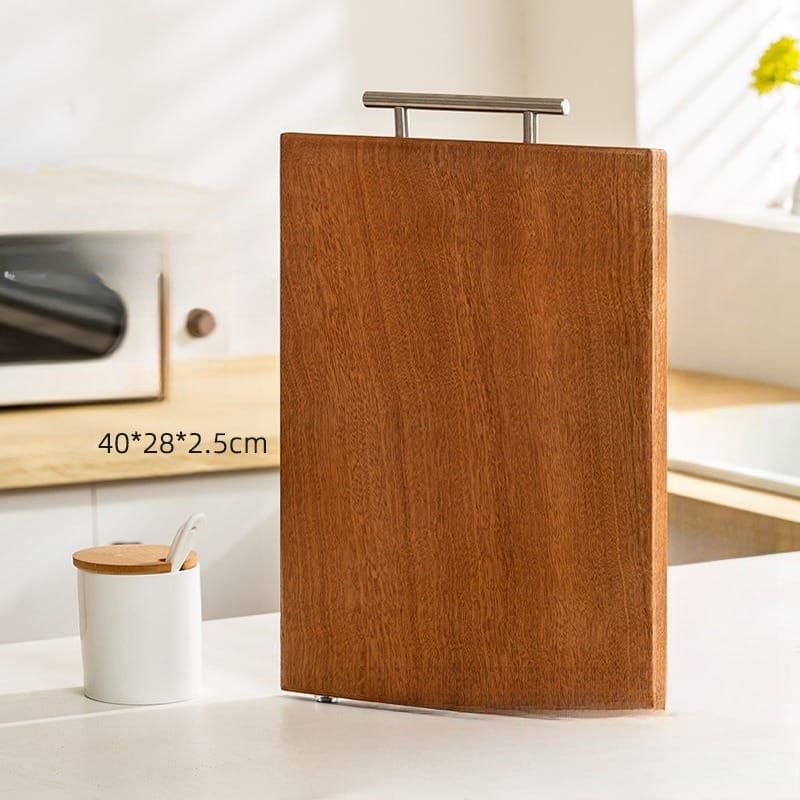
A well-made cutting board is indispensable in any kitchen. It provides a safe surface for food prep while protecting countertops from knife damage.
Creating a cutting board from scrap wood not only reduces waste but also gives you the chance to experiment with different wood types and patterns. This approach combines sustainability with creativity, resulting in a unique and practical kitchen essential.
The Importance of a Cutting Board
A well-made cutting board is indispensable in any kitchen. It provides a safe surface for food prep while protecting countertops from knife damage. Using scrap wood for this project makes it environmentally friendly and budget-conscious, while still allowing for creative design.
Material Selection
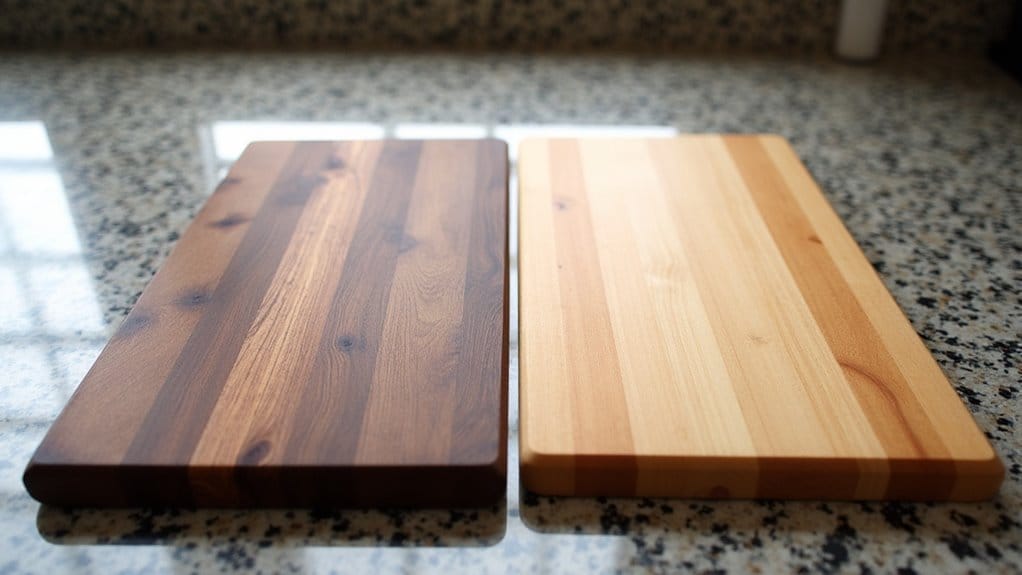
Choose durable hardwoods like European beech, mahogany, or hard maple for their strength and food-safe properties. Mixing woods with contrasting colors adds visual interest—for example, pairing pale beech with rich mahogany creates striking patterns.
Constructing your cutting board using edge grain rather than flat grain increases durability because edge grain better resists cuts and scratches over time.
Construction Process
Glue strips of selected woods together using waterproof glue for longevity. Clamp tightly until dry.
Once glued, use a jointer and planer to flatten all surfaces and achieve consistent thickness—this step is critical for preventing uneven wear during use.
Shaping the Board
The standout feature of this cutting board is its asymmetrical curves, giving it an organic, modern look.
- Mark layout lines carefully.
- Cut with a band saw following these lines.
- Use templates if making multiple boards to maintain consistent shapes.
Finalizing the Shape
Trim edges flush on a router table then round over all external edges for comfortable handling.
Thoroughly sand with progressively finer grits (up to 220 or more) until surfaces are silky smooth—this enhances usability and aesthetics alike.
Finishing Your Cutting Board
Apply several coats of food-safe oil-based finish like mineral oil or a specialized cutting board conditioner that contains beeswax and vitamin E. These finishes protect wood fibers while maintaining a non-toxic surface safe for food contact.
Your cutting board will be durable, attractive, and ready for daily kitchen use or gifting.
Additional Tips for Successful Weekend Projects
Efficient Workshop Setup
Organize your workspace before starting to save time during your weekend workshop. Lay out all tools within easy reach—lathe tools, routers, clamps—and prepare materials ahead by cutting blanks to rough sizes.
Safety Considerations
Wear appropriate safety gear such as eye protection, dust masks, and hearing protection. Follow best practices when using power tools—keep hands clear of blades, maintain firm tool control, and ensure good lighting in your workspace.
Summary Table: Wood Types Suitable for Each Project

| Project | Recommended Woods | Characteristics | Notes |
|---|---|---|---|
| Pizza Peel | Maple (quarter-sawn), Cherry | Hard, stable, resists warping | Choose quarter-sawn where possible |
| French-Style Rolling Pin | Cherry, Maple, Birch | Smooth grain, strong | Easy to turn on lathe |
| Scrap Wood Cutting Board | European Beech, Mahogany | Durable hardwoods with contrasting grains | Use edge grain construction |
Summary Table: Recommended Finishes & Their Benefits

| Finish Type | Food-Safe? | Protection Level | Application Tips |
|---|---|---|---|
| Mineral Oil | Yes | Moisture barrier | Apply liberally; reapply regularly |
| Boiled Linseed Oil + Beeswax | Yes | Deep penetration + surface protection | Apply oil first; buff with beeswax |
| Type III Waterproof Glue | N/A | Strong waterproof joints | Use for laminated glue-ups |
Conclusion: Crafting for Function and Joy
These three projects—a pizza peel, a French-style rolling pin, and a scrap wood cutting board—offer more than just functional kitchen tools; they provide an opportunity to experience the deep satisfaction of working with wood. Whether you are new to woodworking or honing advanced skills, these projects allow you to experiment with different techniques like routing tapers, lathe turning, and laminating hardwoods.
Taking time over one weekend to create beautiful, useful kitchen essentials connects you to traditional craftsmanship while enriching your daily cooking experience. Plus, these handmade items make thoughtful gifts that carry personal value beyond store-bought equivalents.
Set aside time this weekend to craft one (or more!) of these projects—you’ll gain skills, create lasting tools, and enjoy cooking even more. Happy woodworking!
FAQ
1. How long does it typically take to complete each project?
Each project in this weekend workshop is designed to be completed within a couple of days. The pizza peel and scrap wood cutting board can usually be finished in a single day if you have the materials and tools ready. The French-style rolling pin may take slightly longer due to lathe work and finishing details, but it is still achievable over a weekend.
2. What tools are essential for these woodworking projects?
For these projects, basic woodworking tools are required, including a saw (band saw or table saw), router, lathe (for the rolling pin), clamps, sanders (orbital and drum), and hand tools like block planes and chisels. Having waterproof glue and food-safe finishes on hand is also important.
3. Can I use softwood instead of hardwood for these kitchen tools?
It is not recommended to use softwoods for kitchen tools such as pizza peels, rolling pins, or cutting boards. Softwoods tend to dent, scratch, and absorb moisture more easily, reducing the durability and safety of your finished product. Hardwood species like maple, cherry, and beech are preferred for their strength and food-safe properties.
4. What types of finishes are safe to use on kitchen utensils?
Only food-safe finishes should be used on kitchen utensils that come into contact with food. Common options include mineral oil, boiled linseed oil combined with beeswax, and specialized cutting board oils or conditioners. Avoid using finishes with harmful chemicals or solvents.
5. How can I maintain and care for my handmade wooden kitchen tools?
To keep your wooden kitchen tools in good condition:
- Regularly apply food-safe mineral oil or cutting board conditioner to prevent drying and cracking.
- Clean them with mild soap and water—avoid soaking or putting them in the dishwasher.
- Dry thoroughly after washing.
- Sand lightly if the surface becomes rough or stained before reapplying oil.
Proper care will extend the life and appearance of your handmade items.