When you think about rulers, you might picture a simple measuring tool. However, there’s much more to take into account. Different materials like wood, metal, and plastic serve distinct purposes, influencing precision and durability. Additionally, usage variations—like straight edge versus folding—can affect how you tackle projects. Understanding these nuances can greatly impact your work. So, what does each type bring to the table, and how do you choose the best one for your specific needs?
Key Takeaways
- Rulers can be categorized by material: wooden, metal, and plastic, each offering unique durability and functionality.
- Usage types include straight edge, folding, extension, and digital rulers, tailored for specific measuring tasks.
- Straight edge rulers are essential for precision in drawing and cutting, available in various materials.
- Folding rulers provide portability and convenience, ideal for carpentry and crafting projects.
- Digital rulers feature advanced technology for accuracy, offering instant readings and memory functions for detailed measurements.
Types of Rulers Based on Material

When you consider rulers, the material they’re made from can greatly impact their usability and durability.
Wooden rulers offer a classic feel but can warp over time, while metal rulers provide precision and longevity, often favored in professional settings.
Plastic rulers, on the other hand, strike a balance between affordability and flexibility, making them a popular choice for students and casual users alike.
Wooden Rulers
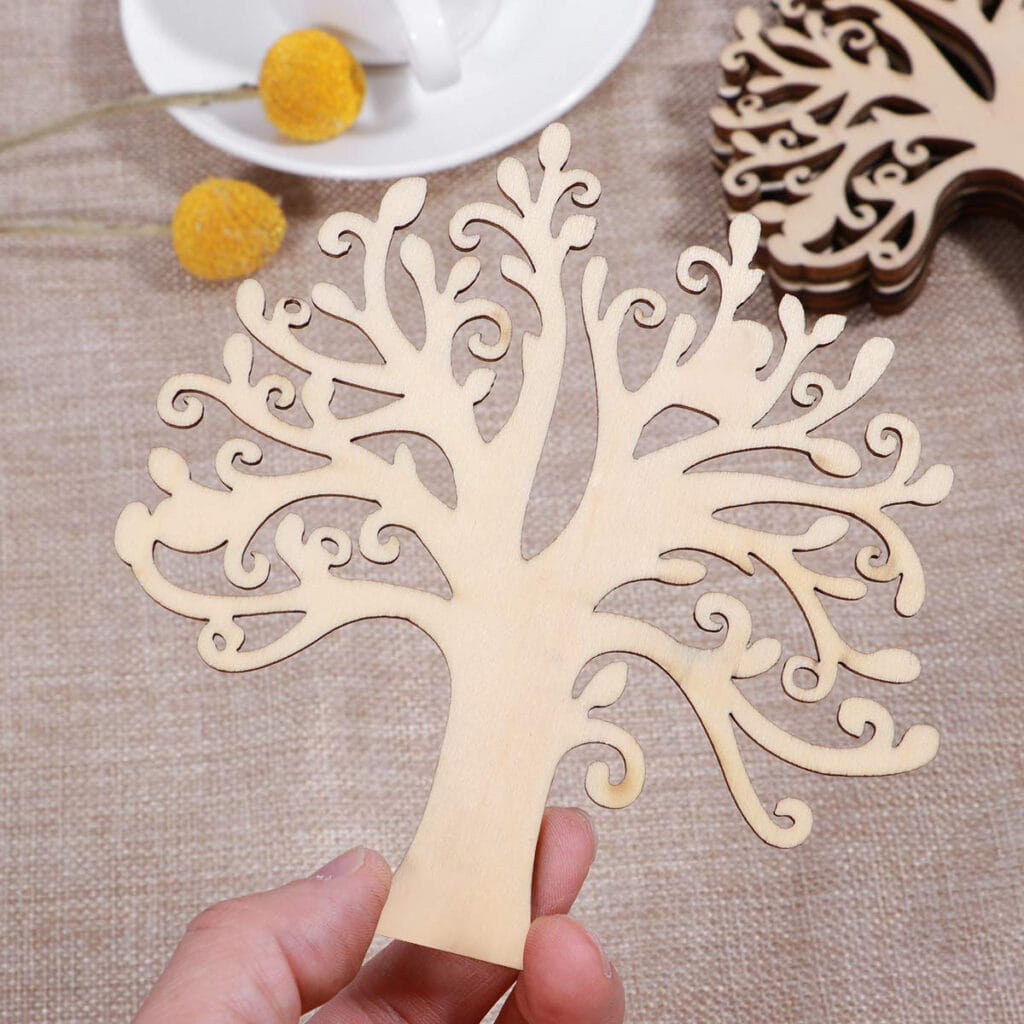
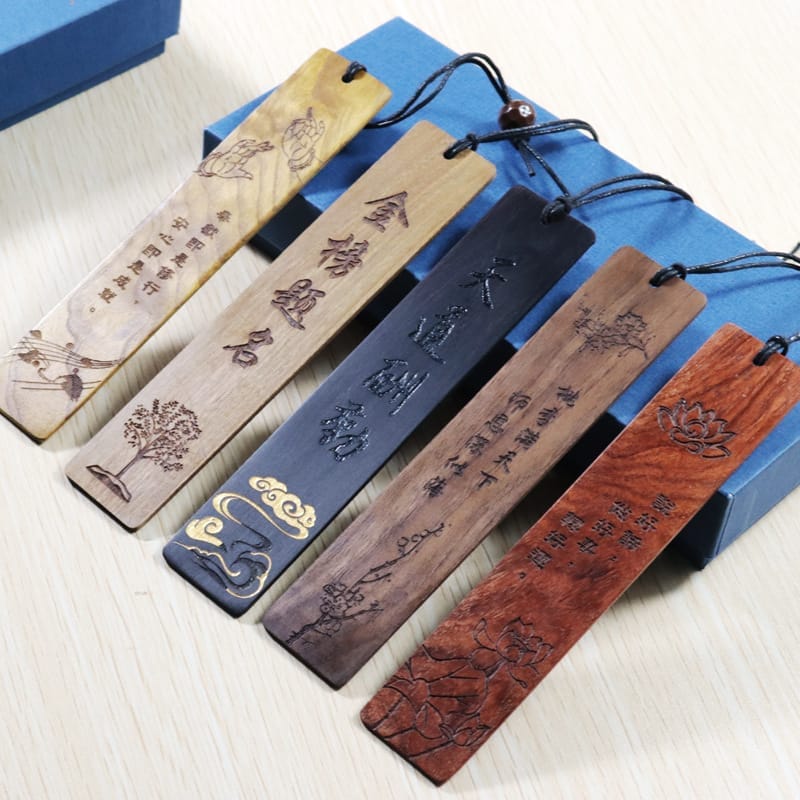
Wooden rulers, often regarded for their classic appeal and durability, have been a staple in both educational and professional settings for centuries.
Unlike plastic options, which may bend or warp, wood offers a stable and reliable tool for measuring length. You’ll find that wooden rulers provide a tactile experience, making them easier to grip and manipulate.
Their natural finish not only looks elegant but also helps in precise measurements, as the markings resist fading over time.
While they may not be as lightweight as plastic, their sturdiness and timeless design make wooden rulers a preferred choice for many.
Metal Rulers
Metal rulers stand out for their precision and durability, making them a favorite among professionals in engineering, architecture, and design. When you need accurate measurements, a metal ruler provides the reliability you seek.
Unlike other materials, metal rulers resist bending and warping, ensuring that your measurements remain true over time. Their smooth edges allow for clean lines when cutting or drawing, enhancing your work’s quality.
Additionally, many metal rulers feature etched markings that won’t fade, offering longevity and consistency. By choosing a metal ruler, you invest in a tool that supports your pursuit of accuracy and excellence in every project.
Plastic Rulers
Plastic rulers are an accessible and versatile option for various measurement tasks, appealing to students, artists, and hobbyists alike.
These lightweight measuring tools are often more affordable than their metal counterparts, making them a popular choice in classrooms and home projects. You’ll find that plastic rulers come in various lengths and colors, enhancing usability and creativity.
They’re also less prone to bending, allowing for precise measurements without risk of damage. While they may lack the durability of metal rulers, their flexibility and ease of use make them an essential measuring tool for many.
Choose a plastic ruler, and simplify your measuring tasks today!
Types of Rulers Based on Usage

When you consider rulers, their usage often dictates the type you choose.
Straight edge rulers are ideal for precise lines, while folding rulers offer portability for on-the-go measurements.
Digital rulers, on the other hand, bring technology into the mix, providing instant readings that can enhance accuracy in your projects.
Straight Edge Rulers
Straight edge rulers are essential tools in various fields, from art to engineering, providing a reliable means to create precise lines and measurements. These rulers help you maintain accuracy and consistency, ensuring your work stands out.
- They’re typically made of materials like wood, plastic, or metal.
- Straight edge rulers come in various lengths, catering to different project needs.
- You can use them alongside cutting tools for clean edges.
Incorporating a straight edge into your workflow enhances your precision, making it an indispensable tool whether you’re drafting designs or crafting detailed artwork.
Folding Rulers
While straight edge rulers offer precision in creating lines, folding rulers bring versatility and convenience to the table.
These compact tools are commonly used for measuring in various settings, from carpentry to crafting. Their segmented design allows you to easily fold them up, making storage and transport a breeze.
You’ll appreciate how a folding ruler can extend to longer lengths while maintaining its rigidity, ensuring accurate measurements. Often made of wood or durable plastic, they stand up to frequent use.
Extension Rulers
Extension rulers are essential tools designed to measure longer distances accurately and efficiently. You’ll find them invaluable for various tasks, especially in construction and carpentry. With their sturdy design and clear measurement markings, they help eliminate guesswork.
- Ideal for measuring large areas
- Often made from durable materials like aluminum or fiberglass
- Typically feature both metric and imperial units
When using an extension ruler, make sure you extend it fully for precise measurements.
This tool not only enhances your accuracy but also boosts your overall productivity in any project requiring long-distance measurements.
Digital Rulers
Digital rulers represent a notable advancement in measuring technology, offering precision that traditional tools can sometimes lack. These devices are particularly useful when you’re tackling precision tasks, such as designing, drafting, or even crafting intricate projects.
Unlike standard rulers, digital rulers provide instant readings, minimizing human error and enhancing accuracy. With features like memory functions and conversion capabilities, you can streamline your workflow remarkably. They’re also equipped with backlit displays, making measurements easy to read in various lighting conditions.
If you’re serious about achieving exact results, investing in digital rulers could elevate your work to a whole new level.
How to Use a Ruler Effectively for Accurate Measurement
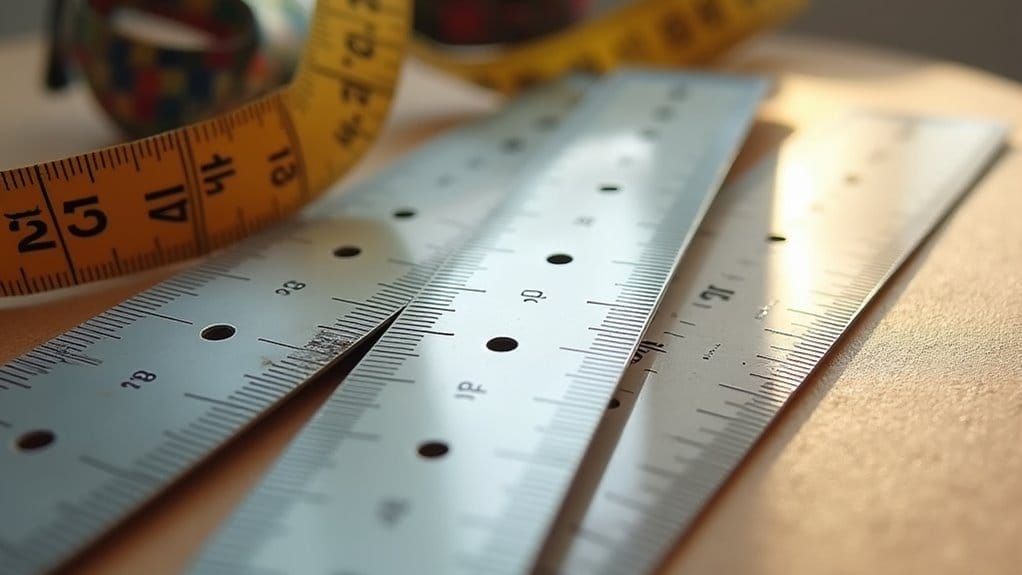
To use a ruler effectively, you need to align it properly with the edge of the object you’re measuring.
Pay close attention to the markings, as different types of rulers may have varying scales, which can lead to common errors if misread.
Aligning and Reading Different Types of Rulers
When it comes to achieving precise measurements, mastering the alignment and reading of different types of rulers is essential. You’ll find that rulers are marked differently, depending on their purpose.
To use them effectively, keep these points in mind:
- Align the ruler’s zero mark with the starting point of your measurement.
- Guarantee the ruler is flat against the surface for accuracy.
- Familiarize yourself with various measurement scales like inches and centimeters.
Avoiding Common Measurement Errors
Although using a ruler may seem straightforward, common measurement errors can easily undermine your accuracy if you’re not careful. To obtain exact measurements, focus on the following:
| Error Type | Description | Solution |
|---|---|---|
| Parallax Error | Misreading the measurement angle | Align your eye directly with the scale |
| Starting Point | Not starting from zero | Always begin at the zero mark |
| Surface Level | Measuring on an uneven surface | Guarantee a flat measuring surface |
| Inconsistent Pressure | Pressing too hard or too soft | Apply gentle, consistent pressure |
| Incorrect Units | Using the wrong scale | Verify the measurement unit |
Selecting the Right Type of Ruler Based on Project Needs
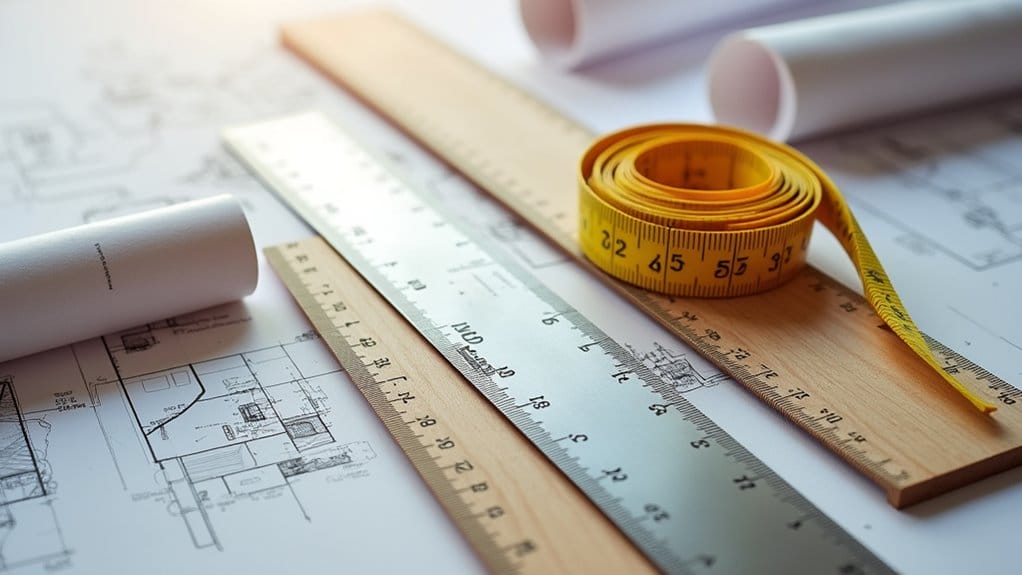
When you’re selecting the right ruler for your project, it’s essential to assess your specific measurement requirements first.
Consider the material’s durability and accuracy, as these factors will impact your results considerably.
Additionally, think about any special features or customizations that could enhance your measuring experience and efficiency.
Assessing Measurement Requirements
Selecting the right type of ruler for your project hinges on understanding specific measurement requirements, as different tasks demand varying levels of precision and scale.
Rulers are used across various fields, and evaluating your measuring needs can streamline your workflow.
Consider the following:
- Precision: Do you need exact measurements for detailed work?
- Length: What’s the maximum dimension you’re working with?
- Type of Measurement: Are you measuring in inches, centimeters, or specialized units?
Choosing Material for Durability and Accuracy
Choosing the right material for a ruler is essential for guaranteeing both durability and accuracy in your projects. Different materials, like plastic, metal, and wood, each offer unique benefits.
Plastic rulers are lightweight and flexible, making them suitable for casual tasks but less precise in various applications. Metal rulers, on the other hand, provide exceptional durability and precision, ideal for technical drawings and construction.
Wooden rulers, while aesthetically pleasing, can warp over time but offer a good balance for everyday use. By understanding these differences, you can select a ruler that meets your specific project needs and guarantees reliable measurements.
Considering Special Features and Customizations
A ruler’s special features and customizations can greatly enhance its functionality, tailoring it to specific project requirements.
When selecting a ruler, consider the following specialized rulers and their unique attributes:
- Flexible rulers for curved surfaces
- Digital rulers with advanced measurement capabilities
- Custom-engraved rulers for personalization
These customizations allow you to adapt your ruler to various tasks, ensuring precision and efficiency.
For instance, a digital ruler might suit tech projects, while flexible options are perfect for crafts.
Frequently Asked Questions
What Is the History of Rulers and Measuring Tools?
You’ll find that rulers and measuring tools date back to ancient civilizations. They evolved from simple sticks and strings to standardized lengths, reflecting humanity’s quest for precision and fostering advancements in architecture, science, and trade.
How Do Different Cultures Use Rulers in Their Measurements?
Different cultures use rulers to reflect their unique measurement systems, adapting materials and designs. You’ll find bamboo sticks in Asia, carved stones in ancient Egypt, and modern metal rulers in Western classrooms, each serving specific community needs.
What Innovations Have Improved Ruler Design Over Time?
Innovations like flexible materials, digital displays, and laser technology have enhanced ruler design. You’ll find precision and versatility in modern rulers, making measurements more accurate and user-friendly, adapting to various tasks in both professional and educational settings.
Why Are Rulers Marked in Both Metric and Imperial Units?
Rulers are marked in both metric and imperial units to accommodate diverse users, ensuring accessibility in various regions. This duality enhances usability, facilitating precise measurements for everyone, regardless of their measurement system preference.
Conclusion
To sum up, selecting the right ruler hinges on understanding your project’s specific needs and the ruler’s design. Whether you prefer the classic feel of wood, the precision of metal, or the versatility of plastic, each type has its strengths. By considering the material and intended use, you can enhance your measuring accuracy and efficiency. Ultimately, the right ruler not only simplifies your tasks but also elevates the quality of your work, ensuring you achieve the best results.