If you buy, store, or ship a lot of wooden products, you’ve probably asked yourself, “Is wood a recyclable material, or does it all have to go to the dumpster?” The answer matters for your costs, your brand image, and your sustainability goals.
Clean, untreated wood can be recycled—but not through a standard curbside bin. When you understand which kinds of wood your business generates and where each type can go, you turn what looks like waste into a useful resource.
Before you toss your next wooden item, it helps to know what can be recycled, what can’t, and the best options for your operation.
Key Takeaways About Wood Recycling
- Is wood a recyclable material? Yes— clean, untreated wood is widely recyclable through dedicated wood recycling or C&D (construction & demolition) facilities.
- Not all wood qualifies. Painted, stained, pressure-treated, and heavily glued composite wood usually can’t go into standard wood recycling streams.
- Sorting matters. Separating clean wood from “dirty” or contaminated wood on-site is one of the simplest ways to cut disposal costs and lower your environmental impact.
- Recycled wood has strong end markets. It can become mulch, animal bedding, biomass fuel, engineered panels, and reclaimed lumber for furniture and decor.
- Smart management benefits your business. Better wood handling reduces landfill fees, supports sustainability certifications, and strengthens your brand story with eco‑minded customers.
As many recycling advisors like to put it, “Good sorting at the start turns waste into a product at the end.”
Is Wood a Recyclable Material for Your Business?
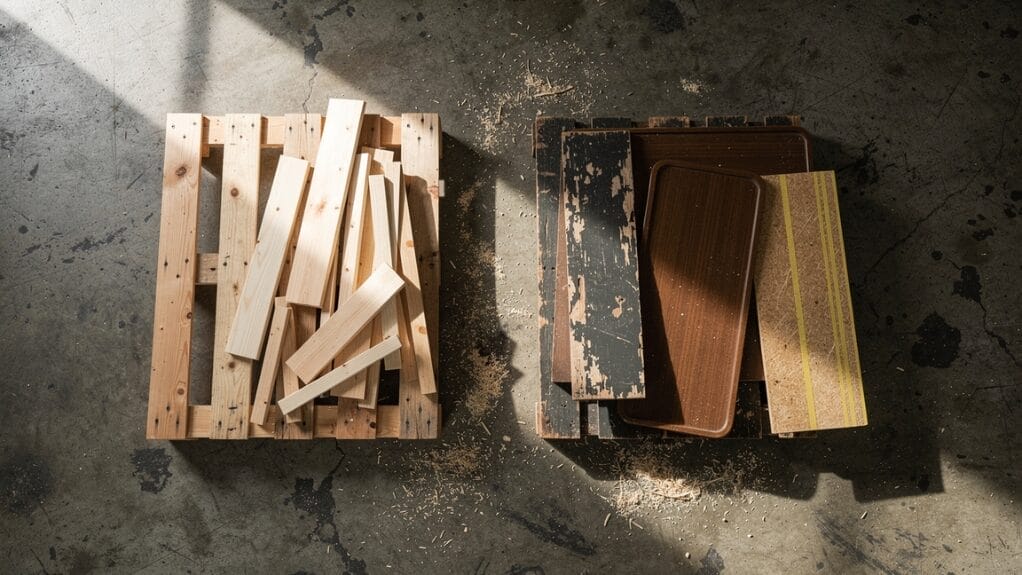
From a recycling facility’s point of view, wood is recyclable material when it is:
- Untreated
- Unpainted and unstained
- Free of heavy glues, oils, and hazardous coatings
- Reasonably clean and dry
The problem is that not all wood looks the same once it reaches the waste stream. A new pallet from a shipment, offcuts from store fixture installation, and an old varnished bar counter each belong in different disposal channels.
For your operation, the key question isn’t just “is wood a recyclable material?” — it’s “which of my wood waste streams can be recycled, and where?”
That starts with understanding the main categories of wood waste.
Types of Wood Waste and Whether They Are Recyclable

Recycling facilities usually distinguish between clean wood that can go into recycling and “dirty” or treated wood that can’t. As a buyer, retailer, or hospitality operator, you’ll see both. Understanding the difference helps you determine if your specific waste wood is actually a wood recyclable material before it leaves your facility.
Recyclable Clean Wood
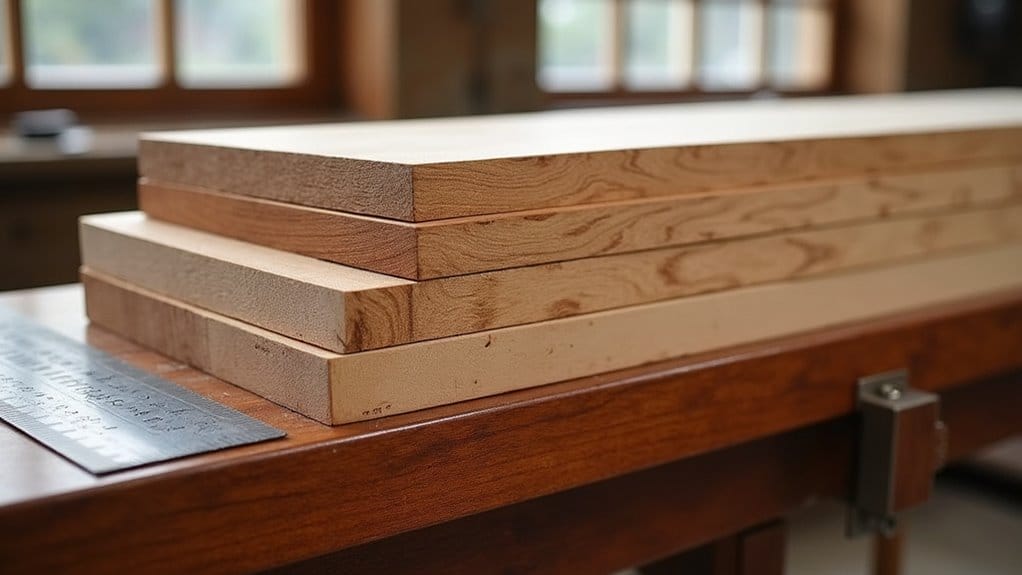
Clean wood is the material most facilities want. Common examples you likely handle include:
1. Construction and Shopfitting Offcuts
- Framing lumber, joists, beams, studs
- Unused planks from shelving, counters, or partition builds
2. Packaging and Logistics Materials
- Untreated pallets and pallet tops
- Pallets stamped HT (heat-treated) rather than chemically fumigated
- Crates and wooden boxes without paint or heavy adhesives
- Spools and blocking used in shipments
3. Woodworking and Craft Scraps
- Offcuts from display-making, props, and custom fixtures
- Sawdust and shavings from untreated stock
4. Yard and Exterior Materials (if you manage sites or outdoor spaces)
- Branches, limbs, and trimmings
- Untreated fencing or decking with hardware removed
For this category, recycling centers often use “Grade A” or “Grade B” classifications, which we’ll cover in the grading section below.
Hard-to-Recycle or Non-Recyclable Wood
Other wood products are harder to handle and usually cannot enter standard wood recycling streams:
1. Chemically Treated Lumber
- Pressure-treated posts and decking
- Railroad ties and garden or retaining-wall timbers soaked in preservatives
2. Painted, Stained, or Varnished Wood
- Old furniture, cases, bars, and counters with thick finishes
- Shopfitting lumber coated with paint or sealer
3. Engineered and Composite Wood with Heavy Adhesives
- MDF, particleboard, laminate, and some OSB products
- Countertops and cabinets built from these materials
4. Contaminated or Damaged Wood
- Pieces with oil, grease, or food contamination
- Wood with mold, rot, or insect damage
- Wood with asbestos-containing or lead-based coatings
Some facilities can accept a portion of this material for energy recovery (biomass fuel), but you should never assume treated or composite wood is recyclable. Always check with your local wood recycling provider.
Quick Comparison: Clean vs. Dirty Wood
| Wood Type | Recyclable as Wood? | Typical Destination |
|---|---|---|
| Untreated pallets and crates | Yes | Wood recycler → mulch, bedding, panels |
| Bare construction offcuts | Yes | Wood recycler or reuse |
| Painted or varnished furniture | Rarely | Landfill or bulky waste program |
| Pressure-treated posts and decking | No (hazardous) | Special or municipal disposal site |
| MDF, particleboard, laminates | Usually no | Landfill or biomass facility (if accepted) |
| Branches and yard trimmings | Yes | Composting facility or chipper |
Understanding this distinction is the foundation for answering, “Is wood a recyclable material in my specific case?”
Wood Recycling Grades: A–D and Why They Matter
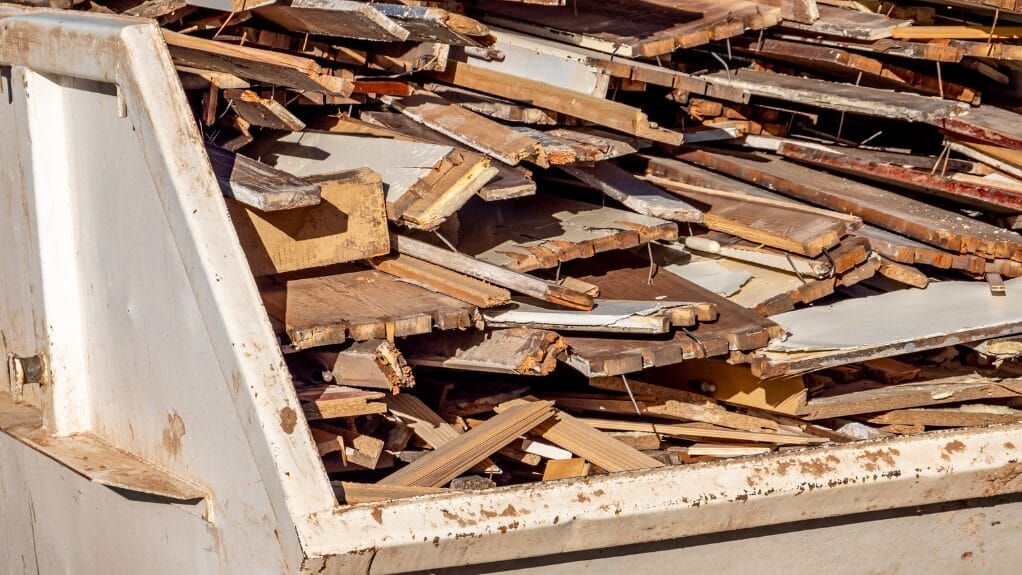
To decide what happens to each load of wood, many C&D recyclers sort it into four grades:
1. Grade A – Premium Clean Wood
- Untreated pallets, offcuts, and packaging
- Usually turned into mulch, animal bedding, or high‑grade products
2. Grade B – Mixed Clean Wood
- Mostly clean wood with some removable contaminants (like occasional plastic or metal)
- Often used for panel board feedstock and similar products
3. Grade C – Heavily Contaminated But Non-Hazardous Wood
- May have more dirt, small residues, or bonded materials
- Commonly used as biomass fuel in approved facilities
4. Grade D – Hazardous Wood
- Includes creosote-treated ties, old marine timbers, and some pressure‑treated products
- Regulated as hazardous or special waste and must go to approved disposal facilities under wood waste rules in many regions
| Grade | Description | Common Sources | Primary End-Use |
|---|---|---|---|
| Grade A | Premium Clean Wood (Highest Value) | Untreated pallets, solid wood offcuts, packing crates, cable drums. | Animal bedding, horticultural mulch, high-quality wood pellets. |
| Grade B | Mixed Clean Wood | Grade A material mixed with construction and demolition waste (may have some fixings). | Feedstock for the panel board industry (chipboard/MDF). |
| Grade C | Fuel Grade Wood (Non-Hazardous) | Plywood, joinery waste, DIY wood, fencing, and furniture made of engineered wood. | Industrial biomass fuel for large-scale energy plants. |
| Grade D | Hazardous Waste | Creosote-treated railway sleepers, telegraph poles, or lead-painted timbers. | Specialized high-temperature incineration or hazardous landfill. |
For your business, you don’t need to label every piece, but you do benefit from:
- Keeping Grade A/B material separate from everything else
- Flagging any suspected Grade D wood for special handling
- Asking your hauler or recycler which grades they accept
This simple step helps make sure that when you ask, “Is wood a recyclable material for my store, warehouse, or restaurant?”, the answer is more often “yes.”
How Does the Wood Recycling Process Work?
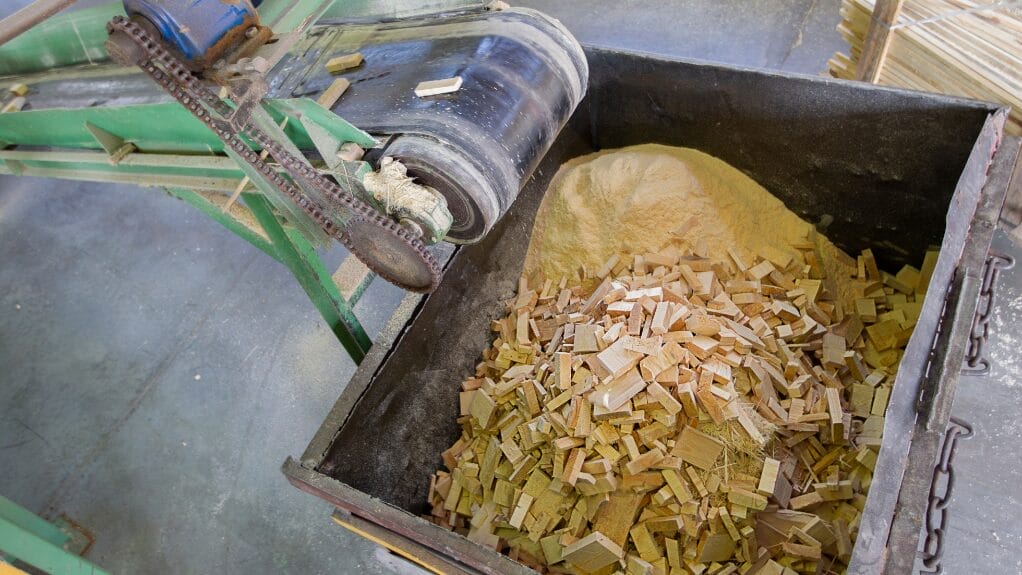
Once your clean wood leaves your site, it goes through several key stages. Knowing roughly how wood recycling works can help you sort better and talk with haulers using the same terms they do.
Step 1: Collection and Source Separation
Wood is collected from construction projects, distribution centers, and retail stores as part of a larger waste recycling strategy:
- Construction and fit‑out projects
- Distribution centers and warehouses
- Retail stores, restaurants, and hotels
- Municipal drop-off and bulky waste sites
You can either separate wood on-site into dedicated dumpsters or let a C&D facility sort mixed loads. Source separation usually produces cleaner, higher‑grade wood and may reduce contamination surcharges.
For consistent streams like pallets or crates, ask whether your hauler offers backhaul programs, where they take wood back on returning trucks.
Step 2: Screening and Contaminant Removal
At the facility, the wood passes through several checks:
- Workers pull out visible contaminants (plastic, cardboard, fabric, rocks)
- Magnets remove nails, screws, and staples
- Optical sensors and AI systems may sort different wood types and colors
- Some facilities wash or abrade surface dirt or light finishes for certain grades
This step helps the final recycled product meet strict specifications for safety and quality. Loads with excessive contamination may be downgraded or surcharged, which is another reason good sorting on-site pays off.
Step 3: Grinding, Chipping, and Processing
The cleaned wood is then:
- Ground into wood fiber, or
- Chipped into uniform wood chips
Particle size, cleanliness, and moisture content are adjusted based on the end market—mulch, bedding, panels, or fuel all have different requirements.
Step 4: Distribution to End Markets
Finally, processed wood fiber is sold as a raw material to manufacturers, grounds crews, composting operations, power plants, and others who turn it into finished products. Your “waste” becomes part of their supply chain.
What Recycled Wood Becomes?

When you sort and send clean wood to the right facility, it doesn’t just “disappear”—it re-enters the market in several useful forms.
Landscaping, Agriculture, and Animal Care
Mulch for gardens, paths, and planted areas
- Compost feedstock, adding carbon to large-scale compost operations
Animal bedding for poultry, livestock, and small animals
Grade A recycled wood often performs as well as, or better than, mulch from virgin wood.
Energy and Biomass Fuel
- Biomass fuel for industrial boilers, cement kilns, and some power plants
- Alternative to fossil fuels when the fuel meets strict emission and contamination limits
While not every “dirty” wood product is suitable, this outlet helps keep large volumes out of landfills. Burning treated or mystery wood on-site, however, can release harmful chemicals and is restricted or banned in many regions.
Engineered Wood and New Products
- Particleboard, MDF, and fiberboard feedstock
- Composite products for furniture, shelving, and displays
- Panel boards used in construction and interior fit‑outs
For you, this means part of the shelving, fixtures, or packaging you buy in the future may already contain recycled wood fiber.
Reclaimed Lumber for Design and Decor
High‑quality boards, beams, and planks are sometimes:
- De‑nailed, cleaned, and resawn
- Sold as reclaimed lumber for furniture, feature walls, or flooring
If you run a craft store, interior design studio, or décor-focused retail shop, reclaimed wood can be a strong visual and marketing asset.
Practical Wood Disposal Options for Your Operation
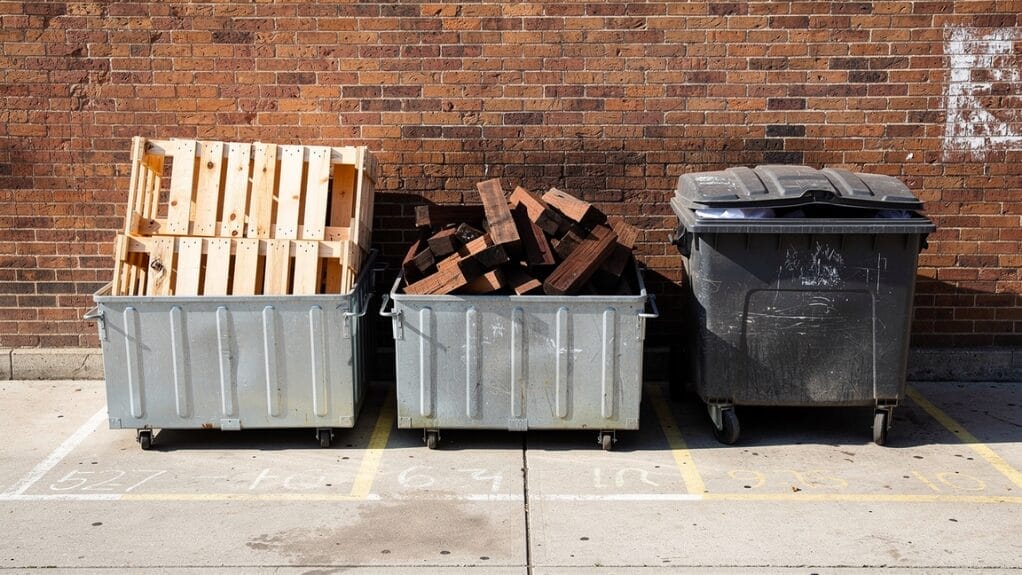
You now know the technical answer to “Is wood a recyclable material?” The next step is making it work at your sites.
1. Avoid the Curbside Recycling Bin
Standard curbside recycling programs in the US are not designed for wood. Placing wood in mixed residential recycling can:
- Contaminate paper, plastics, and metals
- Cause entire loads to be diverted to landfill
Even small pieces of wood should stay out of household-style blue bins.
2. Use Dedicated Wood or C&D Recycling
Instead, look for:
- Construction and demolition recyclers that accept wood in clean form
- Dedicated wood recycling centers or drop-off yards
- Haulers who offer separate wood dumpsters for large projects
If you’re rolling out new fixtures across multiple stores or renovating a restaurant, this is often the most cost-effective and environmentally responsible option.
3. Set Up Simple Sorting On-Site
You don’t need an elaborate system. For most businesses, it’s enough to:
- Keep clean, untreated wood in one container
- Place treated, painted, or composite wood in another
- Add simple signage with photo examples for staff and contractors
Clear sorting helps you send the right material to recycling and keeps contaminants out of clean loads.
4. Reuse and Donation Before Recycling
Whenever possible, consider:
- Reusing pallets and crates for future shipments
- Donating usable lumber, furniture, and fixtures to charities, schools, or theaters
- Offering surplus clean scrap to local makers or DIY communities
Reusing wood often saves more resources than recycling alone.
Benefits of Recycling Wood for Your Business

Recycling wood is about more than feeling “green.” It has direct environmental and financial impacts that matter to any serious buyer or operator.
As the waste hierarchy sums it up, “Reduce, reuse, recycle”—recycling comes after you have already cut waste and found ways to use items again.
Environmental Benefits
1. Less landfill volume
Wood can make up a large share of construction and bulky waste. Diverting it extends landfill life and reduces the need for new sites.
2. Lower greenhouse gas emissions
When wood breaks down in a landfill, it generates methane—a gas far more powerful than CO₂. Recycling or reusing wood instead of landfilling it cuts those emissions.
3. Reduced logging pressure
Each ton of reclaimed wood can avoid more than a ton of CO₂ emissions when you factor in avoided logging, milling, and transport. That helps protect forests and biodiversity.
4. Support for circular material flows
As more manufacturers use recycled wood fiber, your decision to send clean wood to recycling feeds directly into their supply.
Economic and Brand Benefits
1. Lower material costs
Recycled lumber, panels, or mulch can cost significantly less than virgin alternatives, especially for large projects and grounds maintenance.
2. Reduced disposal fees
Clean, source‑separated wood is often cheaper to tip than mixed waste or contaminated loads.
3. Support for green certifications
If your projects aim for certifications like LEED or other green building programs, using recycled content and diverting wood from landfill earns points.
4. Stronger sustainability story
As a wholesaler, retailer, or hospitality brand, you can confidently tell customers that you handle wood responsibly—from shipping crates to store fixtures and décor. When customers ask “Is wood a recyclable material and what do you do with it?”, you’ll have a clear answer.
Common Challenges in Wood Recycling (And How to Handle Them)
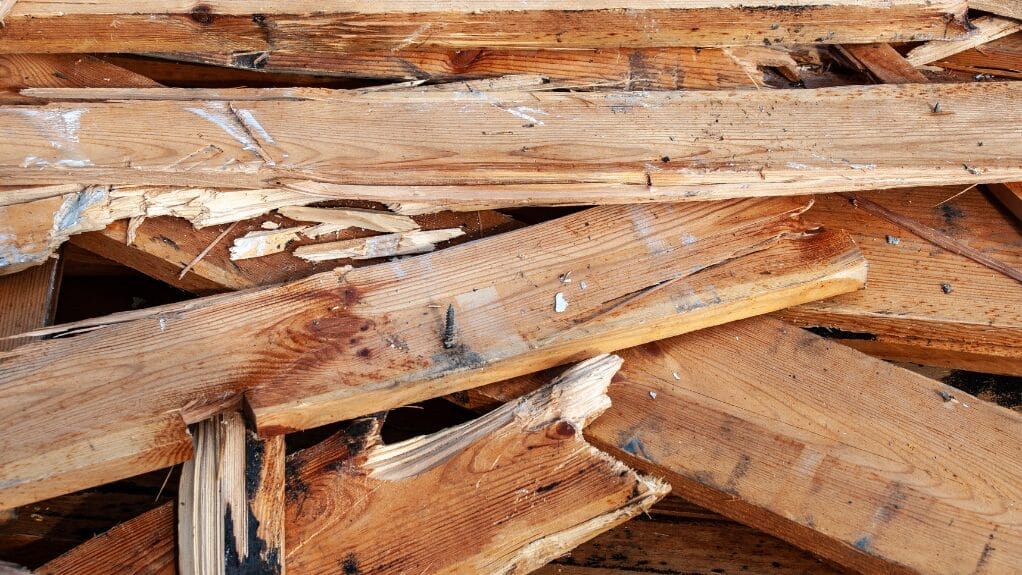
Even when you know that wood is a recyclable material, a few obstacles can get in the way.
Contamination from Finishes and Hardware
Paint, stain, varnish, and chemical preservatives can push wood into non‑recyclable categories. Embedded fasteners can damage recycling equipment.
What you can do:
- Specify untreated lumber wherever possible in new build‑outs
- Remove large metal hardware from pallets and fixtures before disposal
- Keep clearly finished or pressure-treated pieces out of wood recycling bins
Limited Local Facilities
Some regions have multiple C&D recyclers; others still rely mostly on landfills.
What you can do:
- Ask your existing hauler which wood recycling options they already work with
- Check with your city or county for special collection days or drop-off options
- If you operate across multiple locations, create a simple internal guide by region
Confusion Over Regulations
In the US and UK, wood waste regulations have tightened in recent years, especially for hazardous or Grade D wood.
What you can do:
- Treat any heavily treated or industrial wood as potentially hazardous until confirmed otherwise
- Work with haulers who stay current on wood waste and hazardous waste rules in your region
- Keep basic documentation from your recycler or hauler showing where your wood goes
A common reminder from compliance teams is, “If you can’t document where it went, you can’t claim credit for recycling it.”
Creative Ways to Repurpose Clean Wood

Recycling isn’t the only option. For many businesses, reusing wood on-site or in your local community adds value and avoids disposal costs.
Ideas you can consider:
1. For Retailers and Craft Stores
- Turn pallet wood into display risers or rustic shelving
- Offer reclaimed wood bundles for DIY customers
- Create branded signage or décor from reclaimed boards
2. For Restaurants and Hospitality
- Use reclaimed wood for menu boards, host stands, or feature walls
- Build planter boxes or herb garden beds from surplus lumber (if untreated)
3. For E‑Commerce and Fulfillment Operations
- Reuse sturdy crates and wood blocking for outbound freight
- Chip clean offcuts for use as protective dunnage in certain shipments
Whenever you do this, keep the core rule in mind: only repurpose clean, untreated wood, and never burn or repurpose pressure‑treated or mystery wood indoors.
Final Thoughts: Is Wood a Recyclable Material?
From the perspective of recyclers, regulators, and your own operation, yes—wood is a recyclable material when it is clean, untreated, and correctly sorted.
If you:
- Separate clean wood from treated and composite products
- Keep wood out of curbside recycling bins
- Use dedicated wood or C&D recyclers where available
- Look for reasonable reuse and donation options first
…you’ll divert a significant amount of material from landfills, support lower‑carbon manufacturing, and improve the sustainability profile of your business.
The next time you handle pallets, crates, fixtures, or décor, you won’t just wonder, “is wood a recyclable material?” You’ll know exactly which pieces can be recycled, which need special disposal, and how that choice supports your customers and your brand.
If you already source wooden décor or craft pieces from Qlychee Crafts, building a simple plan for scrap and end-of-life wood can make your purchasing and disposal practices work better together.
We offer a wide selection of wooden crafts, available for bulk purchase and customized orders. Contact us for more information.
FAQs About Wood Recycling
Can Wood Go In a Regular Recycling Bin?
No. You should not put wood in a standard curbside recycling bin. Residential materials recovery facilities are set up for paper, cardboard, metals, and certain plastics—not wood. Adding wood can contaminate the rest of the load and send everything to landfill.
Instead, take wood to a dedicated wood recycling center, C&D recycler, municipal drop-off site, or arrange a special pickup.
Is Wood Completely Recyclable?
Not completely. While clean, untreated wood is a recyclable material, many wood products are not:
- Pressure-treated lumber
- Painted, stained, or varnished wood
- MDF, particleboard, and laminates
- Wood with hazardous coatings (like old lead-based paint)
Those materials usually require special or landfill disposal, or in some cases can be used only as controlled biomass fuel.
Is Wood Classified As Recyclable?
Yes, wood is classified as recyclable when it meets these conditions:
- It is untreated and uncoated
- It is free of hazardous substances
- It can be reasonably cleaned and processed
Local rules vary, so always check guidelines for your recycling provider or municipality.
What Types of Wood Cannot Be Recycled?
Wood that generally cannot go into standard wood recycling streams includes:
- Chemically treated lumber (pressure-treated, creosote-treated, marine timbers)
- Painted, stained, or heavily varnished wood
- Composite and engineered products with a lot of glue and resin, such as MDF, particleboard, and many laminates
- Contaminated wood, including pieces with oil, grease, food waste, mold, or insect damage
If you’re unsure whether a specific item is recyclable wood, treat it as non‑recyclable and confirm with your local wood recycling or waste management provider.