How often do you stop and question the small product choices that shape your profit, breakage rate, and customer reviews? Are you still filling shelves and catalogs with plastic or ceramic bowls simply because that is what has always sold before? When repeat orders and fewer returns count as success, material choice deserves a closer look.
Many buyers now ask a simple question: are wooden bowls better for value, safety, and customer appeal? At first glance, wood can seem risky. Some people think it is hard to clean, less sanitary, or too delicate for busy homes and commercial kitchens. Yet research on wooden bowls benefits and real-world numbers from restaurants and retailers tell a different story.
Demand for food-safe wooden bowls and natural kitchenware keeps rising in the US. Consumers want warm, natural textures on the table, and they also want products that feel honest, safe, and eco-aware. For you, that means wooden bowls are not just a style choice; they are a business tool.
In this guide, you see why wooden utensils are better than many plastic, ceramic, or metal options, how to keep them in top condition, and what to check before placing a wholesale or private-label order. By the end, you can judge for yourself, with clear facts, whether wooden bowls fit your product line, your margins, and your customers.
Key Takeaways
Before diving into the details, it helps to have a quick overview you can scan and share with your team.
- Wooden bowls are naturally antimicrobial and often safer than plastic for daily food contact when you choose hardwoods and food-safe finishes.
- High-quality hardwood bowls are chip-resistant and hard to break, which cuts replacement costs and protects your profit in commercial and family use.
- With simple care like hand-washing and periodic oiling, a wooden bowl can stay service-ready for many years, not just a few seasons.
- The best woods for kitchen bowls include teak, acacia, maple, cherry, and heat-resistant jujube wood, which is a core strength of Qlychee Crafts.
- When you source in bulk, you protect your brand by checking for food-safe finishes, reliable quality control, and customization options such as logo engraving and branded packaging.
Why Wooden Bowls Are Better: Key Benefits You Should Know

When you compare materials for tableware, you are not only choosing a look. You are choosing how long items last, how safe they are with food, and how happy customers feel using them every day. This is where whether wooden bowls are better becomes very practical for your business.
Natural Insulation, Durability, and Aesthetic Appeal
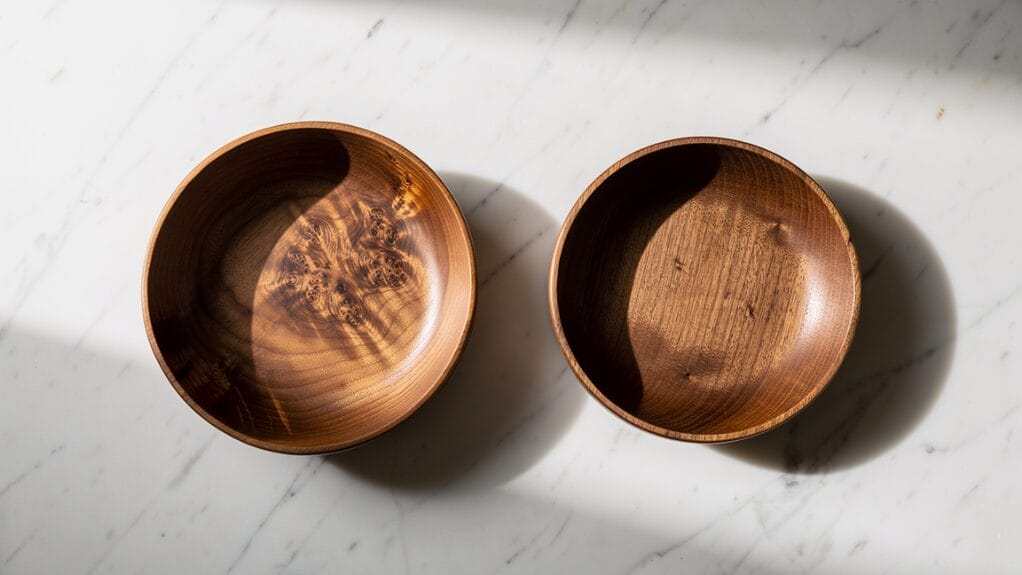
Wood handles heat and cold in a gentle way, so soups stay warm and salads stay crisp longer. At the same time, hardwood bowls shrug off everyday bumps and drops that can destroy ceramic. The natural grain, color shifts, and hand-finished surfaces turn each piece into a small décor accent on your shelf or table and help your product photos stand out on marketplace listings.
Durability That Drives Long-Term Value
Unlike china or glass, a good hardwood bowl does not shatter when it hits the floor. Scratches are minimal, especially with dense woods like acacia, teak, or jujube. That toughness means fewer replacements for restaurants, cafes, and busy households, which feeds straight into your margin story and lowers complaint rates.
Natural Insulating Properties
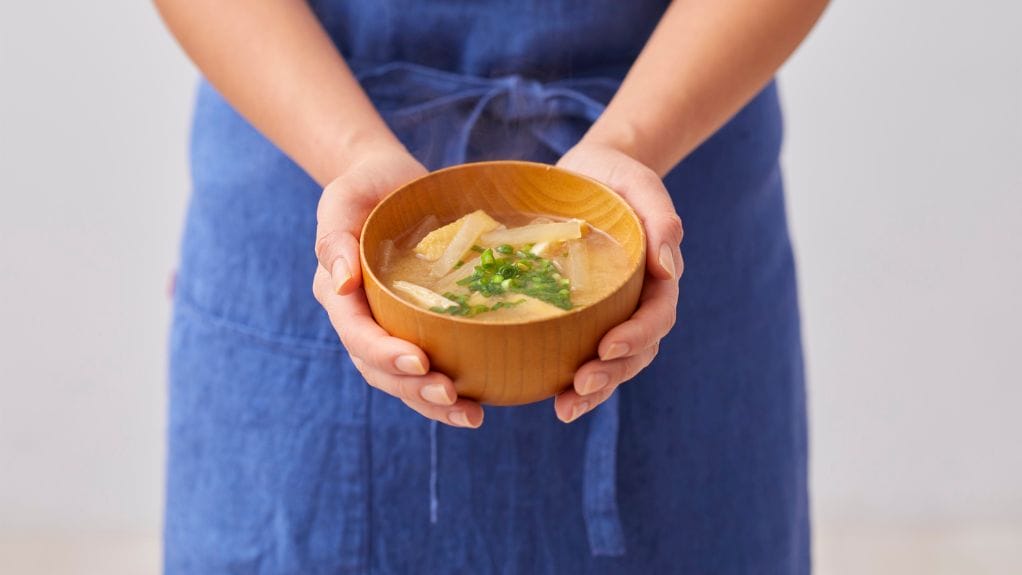
Wood does not conduct heat quickly. Hot noodles or soup stay warm without burning hands, and cold dishes stay cooler than they would in metal. For customers, that subtle comfort makes natural wood bowls for kitchen use feel premium without any extra step on your side.
Biophilic Appeal and Aesthetic Value
People enjoy touching natural materials. The grain lines and smooth finish of natural wood bowls for kitchen use connect diners with something warm and calm in a way plastic never can. That rustic look photographs well for e-commerce and social media, helping your listings stand out and giving stylists more to work with.
Quoting this design perspective can help your sales team explain why wooden bowls feel so inviting on a dining table or retail display.
Eco-Friendly and Sustainable
Responsibly sourced wood is renewable and biodegradable, unlike petroleum-based plastics. When you stock wooden bowls, you support a lower-waste supply chain and tap into a strong demand for eco-conscious products. This gives you a clear talking point in your product descriptions, retail displays, and B2B sales decks.
Quiet, Premium Dining Experience
Wood softens sound, so there is less clinking and scraping on the table. In wellness cafés, farm-to-table restaurants, and boutique hotels, this quieter feel supports the relaxed mood guests expect and can subtly raise perceived value.
Business Angle
Qlychee Crafts wooden bowls use sustainably sourced hardwoods, including heat-resistant jujube wood, finished with eco-friendly coatings and food-safe oils. For you, that means a ready-made line of the best wooden bowls for kitchen and restaurant use, backed by consistent quality and commercial durability.
Are Wooden Bowls Safe to Eat from: Food Safety and Hygiene Facts

For many buyers, the biggest concern is not looks or price, but safety. You may wonder, are wood bowls safe to eat from every day, especially in busy food-service settings. The answer is yes when you choose the right woods and finishes and follow simple care habits.
Address the Misconception Upfront
A common belief says porous wood must trap germs and stay dirty. Research from Dr. Dean Cliver at the University of California showed the opposite for cutting boards, where wood surfaces held fewer live bacteria than plastic. That science gives you a strong, fact-based reply when customers ask about hygiene.
Wood’s Natural Antimicrobial Properties
Hardwoods pull moisture and bacteria slightly below the surface. Inside those fibers, microbes lose water and die off. This natural process makes a quality wooden surface quietly self-protecting between washes, which supports safe daily use and adds reassurance for families and chefs.
Comparison to Plastic
Plastic bowls, especially cheaper ones, can release benzene, VOCs, and even microplastic particles into food. Heat and acid speed this process, which is worrying with hot soups or tomato-based dishes. In contrast, a well-finished wooden bowl does not leach these substances into meals and avoids the issue of scratched, cloudy plastic that looks old before its time.
Importance of Food-Safe Finishes
The wood itself is only part of the story. The finish that touches food is just as important. You should insist on food-grade mineral oil, beeswax blends, or tested food-safe lacquer so the surface resists stains and cleans easily. Ask suppliers for clear documentation so you can pass that information on to your customers.
Qlychee Crafts’ Approach to Food Safety
Qlychee Crafts treats every bowl with eco-friendly coatings and food-safe oils that meet strict quality standards. Production combines modern quality control with hand finishing, which gives you commercial-grade items ready for restaurant, hotel, and retail shelves.
Practical Hygiene Tip for Buyers to Share with Customers
For daily care, advise customers to wash bowls by hand with mild soap and warm water, then dry them right away. When extra reassurance is needed, a wipe with diluted white vinegar helps keep the surface fresh. Simple habits like these support food safe wooden bowls for the long term and give your service team clear advice to share.
Wooden Bowls Compared with Plastic, Ceramic, and Other Materials

Understanding how wooden bowls compare with other materials helps you answer questions from staff and shoppers. It also helps you make clearer sourcing decisions when budgets, breakage rates, and brand values are on the line.
Here is a quick comparison that covers the main choices for serving bowls and mixing bowls.
| Feature | Wooden Bowls | Plastic Or Melamine | Ceramic Or China | Glass Or Metal |
|---|---|---|---|---|
| Durability | Shatter-resistant and long-lasting | Scratches and can warp | Chips and breaks when dropped | Strong but can crack or dent |
| Food Safety | Naturally antimicrobial | Can leach chemicals into hot food | Generally non-toxic | Generally non-toxic |
| Insulation | Excellent for hot and cold dishes | Poor insulation | Moderate insulation | Loses heat very quickly |
| Eco Impact | Renewable and biodegradable | Petroleum-based and hard to recycle | Energy-intensive to produce | Mining and heavy processing needed |
| Aesthetic Appeal | Warm, natural grain and color | Often looks artificial | Decorative but can feel formal | Can seem cold or industrial |
| Maintenance | Needs hand-washing and oiling | Easy but less durable over time | Easy but fragile | Easy but noisy, shows scratches |
For wooden vs plastic bowls, the balance is clear. Plastic can be cheap up front but brings risk from chemicals, easier scratching, and growing concern about microplastics. Wooden bowls cost more up front but line up better with safety, sustainability, and perceived quality.
When you compare a wooden bowl vs ceramic bowl, wood wins for durability and drop resistance. Ceramic pieces may look refined, but chips and cracks lead to quick write-offs in commercial kitchens and busy homes.
Against glass and metal, wood stands out for insulation and comfort. Soups stay warm longer, and there is no sharp clanging when someone sets a spoon down. The honest trade-off is care. Wooden bowls need hand-washing and occasional oiling, which you can frame as a simple routine rather than a burden. The next section gives you clear steps to share with customers.
How to Care for Wooden Bowls: Maintenance Tips That Extend Their Life

Some buyers worry that wood is fussy. In reality, how to care for wooden bowls comes down to a few straightforward habits. When customers follow them, a quality bowl can handle years of daily use, which makes your wooden bowls for serving food a smart long-term buy.
- Clean wooden bowls by hand with gentle dish soap and warm water. Rinse and dry them promptly instead of letting them sit in water, since prolonged soaking allows moisture to penetrate the wood and may cause warping or cracking.
- Always keep wooden bowls out of the dishwasher to prevent damage. The intense heat and harsh detergents strip moisture from the wood too quickly, which can lead to surface cracks. A brief hand wash followed by immediate towel drying is faster and helps preserve the finish.
- Dry every bowl completely with a clean towel right after washing. Standing water on the rim or base can leave marks and raise the grain. Good drying habits are the easiest wooden bowl maintenance tips to share with customers.
- Handle stains and odors gently with a paste of salt and lemon juice. A light rub removes colored marks without scratching the surface. Many stains fade by themselves over time and blend into a pleasant patina.
- Learn how to season a wooden bowl with food-grade mineral oil or a beeswax and oil blend every few months. Apply a thin coat with a soft cloth, let it soak overnight, then wipe away the extra so the surface feels dry, not greasy.
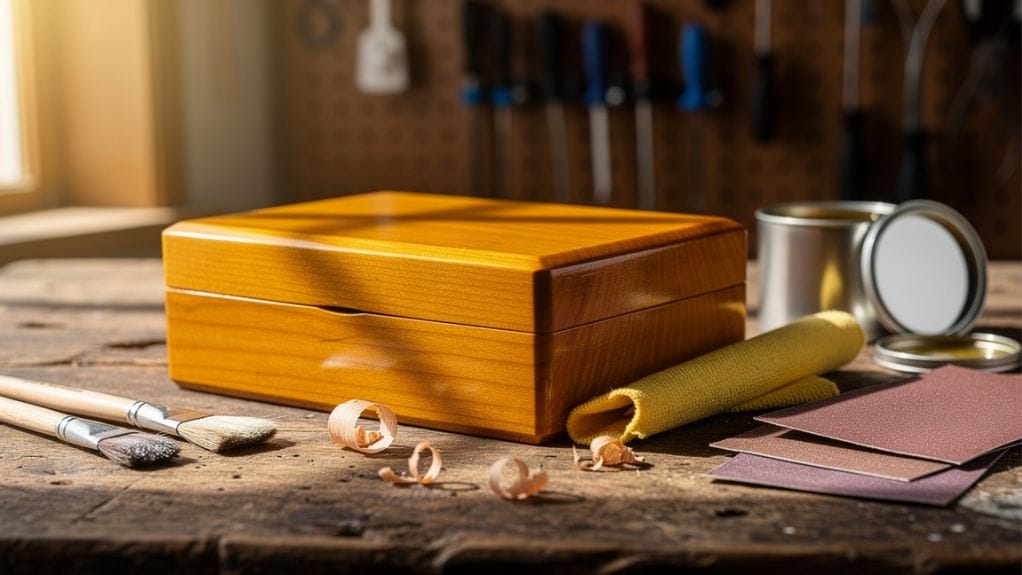
- Refresh older pieces with very fine sandpaper, followed by fresh oil. This simple rejuvenation step can turn a scratched bowl into something that looks ready for another season on your shelf or in your dining room.
Qlychee Crafts includes proper care guides with every order and recommends a food-safe wood wax oil that matches the coatings used in production. That support makes it easy for you to pass along the right instructions and keep customer satisfaction high.
Wooden Bowl Buying Guide: What to Look for Before You Order
Once you decide wooden bowls are better for your product mix, the next step is choosing the right ones. This wooden bowl buying guide focuses on wood species, size, finish, and supplier reliability so you can order with confidence.
Choose the Right Type of Wood

Different hardwoods give you different looks and performance levels. Think about your target buyer and price point as you choose:
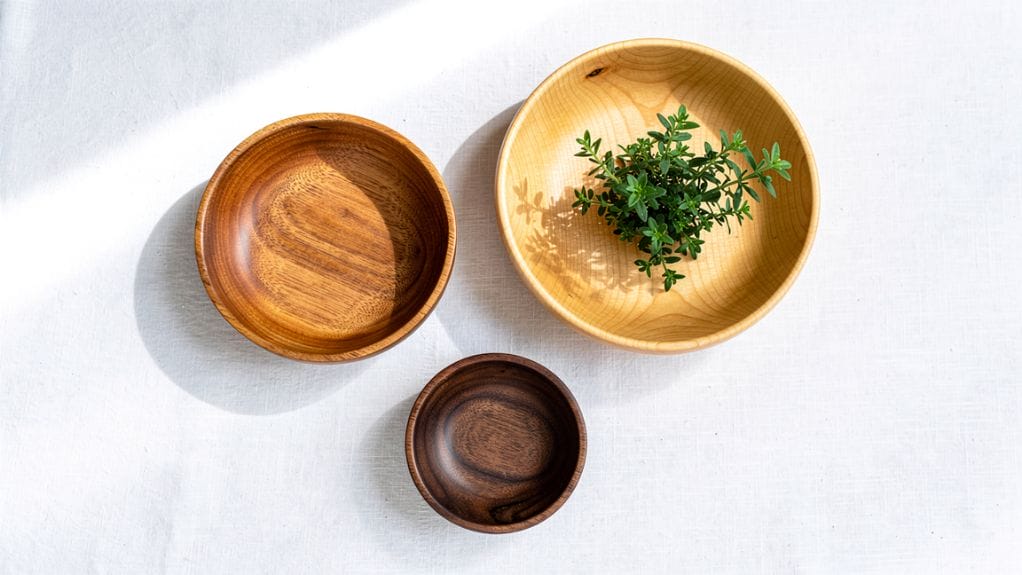
- Teak – Sits at the high end thanks to its natural oils, strong resistance to moisture, and warm golden color, which suits premium retail lines.
- Acacia – Offers a striking grain and deep tones at a more accessible price, perfect for volume orders and mid-range sets.
- Maple – Brings a light, clean look that pairs well with minimalist décor, Scandinavian styling, and gift sets.
- Cherry – Starts with a warm tone and deepens over time, adding character that many home cooks appreciate.
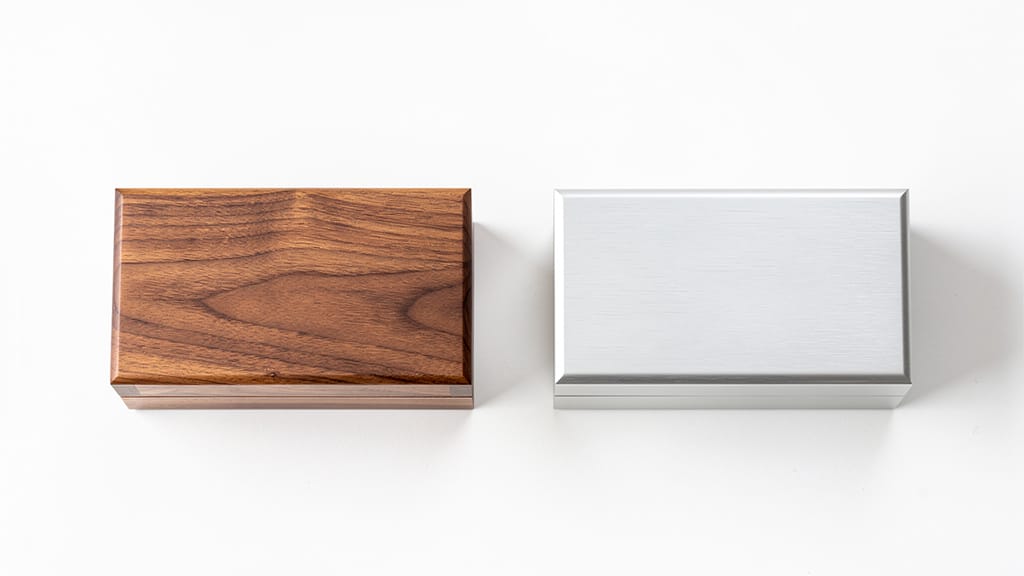
- Walnut – Known for its rich chocolate-brown color and smooth, refined grain, walnut adds a sense of understated luxury and works well in modern and upscale tableware collections.
- Jujube Wood – A specialty of Qlychee Crafts, jujube delivers standout heat resistance, which is ideal for hot soups, ramen, and noodle dishes in restaurant supply catalogs.
This variety lets you build a tiered line, from entry-level acacia bowls to premium teak or jujube pieces for professional use.
Woods to Avoid
Softwoods such as pine dent easily and soak up odors and liquids, which is not good for food. Some decorative woods, including yew and sassafras, contain natural toxins and should stay out of the kitchen. Unlabeled reclaimed wood can be risky as well, because old paint or treatments may include chemicals you do not want near food.
Verify Food-Safe Finishes
Ask every supplier which finish touches the food surface. Look for food-grade mineral oil, beeswax blends, or certified food-safe lacquer that has been tested for kitchen use. Qlychee Crafts uses eco-focused coatings and food-safe oils across its range, giving you clear information to share on your product pages and packaging.
Consider Size and Application
Think in families of sizes so your line covers more uses:
- Bowls around 5–7 inches work well for snacks, desserts, and small side salads.
- Medium bowls in the 8–10 inch range fit mixing tasks, ramen portions, and personal salad meals.
- Large bowls over 11 inches shine as salad centerpieces, fruit bowls, and buffet display pieces in hotels and restaurants.
This structure helps customers build coordinated sets and increases average order value.
Customization Options
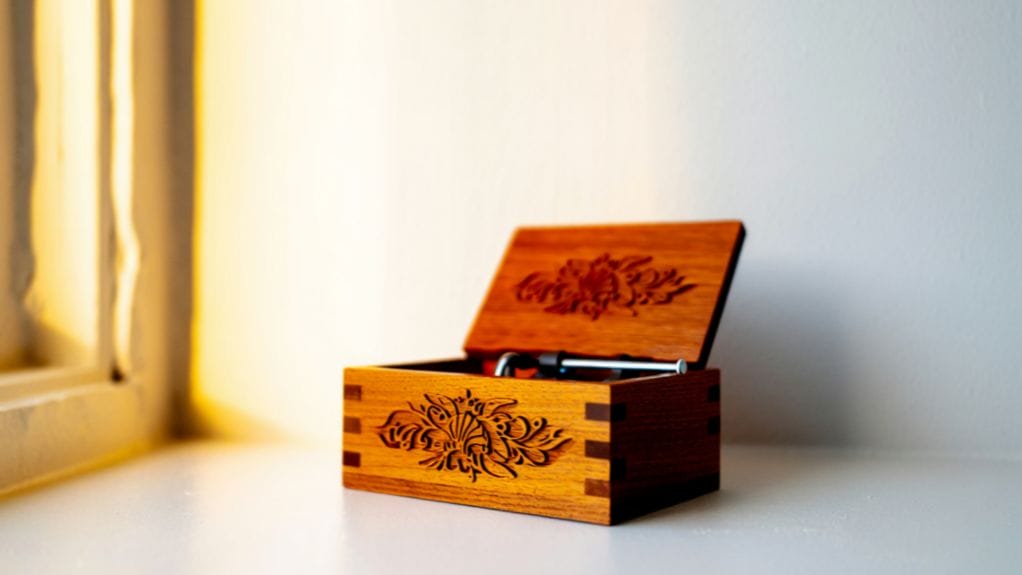
Branding turns a simple bowl into a long-term marketing tool. Many B2B buyers look for custom logo engraving, special finishes, and custom packaging. Qlychee Crafts focuses on these services, so you can build private-label lines, corporate gifts, or co-branded restaurant tableware that supports your wider brand plan.
A common hospitality saying is, “Every item on the table carries your logo, or it carries someone else’s.” Custom wooden bowls make sure it is your brand guests remember.
Sourcing Reliability
Beyond product details, you need a partner who delivers on time and at the quality you promised to your own customers. Qlychee Crafts offers consistent manufacturing, standard lead times of about twenty to thirty days, sample runs in roughly a week, and flexible minimum orders. That mix keeps your cash flow and inventory plans steady, whether you run an online shop or supply several restaurant groups.
Conclusion
When you look at safety, durability, comfort, and style together, it becomes clear that wooden bowls are better than many plastic or basic ceramic options. They give your customers warmer presentation, quieter meals, and the peace of mind that comes with natural materials and food-safe finishes.
Yes, they need a bit of care, from hand-washing to simple oiling, but those small steps reward buyers with years of reliable use. For you, that means fewer breakage claims, stronger product stories, and a better fit with eco-aware shoppers.
Qlychee Crafts brings all of this together with sustainably sourced hardwoods, careful finishing, and deep experience in wholesale and customization. If you want to add the best wooden mixing bowls, wooden salad bowl set options, or branded wooden kitchenware to your line, Qlychee Crafts is ready to support you with samples, custom designs, and flexible order sizes.
FAQs
Are wooden bowls sanitary for everyday use?
Yes, wooden bowls are sanitary when they come from safe hardwoods and are washed properly. Research from Dr. Dean Cliver showed that wood surfaces often hold fewer live bacteria than plastic, because microbes sink into the fibers and die off. Hand-washing, full drying, and periodic oiling keep hygiene high for daily meals.
How often should you oil a wooden bowl?
Most bowls do well with oiling every one to three months. You can tell it is time when the surface looks dull or feels dry. Use food-grade mineral oil or a beeswax and oil blend, such as the wood wax oil, and always wipe away any extra after soaking.
Can wooden bowls be used for hot food?
Wood is excellent for hot food because it insulates well and keeps dishes warm while staying comfortable to hold. Jujube wood bowls are especially good here, since that wood handles heat very well. The only limit is that wooden bowls should not go in the microwave; reheat food in a safe dish, then serve it in wood.
What is the best wood for kitchen bowls?
The best wood for kitchen bowls includes dense, food-safe hardwoods such as teak, acacia, maple, cherry, and jujube wood. These woods resist scratches, handle moisture well, and age beautifully with regular care. Avoid softwoods and any timber known to be toxic, and choose suppliers like us that use high-quality, responsibly harvested hardwoods.