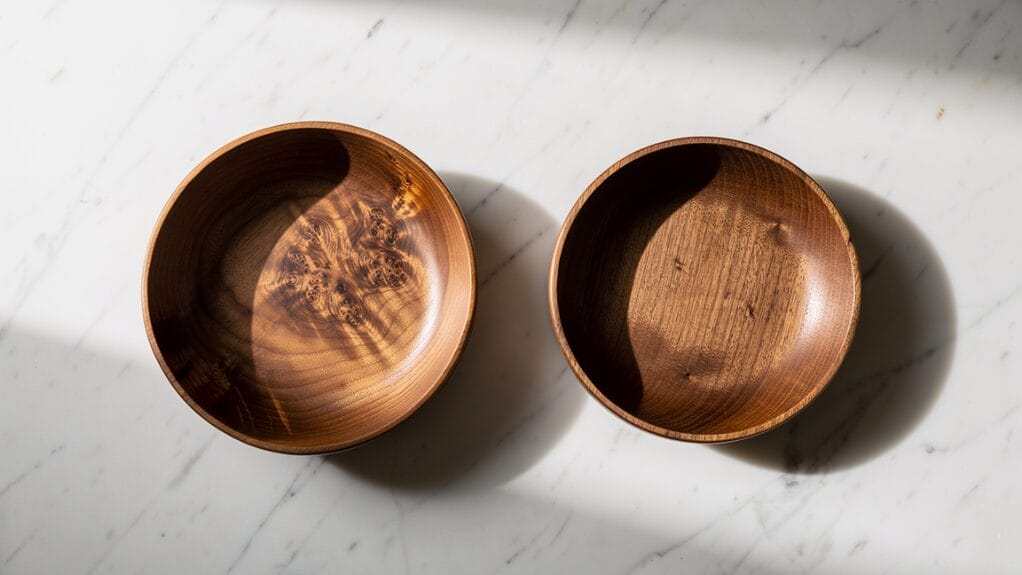
Why do two wooden bowls that look almost the same sell for completely different prices? Why do some orders turn into standout wins while others barely break even?
Pricing wooden bowls is confusing when numbers range from single digits to five figures. Without a clear frame of reference, it is easy to underprice inventory or overpay for stock that never moves.
So how much are wooden bowls worth in real commercial terms? In broad strokes, wooden bowl prices run from under ten dollars for simple pieces to over fifty thousand for rare studio art. This guide explains the full price spectrum, what drives wooden bowl value, how to price and source confidently, and where a partner like Qlychee Crafts fits into your strategy.
Ready to turn wooden bowl pricing from a guess into a plan you can trust? Keep reading.
Key Takeaways
- Wooden bowl prices stretch from under ten dollars into the tens of thousands. This spread reflects different buyers, purposes, and quality levels. Knowing where your inventory sits on this range protects your margins.
- Wood species, craftsmanship, and size drive value more than almost anything else. Burl, walnut, and cherry bowls with careful finishing usually sit at the higher end. Small pine bowls made in bulk sit at the lower end.
- Antique patina, visible wear, and clear maker marks often raise value instead of lowering it. Signs like an out-of-round shape or old repairs show real age. Collectors pay extra for this kind of honesty.
- The best sourcing strategy depends on your market tier. Farmhouse decor sellers focus on affordable reproductions, while interior designers and art buyers chase signed studio work. Matching your tier keeps buying focused.
- Strong finishing, food-safe coatings, and thoughtful customization increase resale prices. Custom engraving and consistent quality from reliable suppliers help B2B buyers charge more with confidence.
How Much Are Wooden Bowls Worth? Understanding the Price Spectrum
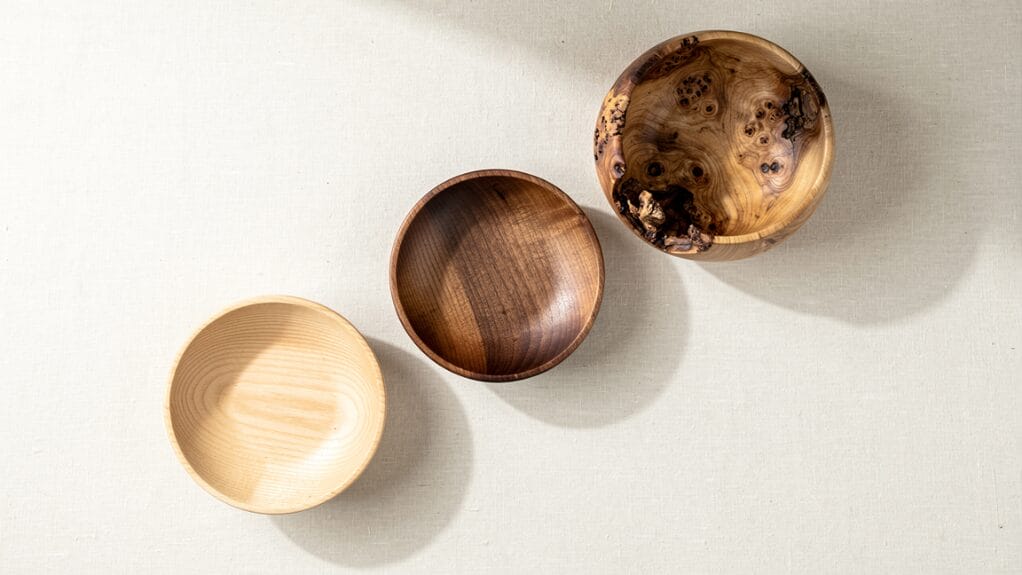
Wooden bowls worth across the market fall into clear tiers that run from budget decor to museum-grade art pieces. To answer how much wooden bowls are worth, you have to match bowls to the right tier instead of searching for a single number.
Entry-level bowls often sell for less than a casual restaurant bill, while rare signed pieces can rival fine paintings. On premium design platforms like 1stDibs, high-end turned wood bowls regularly list in the low thousands of dollars. At the same time, basic salad bowls on Amazon commonly sit in the fifteen to thirty-dollar range.
For wholesalers, retailers, and hospitality buyers, this range is not just trivia. It defines which inventory strategy makes sense for your shelves, your guests, or your clients. Let us break the spectrum into four workable tiers.
Price Tier Breakdown
Price tiers for wooden bowls follow a pattern that shows up again and again across platforms like eBay, Etsy, and specialty auction houses. Each tier has typical woods, finishes, and buyers. Understanding these patterns gives you a simple price guide to sanity check any offer.
Here is how the tiers usually look:
| Price Range | Product Type | Typical Buyer | Key Value Driver |
|---|---|---|---|
| Under $5–$35 | Small mass-made bowls, simple farmhouse trays | Drop shippers, craft stores, DIY kits | Volume, trend styling, low unit cost |
| $35–$500 | Vintage mid-century, real primitive dough bowls, branded pieces like Munising | Boutique shops, decor retailers | Authentic age, patina, recognizable names |
| $500–$5,000 | Fine studio pieces, exotic hardwood, signed work | Interior designers, corporate gifts, collectors | Artisan skill, rare wood, artist name |
| $5,000–$57,000+ | Museum-grade masterworks, huge burl vessels | Serious collectors, luxury projects | Provenance, scale, exhibition-level craft |
According to observed listings on Etsy, many handmade single-artist bowls fall in the fifty to three hundred dollar middle band, right between simple decor and high art.
Market Segment Relevance
Different business models live in different tiers of this spectrum:
- Drop shippers and e-commerce sellers chasing the farmhouse trend mostly play in the first tier, with some crossover into the entry end of the second tier. Their profit comes from styling, keywords, and volume more than from rare materials.
- Boutique retail stores, antique malls, and curated online shops usually trade in the thirty-five to five hundred dollar space. Here, vintage Munising bowls, mid-century teak salad sets, and honest primitive dough bowls are the bread and butter. Condition, story, and display matter as much as price.
- Luxury interior designers, corporate gift buyers, and serious collectors step into the upper tiers when a project or client calls for a true statement piece. Signed work by names like Bob Stocksdale or Edward Moulthrop can anchor a room or a boardroom gift program.
Wehelp bridge these tiers for many clients by delivering consistent, customizable mid-tier bowls that present like higher-end pieces at scale.
What Factors Determine the Value of a Wooden Bowl?
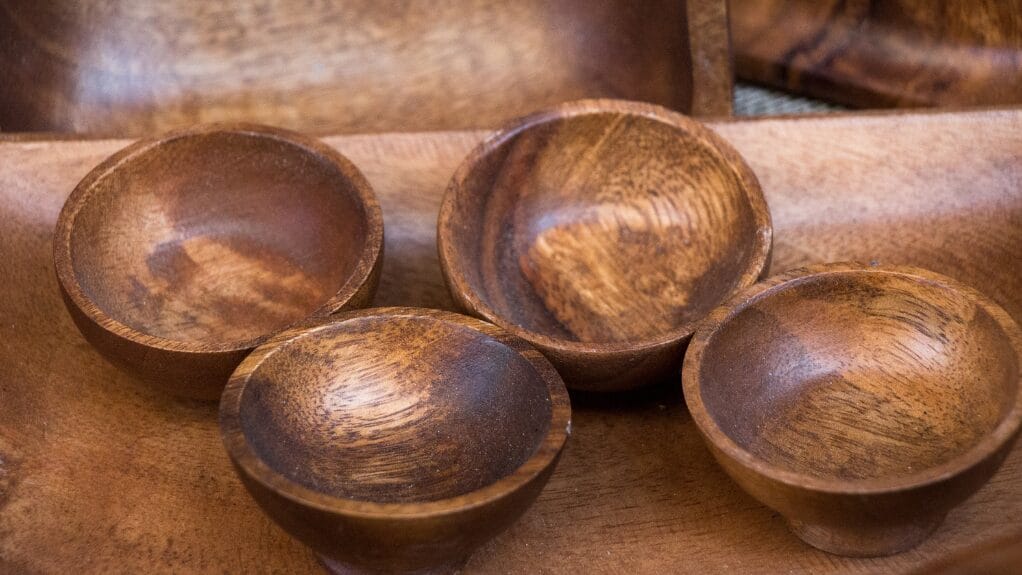
The value of a wooden bowl comes from a mix of physical traits, history, and market proof, not just looks alone. To judge how much wooden bowls are worth in any tier, you need to read the wood, the tool marks, and the story at the same time.
Size, wood species, and how the bowl was made form the core of this reading. Age, patina, and signatures then either raise or lower the number. According to pricing guides from Antique Trader, early treenware with a strong patina often sells at a premium compared with newer, cleaner pieces.
Here is how to break that down.
Intrinsic Physical Factors
Intrinsic physical factors are the easiest place to start, because you can see them from across the room:
- Size: Bigger bowls almost always cost more, especially if they are one solid piece. A forty-inch dough trencher or huge chopping basin needed a large, clean log and many hours of work, so sellers charge more.
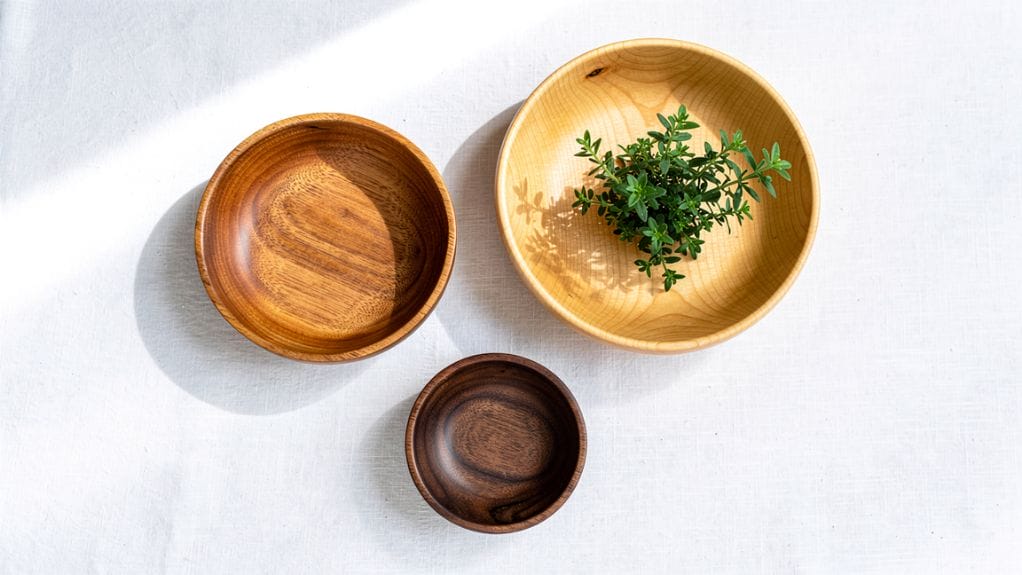
- Wood species: Burl wood, walnut, cherry, and spalted hardwoods sit at the top of the value list. A ten-inch Native American burl bowl can command close to three hundred dollars, while a similar size bowl in soft pine might sell for under thirty. Spalted pecan or maple, with its dark ink-like lines, also tends to attract collectors and designers.
- Production method: Hand-hewn bowls with visible adze or gouge marks feel raw and honest. Lathe-turned bowls with crisp beehive rings show careful shop work. Machine-made pieces, by contrast, look very even and lack those tiny irregularities.
Buyers pay the highest prices when rare wood, large size, and skilled hand or studio turning all appear in the same piece.
Historical and Provenance Factors
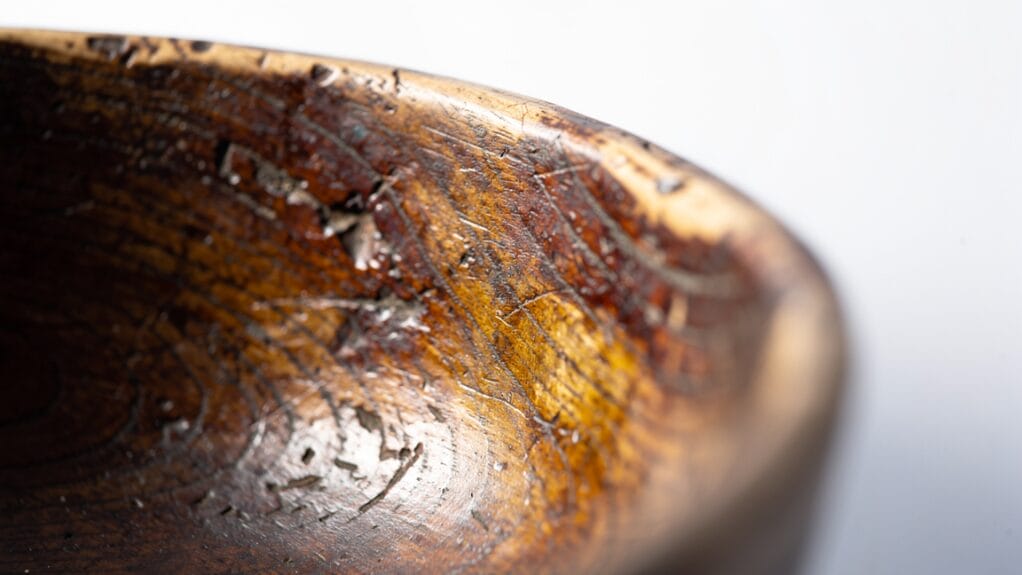
Historical and provenance factors can quietly turn an ordinary-looking wooden bowl into a serious asset.
- Age: True eighteenth or nineteenth century American Folk Art pieces often show soft rims, knife scars, and a dry, mellow surface that new bowls cannot copy.
- Shape movement: Out-of-round shape is another key hint. Over a century or more, wood moves and settles. When a bowl that started perfectly round now looks slightly oval, that movement argues for real age rather than quick distressing. Collectors and appraisers watch for this sign when judging antique wooden bowl worth.
- Patina and paint: Original milk paint in old red, blue, or black, with worn spots at natural touch points, can lift prices far higher than an unpainted surface. Make-do metal repairs with staples or bands usually add interest instead of cutting value.
- Maker marks: Maker marks and stamps act as final proof. Names like Munising , Dansk , or a signed Bob Stocksdale base can turn a nice object into a recorded collectible that justifies a stronger asking price on markets like LiveAuctioneers.
When you combine age, patina, and a known maker, the wooden bowl value can jump far beyond what the shape alone would suggest.
Which Wood Types and Styles Carry the Highest Resale Value?
Wood types and design styles work together to shape wooden bowl value on the resale market, a trend reflected in broader Wood Product Manufacturing in the US, where hardwood goods continue to command premium pricing. When buyers ask how much wooden bowls are worth over time, the answer often comes back to whether the material and look stay desirable across trends.
Some woods age like fine wine in both color and price. Certain styles also move quickly whenever they hit the market. Research from Woodcraft notes that hardwoods such as walnut and cherry remain top choices for turners because customers pay more for them.
Here is how the key woods and styles stack up.
High-Value Wood Species Ranked
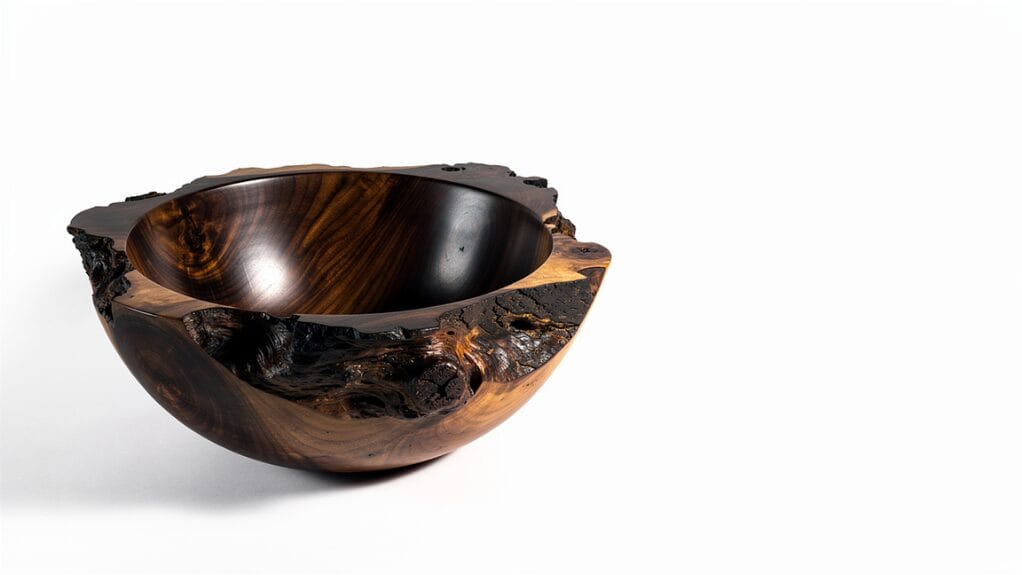
Among wood species for bowls, several categories stand out:
- Burl wood (top tier): Burl from birch, walnut, cherry, and redwood sits at the very top. Burl bowls show swirling, unpredictable grain that no stain can copy. They are harder to turn without cracking, so successful pieces from burl stock often bring strong prices from collectors and interior designers.
- Domestic hardwoods (steady performers): Black walnut, cherry, and hard maple form a reliable backbone for both antique and new bowls. They take a smooth finish and deepen in color with age. A fifteen-inch cherry salad bowl with a good oil finish can sit comfortably in the mid-price tier and still feel like a premium item in a retail setting.
- Spalted and wormy woods (niche favorites): Spalted pecan or maple, with dark, ink-like lines, creates natural patterns that feel almost hand-drawn. Wormy chestnut or oak, with small old insect marks, reads as authentic and rustic.
- Exotic hardwoods (collector grade): Woods such as wenge, zebrawood, teak, and vintage Brazilian rosewood add another layer of appeal. Because trade rules limit new rosewood harvest, older rosewood bowls often behave like small investment pieces for collectors.
Style and Era Value Guide
Style and era tell you where and how fast a bowl will sell:
- Primitive Americana and farmhouse: Long trenchers, deep dough bowls, and rough hand-hewn forms fit into farmhouse and rustic decor themes. These move in high volume at mid-range prices and work well for decor retailers.
- Munising woodenware: Munising bowls from the early to mid-1900s form a focused collectible field. Their stamped maple bowls often trade in the forty-five to one hundred fifty dollar band, especially with good color and clear stamps. Boutique stores like them because they stack and display well.
- Mid-Century Modern teak and Scandinavian: Sleek Dansk salad sets, stacked laminate bowls by Finnish makers, and Japanese modernist pieces by designers like Shigemichi Aomine match clean, contemporary interiors. On design platforms such as 1stDibs, Mid-Century teak bowls with known designers often draw higher prices than anonymous rustic pieces.
- Studio art woodturning: At the highest style tier sit studio art bowls by master woodturners. Signed work from Bob Stocksdale, Edward Moulthrop, Ray Key, or Rude Osolnik can leap into the low thousands. These bowls are treated as sculpture, which is why luxury clients and certain corporate gift programs will pay far above standard artisan wooden bowl prices for them.
How to Price, Source, and Sell Wooden Bowls as a Business
Pricing, sourcing, and selling wooden bowls as a business means mixing art sense with data and process — a dynamic supported by Wood and Timber Products market forecasts projecting continued growth in wood goods demand through 2033. To know how much wooden bowls are worth in your inventory, you need a repeatable way to examine each piece and a clear plan for where to buy and where to sell.
Good systems protect wholesalers, retailers, hospitality teams, and corporate buyers from guesswork. According to small business surveys shared by Shopify, product sourcing and pricing sit among the most common pain points for merchants. A clear checklist, plus reliable partners like Qlychee Crafts, reduces that pressure.
Pricing and Appraisal Best Practices
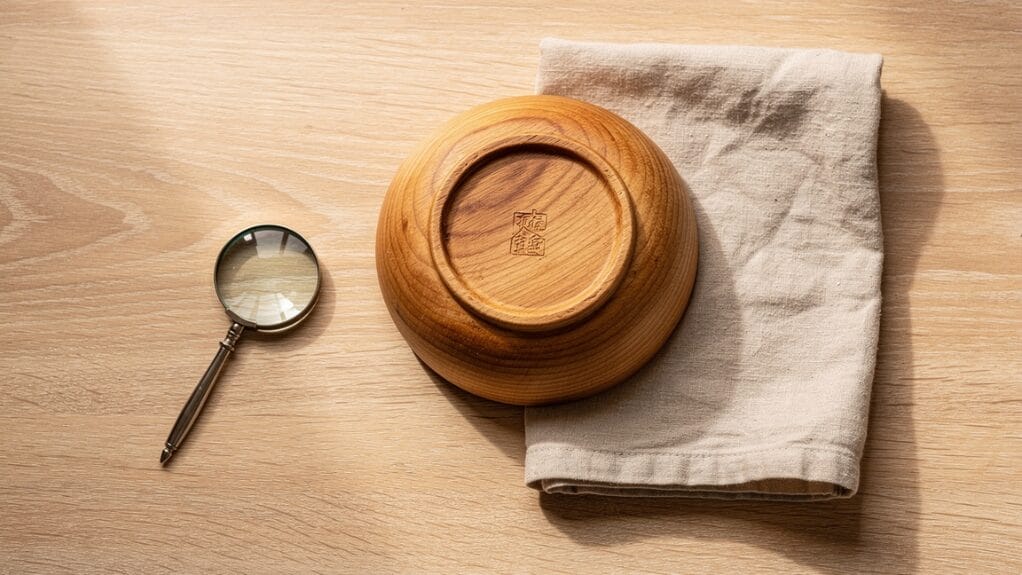
Accurate wooden bowl pricing starts before you buy, not after the bowl reaches your warehouse. Train yourself or your team to scan each bowl from bottom to rim with the same simple routine every time. Look at shape, tools, wood, and wear.
Take your time with the underside. This is where you will find maker marks, stamps, and the clues to whether a bowl was hand-turned or milled. Then step back and judge the overall form and wall thickness. Heavier, thicker walls often show up in older utility bowls, while modern studio bowls can be very thin and refined.
Here is a quick seller’s appraisal checklist you can use:
- Check size, shape, and roundness: Note if the bowl has warped into an oval, which often signals age rather than damage. Measure length and width so you can compare to similar sold pieces later.
- Identify wood species and grain: Examine the wood in good light. Look for burl, cherry, walnut, or spalted lines that might raise value. Avoid guessing when unsure and compare with online wood guides before listing.
- Search for tool marks, stamps, and signatures: Adze divots, concentric turning grooves, or a brand like Munising all help you describe the bowl correctly. Photograph these marks clearly for your online listings or appraisal files.
- Evaluate patina, finish, and repairs: Old milk paint, worn rims, and make-do iron staples often add story and price rather than subtracting from it. Never sand or strip antique surfaces before you research, because that can cut value dramatically.
Finally, check sold listings on platforms such as eBay or Etsy rather than only current asking prices. Closed sales show what buyers actually paid, which is the best guide for your own pricing.
Wholesale Sourcing and Qlychee Crafts as a Supply Partner
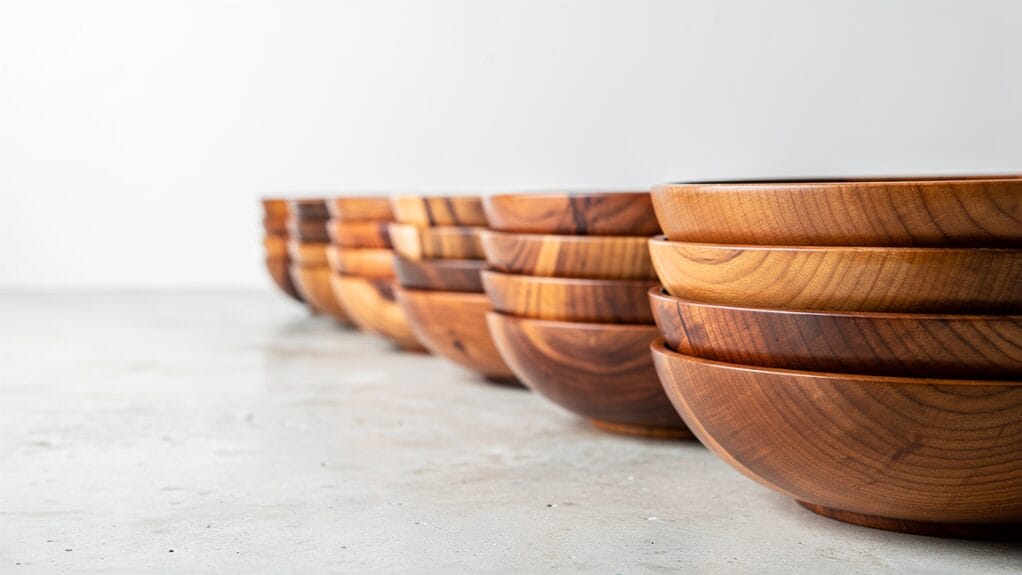
Once you know how to judge value, the next step is securing steady supply. Wholesale buyers, drop shippers, and hospitality managers usually cannot rely on one-off antique finds. They need consistent quantities and predictable quality that still feel special to the end customer.
That is where a dedicated producer fits into the picture. Qlychee Crafts focuses on handcrafted wooden salad bowls, dough bowls, fruit and bread bowls, snack pieces, and heat-resistant jujube bowls, made from sustainable hardwoods such as maple, cherry, and walnut. For many B2B clients, this hits the sweet spot between artisan feel and scalable supply.
Key advantages for business buyers include:
- Wholesale-friendly structure: A minimum order quantity of one hundred units and wholesale pricing make it practical for retailers and restaurant groups to roll out coordinated lines.
- Customization options: Qlychee Crafts offers custom sizes, engraving, brand marks, and a choice of finishes, so you can build a full private-label collection without running your own workshop.
- Fulfillment support: For e-commerce entrepreneurs and drop shippers, Qlychee Crafts provides direct shipping options. You can focus on product photography, SEO, and customer service while your supplier handles production and protective packaging.
- Food-safe, eco-conscious finishes: Food-safe, eco-friendly coatings help hospitality and corporate buyers feel confident that their bowls are both safe to serve from and aligned with growing customer interest in sustainable materials.
Well-made hardwood bowls that hold up over years of service fit this idea perfectly, which is one reason they perform so well in retail, hospitality, and gifting programs. cnc techniques for creating trays offer a versatile solution for enhancing the presentation of various products. By utilizing precision cutting and engraving, businesses can elevate their offerings and create a memorable experience for customers. This innovative approach not only improves aesthetics but also ensures durability and functionality in any setting.
Finally: Making Smarter Wooden Bowl Buying and Selling Decisions
Smart buying and selling decisions for wooden bowls rest on three foundations: knowing your price tier, reading value factors, and working with the right suppliers. When those pieces line up, questions about how much wooden bowls are worth become much easier to answer.
Material, age, craftsmanship, and provenance work together to set the real number, whether that is fifteen dollars or five thousand. Your own target customer decides which slice of that spectrum you should stock and what kind of stories to tell in your listings or showrooms.
For B2B buyers who want dependable supply without losing character, Qlychee Crafts offers a practical path forward. With solid hardwoods, careful finishing, and flexible customization, you can build assortments that feel curated, price them confidently, and grow margins while still giving end customers genuine value.
If you want to correctly position and price your products online, using smart AI tools can streamline your market research. Check out DokeyAI to supercharge your content and growth strategy today.
Frequently Asked Questions
Question: What is the average price of a handmade wooden bowl?
Handmade wooden bowls usually range from about fifty to three hundred dollars. Simple artisan salad bowls in cherry or walnut often sit near the lower end. Complex forms, burl wood, or signed studio work can rise into the hundreds or even the low thousands.
Question: How do I know if my antique wooden bowl is valuable?
An antique wooden bowl is more likely valuable if it shows real age and history. Signs include out-of-round shape, original milk paint, visible adze or gouge marks, and clear maker stamps. Old metal staple repairs often increase value because they prove long use and care.
Question: Are burl wood bowls worth more than regular wooden bowls?
Yes, burl wood bowls usually bring higher prices than regular hardwood bowls. Burl is rare, hard to work, and has dramatic swirling grain collectors love. This mix of scarcity, difficulty, and visual impact pushes burl pieces into premium price tiers across many markets.
Question: Where can I sell wooden bowls for the best price?
Antique and studio bowls usually sell best through premium secondary markets and specialty auction houses. Mid-tier farmhouse and reproduction pieces fit well on e-commerce platforms and in boutique shops. In every case, strong descriptions, clear photos of marks, and honest condition notes help you reach top prices.
Question: What makes a hand-carved wooden bowl more valuable than a machine-made one?
Hand-carved bowls often show clear tool marks and slight irregularities that prove real human work. Collectors see these details as signs of time and skill, not flaws. Machine-made bowls lack this evidence of craft, so they normally sit in lower price tiers even with similar shapes.
Question: Can wooden bowls be a good product for wholesale or retail businesses?
Wooden bowls are a strong product category for many wholesale and retail models. Demand spans farmhouse decor, restaurant service, corporate gifting, and interior styling. By sourcing in bulk with customization options from reliable partners, businesses can serve several segments at once while riding the trend toward natural, sustainable materials. The advantages of wooden bowls for food extend beyond aesthetics; they also offer health benefits, as wood is naturally antimicrobial. Additionally, these bowls are often more durable than their ceramic or plastic counterparts, providing longevity in both home and commercial settings. As consumers increasingly seek to reduce their environmental footprint, wooden bowls align perfectly with their values, making them a desirable choice for sustainable dining experiences.