How many times have you watched a beautiful loaf go from perfect to sad and stale in less than two days? If bread is part of your menu or product line, that is more than a small annoyance. It is lost profit and a hit to how people see your brand. No wonder the question are wooden bread boxes good keeps coming up for serious buyers.
Most people still lean on two habits when they store bread:
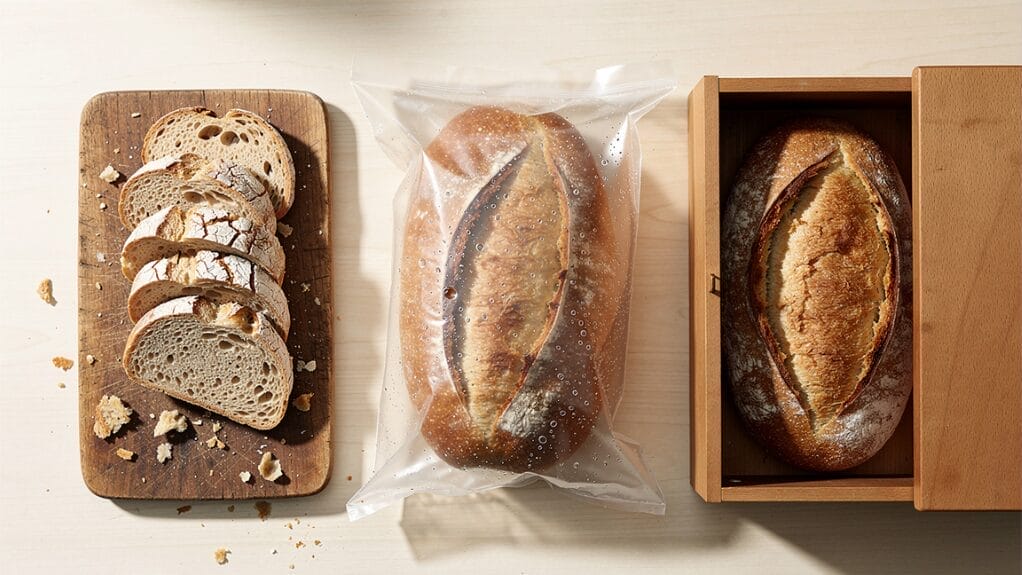
- They leave a loaf of bread open on the counter.
- They trap it in a tight plastic bag.
Open air pulls out moisture, so the crumb dries and the crust turns rock hard. A sealed plastic bag locks in steam, so the crust goes rubbery and the loaf becomes a perfect home for mold. Some even move bread into the fridge, thinking cold air will keep bread fresh longer, when it actually speeds up staling.
This guide explains why bread boxes work in the first place and how material and design change performance. You will see a clear bread box comparison between wood, metal, and plastic, backed by freshness science, not guesswork.
Drawing on Qlychee Crafts’ wood manufacturing process with wholesale wooden bread storage, you will also see what matters in real kitchens, showrooms, and online stores. By the end, you will know when wooden bread boxes make sense for your business and how the right choice can raise product presentation and reduce waste.
Key Takeaways
- Wooden bread boxes use natural porosity and smart ventilation to balance humidity and airflow. Bread stays moist inside without turning soggy on the outside. This balance helps keep the bread fresh longer than paper bags or plastic alone. It also supports better flavor and texture for artisan loaves.
- Compared with thin metal and plastic boxes, wood resists dents and looks far more refined on a countertop. A steel bread box can store bread well, but often shows scratches and fingerprints. Plastic bread bins work, yet they rarely match higher-end decor. Wood supports premium pricing and a warmer feel for guests.
- Design details often matter more than material when you store bread at scale. Front-opening doors, well-placed vents, and clear windows make bread storage easier in busy spaces. Qlychee Crafts combines these features with custom branding and sizing so wooden bread boxes fit both your bread and your business goals.
Are Wooden Bread Boxes Good: The Science Behind the Storage
To understand if wooden bread boxes are good for business, it helps to look at how any bread box works. Bread needs a “just right” zone of moisture. Too dry, and it goes stale fast. Too humid, and mold grows long before you finish the loaf.
When bread sits fully exposed on a countertop or in a simple paper bag, air moves freely around every slice. Modern bread packaging techniques and preservation methods have evolved to address this challenge, but traditional bread boxes remain effective through natural humidity control. Moisture inside the crumb escapes into the room. Within 24 to 48 hours, even a high-quality sourdough or artisan loaf turns firm and chalky. The crust that once crackled under a knife now shatters like glass.
On the other hand, a tight plastic bag or hard plastic container creates the opposite problem. Steam from warm or even room temperature bread has nowhere to go. Water condenses on the inside; the crust loses any crunch, and the surface becomes a friendly place for mold growth. Storing bread in the fridge may seem safer, yet cold speeds a chemical change known as starch retrogradation, which makes bread taste stale even while it feels soft.
A well-designed bread box offers a smarter bread storage option. Research shows that breadboxes really helped keep bread fresh through controlled air circulation and moisture balance, a principle that remains relevant in modern commercial settings. It creates a semi-enclosed space on the countertop that traps enough moisture to keep the crumb soft. At the same time, it allows gentle airflow through small vents, seams, or the material itself. This light ventilation lets extra humidity escape, so the crust stays pleasant and mold does not appear too quickly.
“Bread likes cool room temperatures, some humidity, and just a little air movement — not the chill of a fridge or the seal of a plastic bag.” – Common guideline shared in professional baking courses
Tests on different bread storage methods show that a good bread box made of any well-ventilated material can keep many loaves fresh for three to four days. Crust stays closer to bakery texture, and the interior stays tender. For most fresh bread, that is far better than exposed storage, a plastic bag, or bread in the fridge.
How Wooden Bread Boxes Compare to Other Storage Options

Once you see how a bread box preserves bread, the next step is to look at the best bread box material for your use. Many buyers ask not only if wooden bread boxes are good but also how they stack up against everyday alternatives. The sections below compare real-life performance across storage methods that matter in commercial and retail settings.
Wooden Box vs. Plastic Containers
Plastic bread bins work for basic storage, yet they rarely match the look or function of wood. Most plastic containers create a tight seal that traps moisture against the crust. Within a day or two, you get condensation droplets on the lid and a soggy, limp surface on your loaf. Thin plastic also scratches easily and can pick up odors from other foods nearby.
Wooden bread boxes breathe through natural grain porosity. That gentle air exchange keeps humidity balanced without turning bread rubbery. Wood also resists dents and holds up better under daily use in busy spaces. For retail displays or premium product lines, a wooden bread box supports higher pricing and a warmer brand feel that plastic simply cannot deliver.
Wooden Box vs. Metal Tins
Stainless steel bread boxes look clean and modern, and many perform well when designed with proper vents. Metal holds its shape and wipes down easily after spills. The challenge comes with thinner steel or coated finishes. They dent under pressure, show fingerprints quickly, and can feel cold or industrial on a countertop.
Wood offers a softer aesthetic that fits farmhouse, artisan, and upscale kitchen styles. It absorbs minor impacts without visible damage and ages into a refined patina instead of looking worn. When you compare wooden bread boxes to metal tins for showroom or hospitality use, wood consistently wins on warmth and premium appeal. Metal works for function; wood adds story and style.
Wooden Box vs. Paper Bags and Cloth Bags
Paper bags and linen bread bags are popular for their simplicity and low cost. A paper bag allows some airflow, which keeps the crust decent for about one day. After that, the bread dries out fast because paper does nothing to hold moisture near the loaf. Cloth bags perform slightly better by trapping a bit more humidity, but they still let too much air in for most bread types.
A wooden bread box creates a controlled microclimate that paper and cloth cannot match. It holds enough moisture to keep the crumb soft while venting excess steam so mold stays away longer. For businesses that handle artisan loaves or premium baked goods, a bread box extends shelf life and protects product quality far better than any bag alone.
Wooden Box vs. Refrigeration and Freezing
Many people assume cold storage keeps bread fresh. The truth is more complicated. Refrigeration speeds starch retrogradation, the chemical process that makes bread taste stale even when it feels soft. Bread in the fridge often turns dry and flavorless within two days. Freezing works for long-term storage, but it requires thawing and reheating, which adds extra steps and can change the texture.
Storing bread in a wooden bread box at room temperature gives you the best of both worlds: extended freshness without flavor loss or extra prep. For businesses that serve bread daily or sell loaves to guests, a bread box on the counter keeps the product ready to enjoy with no wait and no compromise on taste. It also looks far more inviting than a plastic-wrapped loaf pulled from a freezer.
Essential Design Features: What Makes a Bread Box Effective
Material is important, but design usually decides whether a bread box actually keeps bread fresher. When you weigh whether your wooden bread boxes are good for your business, you also need to see how size, openings, vents, and visibility shape daily use. A well-planned wooden bread box can outperform a poor metal or plastic one in real kitchens.
“How you store bread is as much a part of quality as how you bake it.” – Common belief among bakery owners
Size and Capacity Planning
The best bread box for you matches your typical bread volume, not your biggest baking day of the year. A large bread box that holds many loaves is helpful for hotel buffets, but it wastes counter space if you only store one standard loaf.
Think about the mix of baguettes, boules, and sandwich loaves you sell or serve each day. Qlychee Crafts can adjust internal dimensions so your bread fits without dead space.
Lid and Opening Mechanisms
How you reach the bread affects speed and safety in busy service.
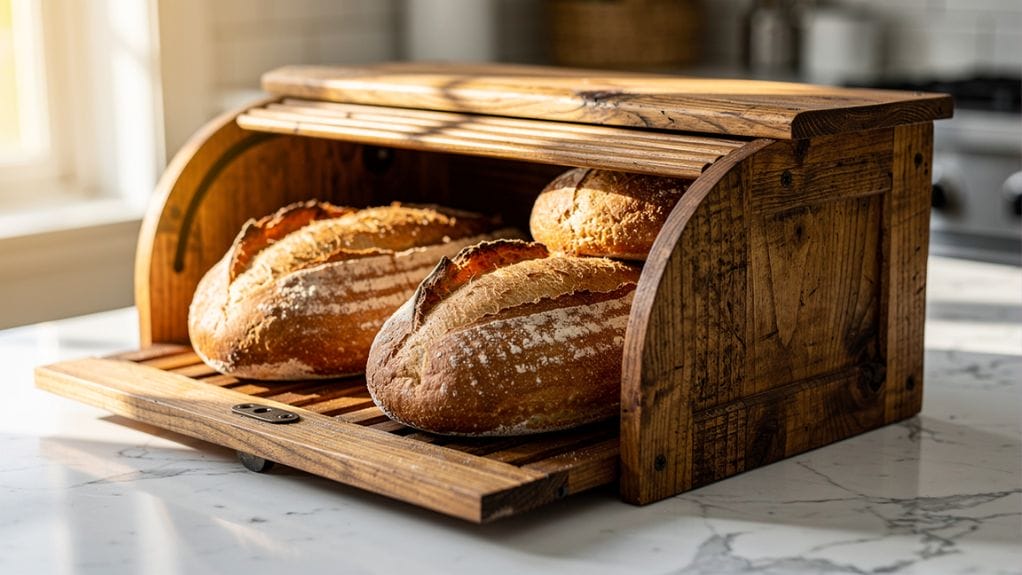
- Front-opening doors with roll-top or pull-down motion let you open the box even when display items sit on top.
- Top-opening lids need clear space above, which is hard under wall cabinets or on crowded buffet lines.
- Some lift-off wooden lids can double as a cutting board, which saves you a step when slicing bread for guests.
Ventilation Architecture
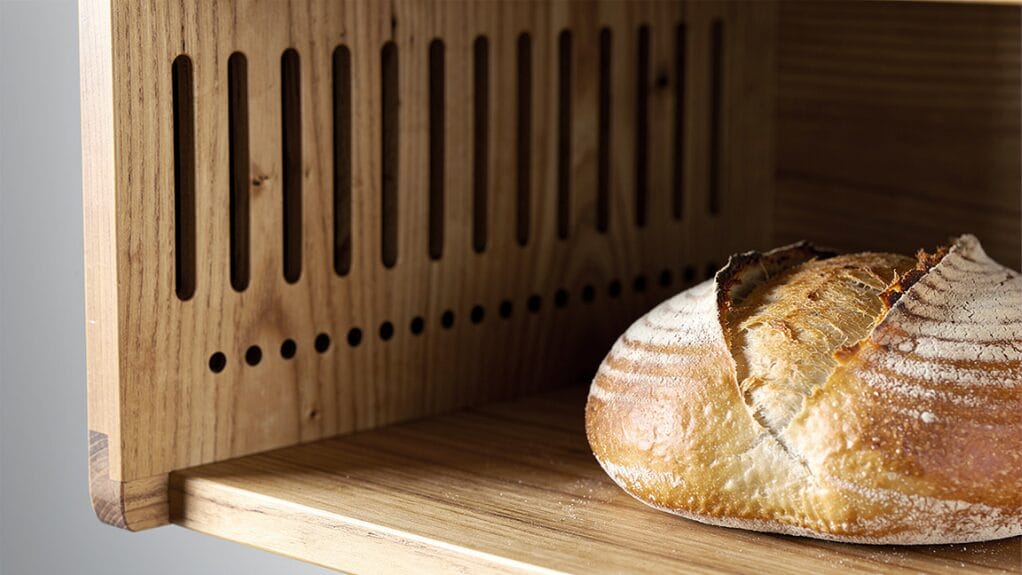
Good ventilation is a key part of any bread storage design. Small vents, narrow seam gaps, and the natural breathability of wood all work together to let extra moisture leave the box. This gentle airflow helps prevent mold while still keeping the crumb from drying too fast.
Qlychee Crafts designs pay close attention to these details so your bread box keeps bread moist without condensation.
Visibility and Accessibility
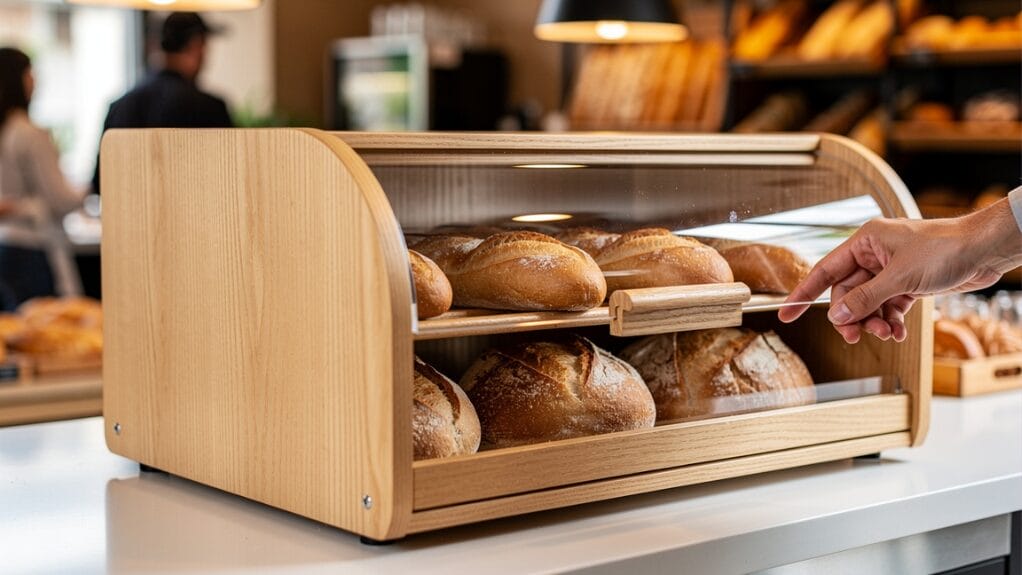
When bread sits out of sight, it is easy for staff to forget what is inside until loaves go stale. A wooden bread box with a clear acrylic or plexiglass window lets you see supply levels and spot mold before it spreads.
In retail and hospitality settings, that same window helps guests see fresh bread inside, which can boost impulse buys and improve how your baked goods look on the counter.
How to Use and Maintain a Wooden Bread Box
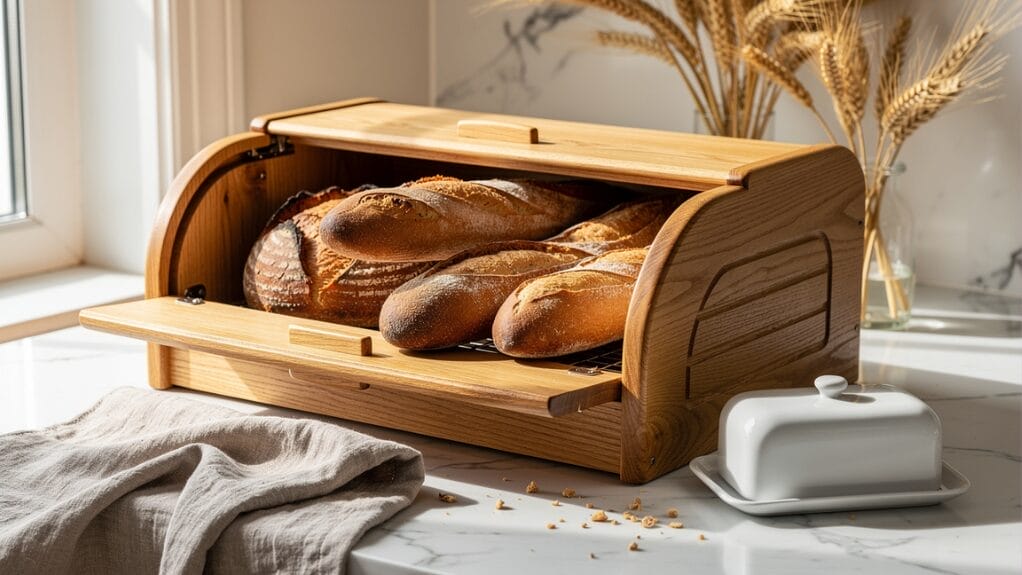
Choosing the right wooden bread box is only half the story. How you use and care for it determines whether your investment delivers years of reliable service or disappoints within months. Proper maintenance keeps wood looking clean, prevents odors, and protects the natural properties that make wooden storage so effective.
Daily Use Best Practices
Always let fresh bread cool completely before placing it in a wooden bread box. Warm loaves release excess steam that can overwhelm even good ventilation and create condensation inside.
Store bread unwrapped or in a breathable cloth bag rather than plastic. This allows the wood’s natural airflow to work properly.
Check your bread box daily and remove any crumbs or debris that can attract pests or trap moisture. For commercial settings, rotate stock regularly so older loaves move out before freshness declines.
Cleaning and Care Routine
Wipe the interior with a dry or slightly damp cloth once a week to remove crumbs and dust. Avoid soaking wood or using harsh chemical cleaners that strip natural oils and damage the finish.
If you notice any sticky residue or mild odor, a gentle wipe with diluted vinegar works well, followed by thorough drying with a clean towel.
Never put a wooden bread box in the dishwasher or submerge it in water. For exterior care, occasional treatment with food-safe mineral oil or beeswax keeps the wood conditioned and helps resist minor scratches.
Troubleshooting Common Issues
If bread goes stale faster than expected, check that the vents are not blocked and the box sits in a cool, dry location away from direct sunlight or heat sources. Persistent mold issues usually signal poor ventilation or storing bread while still warm.
Adjust your process before blaming the box. Minor warping can occur in very humid climates. Maintaining consistent room conditions and proper ventilation typically prevents structural problems.
Qlychee Crafts wholesale wooden bread boxes come with care instructions tailored to commercial use, ensuring your storage solution performs reliably through high-volume daily cycles.
Conclusion
So, are wooden bread boxes good for serious bread storage in professional spaces? Based on freshness science and material comparison, the answer is yes when they are well designed. Wood combines natural humidity control, strong dent resistance, and warm visual appeal in a way few other materials match.
That said, design details still decide how well any bread box keeps bread fresh. Proper ventilation, the right size, and practical opening styles matter as much as wood, metal, or plastic. A wooden bread box does ask for light maintenance such as drying after cleaning and occasional mineral oil. In return, you gain a long service life, better-looking displays, and less bread going to waste.
For bakeries, cafes, hotels, retail shops, and e-commerce brands, wooden storage boxes offer a premium way to store bread and present it to customers. Qlychee Crafts supports this with wholesale wooden bread boxes that include custom branding, clear panels, and flexible order sizes. By partnering with a manufacturer that understands both the science of preservation and the business needs of presentation, you turn a simple bread bin into a quiet driver of profit and guest satisfaction.
FAQs
1. Are Wooden Bread Boxes Better than Metal or Plastic for Commercial Use?
Wooden bread boxes are usually the best fit for customer-facing areas. They resist dents better than thin metal, so they keep a clean look longer on your counter. Their natural grain pairs well with artisan bread and homemade bread styles. When you work with Qlychee Crafts, you can also add logos and finishes that standard metal or plastic boxes rarely offer.
2. How Do You Clean and Maintain a Wooden Bread Box?
You keep a wooden bread box fresh by emptying crumbs often and wiping inside and outside with a soft damp cloth. For sticky spots from pastries, a small drop of mild dish soap is enough. Dry the wood fully right away so it does not warp. Every few months:
- Apply a thin coat of food-safe mineral oil with a soft cloth.
- Let it soak in for a short time.
- Wipe away any excess so the surface does not feel greasy.
Never soak the box or place it in a dishwasher.
3. What Types of Bread Store Best in Wooden Bread Boxes?
Wooden bread boxes shine with whole artisan loaves, baguettes, boules, sourdough, and other breads with a firm crust. The balanced airflow keeps the crust pleasant while the crumb stays soft.
Pre-sliced sandwich bread can also sit inside, especially if you press the slices together or keep them in their plastic bag. Highly processed white loaves may still last slightly longer in sealed bags alone.
4. Can I Customize Wooden Bread Boxes for My Brand or Retail Store?
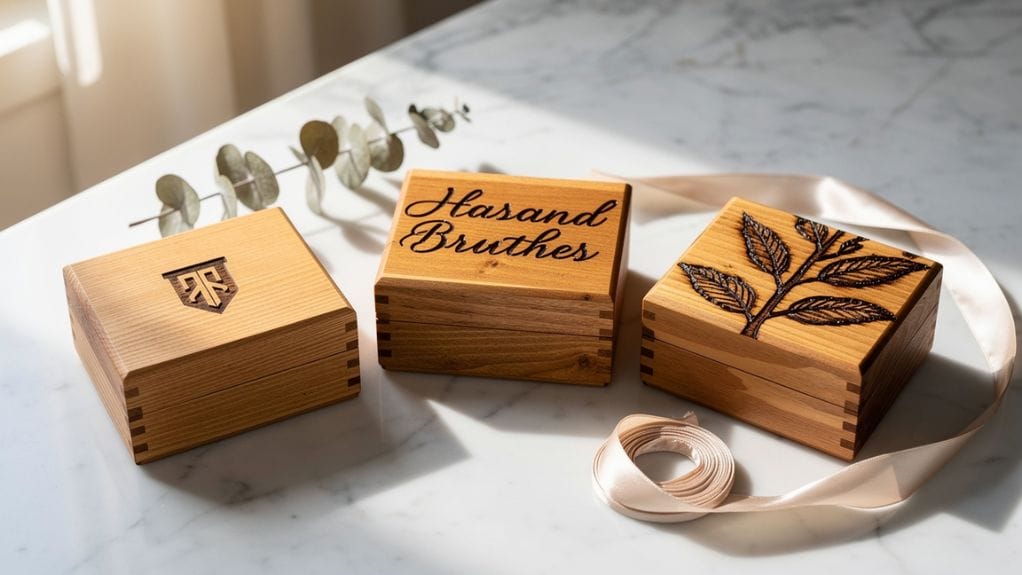
Yes, and this is where Qlychee Crafts stands out. The factory can adjust sizes, change finishes, and add your logo through laser engraving or printing. Clear window panels and special ventilation patterns are also available. Flexible minimum order quantities support both trial runs and full rollouts. That way, your wooden bread box works as storage, display, and branded product all at the same time.