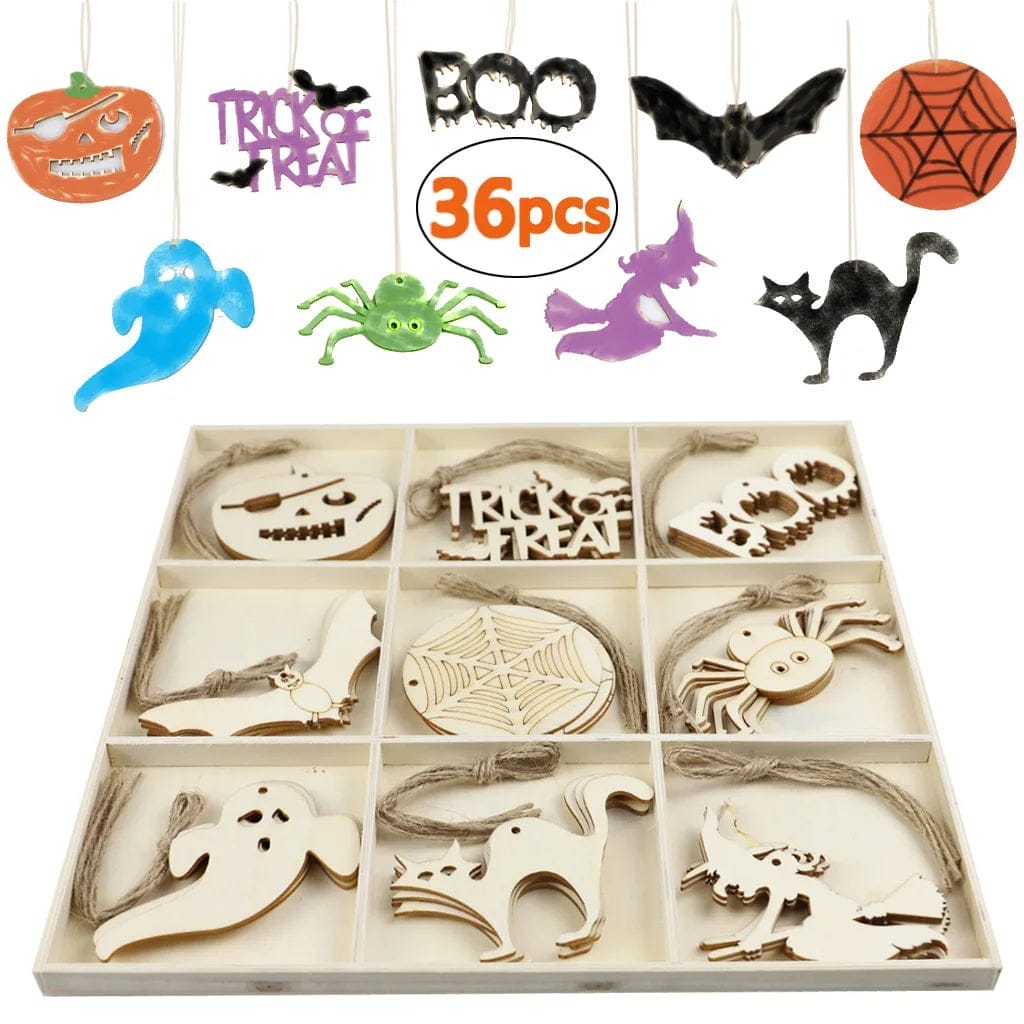
What is a wooden nickel? A wooden nickel is more than just a piece of wood. You can hold a physical wooden nickel in your hand, often used for promotions or as a souvenir. However, the phrase “wooden nickels” also refers to a common colloquial expression. This saying, “don’t accept any wooden nickels,” warns you about something worthless or deceptive. This simple item has both a tangible presence and a powerful figurative meaning.
Key Takeaways
- A wooden nickel is a small, round wooden token. It can be a souvenir or a promotional item.
- The phrase ‘don’t take any wooden nickels’ means to be careful. It warns you not to accept something worthless or fake.
- Historically, some towns used wooden nickels as emergency money. This happened during times when real money was scarce.
- Today, businesses use wooden nickels for marketing. They can have QR codes to link to online content.
- Collecting wooden nickels is a hobby. They connect you to history and local events.
Introduction to Wooden Nickels

What Is a Wooden Nickel?
You might ask, what is a wooden nickel? At its core, a wooden nickel is a small, round token crafted from wood. People often use it as a souvenir, a promotional item, or even a form of local currency. Think of it as a tangible piece of history you can hold. B
eyond its physical form, the term “wooden nickel” also carries a figurative meaning. It represents something worthless, fake, or deceptive. When someone tells you, “Don’t take any wooden nickels,” they are warning you to be cautious and avoid being fooled. This dual nature makes the wooden nickel a fascinating object, embodying both a physical token and a cultural idiom.
Historical Background and Origin
The history of the wooden nickel is quite rich. You find the earliest examples of these novelty coins appearing around the 1880s. Initially, they served as simple commemorative items, often distributed at fairs, festivals, or by various organizations. Their use expanded significantly, and they gained great popularity in the 1930s. During this time, the Great Depression caused widespread coin shortages across the United States. Some towns and banks even issued wooden nickels as a form of ‘legal-ish’ tender to address economic instability.
You can also trace their origins to the Civil War era, where they sometimes served as a substitute for currency due to severe coin shortages. For instance, the 1933 Chicago World’s Fair famously distributed wooden nickels as souvenirs. Businesses also quickly adopted the wooden nickel as a promotional tool. You could often redeem these tokens for goods, such as a free drink.
This demonstrates how a simple wooden token became a versatile item, serving as both a souvenir and a practical exchange medium, shaping its enduring legacy and the phrase “what is a wooden nickel.”
The Purpose and Use of Wooden Nickels

Early Uses in the United States
You might wonder about the first practical uses for these unique tokens. During times of economic hardship, especially the Great Depression, some communities used wooden nickels as a form of emergency currency.
For example, when banks failed, towns needed a way to keep their local economies moving. They issued these tokens to pay workers or to facilitate trade. Local businesses often accepted them as payment. This helped people buy goods and services when regular money was scarce. This part of their history shows their practical value beyond just being a novelty item.
Promotional and Commemorative Uses
Businesses quickly saw the potential of these tokens for advertising. You could give them out as promotional items. Customers might redeem them for a discount or a free product. This made them a fun and memorable marketing tool. Many organizations also used them to commemorate special events or anniversaries.
For instance, consider these successful campaigns:
- Lebanon County, Pennsylvania: They used wooden nickels as souvenirs. These highlighted local stories for the USA’s 250th anniversary.
- Blaine, Washington: After a bank failure during the Great Depression, they used wooden currency. This included wooden nickels. They paid city workers with them. Local businesses accepted them. This helped stimulate the local economy.
- Tenino, Washington: In 1931, a bank failure led them to issue wooden currency. These tokens became popular with collectors. They started as scrip for tourists.
These examples show how versatile a wooden nickel could be. They served as both practical tools and cherished mementos.
Wooden Nickels as Collectibles
Today, many people collect these unique items. Their distinct designs and historical connections make them fascinating. Each token often tells a story about a place or an event. Some collectors focus on specific themes, like those from fairs or particular states. The variety of designs makes them popular with collectors. You can find many different types, from simple novelty coins to intricately designed pieces. This hobby connects you to local history and unique pieces of Americana.
Cultural and Social Significance of Wooden Nickels

Symbolism Behind Wooden Nickels
You find a deep symbolism behind the simple wooden nickel. It represents more than just a piece of wood. The proverb, “Don’t take any wooden nickels,” was a common saying. Your grandparents might have told you this. It emphasized not being duped in financial transactions. This advice came from tough economic times, like the Great Depression. It highlighted the importance of financial prudence. You learned to avoid worthless substitutes for real money.
A wooden nickel was often a promotional item. Businesses gave it instead of real change. You could redeem it only at the issuing business. Real currency has universal value. It can even appreciate.
This cultural attitude reflects a strong emphasis on valuing tangible, reliable assets and authentic wealth. It contrasts with items that only appear valuable but lack universal utility.
Role in Local Communities and Events
Wooden nickels play a special role in local communities. They often connect people to their history and local businesses. The ‘Wooden Nickel Program’ in Independence, Oregon, is a good example. It uses wooden nickels as a local currency. Each wooden nickel is worth $5. You can redeem them for purchases of $5 or more. This happens at participating local businesses. It supports the local economy. It offers residents a unique way to explore the town. These nickels have no expiration date. This allows for flexible use.
Another great example is the ‘Lebanon County Wooden Nickel History Trail’ in Pennsylvania. This is a local tradition. It celebrates America’s semiquincentennial. You can visit 12 cultural and historical sites in Lebanon County. You collect commemorative wooden nickels there. These nickels are free. You do not need to pay entry to the sites. They feature five unique designs. They highlight local history. They show the importance of preserving shared heritage. This initiative connects you to local history. It does this in an engaging way. It encourages exploration of historical locations. It fosters a connection to the broader American story.
Materials and Production Process of Wooden Nickels

Types of Wood and Craftsmanship
You might wonder what materials make a wooden nickel. Manufacturers carefully select specific types of wood for these tokens. They choose wood that is durable and easy to work with.
- Premium beech wood is a popular choice. It offers a smooth surface.
- Schima Superba Wood is another common material. This wood is also sturdy. These wood types ensure the tokens last a long time. They also provide a good base for designs.
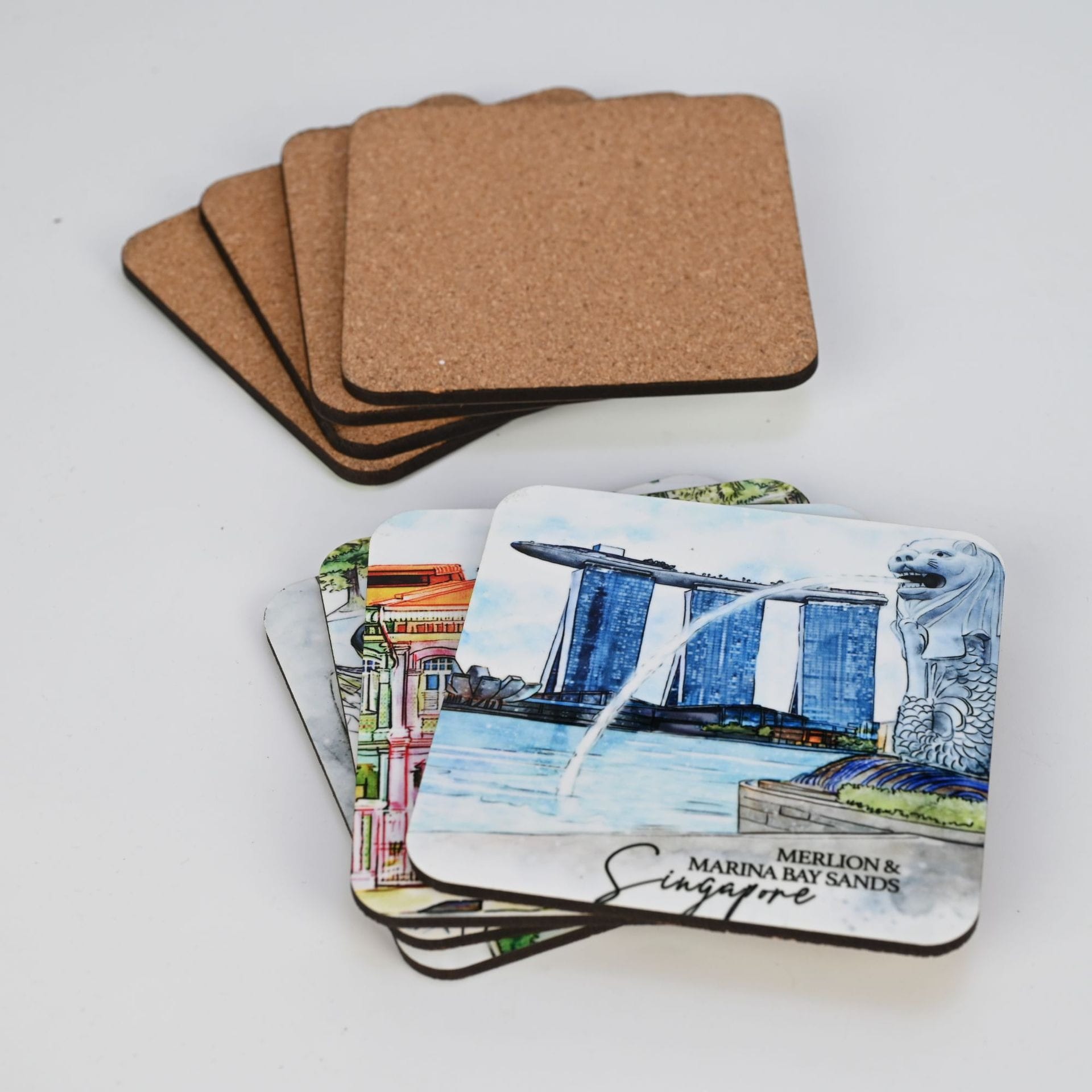
Craftsmanship plays a key role in creating these unique items. Modern production often uses advanced tools. For example, laser cutters are a primary technique. You can make wooden nickels quite easily if you have access to a laser cutter. This method allows for precise shapes and details. It ensures each wooden nickel has a consistent size and quality.
| Wood Type | Characteristics | Advantages |
|---|---|---|
| Beech Wood | Smooth surface, fine grain | Durable, easy to work with, good finish |
| Schima Superba | Hard and sturdy wood | Strong, provides a good base for carving |
| Maple | Tight grain, hard wood | Durable, aesthetic |
| Oak | Hard wood with pronounced pattern | Very strong, natural authentic look |
| Plywood | Multi-layered, uniform surface | Stable, economical, easy to cut |
Design and Printing Techniques
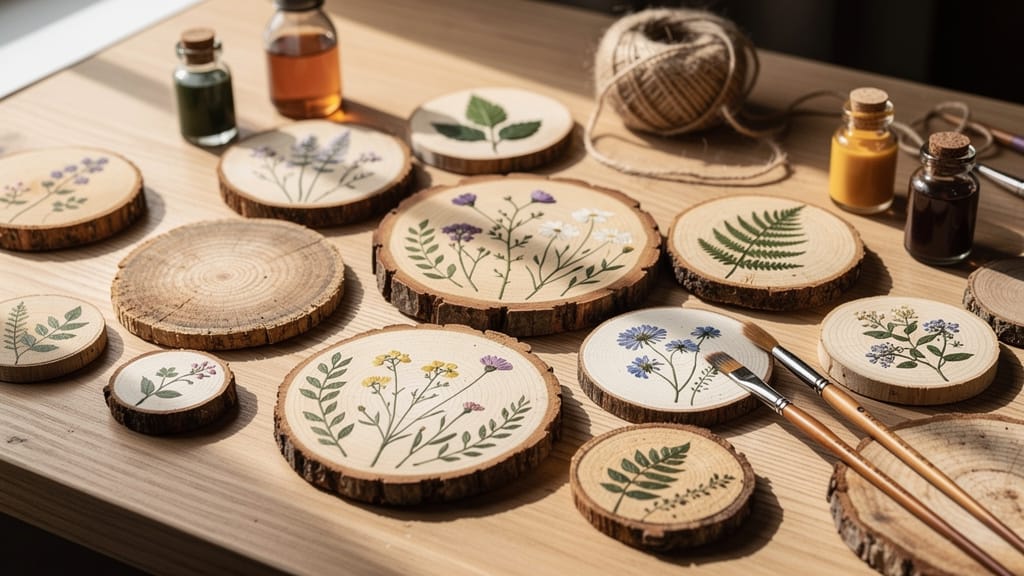
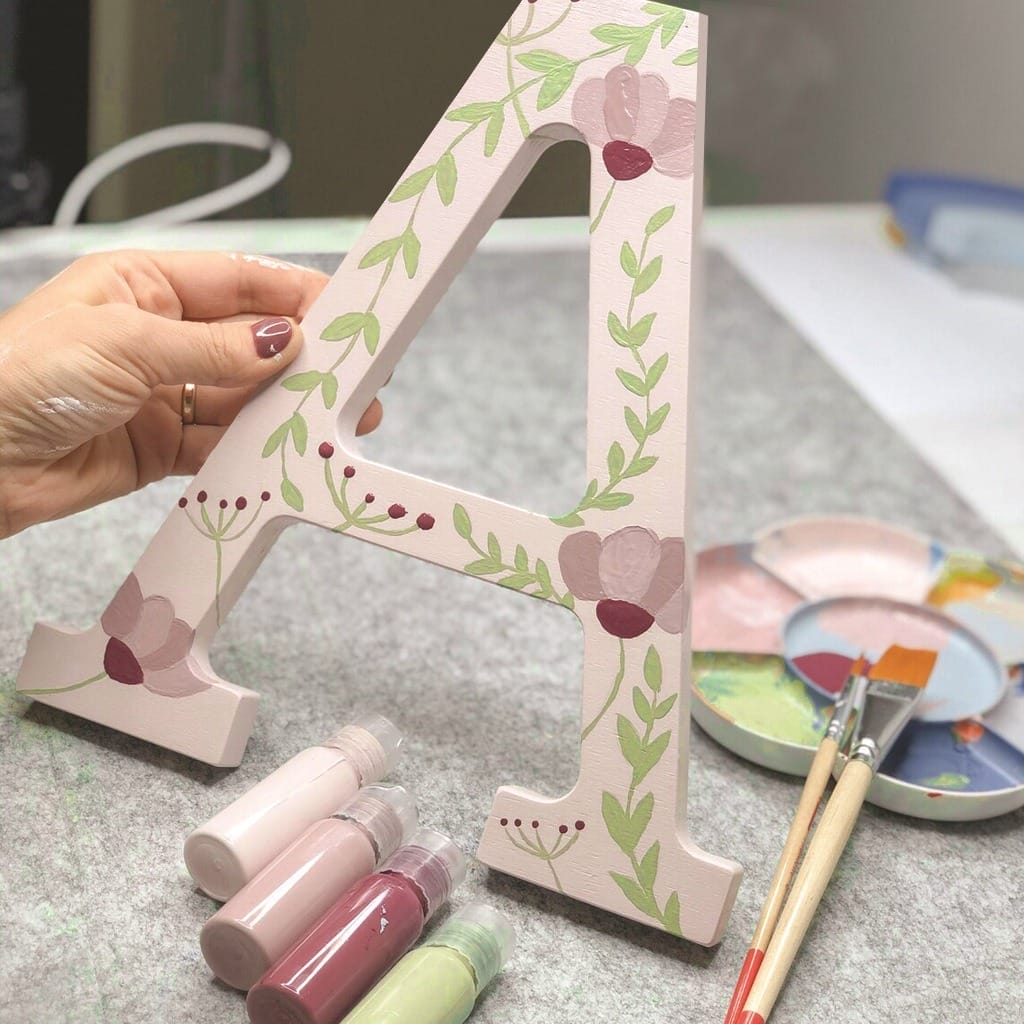
After shaping the wood, the next step is adding the design. You can decorate wooden nickels in many different ways. The design process starts with creating artwork. This artwork often includes logos, dates, or special messages.
Manufacturers use various printing techniques to apply these designs. Screen printing is a common method. It allows for vibrant colors and clear images. Digital printing is also popular. This method offers flexibility for complex designs. You can get custom-printed wooden nickels with intricate details. These techniques ensure your message stands out. High-quality printing makes custom-printed wooden nickels effective for promotions or souvenirs. The final product is a durable and attractive token.
Modern-Day Relevance and Innovations

Contemporary Uses in Marketing and Branding
You might think wooden nickels are just a thing of the past. However, businesses today use them in new and exciting ways. They are experiencing a comeback in marketing and branding. These tokens create significant interest. People remember them. They offer a cost-effective choice compared to traditional flyers or brochures. Those often end up in the trash. A unique wooden nickel ensures your message gets seen. People pass them around. They can even become collectible items. This makes them an interesting and inexpensive way to get and keep attention.
Businesses use them for many purposes:
- Prospecting for new customers.
- Sales promotions.
- Events and festivals.
- Unique business cards.
- Tokens for admissions, rain checks, or free passes.
- Promotions for free beverages.
You can use custom printed wooden nickels to make a lasting impression. They stand out from typical advertising.
Integration with Digital Technology (e.g., QR Codes on Wooden Nickels)
You can also combine these classic tokens with modern technology. Imagine a wooden nickel with a QR code. This small code links directly to your website or a special offer. You scan the code with your phone. It takes you to digital content. This makes the physical token a gateway to online engagement. For example, a restaurant could offer a free dessert. You scan the QR code on your custom-printed wooden nickels to claim them. This blends the tangible appeal of a novelty item with the convenience of digital interaction. It gives you a unique experience.
How to Collect and Preserve Wooden Nickels

Tips for Collectors
You can start collecting these unique tokens today. Look for items with interesting designs or historical significance. Many collectors focus on specific themes. You might collect tokens from fairs, festivals, or particular towns. Some people seek out older pieces.
Others prefer modern promotional items. Always check the condition of each token. A well-preserved piece holds more value. You can find them at antique shops, coin shows, or online marketplaces. Joining a collector’s group can also help you find new pieces. You can learn a lot from experienced collectors. They often share valuable insights.
Display and Storage Methods
Protecting your collection is very important. Proper storage keeps your tokens in good condition. You can use special albums with individual slots. These albums protect each piece from scratches. Clear display cases also work well. They let you show off your collection safely. You can see your items without handling them too much.
Keep your wooden nickels away from direct sunlight. Sunlight can fade the wood and the printed designs. Avoid areas with extreme temperatures or high humidity. These conditions can cause the wood to warp or crack. Storing them in a cool, dry place helps preserve their original look. This care ensures your collection lasts for many years.
Wooden Nickels as Sustainable Currency Alternatives?
Environmental Impact of Traditional Coins vs. Wooden Nickels
You might consider the environmental footprint of different currencies. Traditional metal coins require mining and smelting. These processes consume significant energy. They also produce pollution. Paper currency uses trees and complex printing methods.
Wooden nickels offer a different story. You make them from a renewable resource: wood. This material is biodegradable. It has a much lower environmental impact. Choosing wooden tokens reduces reliance on resource-intensive production. It presents a more eco-friendly option for local exchange systems.
Potential for Eco-Friendly Local Exchange Systems Using Wooden Tokens
Imagine a local economy using wooden nickels. You could use these tokens as a form of community currency. This system supports local businesses and keeps money circulating within the community.
Wooden tokens are tangible and offer a unique appeal. They can foster a sense of local identity. You can design them to promote local events or landmarks, making them more than just money — they become symbols of community pride.
Such systems encourage sustainable practices by reducing the need for external currency, promoting eco-friendly local exchange, and strengthening the community’s economic resilience.
Challenges and Future Prospects of Sustainable Wooden Currency
Implementing a wooden currency system faces challenges. You need widespread acceptance from businesses and consumers. Security is another concern. How do you prevent counterfeiting? Durability is also important. Wooden tokens must withstand regular use. Despite these hurdles, the future looks promising. Innovations in wood treatment can increase durability. Digital integration, like QR codes, can enhance security. You can track transactions. Wooden nickels could become a viable, sustainable alternative. They offer a tangible, eco-conscious way to support local economies.
Final Words
You now understand what a wooden nickel is. It is a physical token and a powerful idiom. This simple wooden nickel embodies historical charm. It also offers a cautionary tale. Remember, “don’t accept any wooden nickels” in life. This item reminds you to be wise. You should always question value. This enduring presence of the wooden nickel in American culture makes it both a collectible and a common saying. So, “don’t accept any wooden nickels” in your daily dealings.
FAQ
What Exactly Is a Wooden Nickel?
You know a wooden nickel is both a physical token and a metaphorical expression. Businesses use these tokens for promotions or as souvenirs. The idiom warns you about something worthless or deceptive.
Why Did People Use Wooden Nickels Historically?
During the Great Depression, towns like Tenino used wooden nickels as emergency currency. They helped local economies when regular money was scarce. The 1933 Chicago World’s Fair also distributed them as commemorative items.
Are Wooden Nickels Still Used Today?
Yes, businesses still use wooden nickels for marketing and branding. They serve as unique promotional items or tokens. Some even integrate QR codes, linking the physical token to digital content.