Standing in front of a catalog full of jewelry boxes, the choice between wood and metal can feel more like picking between two product strategies than two simple materials. When you look at wooden vs metal jewelry boxes, you are not just choosing a look. You are deciding how your brand appears on the shelf, how your margins work, and how satisfied your customers feel long after the sale.
In simple terms, wooden jewelry boxes bring warm style, long-term home storage, wide customization, and strong eco appeal, serving a market where the Silver Jewelry Market Size continues to expand globally, driving demand for quality storage solutions. Metal jewelry boxes lean into sleek design, travel‑friendly sizing, and a clear sense of security. Neither is “better” for every case. The right call depends on your target market, price point, and how you want your brand to show up in a jewelry box comparison.
This guide walks you through wooden and metal jewelry storage across the factors that matter most: durability, protection, display appeal, functionality, price and margins, customer segments, sustainability, and customization. When considering options for displaying your pieces, you may want to explore unique wooden jewelry designs online to find inspiration that enhances your collection. These designs not only provide aesthetic appeal but also reflect individuality, making them perfect for those who appreciate craftsmanship. Additionally, many platforms offer customization options, allowing you to tailor pieces to specific tastes or themes. For those looking for sustainable alternatives, exploring ecofriendly wooden jewelry options is a great way to combine style with environmental consciousness. These pieces not only showcase beautiful craftsmanship but also support eco-friendly practices that align with a growing desire for sustainable fashion. By selecting jewelry made from responsibly sourced materials, you can enjoy unique designs while making a positive impact on the planet.
Key Takeaways
- Wooden jewelry boxes work best for home storage, careful organization, and premium gifting. They pair well with sustainability stories and higher price points, which often supports strong retail margins.
- Metal jewelry boxes shine in travel and modern lifestyle segments. They fit compact spaces, support secure transport, and match minimalist design trends that many younger buyers enjoy.
- Wood buffers temperature swings and adds warmth to retail displays, while metal offers steady structural strength and low day‑to‑day care needs. Both protect jewelry when interiors are well lined.
- Many successful retailers stock both wooden and metal jewelry organizer types to cover more demographics and budgets, serving collectors at home and travelers on the move.
Key Differences Between Wooden and Metal Jewelry Boxes

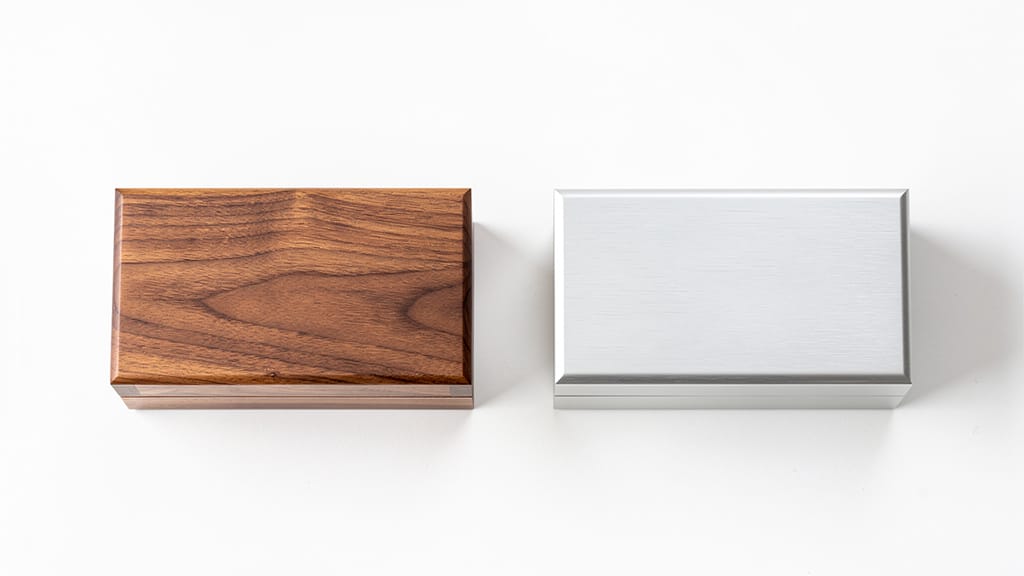
When comparing wooden and metal jewelry boxes, several important differences emerge, including material characteristics, weight, production methods, surface finishes, and cost.
1. Material Characteristics
Wooden Jewelry Boxes:
- Made from hardwoods like walnut, cherry, oak, mahogany, or lighter woods like paulownia and bamboo.
- Feature natural grain, color variations, and a handcrafted feel.
- Provide a warm texture and classic aesthetic.
Metal Jewelry Boxes:
- Typically made of stainless steel, aluminum, brass, or tin.
- Have a consistent, smooth surface with sharp edges.
- Offer a cool shine and modern look.
2. Weight and Portability
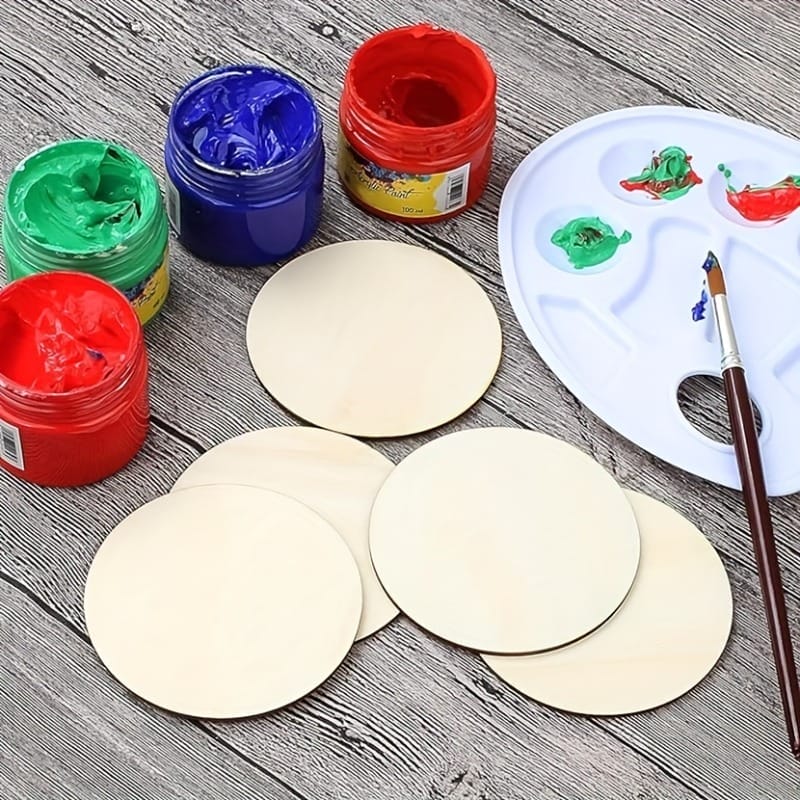
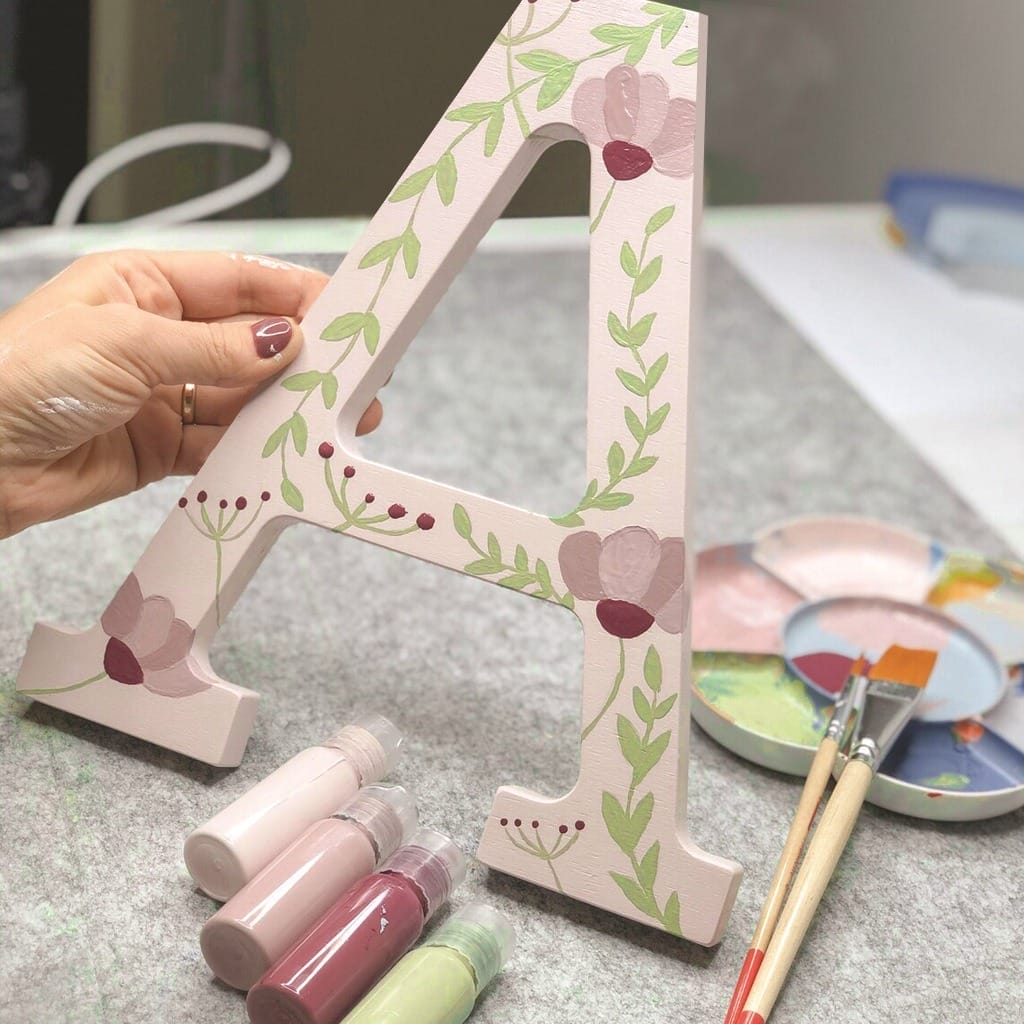
Wooden boxes tend to be heavier, especially larger models. Best suited for stationary use on dressers or shelves. unique decorative ideas for wooden boxes can greatly enhance their aesthetic appeal and functionality. From intricate carvings to creatively painted designs, there are countless ways to personalize these containers. Additionally, incorporating themed embellishments can make them perfect for gifts or home decor accents.
Metal boxes are generally lighter and more compact. Ideal for travel, hotel use, or small living spaces.
3. Manufacturing Process
Wooden Boxes:
- Involve cutting, joinery, sanding, staining, and hand finishing.
- Support smaller production runs and detailed customization.
- Usually require longer lead times.
Metal Boxes:
- Produced by stamping, bending, welding, and machine finishing.
- Favor large batch production with consistent sizing.
- More efficient and cost-effective for simple shapes.
4. Surface Treatment Options
Wooden boxes accept stains, natural oils, clear lacquers, and surface engraving easily. Allow flexible color choices and branding options.
Metal boxes require specialized finishes such as powder coating, plating, or anodizing. These finishes are best applied at scale for durability and appearance.
5. Price Range
Wooden boxes generally fall into the mid to premium price segment. Higher quality when made with solid wood and rich linings. custom wooden packaging solutions can elevate the presentation of products, making them more appealing to consumers. Additionally, these options provide an eco-friendly alternative to traditional packaging materials, aligning with the values of environmentally conscious brands. As businesses seek to differentiate themselves, investing in high-quality wooden packaging becomes a strategic choice.
Metal boxes range from entry-level (thin tin) to luxury (thick stainless steel with high-end hardware).
Durability and Protection of Wooden and Metal Jewelry Boxes
Durability and protection sit at the center of any jewelry box guide, especially if you sell fine pieces or long‑term keepsakes. Both wood and metal can protect jewelry well, but they do it in different ways and in different settings.
Wooden Box Durability Factors:
Structural strength and longevity
A quality wooden jewelry box starts with solid construction. Hardwoods such as walnut or oak give strong structural support that resists sagging even when drawers are full. Wood has a natural give, so it can absorb small bumps instead of passing shock straight to delicate jewelry pieces. When finished well, the box stays stable and solid over many years.
Environmental sensitivity and care
Wood is sensitive to moisture and extreme heat, especially without a good finish. Direct sunlight can fade dark stains and dry out thin parts. That is why professional makers use clear coats, oils, or lacquers and advise basic care. The reward for that care is a box that develops a gentle patina rather than looking worn out. Many families treat a high‑quality wooden jewelry organizer as an heirloom.
Interior protection and repairability
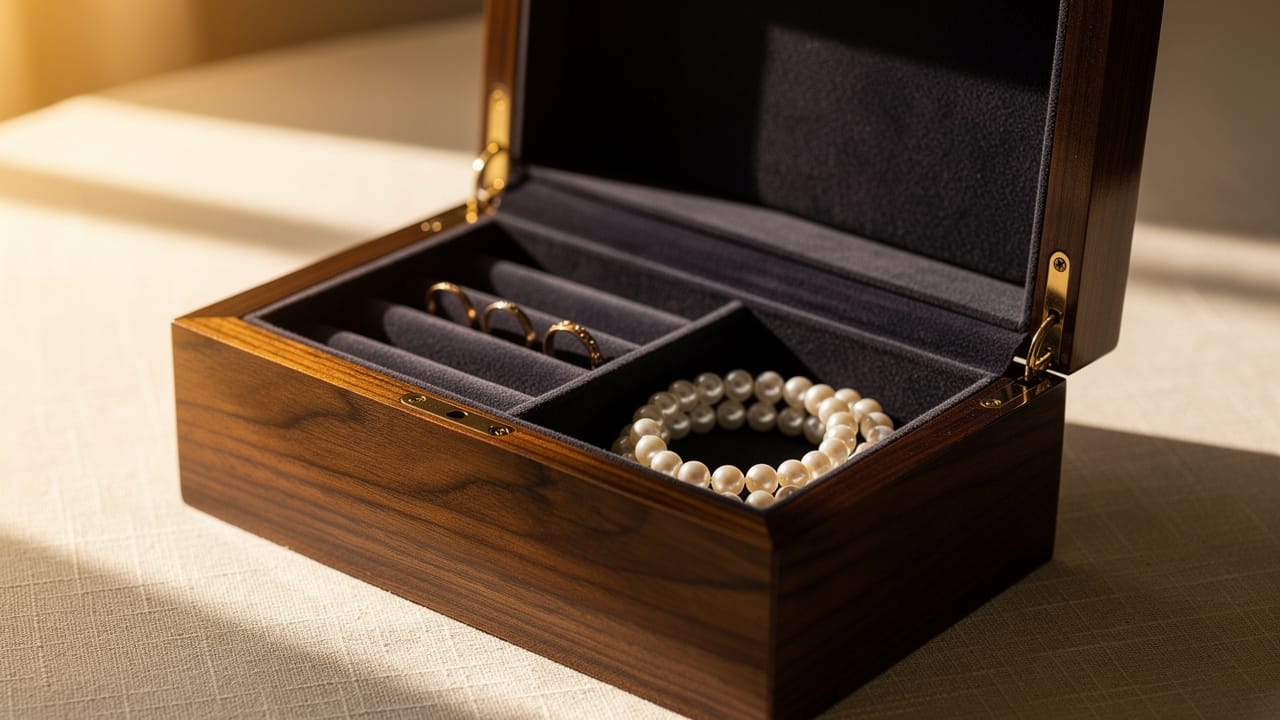
Protection inside the box matters just as much as the shell. Wooden jewelry boxes often use velvet, suede, or microfiber linings. Those soft interiors hold rings, chains, and stones in place, help protect jewelry from scratches, and slow tarnish on silver. If the outer finish ever chips, you can sand and refinish wood far more easily than you can repair a dented metal side.
Metal Box Durability Factors:
Impact resistance and security
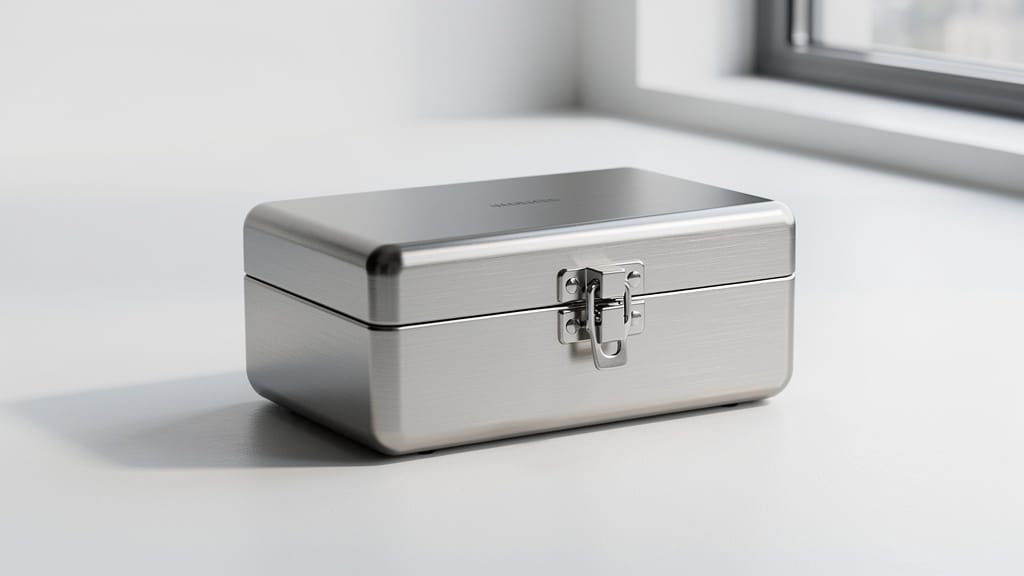
Metal jewelry storage stands out in situations where impact resistance and security come first. Stainless steel, aluminum, or thick tin can shrug off drops, suitcase pressure, and tight packing that might mark a wooden lid. If you stock boxes for travel or trade show use, this toughness can reduce damage claims and returns.
Corrosion resistance and upkeep
The main long‑term risk with metal is rust or corrosion, especially in humid areas. Better metal jewelry boxes use stainless steel, coated aluminum, or protective finishes such as powder coating. Those finishes act as a barrier between air, moisture, and the metal, which stretches the life of the box with very little care. A quick wipe is usually all that is needed.
Interior padding as the real shield
On their own, metal walls are hard and unforgiving, so the interior padding becomes the real protector for delicate jewelry. Look for soft ring rolls, padded dividers, and lined lids so your jewelry pieces do not knock against bare metal. Many metal jewelry boxes also include locks or tight latches, which add another layer of security during travel or in busy retail settings.
When maintained well, a solid wood jewelry box can serve several generations, while a good metal jewelry case can give decades of consistent performance. The better fit for you depends on whether you care more about long‑term home storage or frequent handling, packing, and travel.
Which Material Offers Better Aesthetic Appeal for Retail Display?

In retail and e‑commerce, looks sell first. The material you choose for jewelry storage options changes how shoppers feel when they see your display or scroll through your product photos. Wood and metal send different style messages that shape those first impressions.
“Display is silent selling,” as many merchandisers like to say, and jewelry boxes are part of that silent conversation.
Wooden Jewelry Box Aesthetics:
Wooden jewelry boxes offer warmth and tradition. Natural wood grain patterns mean no two boxes look exactly the same, even within the same series. Honey, mahogany, and walnut tones pair nicely with gold, silver, and gemstone colors, so the box helps frame the jewelry instead of fighting it.
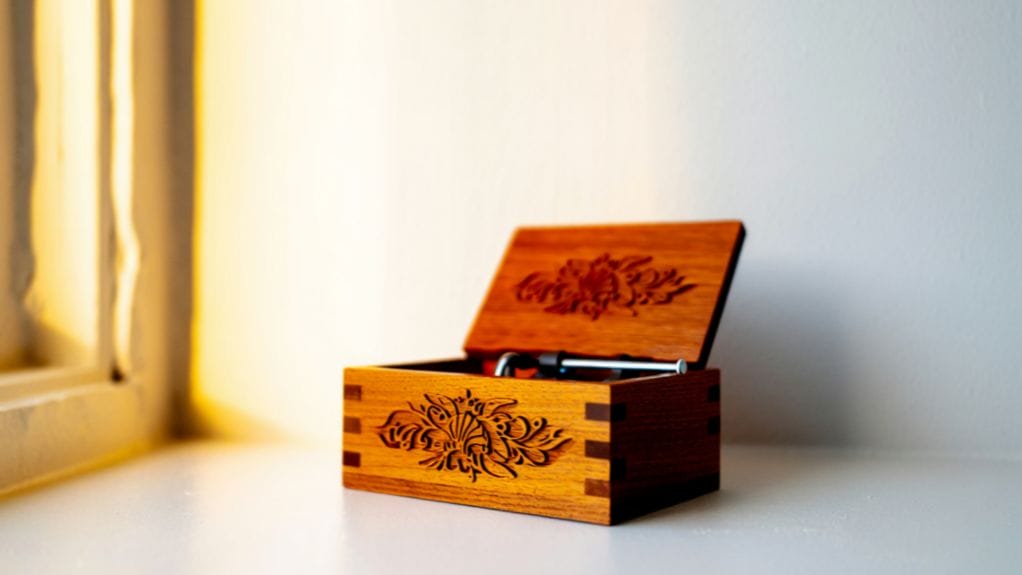
Texture is another strength of wood. Customers often want to touch wooden lids, feel the grain, and open drawers just to see how they move. Carvings, inlay work, glass lids, and decorative hardware add to the sense of craft and help justify higher prices. A medium wooden box on a dresser can feel like a small furniture piece, not just packaging.
In store displays, wood works across many decor styles. Rustic boutiques, traditional jewelers, farmhouse‑style home stores, and even some modern interiors all use wood successfully. For your brand, wooden boxes support stories about craftsmanship, nature, and heritage, which many shoppers link to higher perceived value of the jewelry inside.
Metal Jewelry Box Aesthetics:
Metal jewelry boxes lean into sleek, contemporary lines. Smooth planes, crisp corners, and clean seams send a message of precision and modern design. Polished metal reflects light, while brushed or matte finishes look calm and professional. Colors such as rose gold, brushed nickel, and matte black line up well with current jewelry trends.
This style appeals strongly to minimalist shoppers and younger urban buyers. The box looks technical and efficient, which some customers associate with safety and order. Because metal surfaces are simple and smooth, they do not compete visually with the jewelry itself. That helps the pieces stand out in both in‑store and online photos.
For merchandising, wooden boxes often serve as destination pieces that draw shoppers closer, while metal boxes support high‑density, clean displays. Online, wood adds warmth and depth to product images, while metal gives sharp, glossy shots that feel very polished.
How Do Functionality and Organization Differ?

Beyond looks, a jewelry organizer comparison has to cover how each box works day to day. The material strongly shapes size, layout, and how customers actually use the box at home or on the road.
Wooden Box Functional Advantages:
Wooden jewelry boxes shine when dealing with larger, mixed collections. You will find everything from small ring boxes to full armoire‑style cabinets that stand on the floor. Multi‑level drawer systems make it easy to sort rings, earrings, necklaces, bracelets, and watches. That kind of layout supports customers who own 30 or more pieces and want the best jewelry storage for home use.
Common internal features include:
- Ring rolls and earring panels
- Necklace hooks and bracelet bars
- Watch pillows and open trays
- Built‑in mirrors in lids or doors
Because wood is heavier and more stable, these boxes sit firmly on dressers, nightstands, hotel reception desks, or spa counters without sliding around. For buyers, larger wooden organizers also offer room for extras such as secret compartments, colored drawer edges, and premium hardware that customers notice and appreciate.
Metal Box Functional Advantages:
Metal jewelry boxes focus more on efficiency and movement. Compact travel cases fit easily into carry‑on bags, handbags, or small safes. Fold‑out trays, tiered levels, and clever dividers help users fit several essential pieces into a small footprint. This works well for shoppers who rotate a few favorite items rather than storing a very large collection in one place.
Secure latches and lock options make metal a natural choice for travel and shared spaces. Lightweight construction keeps shipping costs lower for e‑commerce and makes stocking and packing faster in warehouses. Some metal jewelry storage items are stackable, which suits small apartments, dorm rooms, or stockrooms where vertical space matters.
A wooden box might comfortably hold 50 or more pieces, while a typical metal travel case might hold 10 to 25 key items. Wooden designs focus on complete at‑home organization. Metal designs support quick access to the jewelry someone needs for the day or the trip.
Wooden vs. Metal Jewelry Boxes: Price and Value Comparison
For wholesale buyers, the material story is not complete without price and value. The right jewelry storage options have to fit your budget while supporting your margins and brand story.
Wooden Jewelry Box Pricing Factors:
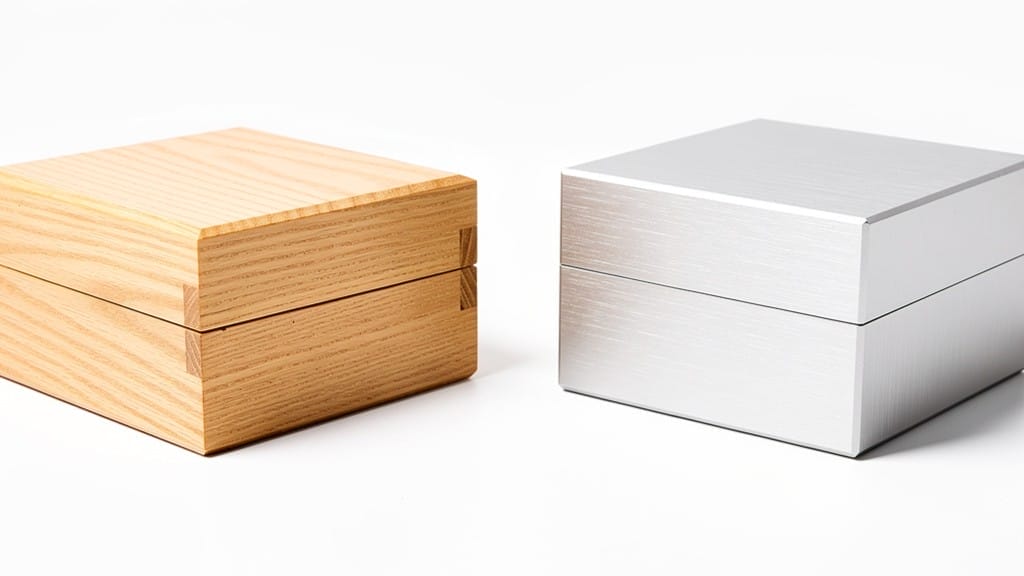
The cost of a wooden jewelry box starts with the species you choose. Exotic hardwoods and heavily figured burl wood cost more but deliver strong visual impact. Lighter woods such as paulownia offer good durability at a lower cost, which works well for volume orders. Layer on cutting, joinery, sanding, linings, and staining, and you can see why wooden boxes often sit in mid to higher price bands.
As a rough guide, wholesale wooden jewelry boxes can range from about 15 to 150 US dollars per piece, depending on size, quality of wood, lining, and level of detail. Retailers often mark these up by two and a half to four times, because customers see high perceived value in a solid wood jewelry box, especially when it includes soft linings and smooth hardware. For those looking to enhance their inventory, wholesale wooden jewelry storage solutions provide a variety of options that cater to different styles and budgets. By investing in these storage units, retailers can significantly elevate the shopping experience for their customers, showcasing the beauty of each piece of jewelry while maintaining organization. Additionally, the appeal of sustainable materials in wooden storage solutions can attract environmentally conscious consumers, further boosting sales.
Customization adds even more value. Laser engraving, printed branding, custom stains, and special compartment layouts all support higher price points and give you extra revenue streams. Since wooden boxes can last for decades and even pass down as keepsakes, shoppers are willing to pay more for them than for many other jewelry packaging types.
Metal Jewelry Box Pricing Factors:
Metal jewelry box pricing is tied closely to material grade and production method. Aluminum tends to be the most affordable. Stainless steel sits in the middle. Brass or heavy‑gauge steel with luxury finishes move closer to the premium range. Stamping and machining in large batches keeps labor costs low, which helps you hit budget‑friendly price points.
Typical wholesale pricing for metal jewelry boxes might run from about 8 to 80 US dollars per piece, again depending on size, finish, and features. These items often sell quickly at retail because they carry lower ticket prices and fill the travel case niche. That steady movement can be attractive when you want fast inventory turnover.
Many shoppers see wood as more special than metal at the same price point. You may achieve higher per‑sale margins on wooden boxes, while metal boxes help drive volume. Shipping costs lean in favor of metal thanks to lower weight, though wooden boxes, when packed well, can see fewer damage returns.
Which Material Is Better for Different Customer Segments?
The smartest way to choose between wood vs metal is to match each material to clear customer groups. When you know who you serve and how they live, the right box material becomes much easier to spot.
Ideal Customers for Wooden Jewelry Boxes:

Wooden jewelry boxes attract people who treat jewelry as part investment, part memory.
- Collectors and enthusiasts with 30+ pieces of jewelry seeking organized and accessible storage
- Homeowners and interior design clients wanting warm, decorative storage solutions
- Eco-minded buyers who value natural materials with sustainable sourcing
- Gift shoppers looking for meaningful boxes for weddings, anniversaries, and milestone birthdays
- Mature shoppers and luxury buyers wanting elegant boxes matching fine jewelry
- Craft supply stores and artisan markets interested in customizable and branded wooden boxes
- Corporate gift buyers seeking engraving and custom finishes for branding purposes
Ideal Customers for Metal Jewelry Boxes:

Metal jewelry boxes appeal strongly to people who move often or live in tighter spaces.
- Frequent travelers and business professionals needing secure, portable storage
- People living in tight spaces or who move often
- Young professionals and urban dwellers preferring modern, simple designs
- Budget-focused shoppers seeking durable, low-maintenance storage under $50
- Men choosing modern, less traditional jewelry cases
- College students and first-time renters requiring compact, move-friendly boxes
- Consumers owning both wood and metal boxes for different uses (home vs. travel)
Many consumers own both materials, using wood at home and metal on trips, which means you can profit from offering both in your range.
What Are the Environmental and Sustainability Considerations?

Sustainability is no longer a side note for many customers, as research on Sustainable and Innovative Packaging solutions shows growing consumer demand for eco-friendly materials across multiple industries. When you choose the right material for your jewelry box, you also shape how well your products fit eco‑focused buying habits and corporate responsibility policies.
“The most sustainable product is the one that lasts,” a principle often shared in product design circles, and it fits jewelry boxes especially well.
Wooden Jewelry Box Sustainability Profile:
Wood, when sourced responsibly, is a renewable resource. Forest certifications such as FSC and PEFC show that the timber comes from well‑managed forests with careful regrowth plans. Wood stores carbon during its life as a tree and continues to hold that carbon while it sits as a jewelry box in someone’s home.
Production of wooden boxes usually uses less energy than mining and smelting metal. At the end of its life, a plain wood box can break down naturally without leaving toxic residue. The main risks come from uncertified logging and harsh solvent‑based finishes. That is why it is smart to ask suppliers how they source timber and which coatings they use.
At Qlychee Crafts, wooden jewelry boxes are designed around certified sustainable timber options and low‑VOC finishes, with waste wood redirected into recycling or reuse wherever possible. For you, that makes it easier to speak clearly about eco-benefits in your marketing. Shoppers who want natural materials and lower impact products respond well to this style of story.
Metal Jewelry Box Sustainability Profile:
Metals such as aluminum and steel are highly recyclable. Many regions already have strong recycling systems for them. Using recycled metal can cut energy use sharply compared to using only new metal, and a metal box with a long life can stay in use for many years rather than heading quickly to the trash.
On the other side, metal production from raw ore needs a lot of energy. Some surface treatments, such as certain plating methods, can involve chemicals that must be handled carefully. Metal boxes also tend to weigh more than hollow plastic or thin cardboard, which can raise shipping emissions, though their long life helps balance that over time.
When you compare full life cycles, well‑sourced wooden jewelry boxes often show lower overall environmental impact, especially when they last for decades. Metal boxes do well when recycled content is high and when they are kept in use for very long periods. In both cases, clear information and honest claims matter.
How Do Customization Options Compare Between Materials?
Customization has become one of the strongest ways to stand out in jewelry and gift markets. The material choice you make directly affects how far you can go with branding and personalization.
Wooden Jewelry Box Customization Capabilities:
Wood is a very friendly surface for detail work.
- Laser engraving of fine logos, names, dates, and photo-style images
- Wood burning (pyrography) for a rustic, hand-drawn look
- Inlay work with metal strips, contrasting woods, or mother-of-pearl for high-end models
- Wide color options: light natural finishes, deep espresso tones, washed pastels, clear coats highlighting grain
- Carved patterns for three-dimensional depth
- Customizable interior: compartment layouts, lining fabrics and colors, monogram patches
- Hardware options: antique brass clasps, bright nickel hinges, dark handles
- Adjustable size and proportions for custom lines
- Support for design advice, low minimum orders, and quick prototypes
Qlychee Crafts supports design advice, low minimum order quantities, and quick prototypes for wooden jewelry boxes, which helps you test and refine designs without heavy risk.
Metal Jewelry Box Customization Capabilities:
Metal also accepts several strong branding methods, though with a different focus.
- Laser marking for crisp logos and text on the metal surface
- Powder coating providing durable, chip-resistant color options
- Embossing and debossing for raised or recessed logos and initials
- Pad printing and screen printing for multi-color surface designs
- Interior personalization mainly through lining color and material
- Hardware finishes available in polished, brushed, or tinted styles
- Shape or structure changes are difficult and costly due to tooling requirements
- Best suited for large production runs with simple, repeated branding
Conclusion
When you weigh wooden vs metal jewelry boxes, there is no single winner for every situation. The better choice depends on your customer base, your brand image, and how your buyers actually use their jewelry storage. You are balancing style, function, cost, and values rather than picking a simple product.
Wooden jewelry boxes tend to be the right call for premium home wooden storage boxes, deep organization, and customers who care about natural materials and long life. They support richer customization, memorable gifting, and strong visual stories in both retail and online settings. Metal jewelry boxes fit best where travel, compact sizing, modern looks, and lower entry prices matter more. For those just starting out in the world of crafting, woodworking techniques for beginners provide essential skills to create stunning pieces. Understanding basic joinery and finishing methods can significantly elevate the quality of handmade items. Additionally, as artisans hone their craft, they may explore more advanced techniques, expanding their creative possibilities.
Many successful retailers, e‑commerce sellers, and corporate gift buyers carry both materials. Wooden boxes handle heirloom storage and special gifts. Metal boxes serve travel cases, starter collections, and modern minimalist lines. Across both groups, quality of build and interior lining matter far more than material alone, because poor construction in any box hurts your customer experience.
Qlychee Crafts focuses on wooden jewelry boxes that match business needs for quality, sustainability, and flexible branding. You can work with low MOQs, custom wooden gifts, engraved logos, and certified sustainable woods backed by dependable international logistics. As personalization and eco‑minded buying continue to grow, strong wooden boxes give your brand a solid place to stand.
FAQs
Are Wooden Jewelry Boxes Better Than Metal For Storing Fine Jewelry?
For fine jewelry that stays at home, wooden jewelry boxes are usually the safer choice. Solid wood cases with soft velvet or suede linings help buffer your pieces from bumps and daily handling. Wood also softens fast changes in temperature, which can affect some gemstones and metal finishes.
Because the jewelry never touches bare metal walls, you avoid possible reactions between certain alloys and the box itself. That is important for silver and some plated items. Metal travel boxes still work well for short‑term storage on the move, as long as their interiors are padded. For long‑term care of a main collection, a well‑lined wooden box gives a very reliable base.
Which Material Is More Cost-Effective For Wholesale Jewelry Box Purchasing?
On a simple unit‑price basis, metal jewelry boxes are often cheaper at wholesale, especially in thin aluminum or tin styles. They are light to ship and fast to make in large numbers, so they can support entry‑level price points and quick sales. If your main goal is fast turnover with lower price tags, metal can look very attractive.
Wooden jewelry boxes usually cost more to buy, but they often earn more per sale. Shoppers see real wood as higher value, and they willingly pay for that when the design and lining feel high quality. That lets you work with higher markups and stronger profit per unit. At Qlychee Crafts, you can combine competitive wooden box pricing with flexible minimum orders and custom options to keep your overall cost‑effectiveness strong.
Can Metal Jewelry Boxes Rust Or Corrode Over Time?
Metal jewelry boxes can resist rust well when they are built from the right materials and finishes. Stainless steel naturally stands up to moisture far better than plain steel. Aluminum forms a protective outer layer that slows corrosion. Powder coating and anodized finishes add another barrier, which keeps the surface cleaner and protects the structure below.
Problems tend to appear with cheaper boxes made from thin, uncoated metal kept in very humid rooms. Those can show spots or flaking over time. As a buyer, you can reduce this risk by asking about base metal type and finish method before you order. Wooden boxes avoid rust altogether, though they do need protection from heavy moisture and strong sun in different ways.
Are Wooden Jewelry Boxes Environmentally Friendly?
Wooden jewelry boxes can be a very eco‑friendly choice when they come from the right sources. Timber from forests with FSC or PEFC certification supports responsible harvesting and regrowth. Wood is renewable and stores carbon for as long as the box sits in use. Manufacturing wood products also tends to use less energy than processing ore into metal.
Not all wood is equal though, which is why third‑party certifications matter. You also want finishes that keep emissions low instead of adding harsh fumes. Qlychee Crafts uses certified sustainable timber options and low‑VOC finishes for its wooden jewelry boxes, along with waste recycling programs in production. Long life adds to the eco story as well, because a wooden box that lasts for generations avoids frequent replacement and waste.
What Size Jewelry Box Should I Stock—Wooden Or Metal?
The best sizes for you depend first on how your customers plan to use their boxes. For home storage, it makes sense to stock a range of wooden gift boxes, from small ring or trinket boxes up to medium desktop chests around eight by ten by four inches, and even larger armoire‑style pieces. Those sizes cover most everyday collections and premium gift needs.
For metal jewelry boxes, focus more on compact travel styles. Cases that fall roughly between four by six and eight by ten inches work well in luggage and hotel safes. Many retailers find that a mix of a few key sizes in each material covers most buying habits and price points. If you want data‑driven choices and fit‑for‑purpose samples, you can work with Qlychee Crafts to review popular wooden box sizes and test which ones match your market best.