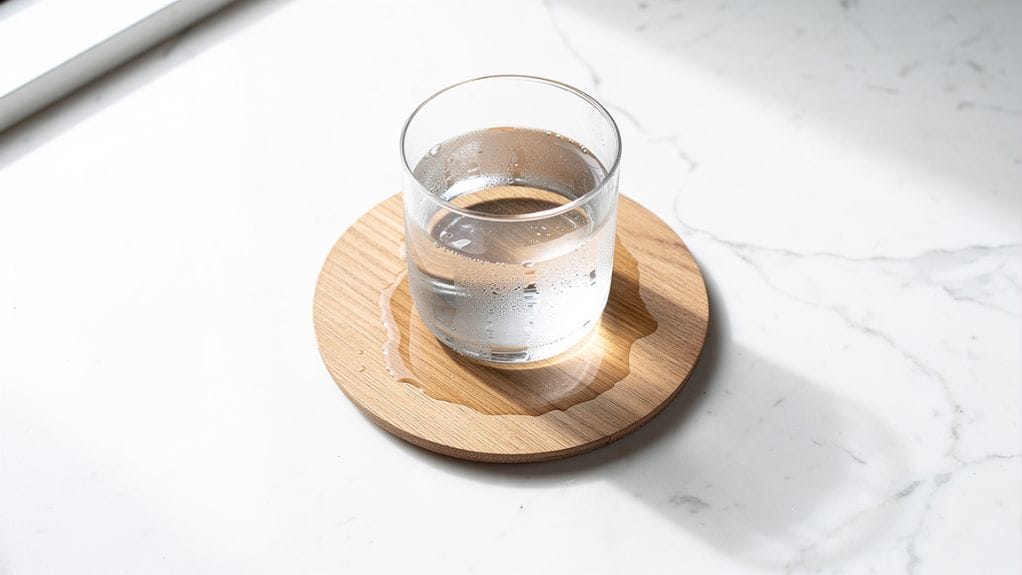
If you ask ten suppliers, “What size is a coaster?” you’ll likely receive a very similar answer each time: the standard coaster size typically ranges from 3.5 to 4 inches in diameter. That range works for both round and square coasters and fits nearly every mug, glass, or can on your tables.
If you buy for a restaurant group, a retail store, or your own e‑commerce shop, you already know one size never covers every situation. You deal with:
- Tiny espresso cups
- Tall beer glasses
- Heavy stoneware mugs
- Soup bowls that double as latte bowls
On top of that, online customers zoom in on product photos and expect the coaster to fit the drinkware they already own. To protect your surfaces and keep customers happy, you need a clear picture of coaster dimensions, not guesswork.
Size shapes more than just coverage, and research shows that investments in even small details like coaster sizing follow a model focused on customer satisfaction and surface protection. Coaster diameter, width, and thickness influence:
- How much space a table setting needs
- How stable a drink feels on a busy bar top
- How much logo area you have for artwork or engraving
Pick the wrong drink coaster dimensions and you risk wobbly mugs, water rings, returns, and dead stock that never sells.
This guide walks through everything behind that simple question about the size of a coaster. You get:
- A practical coaster size chart
- A thickness guide by material
- Clear advice for restaurant buyers, retailers, e‑commerce brands, and promotional product teams
Drawing on Qlychee Crafts production experience with custom wooden coasters, you will see how to choose the right coaster size for your needs and how to ask for the right specs from any supplier.
Key Takeaways
- The typical size for coasters, whether round or square, ranges from 3.5 to 4 inches. That range suits more than ninety percent of common drinkware, from coffee mugs to wine glasses and cans. If you stock one general‑purpose coaster size, this is the safest starting point.
- Coasters come in several sizes, from compact 3-inch rounds for espresso to 4.5 or 5 inch pieces for soup mugs or small plates. Different shapes such as square, hexagonal, and oval offer similar coverage even when measurements differ. A well-defined coaster size chart makes it easier to pair each size with the appropriate drink type and setting.
- Coaster thickness matters as much as width or diameter because it affects durability, absorbency, and how premium the piece feels. Paper and pulpboard coasters stay thin and light, while wood, stone, and cork use thicker profiles for better protection. Your best thickness depends on usage volume, cleaning method, and the image you want your brand to project.
- Different materials are used to craft coasters, allowing you to select options that best suit the type of drinkware and setting. For example, paper coasters work well for disposable use, while wood or stone coasters complement materials like glassware or ceramic mugs for a refined look.
- With Qlychee Crafts you can choose standard drink coaster dimensions or request custom coaster sizes that match your brand and drinkware exactly. Low minimum order quantities and free design help make custom sizing realistic even for small chains or online shops, so your coasters protect tabletops and support long‑term brand recognition.
What Is the Size Of a Coaster: Standard Coaster Size

For most buyers wondering about the ideal coaster size, the answer usually falls within a straightforward range: a standard coaster typically measures between 3.5 and 4 inches in diameter, regardless of whether it is round or square. In metric terms, that equals about 8.9 to 10.2 centimeters, which has become the common benchmark in both retail and hospitality.
This size range developed because it matches the base of almost every everyday drink. Standard coffee and tea mugs, highball and Collins glasses, rocks glasses, pint and pilsner glasses, wine stems, champagne flutes, and regular cans all sit well on a coaster in this band. The drink base covers most of the surface, so condensation lands on the coaster instead of the table.
Within that window:
- 3.5 inches gives a snug fit that looks neat and compact on small café tables
- 4 inches adds a little extra coverage so large mugs and craft beer glasses have room for drips and minor spills
Both sizes leave enough space around the rim of the drink without taking over the whole place setting.
Complete Coaster Size Chart Dimensions By Shape and Use
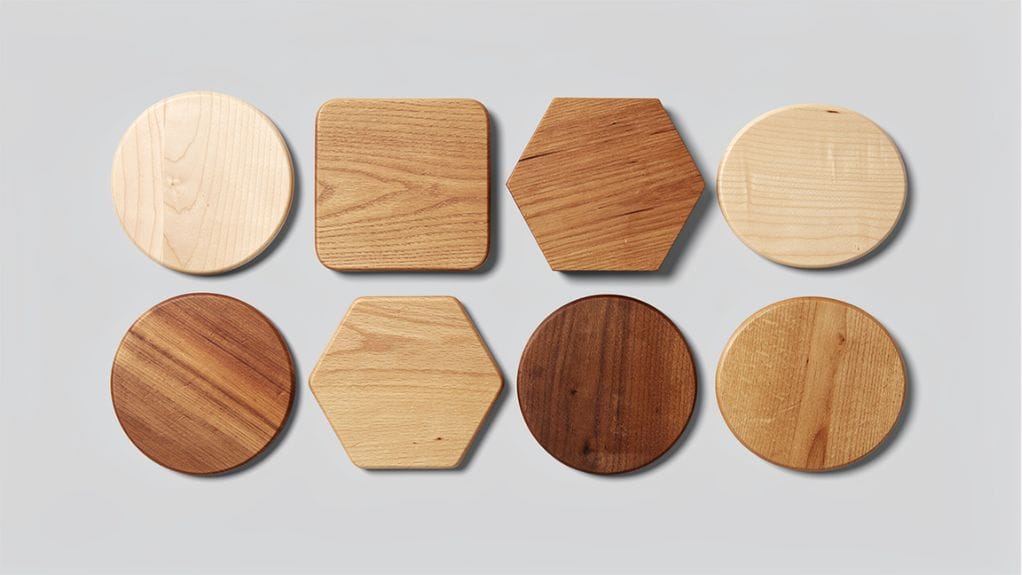
When you move past the standard range, coaster dimensions start to divide by shape and purpose. A small espresso bar does not need the same size that a hotel bar or gift shop needs. The coaster size chart below gives a quick view of how coaster measurements usually line up with drink types and materials.
| Shape | Size Range In Inches | Size Range In Cm | Best For | Typical Materials |
|---|---|---|---|---|
| Round | 3 to 3.5 | 7.6 to 8.9 | Espresso cups, shot glasses, tasting flights | Pulpboard, cork, wood |
| Round | 3.5 to 4 | 8.9 to 10.2 | Most mugs and glasses, all‑purpose use | Wood, cork, stone, paper |
| Round | 4 to 4.5 | 10.2 to 11.4 | Large coffee mugs, craft beer, iced drinks | Wood, slate, marble |
| Round | 4.5 to 5 | 11.4 to 12.7 | Soup mugs, bowls, snack plates | Wood, stone, heat‑safe silicone |
| Square | 3.5 x 3.5 | 8.9 x 8.9 | Standard drinks with modern look | Wood, cork, ceramic |
| Square | 4 x 4 | 10.2 x 10.2 | Most popular square for home and hospitality | Wood, slate, marble |
| Square | 4.5 to 5 each side | 11.4 to 12.7 | Statement pieces and bold logo display | Wood, stone, acrylic |
| Hexagonal | 3.5 to 4 flat to flat | 8.9 to 10.2 | Trendy bars and design‑focused retail | Marble, slate, wood |
| Rectangular | 4 x 3 | 10.2 x 7.6 | Long logos and panoramic artwork | Wood, acrylic, metal |
| Oval | Similar to 4 inch | Similar to 10.2 | Softer look in cafés and home décor | Cork, marble, wood |
| Custom Die Cut | Varies | Varies | Logo shapes and themed promotions | Pulpboard, cork, acrylic, wood |
Round Coasters

Round coasters give you the most natural match for circular glass and mug bases. Sizes from 3 to 3.5 inches in smaller coasters work well for espresso cups, tasters, and small tea cups where table space is tight. The common 3.5 to 4 inch round covers everyday coffee mugs, wine glasses, and beer glasses, so it is the best all‑purpose coaster size.
Larger rounds at 4 to 4.5 inches or even up to 5 inches suit big stoneware mugs, tall iced drinks, or double duty as small plate rests. These larger coasters provide more visual impact in retail displays and give more room for engraving or printed art.
Square Coasters

Square coaster commonly measure either 3.5 by 3.5 inches or 4 by 4 inches. A 3.5-inch square has coverage close to a 4-inch round because of the corner points, which means it still supports most mugs and glasses with no trouble. Many design‑focused brands favor the 4 x 4 inch size because it looks clean and modern on a table.
Larger squares in the 4.5 to 5 inch range suit bold engraved logos and detailed artwork. They stand out in corporate gifts and home décor sets where the coaster also acts as a small display tile.
Specialty Shapes
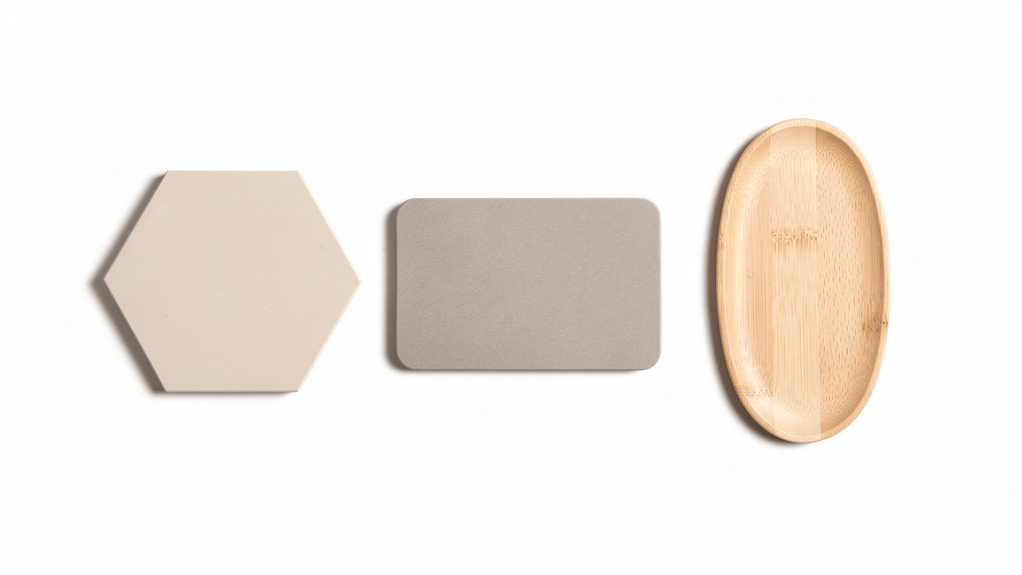
Specialty shapes such as hexagonal, rectangular, and oval coasters help you match a theme or logo more closely. A hexagon in the 3.5 to 4 inch flat‑to‑flat range gives similar coverage to a standard round but with a more geometric style. Rectangles around 4 x 3 inches fit long brand names or skyline artwork better than other shapes.
Custom die cut coasters use the longest horizontal and vertical points as the key measurements. When you order these, you should always give both numbers so the factory understands the exact area you need.
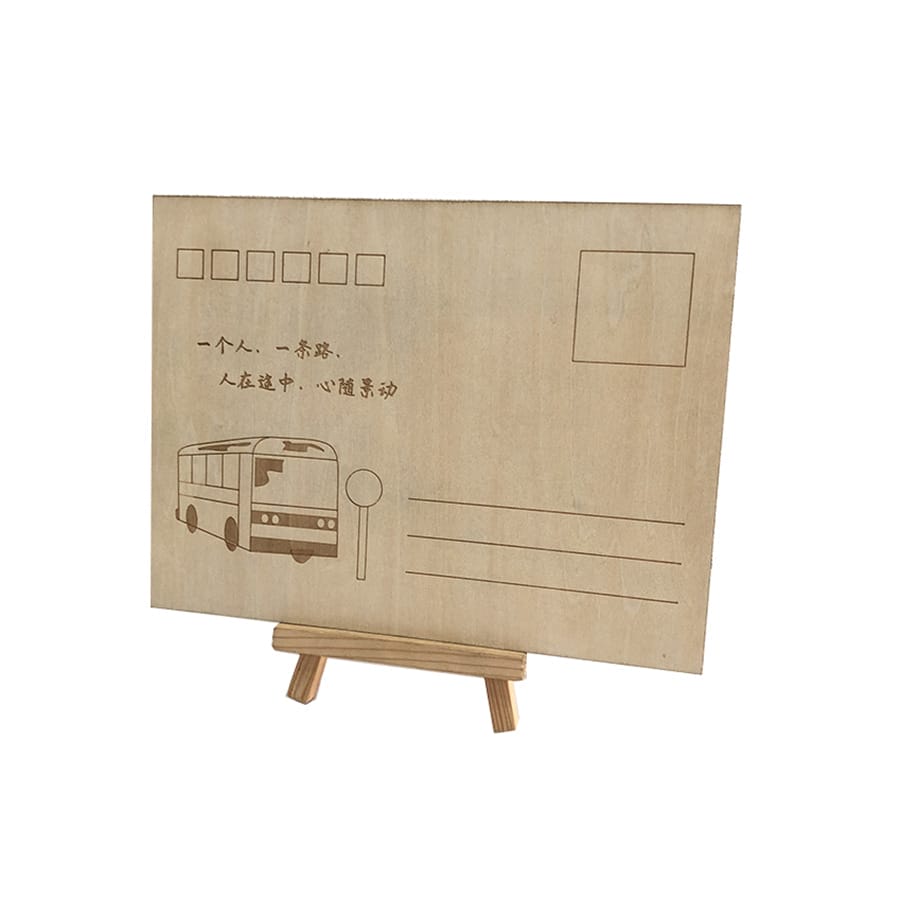
Qlychee Crafts often produces special sizes such as 14.3 x 14.3 x 0.8 centimeter square coasters and engraved wood rounds in 18, 22, and 30 centimeter diameters for trays or large mugs. Those examples show how custom sizing can support both function and design in one item.
Coaster Thickness Guide: How Material Impacts Dimensions

Width or diameter tells only part of the story because coaster thickness changes how it works in daily use. Thickness affects durability, absorbency, heat protection, grip on the table, and even how high‑end the piece feels in a customer’s hand.
Selecting the perfect materials and sizes not only protects surfaces but also enhances the overall aesthetics of your table setting.
Paper and Pulpboard Coasters
Pulpboard and paper coasters stay popular in bars and events because they are light, low cost, and very absorbent. The most common thicknesses are about 1 mm, 1.4 mm, and 2 mm, often called 40, 60, and 80 point stock.
- Thinner sheets suit single‑use promotions
- 1.4 to 2 mm feels firmer and can handle several rounds of drinks before they wear out
For high‑volume venues that care more about cost and absorbency than long life, this range offers excellent value.
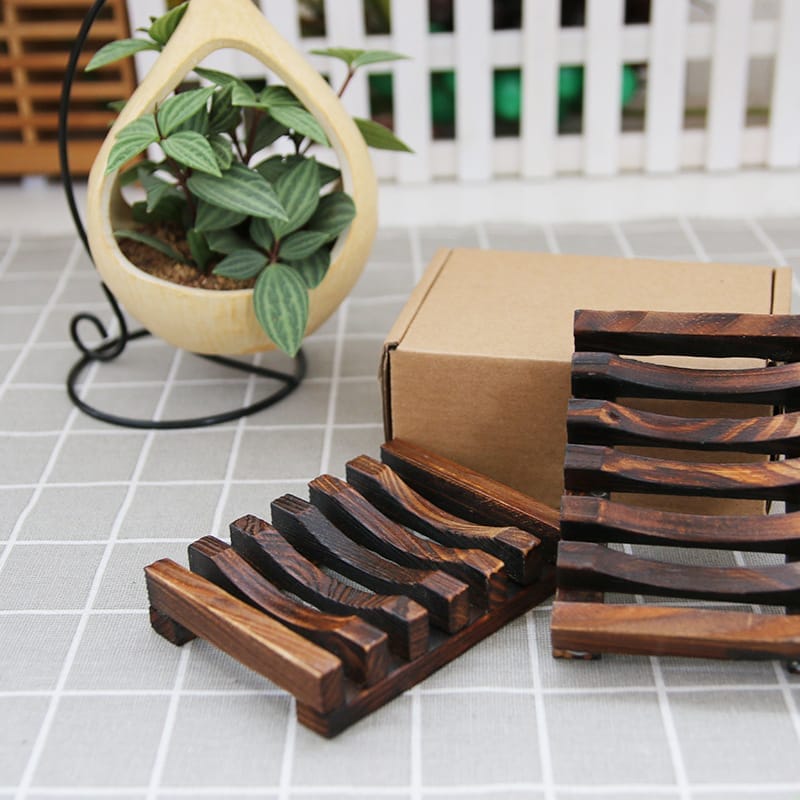
Wooden Coasters
Beautiful wooden coasters provide a warm, natural look and a solid feel. They add a touch of elegance to any table setting or corporate gift.
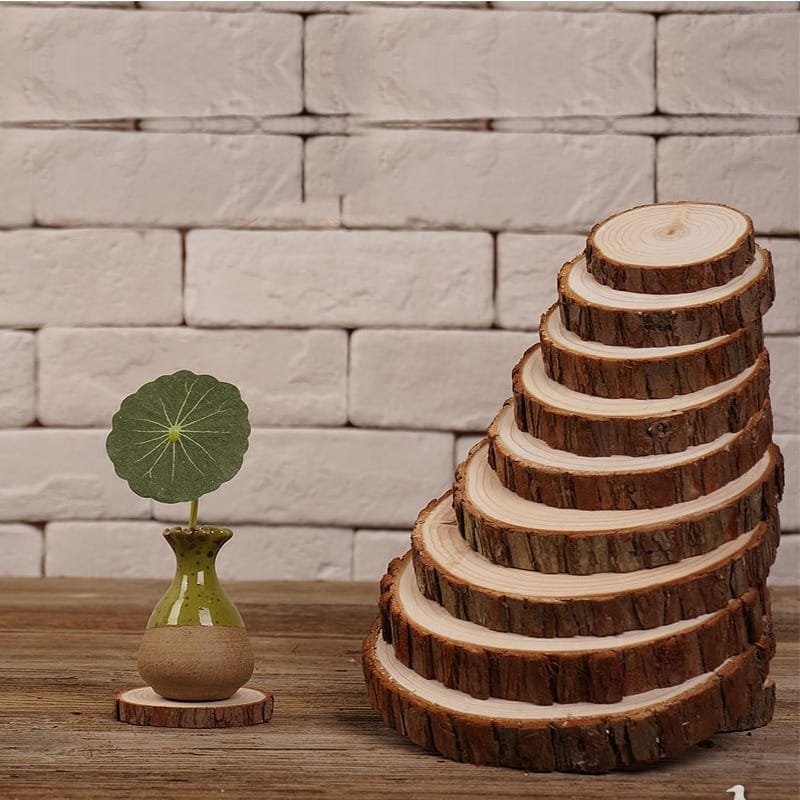
Most sit between ¼ inch and ½ inch thick (roughly 6 to 12 mm). Slimmer planks suit modern, flat designs, while thicker tree‑slice styles with visible grain feel more rustic and substantial.
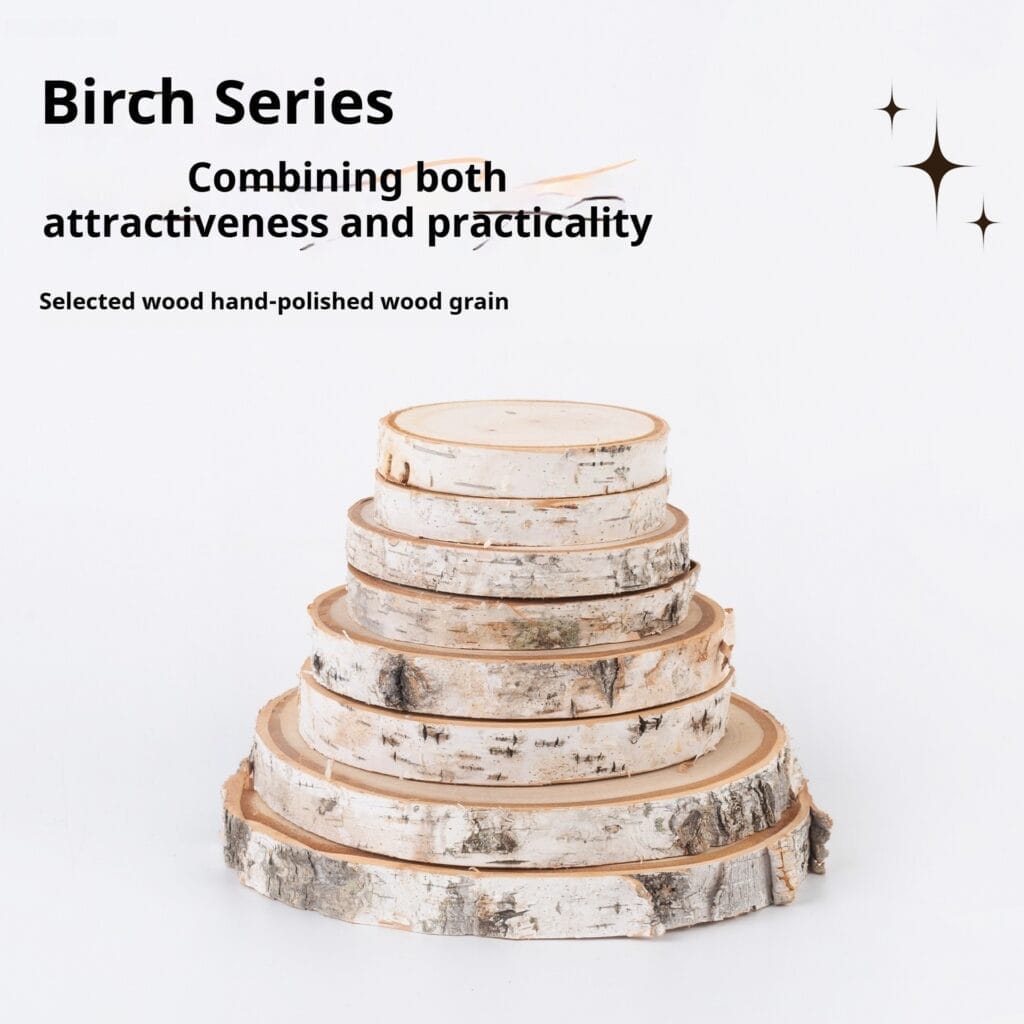
Qlychee Crafts uses woods such as bamboo, olive, maple, walnut, birch, and black walnut with carefully finished edges and a smooth water‑resistant surface, which helps prevent warping and cracking over time.
Stone Coasters: Slate, Marble, and Agate
Stone coasters in slate, marble, or agate need more thickness so they do not chip or break. A common thickness is about ⅜ inch (near 10 mm). Many pieces include a thin cork or felt pad under the stone, which adds another millimeter or two and protects furniture from scratches. The extra weight gives a solid, premium feel that works well for corporate gifts and high‑end retail.
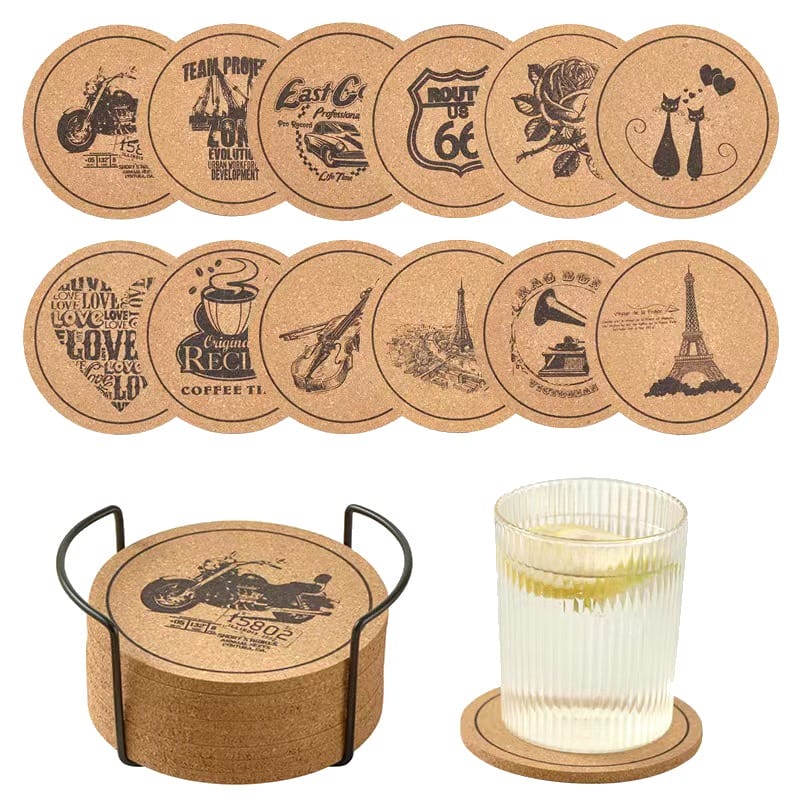
Cork Coasters
Cork coasters are light, quiet when you set them down, and naturally absorbent. Their thickness usually falls between ⅛ and ¼ inch (about 3 to 6 mm).
- Thinner cork feels flexible and suits slim packs or giveaways
- Thicker sheets stay flatter under heavy mugs and handle more condensation
For eco‑focused brands, cork offers a natural material that still controls moisture well.
Modern Materials
Modern coaster materials such as silicone, leather, and acrylic give you more style options.
- Silicone coasters sit around 2 to 3 mm thick and grip both the table and the glass, which helps in busy bars and on boat decks
- Leather coasters usually measure 3 to 4 mm, firm enough to hold shape but still soft under glassware
- Acrylic coasters often sit near ⅛ inch (about 3 mm) and work well when you want clear or colored pieces with printed art inside
When you plan your line, remember that thicker items weigh more and cost more to ship, so match thickness to actual use and price point.
How to Choose the Right Coaster Size for Your Business Needs
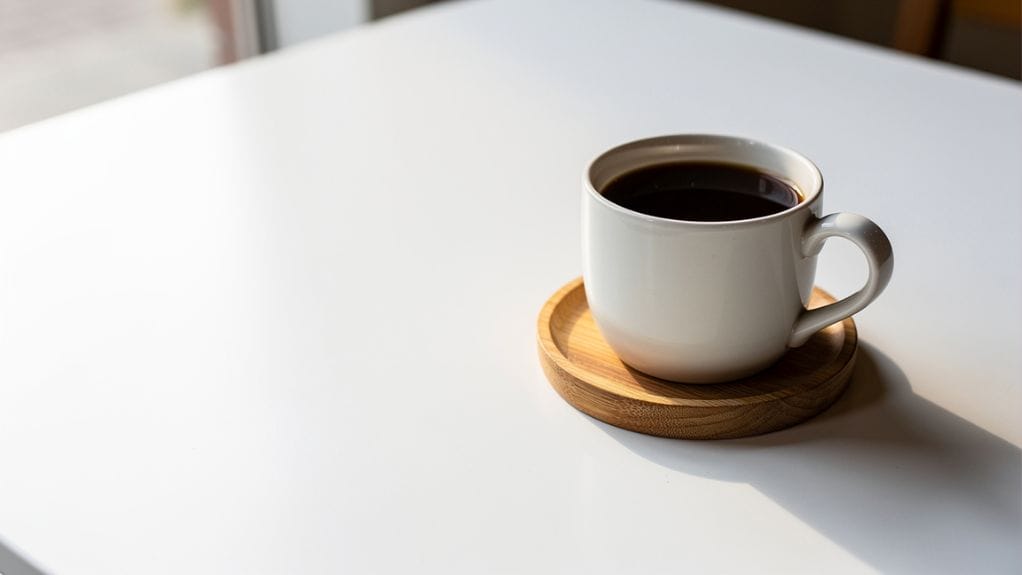
Picking coaster sizes is not just a simple product choice. It is a small but important business decision that affects guest comfort, table protection, storage, shipping costs, and how your brand appears every time someone sets down a drink.
The right coaster measurements depend on who your guests are, what they drink, and how you present your tables or product pages.
For Restaurant and Hospitality Supply Managers
If you run a bar, café, or hotel, function comes first.
- Use a standard 4-inch coaster (round or square) to cover almost every glass on your menu
- For busy bars, 2 mm pulpboard gives strong absorbency at a fair price
- In fine dining rooms or boutique hotels, move to 4-inch wood, slate, or leather coasters that feel heavier and match the rest of the table setting while staying in the same familiar size range
For E‑Commerce Entrepreneurs and Retail Store Owners
If you sell online or through home‑goods stores, variety and clear information matter most.
- Stock both 3.5 inch and 4-inch coasters to fit the widest range of customers and drinkware
- Add oversized 4.5 inch pieces for large mugs and design‑focused sets in hexagonal or oval shapes
- On every product page, list coaster diameter or width and thickness on their own line, and keep set or holder dimensions separate so buyers know exactly what fits their tables
For Corporate Gift and Promotional Product Buyers
For corporate and promotional orders, the coaster becomes a canvas for your logo.
- A 4-inch round or square size works well because it offers enough imprint space without feeling clumsy on a desk
- Custom shapes that follow a logo outline or product silhouette can add extra impact, as long as they still fall within a range that supports typical mugs and glasses
- Match the material to the client brand, such as sleek acrylic for tech companies or rich walnut for financial firms, so the size and style tell the same story
For Craft Supply and DIY Retailers
If you serve crafters and DIY designers, your customers depend on consistent blank sizes.
- Focus on 3.5 inch and 4-inch blank rounds and squares in materials such as unfinished wood, cork, and unglazed ceramic
- Makers often combine pieces from several packs into sets, so tight size control helps them line up designs and stack coasters neatly
Qlychee Crafts supports these needs with flexible minimum order quantities around 50 to 100 pieces and accurate sizing across each batch of blanks.
Custom Coaster Sizes: When and Why to Go Beyond Standard

Standard sizes dominate coaster catalogs because they work for most situations. Still, there are times when custom coaster sizes can support your brand, your space, or your drink menu far better than a basic 4-inch round. With thoughtful planning, custom sizing can give you a clear edge without adding confusion.
Valid Reasons for Custom Sizing
Custom sizes make sense when you want your coasters to stand out the moment someone sits down. A slightly larger or smaller piece can become part of your visual identity and stay in guests’ minds long after the meal or event.
Good uses for non‑standard sizing include:
- Extra‑large coasters between 4.5 and 5 inches for giant beer steins, wide soup mugs, small bowls, and shared appetizers
- Smaller 3-inch coasters for espresso bars, tasting rooms, or cocktail lounges that use narrow glassware and tight tables
- Promotional coasters that double as mini placemats, boosting logo visibility and reducing the chance customers throw them away
- Sizes planned around specific furniture layouts so every place setting looks measured and intentional
When Custom Makes Business Sense
Custom sizing usually pays off best when you place higher‑volume orders, create premium lines, or serve corporate clients with very specific brand needs. Once tooling and testing are in place, your special size can stay in production for repeat orders at stable pricing. For brands in crowded markets, a distinct coaster size helps your products stand out on store shelves and in social media photos.
Qlychee Crafts supports full customization on size, shape, and thickness for wooden coasters, along with options for wood species, color finish, and engraving style. An in‑house team of eight designers and ten engineers offers free design help so you can match coaster measurements to your logo layout and drinkware.
Custom orders may change minimum quantities and timelines, yet a clear brief at the start keeps the process smooth. Over time, a consistent custom size can become part of how customers recognize your brand in homes, offices, and hospitality spaces.
Conclusion
The basic answer to the question about the size of a coaster stays simple: for most uses, a coaster that measures between 3.5 and 4 inches across gives the best balance of coverage and table space. Yet informed buyers know that the real decision also includes diameter or width, thickness, shape, and the choice between standard and custom dimensions.
The right coaster size protects surfaces from water rings and heat, supports every type of drink on your menu, and gives enough room for logos or artwork without crowding the table. Good sizing also reduces returns, since customers receive exactly what they expect from your product photos and measurements. When you match coaster dimensions to drinkware and setting, a small accessory becomes a daily contact point with your brand.
Qlychee Crafts helps you move from rough guesses to precise specs with both standard and custom wooden coasters. You can choose from sustainable materials such as bamboo, walnut, maple, and birch, all finished to resist warping and cracking even under heavy use. Flexible minimum order quantities starting around 50 to 100 pieces, along with one‑stop service for design, production, quality checks, and logistics, make it realistic to dial in the exact coaster size you need.
“Good design is obvious. Great design is transparent.” — Joe Sparano
If you want coasters that protect your tables and quietly tell your brand story with every drink, now is the right time to define the dimensions that fit your business best.
FAQs
Question 1: What Is the Most Common Coaster Size?
The most common coaster size measures between 3.5 and 4 inches across. For round coasters, this means diameter, and for square coasters, it means width from side to side. That range covers well over ninety percent of standard drinkware bases.
It works across materials such as wood, cork, stone, and paper, so you can keep sizing consistent even when you change styles. In metric form, think of this as roughly 8.9 to 10.2 cm.
Question 2: How Thick Should a Good Coaster Be?
Ideal coaster thickness depends on material and how often guests use it:
- For paper or pulpboard, 1.4 to 2 mm feels firm enough for reusable quality in bars and tasting rooms
- Wooden coasters do well between ¼ and ½ inch (about 6 to 12 mm), so they resist bending and heat without feeling bulky
- Stone coasters usually sit near ⅜ inch (around 10 mm) for strength
- Cork pieces fall between 3 and 6 mm, which strikes a good balance between absorption and rigidity
Qlychee Crafts selects thickness for each wood type with care to avoid warping while keeping stacks comfortable in holders.
Question 3: What Size Coaster Do I Need for a Coffee Mug?
For a regular coffee mug, a 4-inch coaster gives ideal coverage for the base and room for drips. If you serve oversized mugs or travel tumblers with wider bottoms, a 4.5 inch coaster provides safer coverage with less risk of water reaching the table.
Espresso cups and small tea cups sit well on 3.5 inch coasters and help free up space on small café tables. Square coasters in 4 x 4 inches work just as well for mugs because their corners extend coverage beyond the round base.
Question 4: Are Round or Square Coasters Better?
Neither round nor square coasters are better in every case, and both shapes protect tables well when you size them correctly.
- Round coasters line up neatly with the circular base of glasses and mugs and have no corners that might chip
- Square coasters give a modern look, stack easily, and offer clear edges for detailed engraving or logos that read left to right
A 4-inch round and a 4-inch square give very similar protection, so the right choice often comes down to your brand style and how you plan to store or display your sets. Qlychee Crafts offers both shapes in matching woods so you can build coordinated product lines.
Question 5: Can I Get Custom Sized Coasters for My Business?
Yes. Custom sized coasters are very realistic for business orders, and they can help you stand out. Qlychee Crafts specializes in custom wooden coasters where you control size, shape, wood type, color finish, and engraving details.
Minimum order quantities that start around 50 to 100 pieces make special sizes realistic even for smaller brands or pilot runs. Custom sizing works especially well when you support special drinkware, build themed collections, or design high‑impact promotional gifts.
The Qlychee Crafts team offers free design support from experienced designers and engineers, and custom projects often add only one or two weeks to normal production. With clear specs from the start, you can receive custom coasters that fit your brand and your drink service as closely as your logo itself.