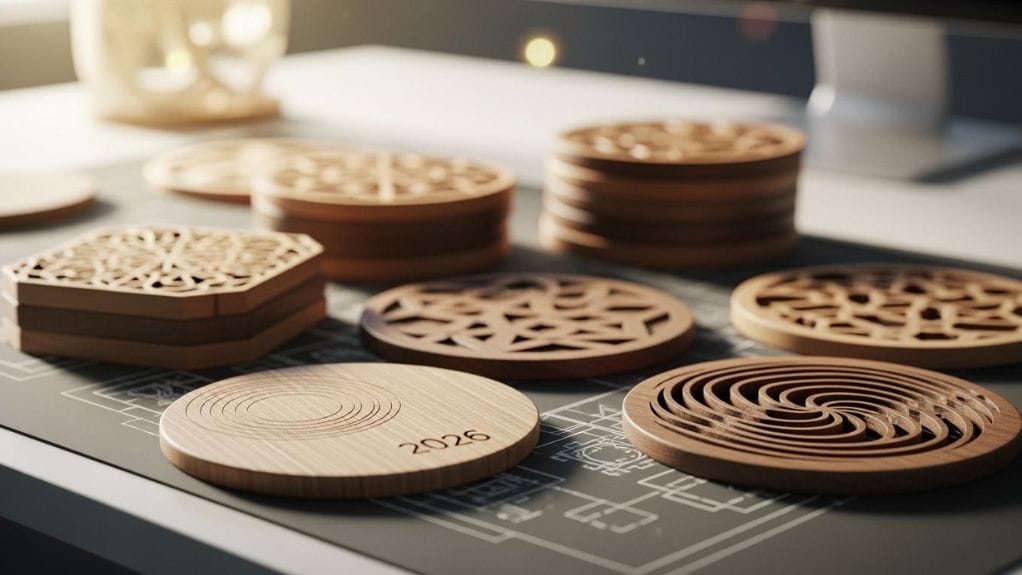
Sealing wood coasters is essential if you want them to last more than a few busy weekends. Done well, sealing wood coasters keeps out moisture, stops stains and warping, and protects your brand from complaints and returns. A thin film of the right wood coaster sealant often decides whether a set looks tired after a month or still feels fresh after a full season of service.
Unsealed wooden coasters soak up condensation and spills. That moisture seeps into the grain, causes swelling and shrinkage, and leaves white rings that never quite wipe away. On thin pieces or plywood, the top can swell more than the bottom, and a once-flat coaster starts to rock on the tabletop. If you sell to restaurants, hotels, or online shoppers, that kind of failure quickly turns into bad reviews.
At Qlychee Crafts, we have more than a decade of experience finishing wood coasters at scale with automated spray lines and eco-minded coatings. This guide walks through how to seal wood coasters with polyurethane, epoxy resin, spar urethane, lacquer, and shellac, plus safe oil and wax options. You will learn how to choose the best finish for your coaster design, how to seal painted or wood burned coasters, and how to keep sealed wooden coasters flat and good-looking in daily service.
Key Takeaways
- Sealing wood coasters creates a barrier against water rings, stains, and swelling, so coasters last longer and keep their color and grain.
- Strong film finishes such as polyurethane, epoxy resin, and spar urethane give the best water resistance; food-safe oils, waxes, and specialty lacquers work better when coasters may touch food.
- Good technique matters as much as product choice: seal every surface, use several thin coats, and test over paint or stain to avoid warping, cloudy patches, and returns.
Why Sealing Wood Coasters Is Essential?

Wood looks solid, but it behaves like a sponge around water, with the influence of the wood’s cellular structure determining how quickly moisture penetrates the grain and causes damage. When a cold glass sweats on an unsealed coaster, condensation soaks into the surface and down into the pores. Over time, that cycle of wet and dry causes swelling, hairline cracks, curled edges, and permanent water rings that no cleaning spray can fix.
Painted or printed designs suffer too. Moisture can lift the paint film, blur fine lines, and turn bright colors dull. On thin plywood and MDF coasters, moisture on only one face makes that side expand more than the other, so the piece bows and turns into a little rocker instead of a flat, stable disc.
Sealing with clear polyurethane, epoxy, or spar urethane adds a protective layer that keeps water out and makes cleaning simple. The finish also locks in engraving details and protects printed logos. At Qlychee Crafts, every finished coaster line receives a professional sealing system so products arrive ready for immediate use or resale.
Best Finishes for Wood Coasters: A Detailed Comparison

Once you decide to learn how to seal wood coasters, the next step is picking the right finish. The best choice depends on where the coasters will live (home, office, café, or bar), how hard they will be used, and whether any part of the surface may touch food.
Here is a quick overview before we look at each option.
| Sealant Type | Best For | Typical Look | Key Points |
|---|---|---|---|
| Polyurethane | General use, restaurants, offices | Clear or slightly warm, various sheens | Durable, great all-round choice, needs multiple coats and cure time |
| Epoxy Resin | Heavy moisture, premium sets | Thick, glassy, high gloss | Extremely water-resistant, slower process, higher material cost |
| Spar Urethane | Outdoor or sunny areas | Warm, natural | Flexible film, strong moisture and UV resistance |
| Lacquer | Fast production, furniture-style sets | Very clear, smooth | Dries quickly, easy to repair, strong fumes when spraying |
| Shellac | Light-use, non-alcoholic drinks | Warm, classic | Natural resin, not suitable near alcohol or strong cleaners |
1. Polyurethane (Oil-Based and Water-Based)
Polyurethane forms a hard, clear film and is one of the most popular options for waterproof wood coasters. Oil-based poly adds a warm amber tone that highlights grain, while water-based poly dries clear and keeps light woods and bright acrylic colors looking crisp. Both are available in matte, satin, and gloss, so you can pick the sheen that fits your brand.
Once fully cured, polyurethane offers strong water and scratch resistance, even in high-traffic settings like bars, cafés, and corporate offices. Plan on several thin coats with careful drying time between them, plus a full cure period before heavy use. With water-based versions, always coat both faces and all edges evenly so added moisture does not warp thin blanks. Qlychee Crafts uses automated spray systems to keep polyurethane layers consistent across large batches.
2. Epoxy Resin
Epoxy resin is a two-part product that cures into a thick, glassy surface. When you want to make coasters waterproof in the strongest way possible, epoxy is tough to beat. It self-levels into a smooth layer and, once hardened, becomes a plastic shell that liquids cannot pass through.
Epoxy is excellent for coasters with inlays, deep engravings, or complex coaster design ideas because it fills gaps and locks small pieces in place. It gives a deep, high-gloss look that suits premium retail sets and custom gifts. The tradeoff is process: you must mix accurately, pour in a clean, ventilated area, and allow generous curing time.
3. Spar Urethane
Spar urethane is a type of polyurethane designed for outdoor use and shifting temperatures. It stays a bit more flexible than standard poly, so the film can move with the wood instead of cracking. This makes it a smart choice when you need waterproof coasters for patios, pool areas, or open-air bars.
You can buy spar urethane in brush-on or spray formulas. It offers strong moisture and UV resistance, helping colors and grain hold up near windows and outdoors. Drying is slower than many interior products, and you will usually need several light coats with sanding between them for a smooth finish. Keep coat counts equal on both sides of each coaster to keep them flat.
4. Lacquer
Lacquer is a clear, solvent-based finish known for its clarity and smooth feel. Many furniture makers rely on it, and it gives wooden coasters a very polished look. Once dry, lacquer forms a hard surface that resists scratches and everyday wear.
Its main advantage is speed: you can spray several thin coats in a single day, and each layer bonds to the previous one. Light sanding or steel wool between coats leaves a silky surface. If the finish is damaged, a fresh coat melts into the old one, which makes touch-ups simple. Because lacquer has strong fumes, many brands choose lacquer-finished coasters from factories like Qlychee Crafts that already have safe spray booths and quality controls.
5. Shellac
Shellac is a natural resin that dries fast and gives wood a warm, classic glow. It seals porous woods quickly, builds in thin layers, and sands easily, which many small makers appreciate.
There are two big limits. Shellac dissolves in alcohol, so it fails under wine glasses, cocktails, or spirits, and some water-based acrylic paints can turn cloudy under it.
For that reason, shellac makes more sense for decorative coasters, coffee and tea service, and coasters made for light home use with non-alcoholic drinks. For bars and restaurants, Qlychee Crafts usually recommends polyurethane, spar urethane, or epoxy instead.
Step-by-Step Guide: How to Seal Wood Coasters Properly
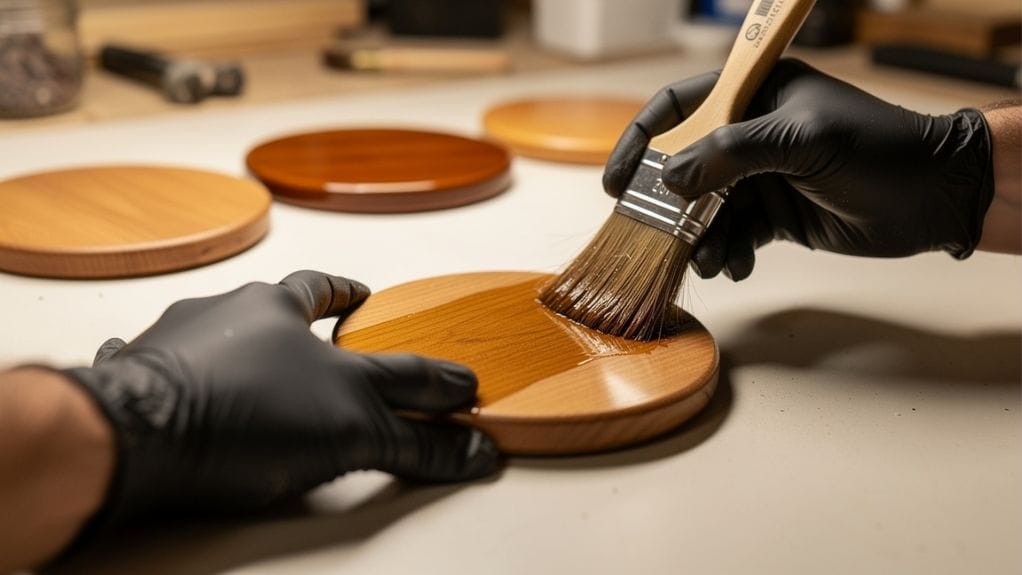
Knowing which product to use is only half of how to seal wood coasters. The other half is application: good surface prep, thin coats, and patient drying. The steps below work with most clear sealers, including polyurethane, epoxy resin, lacquer, and shellac.
If you buy unfinished blanks from Qlychee Crafts or want to refresh existing stock, you can follow this outline yourself or hand it to your production team.
Step 1: Surface Preparation
- Sand each wood coaster up to about 220 grit to remove machine marks, rough end grain, and sharp edges.
- On wood burned coasters, sand lightly, so you smooth raised fibers without erasing your artwork.
- Wipe away dust with a tack cloth, compressed air, or a lint-free rag (slightly dampened with mineral spirits for oil-based products).
- Set up a clean, well-ventilated area; cover racks when working with epoxy to keep lint and bugs away while the resin cures.
Step 2: Apply the First Coat
Choose your method based on the sealer: brush for polyurethane, spray for lacquer or spar urethane, and pour-on for epoxy resin. Aim for a thin, even coat without puddles.
Coat the top, bottom, and all edges in the same session. This balanced approach is one of the most important parts of how to seal wood for coasters, because it keeps moisture movement even and helps prevent warping. Let the first coat dry for as long as the manufacturer recommends before touching or sanding.
Step 3: Sand Between Coats
Once the first coat is dry and no longer tacky, lightly sand with very fine sandpaper (around 320 grit) or extra-fine steel wool. You are only knocking down raised grain and tiny dust nibs, not sanding back to bare wood. Wipe the surface clean so each new coat bonds well and dries clear.
Step 4: Apply Multiple Coats
Repeat the same process for additional coats. For polyurethane, lacquer, and shellac, plan on at least three light coats for good protection. Epoxy coats are thicker, so two or three pours often do the job, with full curing time between each.
Keep each coat thin and apply the same number of coats to every face and edge. Several gentle passes give far better results than one heavy coat that runs or traps bubbles.
Step 5: Final Inspection and Quality Control
After the last coat has fully dried, inspect each coaster under good light. Check for missed edges, runs, or rough spots where dust landed. Lightly sand and touch up any problem areas.
For wholesale runs, this step is where Qlychee Crafts puts a lot of attention. Every batch goes through visual and touch checks so sets arrive with consistent gloss, thickness, and feel.
“Measure twice, cut once.” – old woodworking proverb
The same idea applies to finishing: methodical prep prevents many problems later.
Common Mistakes to Avoid When Sealing Wood Coasters
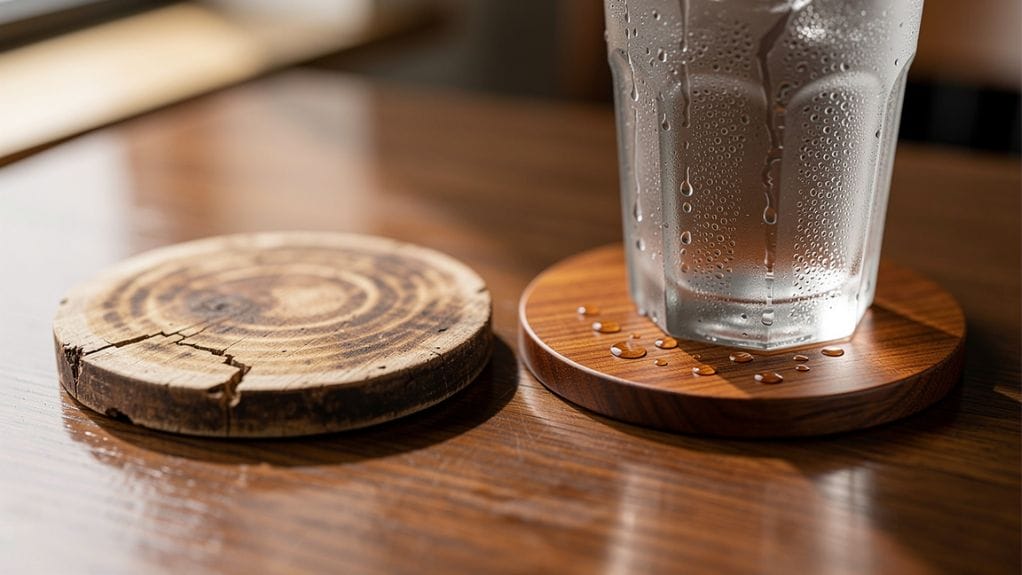
When people search for how to seal a coaster, they often fixate on product choice and skip technique. A few repeated mistakes cause most problems with sealed coasters.
Mistake 1: Sealing Only One Side
Coating only the top face creates an imbalance: the sealed side slows moisture exchange while the unsealed side absorbs or releases humidity more quickly. That uneven movement makes the coaster cup, warp, or develop edge lift over time.
To prevent distortion, apply the same number of coats to the top, bottom and all edges, and let each coat cure fully before flipping the piece for the opposite side.
Mistake 2: Applying Heavy Coats
Thick layers of finish are prone to runs, drips and pooling, which cure unevenly and leave defects that are hard to fix. Heavy coats also take much longer to dry and can trap solvents underneath.
Instead, build the finish with several thin, even coats—wipe or roll out runs immediately, follow manufacturer recoat windows, and allow proper drying time between layers for a smoother, more durable surface.
Mistake 3: Skipping Sanding Between Coats
Every coat raises the wood grain and can attract dust, lint or tiny bubbles. If you skip the light sanding step, subsequent coats may not adhere well and the final surface will feel rough or show imperfections.
Use a fine-grit sandpaper (220–320) or a fine abrasive pad to quickly scuff each cured coat, remove dust with a tack cloth, and then apply the next thin coat.
Mistake 4: Using the Wrong Sealant
Not all sealants behave the same with heat, alcohol, oils or sunlight. Shellac, for example, softens with alcohol and will degrade under wine or spirits; some water-based finishes can turn hazy over certain pigments or over varnished prints.
Choose a sealant rated for the expected exposure—food-safe options for drinkware, alcohol-resistant finishes for barware, and UV-stable or hardwearing topcoats for high-use items.
Mistake 5: Not Testing Over Paint or Prints
Applying a clear coat directly over acrylic paint, printed transfers or Mod Podge without testing can lead to wrinkling, clouding, or poor adhesion. Different products interact unpredictably. Always run a full-stack test on a scrap coaster—apply the same paint/print, cure times, and topcoat sequence you plan to use—so you can confirm compatibility, cure times, and final appearance before committing your production run.
For wholesale buyers, avoiding these issues means fewer returns, less wasted stock, and better ratings. Working with a specialist like Qlychee Crafts helps keep those headaches off your plate.
Maintaining and Caring for Sealed Wood Coasters
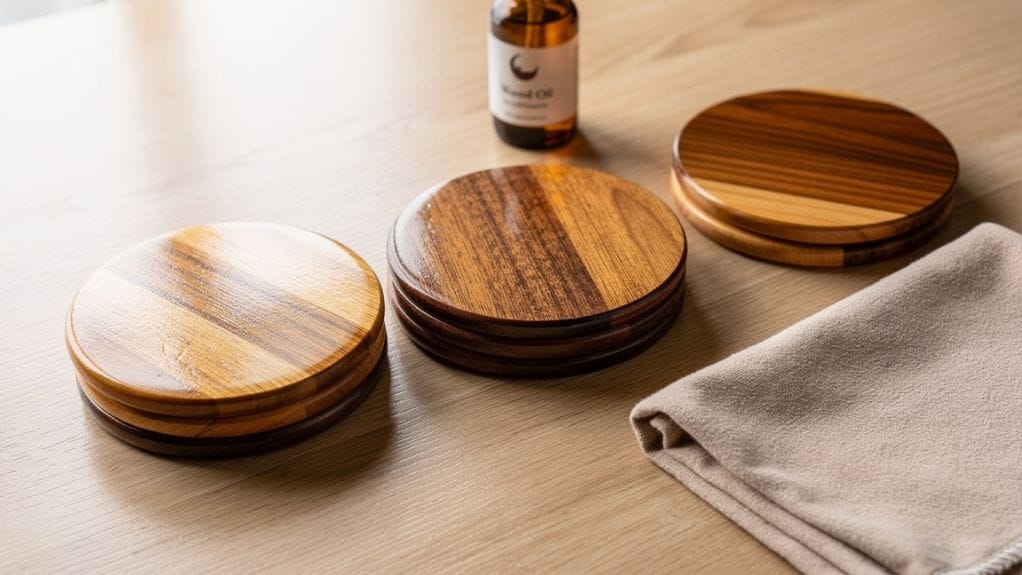
Once you understand how to seal wooden coasters and your stock arrives with a good finish, proper care keeps them looking sharp. Even the best sealer needs basic respect.
Day to day, wipe coasters with a damp cloth and dry them soon after. Do not soak them in a sink or run them through a dishwasher; high heat and harsh detergents can break down finishes like polyurethane, lacquer, or epoxy resin over time.
For high-use venues, consider a light refresh every six to twelve months: a quick sanding and one new coat of the original finish can restore gloss and water resistance. Store spare stock flat in a dry, stable room away from heaters or direct sunlight to reduce warping and fading.
Including simple printed care cards with your Qlychee Crafts orders helps customers understand how to treat their coasters and what normal wear looks like.
Conclusion
Learning how to seal wood coasters well is one of the easiest ways to protect both your products and your reputation. The right wood coaster sealant, applied in thin, even coats on every surface, keeps condensation and spills from turning strong designs into problem items.
For heavy service, clear polyurethane, epoxy resin, spar urethane, or a durable varnish deliver long‑lasting water resistance. Food-safe oils, waxes, and specialty lacquers cover tabletop and food-contact needs. Qlychee Crafts combines quality woods, eco-minded finishes, and automated spray lines to provide both pre-finished drink coasters and unfinished blanks that hold up in real service.
FAQs
What Is the Best Sealant for Wood Coasters?
The best sealant depends on where and how the coasters will be used. For most restaurants, offices, and home bars, oil-based or water-based polyurethane gives strong protection with several sheen options.
For very wet or premium lines, epoxy resin provides the toughest waterproof barrier and a deep, glossy look, while spar urethane suits outdoor use.
Can I Use Shellac to Seal Wood Coasters?
You can use shellac on wood coasters for coffee, tea, and light home use. It dries fast and makes grain glow, but it softens in contact with alcohol and some strong cleaners. For bars, restaurants, or heavy drink service, choose polyurethane, spar urethane, or epoxy instead.
How Do I Prevent Wood Coasters From Warping After Sealing?
Prevent warping by treating every surface the same way. Seal the top, bottom, and all edges with the same number of coats, and let each coat dry fully before the next. Dry coasters on points or a rack that lets air move around both faces at once.
Are There Food-Safe Sealants for Wood Coasters?
Yes. Food-grade mineral oil, blends based on coconut or olive oil, soy wax, and paraffin wax can all protect coasters that may touch food. Some specialty lacquers and wood wax oils are also made for food contact; always read labels carefully.
Qlychee Crafts offers coaster lines treated with food-grade oils and waxes so you can match finishes to your safety standards.
Is Tung Oil Suitable for Wooden Coasters?
Yes, with conditions. Tung oil soaks into wood and gives a warm, natural finish and some moisture resistance, making it a good choice for decorative or light‑use coasters. For heavy commercial use, constant condensation, or long liquid exposure, tung oil alone is less protective than film‑forming finishes such as polyurethane, epoxy resin, or spar urethane.