Wooden spoons remain a staple in many kitchens. Their enduring popularity comes from their gentle nature on cookware. Choosing the right type of wood is crucial for durability, safety, and performance. Not all wood types are equal for kitchen utensils. Understanding what are wooden spoons made of helps select the ideal tool.
Key Takeaways
- Hardwoods like maple and cherry are best for wooden spoons. They are strong and safe for food.
- Avoid softwoods like pine. They can splinter and hold germs.
- Always choose natural, untreated wood. Chemicals can harm your food.
- Clean your wooden spoons by hand. Use mineral oil to keep them nice.
- Good wooden spoons last a long time. They do not scratch your pans.
What are Wooden Spoons Made Of: Ideal Wood Characteristics

Understanding what are wooden spoons made of helps consumers choose the best kitchen tools. Ideal wood for utensils possesses specific qualities. These characteristics ensure durability, safety, and good performance in the kitchen. The right wood choice also impacts how long a spoon lasts and how well it resists bacteria.
Hardwoods Preferred for Utensils
Spoon manufacturers often choose hardwood for kitchen utensils. Hardwoods offer superior density and a fine grain. These features contribute to the spoon’s longevity and hygiene. Dense wood resists absorbing liquids and odors. Hardwoods with a fine grain also prevent bacteria from settling into pores. This makes them easier to clean. Hardwood also withstands high temperatures better than softer woods. This makes it ideal for stirring hot dishes. A good hardwood spoon will last for many years with proper care.
Food Safety and Non-Toxic Qualities
Food safety is paramount for kitchen tools. The best types of wood for spoons are naturally non-toxic. They do not leach harmful chemicals into food. Untreated wood is always the safest choice. Avoid any wood with chemical finishes or stains. These chemicals can transfer to food during cooking. Natural wood provides a safe and healthy option for food preparation.
Grain Structure and Splinter Resistance
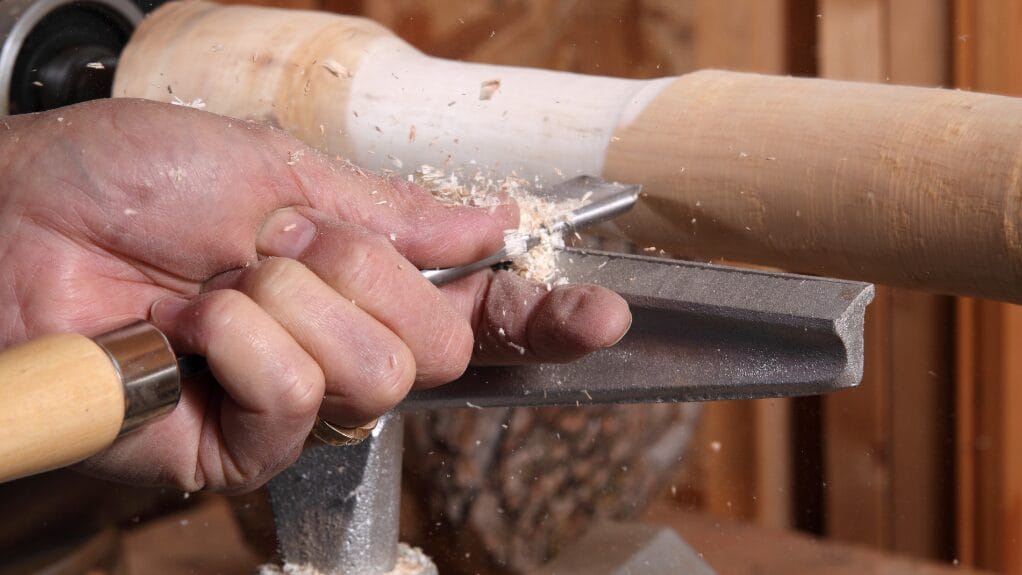
A wood’s grain structure greatly affects its suitability for spoon carving. Diffuse-porous woods are often preferred for spoon carving. They have an even texture. This evenness makes them less likely to splinter during use or spoon carving. Green wood, freshly cut wood, is also beneficial for spoon carving. Its softer nature makes spoon carving easier.
Maintenance and Seasoning
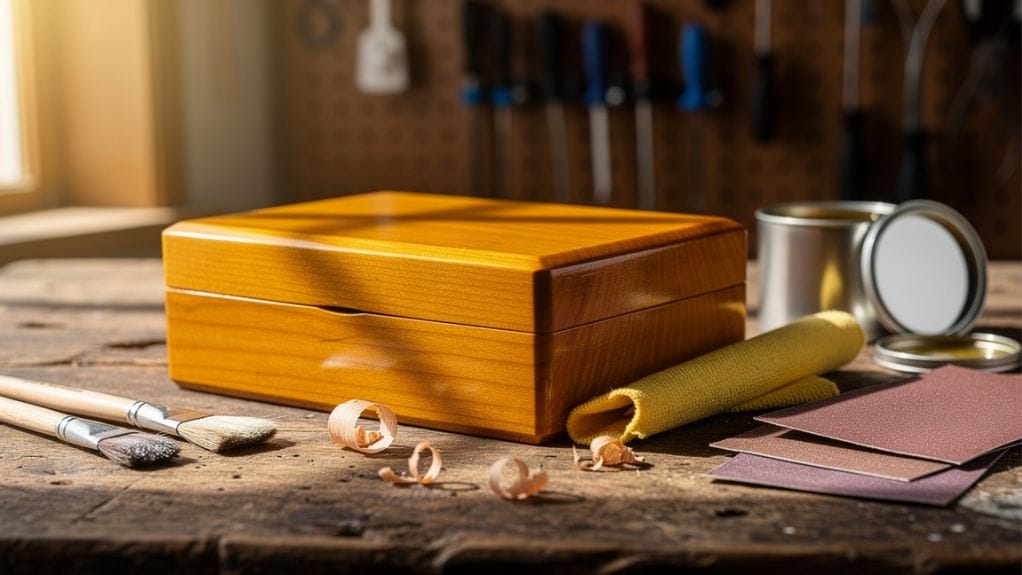
Proper maintenance extends the life of wooden spoons. Regular seasoning with food-grade mineral oil protects the wood. This process helps maintain the wood’s integrity. It also prevents drying and cracking. Knowing what are wooden spoons made of helps with proper care.
Best Wood for Making Kitchen Spoons: Top Choices

Choosing the best wood for making kitchen spoons involves considering several factors. These include durability, aesthetics, and ease of use. Different wood types offer unique benefits. This section explores the top choices for kitchen utensils.
Maple: The Durable All-Rounder
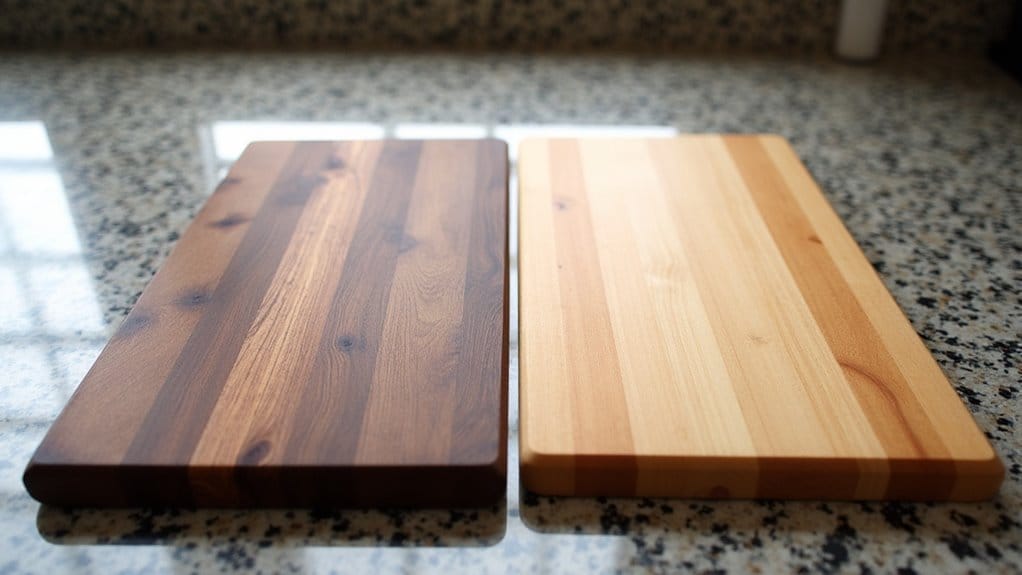
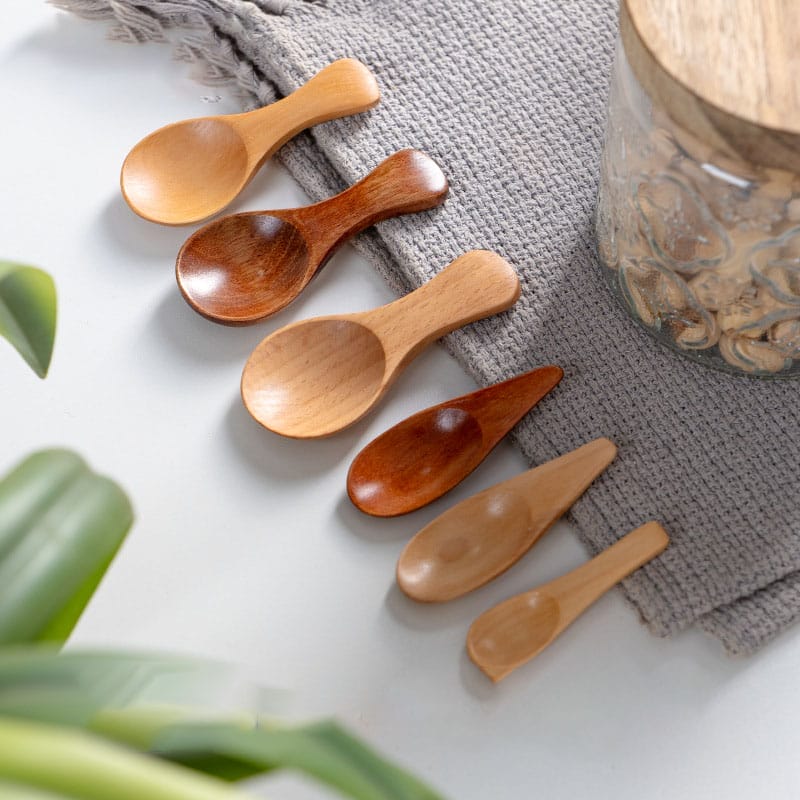
Maple stands out as an excellent choice for kitchen utensils. It is a hardwood known for its exceptional durability and fine, tight grain. This dense structure makes maple highly resistant to absorbing odors and stains. Maple wood typically has a light, creamy color. It often features subtle grain patterns. Its hardness means maple spoons withstand daily use and frequent washing very well. Maple is also a good option for spoon carving due to its consistent texture. It does not splinter easily.
Cherry: Elegant and Stable Wood
Cherry wood offers both beauty and functionality. It has a rich, reddish-brown color that deepens over time. Cherry wood also features a smooth, fine grain. This makes it resistant to stains and odors. Cherry is a stable wood, meaning it resists warping and cracking. This stability makes it a reliable choice for kitchen tools. Many people enjoy cherry for spoon carving because it carves smoothly and holds detail well. Its elegant appearance adds a touch of sophistication to any kitchen.
Beech: Economical and Reliable Hardwood
Beech is another popular hardwood for kitchen utensils. It is known for its light color and uniform grain. Beech is strong and durable, making it a reliable option for everyday use. It resists dents and scratches effectively. Beech wood is also relatively economical, offering good value. Its consistent texture makes it suitable for spoon carving. Beech spoons are easy to clean and maintain. They do not impart any flavor to food.
Olive Wood: Unique Beauty and Natural Oils
Olive wood is highly prized for its distinctive grain patterns and warm, golden color. Each piece of olive wood is unique, showcasing beautiful swirls and knots. This wood contains natural oils. These oils contribute to its natural antibacterial properties and resistance to odors and stains. The oils also help preserve the wood, giving it a long lifespan. Olive wood is dense and hard, making it very durable. It is a premium choice for kitchen utensils.
Walnut: Rich Color and Strength
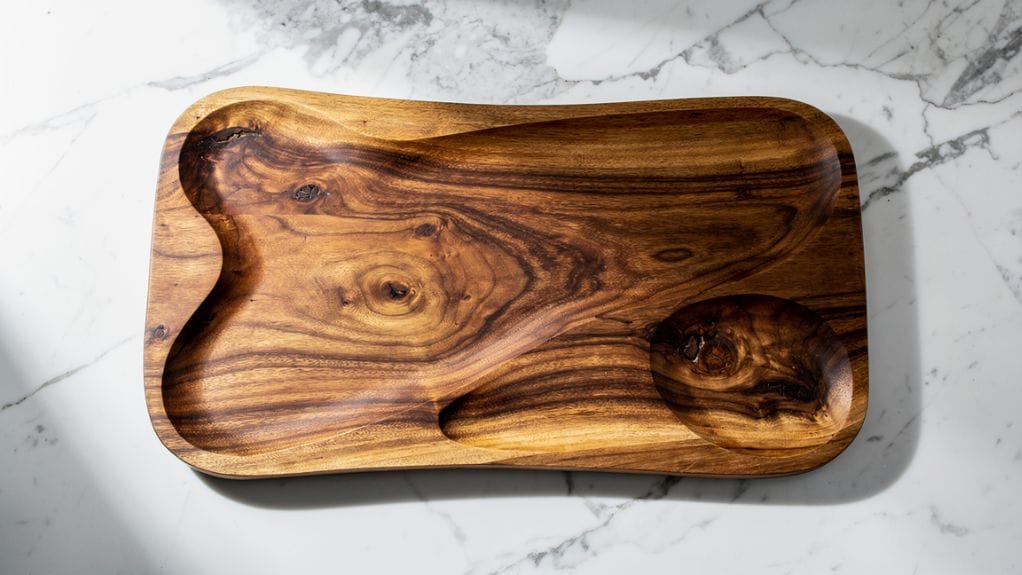
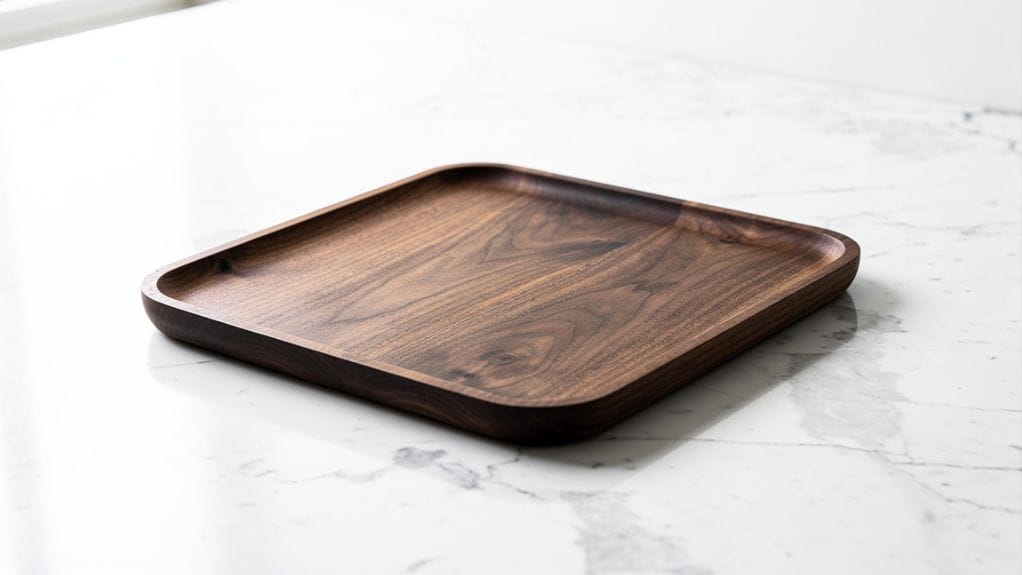
Walnut wood offers a deep, rich brown color that can range from light to dark chocolate tones. It has an attractive grain pattern. Walnut is a strong and durable wood. It resists wear and tear effectively. While slightly softer than maple, walnut still performs well in the kitchen. Its beautiful appearance makes walnut spoons a decorative as well as functional item. Walnut is also a good choice for spoon carving, allowing for intricate designs.
Bamboo: Sustainable and Lightweight
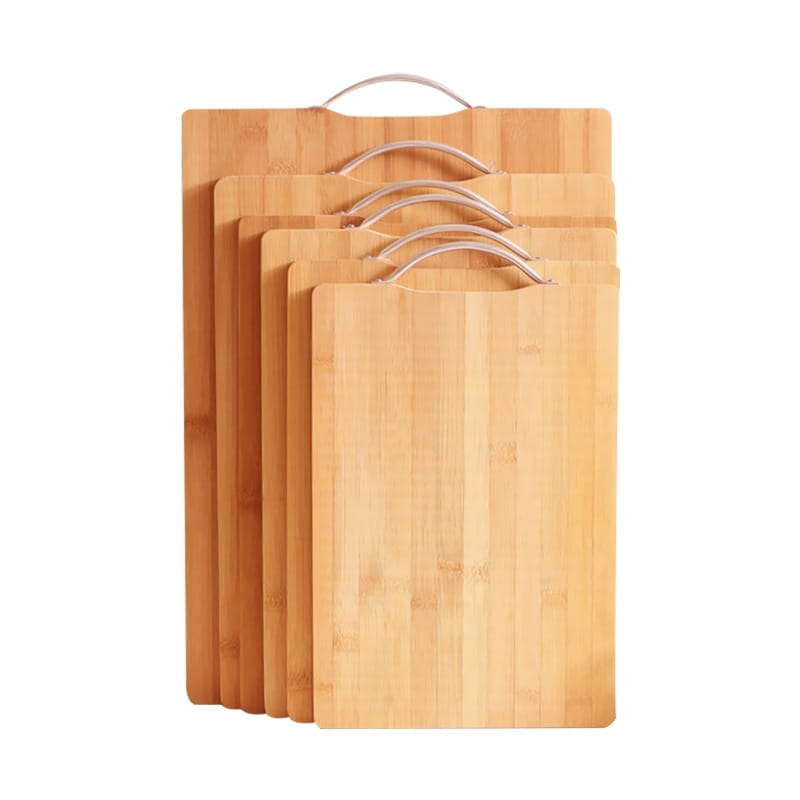
Bamboo is a highly sustainable option for kitchen utensils. Technically a grass, bamboo grows rapidly and regenerates quickly. It is lightweight yet incredibly strong and durable. Bamboo resists water absorption, which helps prevent swelling and cracking. It also naturally resists bacteria. Bamboo utensils are gentle on cookware surfaces. They do not scratch non-stick pans. Bamboo’s light color and smooth texture make it a popular choice for eco-conscious cooks.
Overall Best Woods for Durability and Aesthetics
Beyond these top contenders, several other woods also make excellent kitchen utensils.
- Mesquite offers exceptional hardness and unique grain.
- Sycamore provides a light color and fine texture.
- Birch, especially Scandinavian birch, is a common choice for its strength and light appearance.
- Apple, pear, and plum are fruitwoods. They are dense and excellent for spoon carving.
- Alder is a softer hardwood that carves easily. It has a light color.
- Willow is also easy for spoon carving due to its pliable nature.
The best woods for kitchen spoons combine durability, food safety, and aesthetic appeal. They ensure your utensils last for years.
Woods to Avoid for Spoons

Choosing the right wood for kitchen utensils is crucial. Just as some woods excel, others pose risks or perform poorly. Understanding these unsuitable types helps ensure kitchen safety and tool longevity. Even some hardwood types, like ash, pose challenges for beginner carvers due to their extreme hardness, making them less ideal for DIY spoon projects.
Softwoods: Prone to Splintering and Flavor Absorption
Avoid softwoods for kitchen spoons. Woods like pine and cedar are poor choices. They lack the density needed for durable utensils. Softwoods easily splinter, creating hazards in food. They also have open grain structures. This allows them to absorb food flavors and odors readily. Over time, these spoons can impart unwanted tastes to dishes. Softwoods also wear down quickly, making them impractical for regular kitchen use.
Porous Woods: Harboring Bacteria and Difficult to Clean
Some woods have very open or porous grain structures. These woods are unsuitable for kitchen utensils. Their large pores create ideal environments for bacteria to hide and grow. Cleaning these spoons thoroughly becomes very difficult. Even with diligent washing, bacteria can remain trapped within the wood fibers. This poses a significant health risk. Always choose woods with a tight, fine grain for kitchen tools.
Treated or Chemically Altered Wood: Unsafe for Food Contact
Never use wood that has undergone chemical treatment or alteration for kitchen utensils. This includes wood treated with preservatives, stains, or sealants not explicitly labeled as food-safe. These chemicals can leach into food during cooking or stirring. Ingesting these substances can be harmful to health. Always opt for natural, untreated wood for any item that touches food. Prioritize food safety above all else when selecting wooden kitchen tools.
Conclusion
Understanding what are wooden spoons made of is crucial for every home cook. Selecting the right wood for your wooden spoons and other kitchen utensils directly impacts their durability, safety, and overall performance. The best woods for kitchen utensils are consistently hard, dense, fine-grained, and naturally non-toxic, making them better for kitchen utensils by ensuring they stand the test of time and remain safe for food contact.
Top choices like maple, cherry, beech, olive wood, and walnut offer the best wooden kitchen utensils with a perfect blend of strength, beauty, and reliability. Sustainable bamboo also presents an excellent lightweight alternative. When choosing a set of wooden kitchen tools, consider their functionality in daily cooking and the aesthetic appeal they bring to your kitchen.
Some woods are softer or more porous, so they’re not ideal for wooden utensils as they can wear out quickly or harbor bacteria. Remember, a well-chosen wooden utensil is an investment. By properly seasoning and caring for your wooden spoons, you can ensure they remain cherished and effective tools for many years to come.
FAQ
How do wooden spoons compare to other kitchen utensils?
Wooden spoons offer gentle contact with cookware. They do not scratch non-stick surfaces. Unlike metal, wood does not conduct heat, preventing burns. Plastic can melt or leach chemicals. Wooden spoons provide durability and a natural feel.
How do you properly clean and maintain wooden spoons?
Wash wooden spoons by hand with mild soap and warm water. Avoid dishwashers; they can dry out and crack the wood. Season them regularly with food-grade mineral oil. This prevents drying and maintains their longevity. 🧼
Do wooden spoons harbor bacteria?
High-quality hardwood spoons with a fine grain resist bacteria. Their dense structure makes it difficult for microbes to penetrate. Proper cleaning and drying are essential. Untreated wood is naturally hygienic.
Can you use any type of wood for kitchen utensils?
No, not all wood types are suitable. Avoid softwoods like pine; they splinter and absorb flavors. Also, do not use chemically treated wood. Choose food-safe, non-toxic hardwoods such as maple, cherry, or beech for durability and food safety.
What are the benefits of using specific woods like olive wood?
Olive wood contains natural oils. These oils contribute to its antibacterial properties and resistance to odors. It also boasts unique beauty with its distinctive grain. This makes olive wood a premium choice for kitchen utensils. 🌳