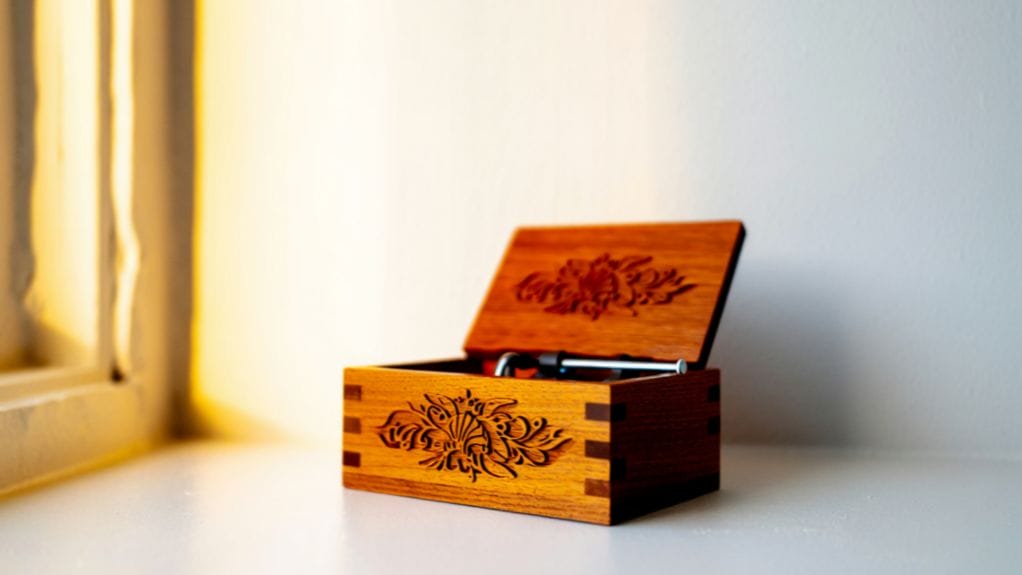
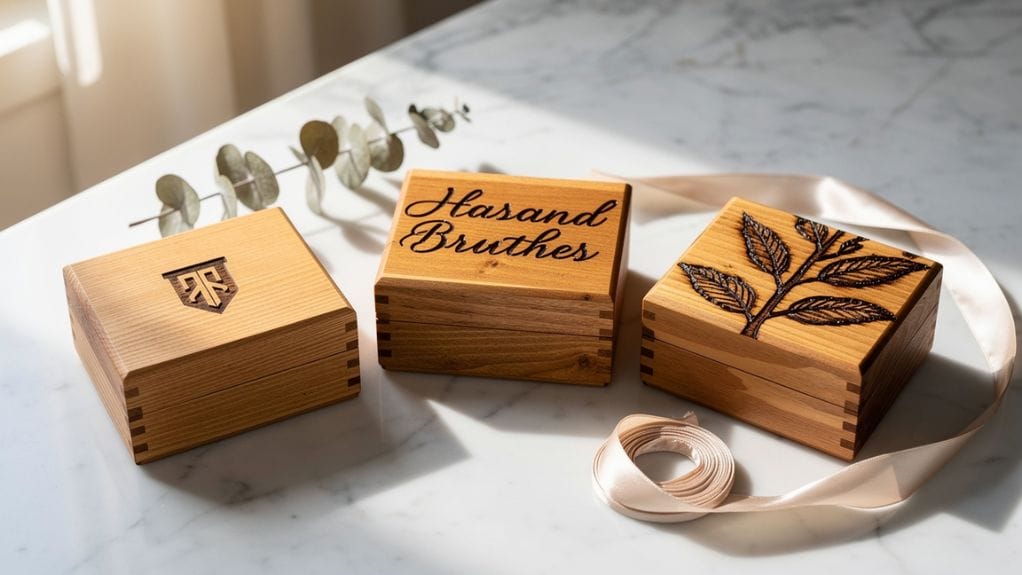
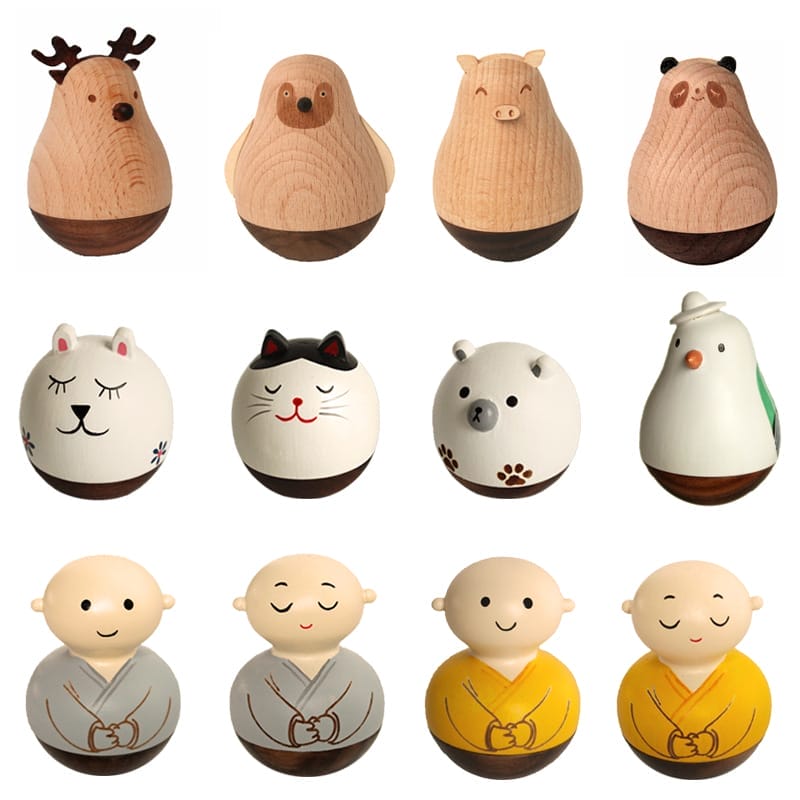
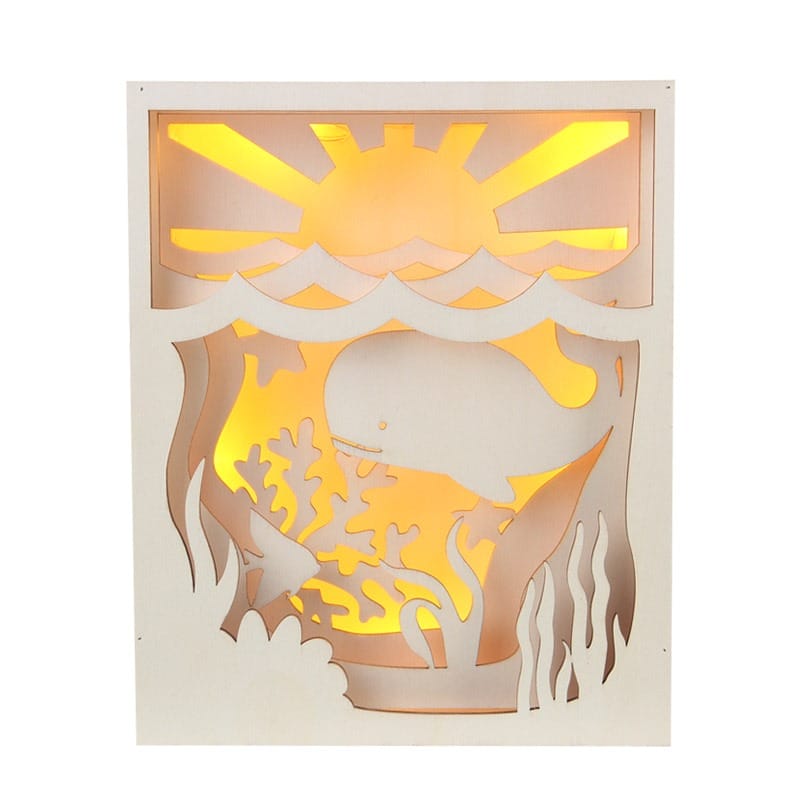
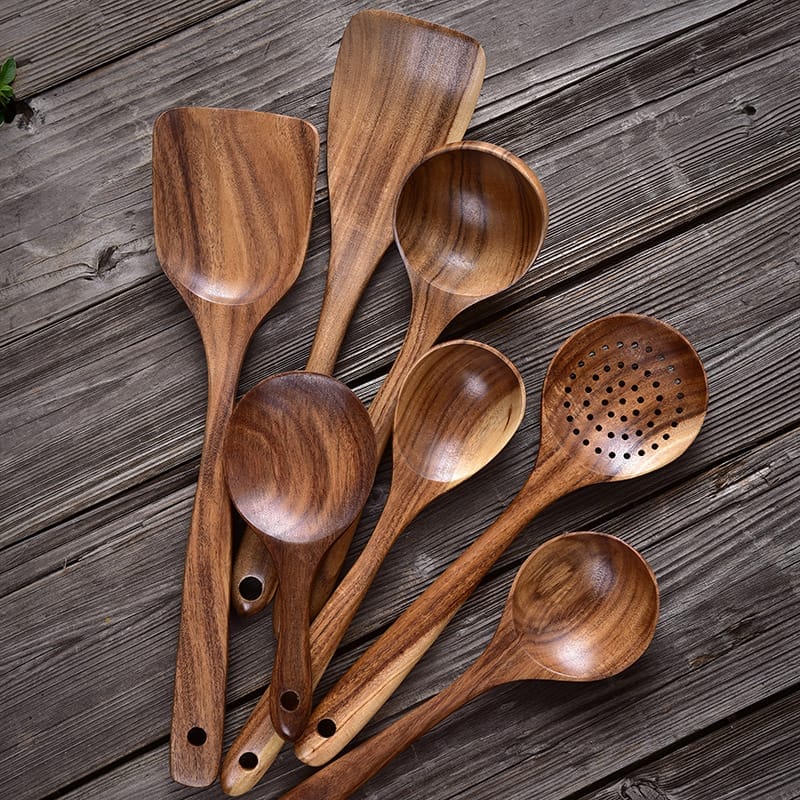
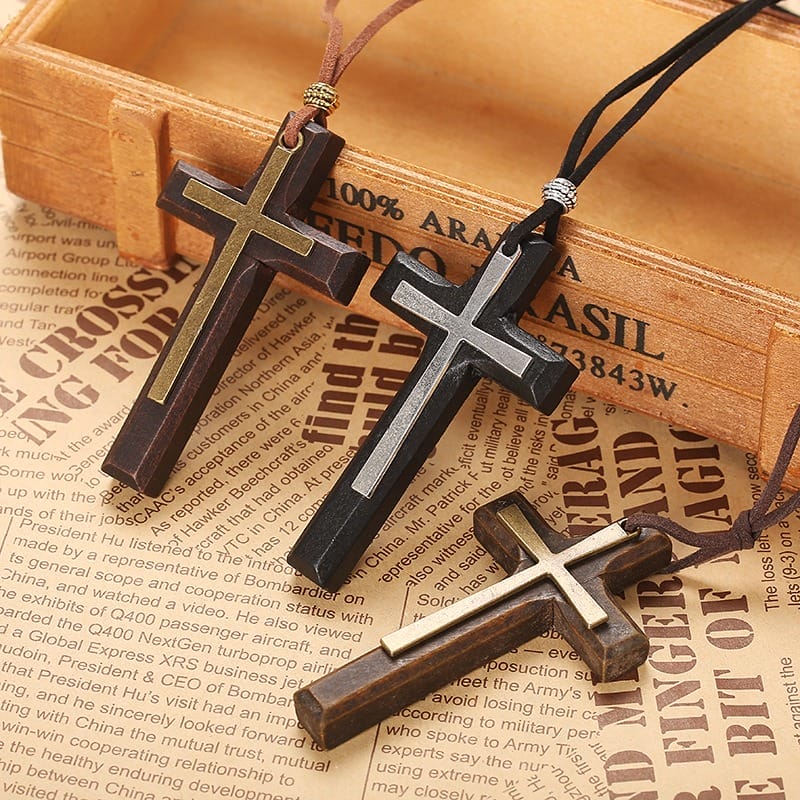
You’ll find that sealing your wood ornaments isn’t just about protection – it’s about bringing out the best in your craftsmanship. Whether you’re working on holiday decorations, handmade gifts, or artisanal pieces, the right sealer can transform your project from good to exceptional. With numerous options available, from traditional oil-based finishes to modern polyurethane coatings, selecting the perfect sealer requires understanding both your wood type and intended use.
Key Takeaways
- Oil-based sealers provide deep wood penetration and enhance natural beauty, making them ideal for ornaments requiring rich, lasting protection.
- Water-based polyurethane offers quick-drying, low-odor protection with excellent UV resistance and clarity for indoor decorative pieces.
- Natural waxes give eco-friendly protection while maintaining a traditional finish, perfect for heirloom-quality wooden ornaments.
- Proper surface preparation using 120-grit followed by 220-grit sandpaper ensures optimal sealer adhesion and professional results.
- Apply multiple thin coats with foam brushes, allowing 2-4 hours between layers, and cure for 24 hours before handling.
Importance of Sealing Wood Ornaments
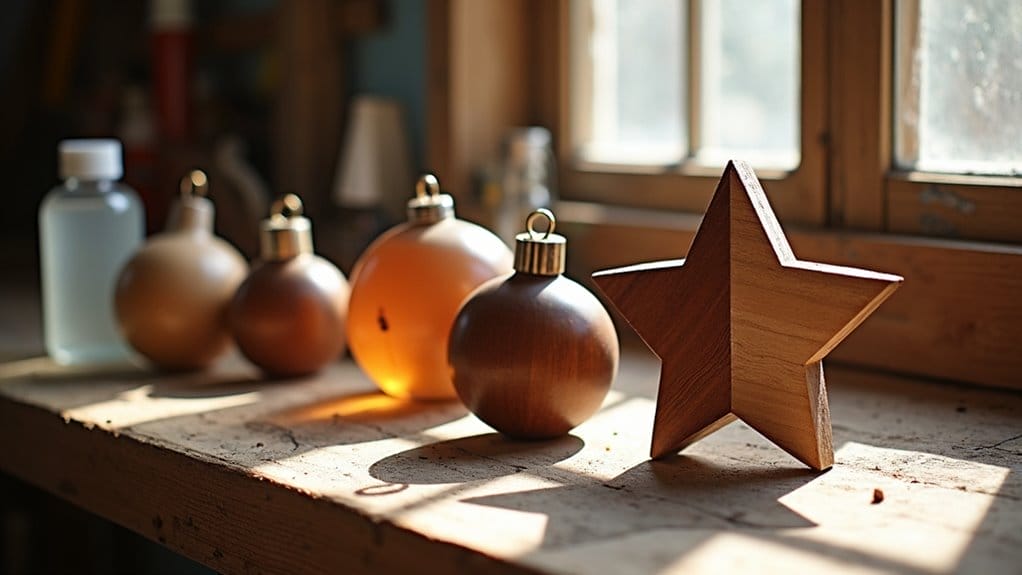
While wood ornaments can be beautiful on their own, sealing them properly is essential for their longevity and appearance.
When you apply a quality sealer to your wooden decorations, you’re creating a protective barrier against moisture, UV rays, and daily wear. This finish helps prevent warping, cracking, and discoloration that can occur over time.
A proper seal will also enhance the wood’s natural grain patterns and colors, giving your ornaments a professional, polished look.
You’ll find that sealed ornaments are easier to clean and maintain, making them more practical for both indoor and outdoor display.
Understanding Wood Sealers: Types and Benefits
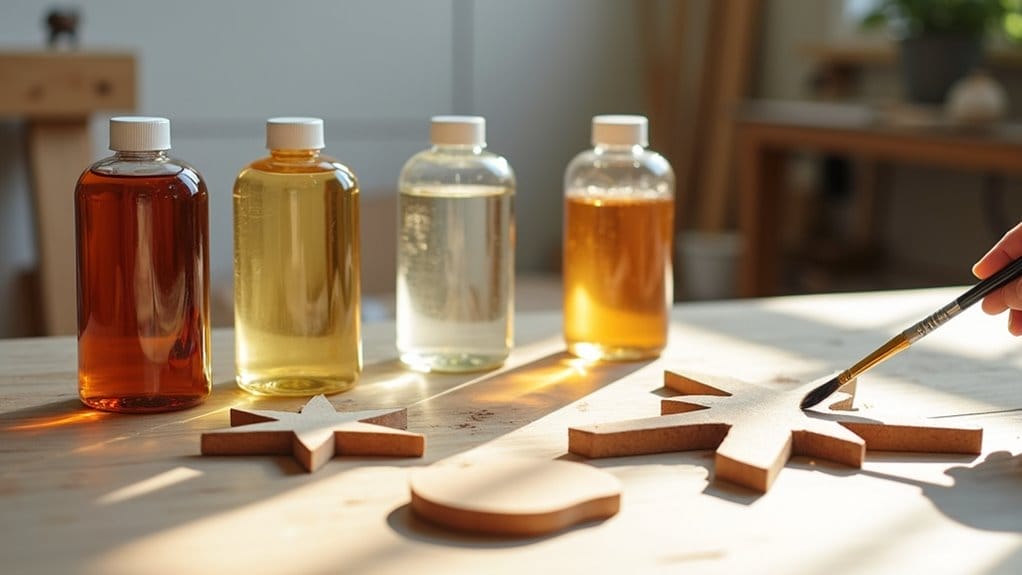
When selecting a wood sealer for your ornaments, you’ll encounter four main categories: oil-based sealers that penetrate deeply into the wood grain, water-based options that offer quick drying times with minimal fumes, polyurethane and varnish finishes that provide exceptional durability, and natural waxes that deliver eco-conscious protection.
You’ll find that oil-based sealers excel at enhancing wood’s natural beauty while creating a rich finish, whereas water-based alternatives offer easier cleanup and lower VOC emissions.
Natural waxes and polyurethane each serve distinct purposes – waxes provide a subtle, traditional finish ideal for heirloom pieces, while polyurethane creates a hard, moisture-resistant barrier that’s perfect for frequently handled ornaments.
Oil-Based Sealers: Best for Deep Penetration and Rich Finish
Oil-based sealers stand as the premier choice for wood ornament protection, offering unmatched penetrating power and a luxurious finish that enhances the natural beauty of the wood grain.
You’ll find they work best when applied in thin, even coats using a high-quality brush or lint-free cloth. These sealers use robust chemical compounds that deeply penetrate wood fibers, creating a durable barrier against moisture and wear.
To apply effectively, make sure your ornament’s surface is clean and smooth.
Work in a well-ventilated area and use multiple thin coats rather than one thick application. Allow proper drying time between coats for best results.
Water-Based Sealers: Fast Drying and Low Odor Options
Unlike their oil-based counterparts, water-based sealers provide a quick-drying solution for wood ornament protection with minimal volatile organic compounds (VOCs).
You’ll like how these sealers dry quickly, often within 1-2 hours, letting you complete your project faster.
- Water-based polyurethane offers excellent scratch resistance and clarity.
- Acrylic sealers provide superior UV protection and maintain wood’s natural color.
- Clear polycrylic combines durability with easy soap-and-water cleanup.
- Water-based lacquer delivers professional-grade results with multiple thin coats.
These modern formulations maintain a crystal-clear finish without yellowing over time, making them ideal for light-colored woods and detailed ornamental work.
Polyurethane and Varnish: Durable Protective Finishes
Among traditional wood sealers, polyurethane and varnish stand as premier choices for protecting ornamental pieces due to their exceptional durability and rich finish.
These products create a hard, transparent shield that enhances your wood ornament’s natural beauty while defending against moisture, scratches, and daily wear.
You’ll find polyurethane available in oil-based and water-based formulations, each offering distinct advantages. Oil-based versions make more durable coatings but take longer to dry, while water-based options dry faster.
Varnish excels at UV protection and flexibility, making it ideal for ornaments exposed to sunlight or temperature changes.
Both sealers require proper surface preparation to achieve ideal results.
Natural Sealers and Wax Finishes: Eco-Friendly Choices
When sustainability meets craftsmanship, natural sealers and waxes offer an environmentally conscious approach to protecting your wooden ornaments.
These eco-friendly options provide a safe way to keep your craft pieces preserved while maintaining their natural beauty.
- Beeswax and carnauba wax create a soft, lustrous finish that’s perfect for indoor ornaments.
- Linseed oil penetrates deep into wood fibers, offering natural protection from moisture.
- Tung oil provides a durable, water-resistant finish that won’t harm the environment.
- Shellac, derived from lac beetles, creates a food-safe seal that enhances wood grain.
These natural alternatives let you craft responsibly while achieving professional-quality results.
Choosing the Best Sealer for Your Wood Ornament Project
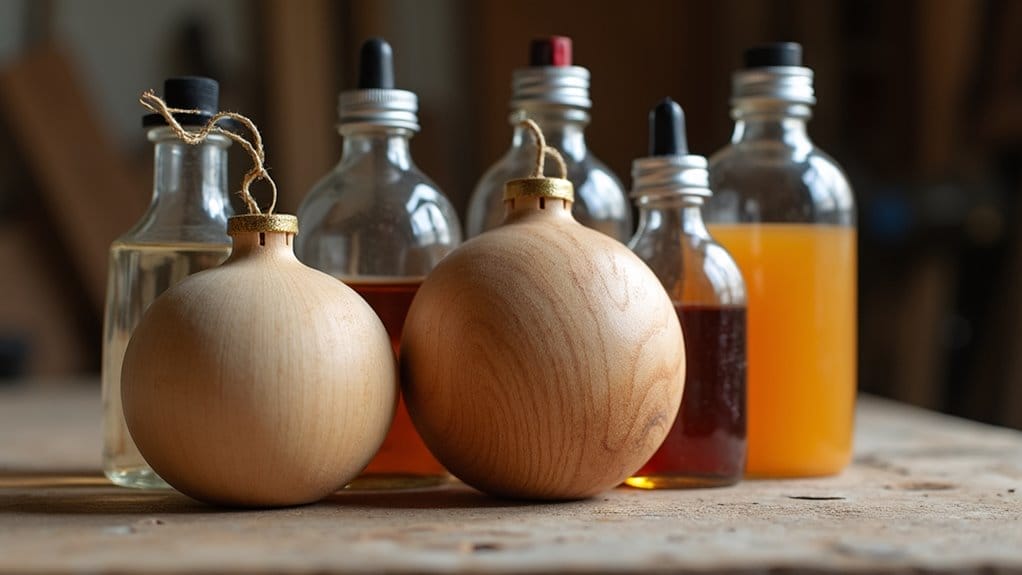
When selecting the ideal wood sealer for your ornament project, you’ll need to evaluate critical factors like your wood species’ porosity, whether the ornaments will face outdoor exposure, and if you’re aiming for a matte or glossy finish.
You’ll achieve better results by conducting small test applications of different sealers on scrap pieces of your project wood, especially if you’re working with seasonal items that might experience temperature fluctuations.
Before committing to a full application, these test samples will help you assess drying time, color changes, and how well the sealer penetrates your specific wood type.
Factors to Consider: Wood Type, Ornament Use, and Desired Finish
Several critical factors must be evaluated when selecting the ideal sealer for your wood ornament project.
The sealer you choose will impact your design‘s final look and longevity, so it’s crucial to take into account all variables carefully.
- Wood species and porosity – Different woods absorb stain and sealers at varying rates.
- Environmental exposure – Indoor display vs. outdoor conditions requiring weather protection.
- Desired finish appearance – Matte, satin, or high-gloss options to complement your design.
- Application method requirements – Brush-on, spray, or wipe-on techniques that match your skill level and project needs.
Special Considerations for Seasonal Crafts
Since holiday ornaments often face unique storage and display challenges throughout the year, choosing an appropriate sealer becomes especially critical for seasonal wood crafts.
For Christmas decorations you’ll want to select a sealer that offers protection against temperature fluctuations and humidity changes common in attic storage.
We recommend using moisture-resistant polyurethane or epoxy sealers that prevent warping and cracking when stored away until next year.
Additionally, consider UV-resistant formulations if your ornaments will be displayed near windows or in direct sunlight, as this will prevent fading and maintain their festive appearance season after season.
How to Test Sealers on Small Samples Before Full Application
Testing sealers on small sample pieces prevents costly mistakes and guarantees ideal results for your wood ornament projects.
Before committing to a full application, you’ll want to check how different sealers interact with your specific wood type.
- First, cut small pieces from the same wood you’re using for your ornaments.
- Try the sealer on multiple test pieces, allowing proper drying time between coats.
- Check for color changes, absorption rates, and finish quality under various lighting.
- Test the sealed samples’ durability by exposing them to conditions your ornaments will face.
Step-by-Step Guide to Sealing Wood Ornaments
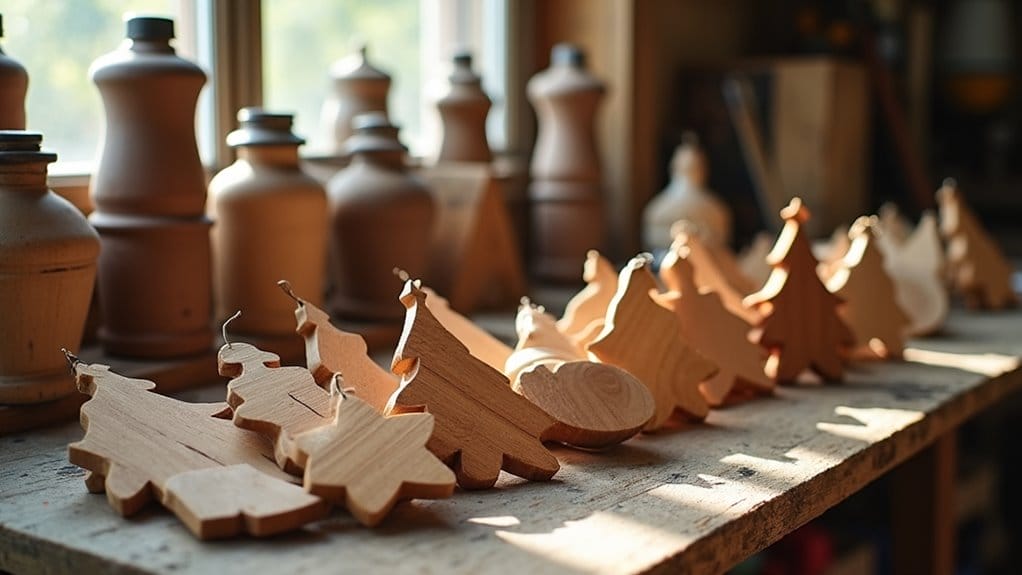
You’ll need to start with thorough surface preparation, including sanding your wood ornaments with progressively finer grits and removing all dust before applying any sealer.
When you’re ready to apply the sealer, select appropriate tools like foam brushes or spray applicators to guarantee even coverage, working in thin layers while following the wood’s grain pattern.
For maximum durability and a professional finish, you should allow each coat to dry completely according to the manufacturer’s specifications before lightly sanding between layers and applying subsequent coats.
Preparing the Wood Surface for Optimal Sealer Adhesion
Before applying any sealer to wood ornaments, proper surface preparation is essential for achieving a professional, long-lasting finish.
Take time to get your surface ready, as this step will determine the quality of your final results.
- Remove any rough spots by cutting away splinters and sanding the entire surface with 120-grit sandpaper.
- Progress to finer 220-grit sandpaper for a smoother finish.
- Clean the wood surface thoroughly with a tack cloth to remove all dust particles.
- Test the wood’s moisture content – it should be below 12% for ideal sealer adhesion.
Applying the Sealer Evenly: Tools and Techniques
With your wood surface properly prepared, gathering the right tools and understanding proper application techniques will secure an even sealer coat.
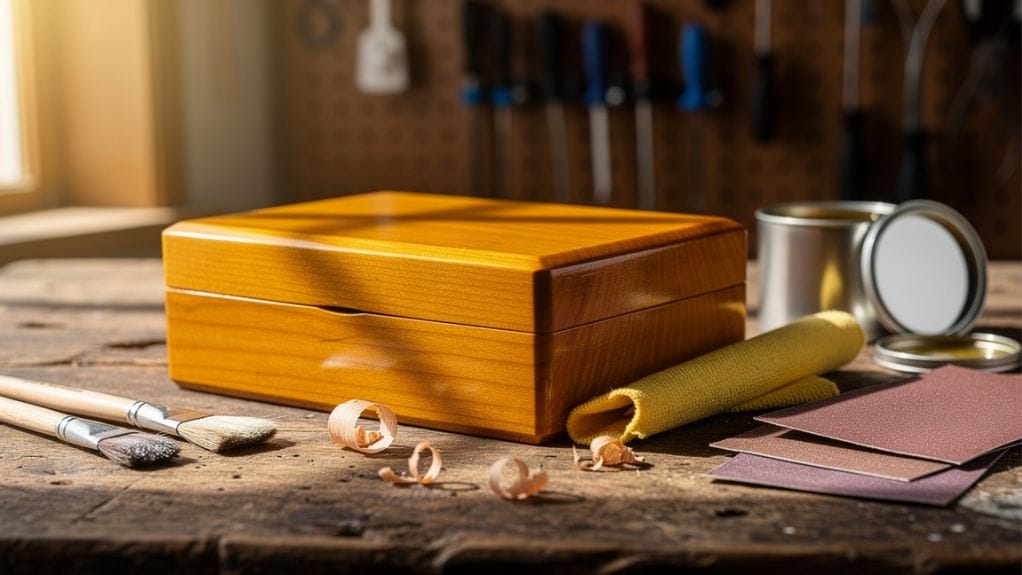
You’ll find foam brushes work best for flat surfaces, while small artist brushes help reach intricate details. Hold your applicator at a 45-degree angle and maintain slow, steady strokes in one direction.
Apply light pressure with your hand to prevent pooling and secure consistent coverage. For rounded surfaces, rotate the ornament while applying the sealer to achieve uniformity.
Between coats, lightly sand with fine-grit paper, then wipe clean before the next application.
Drying Times and Tips to Achieve a Smooth Finish
Proper drying time between sealer coats plays a critical role in achieving professional results for your wood ornaments.
For best results in different environments, you’ll need to give each coat adequate time to cure in still air.
- Wait at least 2-4 hours between coats at room temperature (70°F/21°C).
- Allow 24 hours of final curing time before handling finished ornaments.
- If using water-based sealers, increase drying time by 25% in humid conditions.
- Test cure completeness by gently pressing your fingernail in an inconspicuous spot – if it leaves no mark, it’s ready for the next coat.
Applying Multiple Coats for Enhanced Protection and Appearance
Multiple coats of sealer create a robust protective barrier that enhances both the durability and visual appeal of your wood ornaments.
You’ll always want to start with a thin base coat, allowing it to dry completely between applications. Many experts recommend lightly sanding with fine-grit paper to guarantee each layer bonds properly.
You’re able to build up 3-4 coats for ideal protection, keeping the surface dust-free during the process.
For a professional finish, apply the final coat in a lint-free environment, letting it cure for 24-48 hours before handling or displaying your ornaments.
Troubleshooting Common Issues When Sealing Wood Ornaments
When you encounter an uneven finish or bubbling in your wood ornament sealer, you’ll need to sand down the affected areas and reapply thin, even coats in a controlled environment with proper humidity levels.
To address peeling or flaking sealers, you must completely remove the compromised coating using a chemical stripper or thorough sanding before resealing the bare wood surface.
You can prevent these issues by properly preparing the wood surface, using compatible products, and following manufacturer-recommended drying times between coats.
Dealing with Uneven Finish or Bubbling
Achieving a flawless finish on wood ornaments can be challenging if bubbles or uneven coating appear during the sealing process.
You’ll learn to saw through these problems once you know the proper techniques. A lot of issues can be prevented with the right approach.
- Sand between coats with 320-grit sandpaper to eliminate surface imperfections.
- Apply thin coats using a foam brush, moving in one direction only.
- Work in a dust-free environment at 70-75°F with 50% humidity.
- Allow each coat to fully cure before adding subsequent layers, typically 24 hours.
How to Fix Peeling or Flaking Sealers
Peeling and flaking sealers on wood ornaments often indicate improper surface preparation or incompatible finish materials.
To fix this issue, you’ll need to completely remove the failing sealer by sanding the surface until you reach bare wood. Clean off all dust and debris before proceeding.
When using acrylic craft paint as a base, verify it’s fully cured before applying your sealer.
Place a compatible primer first, then add thin coats of sealer, allowing each layer to dry thoroughly. This will help the finish last longer and prevent future peeling.
Test your sealer combination on a scrap piece first to verify proper adhesion.
Frequently Asked Questions
Can I Paint Over Sealed Wood Ornaments Later?
You’ll need to lightly sand the sealed surface and apply a suitable primer before painting. Most water-based and oil-based paints will adhere well once you’ve properly prepared the surface.
How Long Do Sealed Wood Ornaments Typically Last Outdoors?
You’ll get 2-5 years from properly sealed wood ornaments outdoors, but they’ll last longer if you reapply sealant annually and protect them from direct sun and heavy rain.
Will Sealing Wood Ornaments Change Their Natural Scent?
You’ll notice most sealants will partially mask wood’s natural aroma. Water-based polyurethane has minimal impact, while oil-based sealers and lacquers considerably diminish the wood’s characteristic scent once fully cured.
Can I Use Automotive Clear Coat Instead of Wood Sealer?
You shouldn’t use automotive clear coat on wood ornaments. It won’t properly bond with wood fibers and may peel. Instead, use polyurethane, shellac, or lacquer specifically formulated for wood surfaces.
Are Food-Safe Sealers Necessary for Decorative Kitchen Wood Ornaments?
You’ll need food-safe sealers for kitchen wood ornaments that might contact food surfaces or face exposure to cooking vapors. Choose FDA-approved finishes like mineral oil, beeswax, or water-based polyurethane.
Conclusion
You’ve now learned the essential aspects of sealing wood ornaments, from selecting appropriate sealers to executing perfect finishes. Remember to match your sealer choice with your project’s specific requirements, whether that’s durability, UV protection, or eco-friendliness. By following proper application techniques and maintaining awareness of environmental conditions, you’ll achieve professional-grade results that protect and enhance your wooden ornaments for years to come.