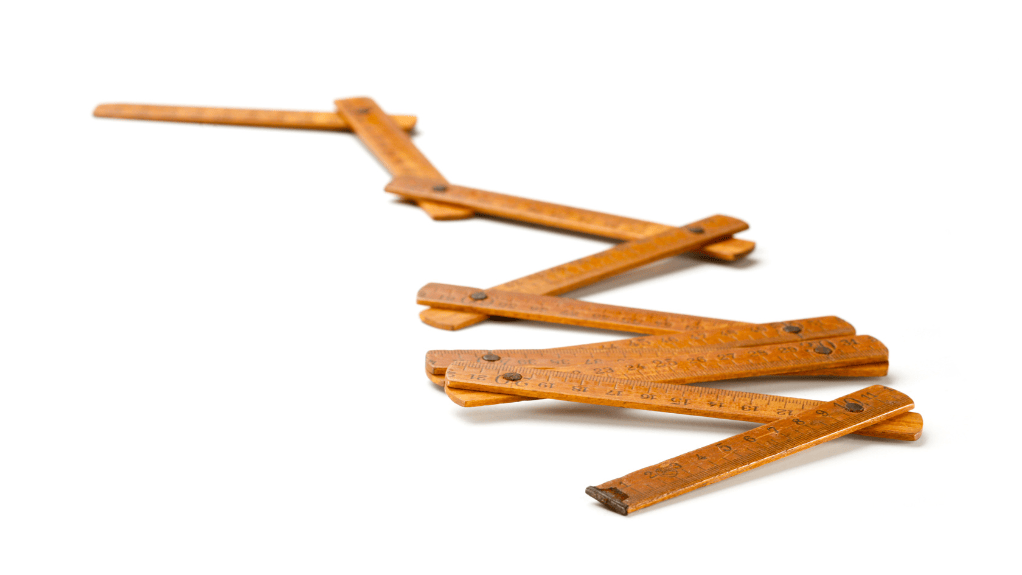
Why do seasoned carpenters still reach for a 150‑year‑old design when digital gauges and laser tools crowd every toolbox? Why does an old wood folding rule sometimes sell for more as a vintage piece than it did brand new on a hardware shelf? Those questions sit at the heart of the value of wooden folding rules.
“Measure twice, cut once” is the old carpenter’s saying. Wooden folding rules grew up around that habit and are still built for that kind of careful work.
Many people assume a wooden folding rule is only for nostalgia or décor. In reality, it remains one of the most trusted precision measuring tools for carpenters, cabinetmakers, masons, and serious DIY users. A good folding wood ruler folds down small enough for a pocket, then opens into a stiff, accurate rule that stays straight where a tape measure sags.
For you as a wholesale buyer, retailer, or corporate gift planner, this humble carpenter folding rule is far from a relic. On platforms like Amazon and eBay, some wooden measuring sticks reach 1,000 plus monthly sales, hold 4‑star and higher ratings, and are marked as returned infrequently. That means steady demand, strong margins, and satisfied buyers.
In this guide, you see how a simple wooden folding ruler combines hard‑working accuracy with vintage charm. You also see how it fits different markets, from traditional woodworking tools to collectible measuring tools and branded gifts.
Along the way, you learn how Qlychee Crafts supports you with eco‑conscious materials, precision milling, low MOQs, and full OEM or ODM service so you can build a reliable, profitable product line around this classic tool.
Key Takeaways: The Value of Wooden Folding Rules
-
Wooden folding rules show strong, steady demand, with 1,000 plus monthly sales and 4‑star or better ratings on major platforms. For you, that means a proven professional measuring tool that moves quickly and ties up less cash in slow stock.
-
The same carpenter folding rule serves both as a precise shop tool and as a vintage measuring tool for décor and collecting. This dual role opens several revenue streams at once, from tradespeople and DIY fans to home décor buyers.
-
Clear quality markers include engraved graduations instead of printing, spring joints that snap cleanly, hardwoods such as boxwood, birch, or maple, and good finishes with brass or steel hardware. When you know these signs, you can avoid weak stock that leads to returns.
-
Custom branding turns a folding measuring rule into a premium corporate gift. Flat wooden faces accept logo engraving, printed information, and custom packaging, which keeps your clients’ brands in front of their customers for years.
-
Qlychee Crafts supports you with low MOQ, precision milling, FSC or PEFC certified hardwoods, and full OEM or ODM support. That helps you test new markets, scale when sales grow, and keep a consistent line of professional measuring tools.
What Makes a Wooden Folding Rule a Timeless Precision Tool?
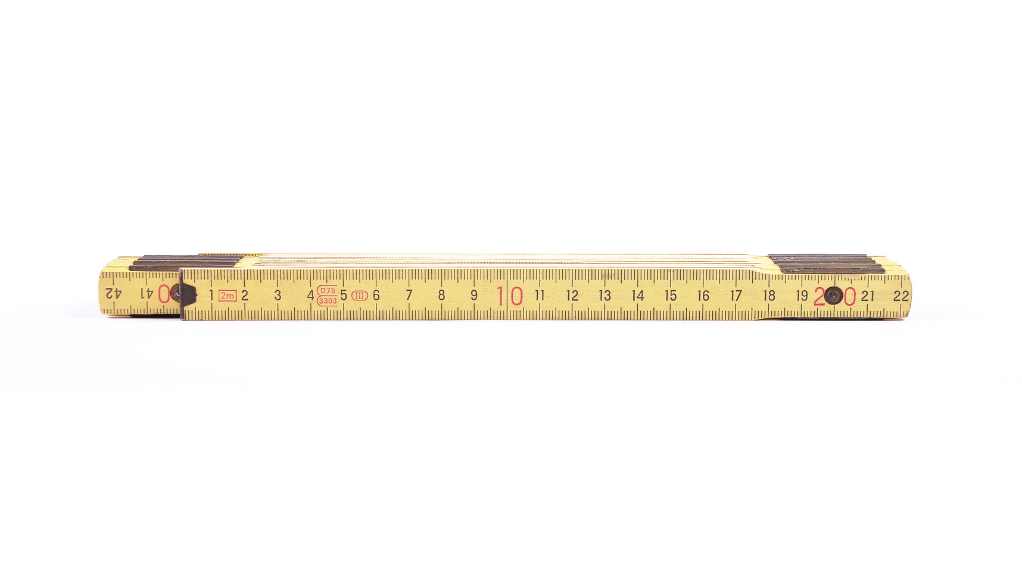
A quality wooden folding ruler looks simple, yet every detail matters. Sections fold down to a compact block that fits in a pocket or small toolbox, then extend into a straight rule that can reach 60 cm or 2 feet and more while staying rigid. A common format folds from a full 60 cm length down to about 16.5 cm, so it stores easily but opens wide enough for real work.
The precision side of the value of wooden folding rules starts with the markings. Deeply engraved numbers stay clear after years of use, while shallow printing wears away. Joints and rivets decide how straight the rule stays and how cleanly it locks at 90 degrees. Wood choice affects stability as humidity shifts from a dry shop to a damp jobsite.
To help you compare options quickly, the table groups key aspects of a wooden measuring stick that matter for professional buyers.
|
Part Or Feature |
Common Types |
Why It Matters For You |
|---|---|---|
|
Joints |
Spring joints, friction joints |
Spring joints snap straight and at 90 degrees, so the folding rule feels solid and reads true. Friction joints depend on tight rivets, which can loosen and hurt accuracy. |
|
Wood |
Boxwood, birch, maple |
Boxwood is the classic premium material that resists warping and gives very crisp graduations. birch and maple offer strong, stable, cost‑friendly options for large orders and hard daily use. |
|
Markings |
Engraved, printed |
Engraved markings cut into the wood and hold ink, so inches and millimeters stay legible for decades. Simple printing may fade fast and makes the tool feel cheap. |
You also choose between Imperial, Metric, or dual‑scale designs. For the US, most buyers expect inch scales with clear fractions. For export or online sales, offering both Metric and Imperial on one carpenter folding rule widens your audience. You can even add specialty scales for mason rules or engineer’s rules.
When you inspect samples, look for details that signal long service life:
-
The surface should feel smooth with no sharp edges or splinters, and each section should line up cleanly when you fold it. This shows careful milling and sanding, which helps the rule slide in and out of pockets without catching.
-
Joints should open and close with a clear snap, with no wobble between segments. That tight fit keeps inside measurements and right‑angle checks accurate over time, which trade users notice fast.
-
Markings should have good contrast and depth, so numbers are easy to read under job lighting or in a dim restaurant back room. Deep ink‑filled lines and a protective lacquer or varnish layer help the scale stay readable even with oil or dust.
“A good rule disappears in your hand so you can focus on the cut, not the tool,” as many cabinetmakers like to say.
Qlychee Crafts uses kiln‑dried hardwoods, precision milling, flush rivets, and eco‑friendly finishes to hit these standards. That means the folding measuring rule you stock stays straight, reads true, and feels like a serious woodworking hand tool in your customer’s hand.
Why Wooden Folding Rules Command Strong Market Demand?

The value of wooden folding rules shows up clearly in sales data. On Amazon and eBay, many wooden folding rulers sell 1,000 plus units each month, carry 4‑star and higher averages, and sit in the returned infrequently category. For you, that points to a stable category that does not depend on short fads.
Demand comes from two sides at once. On one side, tradespeople and serious DIY users keep buying these professional measuring tools because they do jobs a tape measure struggles with. The rigid body of a folding measuring rule makes inside cabinet measurements and layout work easier, and the 90‑degree lock lets it double as a quick square. On the other side, collectors and home décor fans hunt antique wooden rulers and new vintage‑style designs for their warm look and history.
Different customer groups buy the same tool for different reasons:
-
Working carpenters, cabinetmakers, masons, and engineers trust a wooden folding ruler for straight edges and quick inside measurements. They care about accuracy, stiffness, and joint action more than style, and they tend to stay with a brand that feels right in the hand.
-
DIY users and hobby crafters reach for traditional woodworking tools because they want a closer link to craft heritage. For them, a folding wood ruler feels solid, sounds satisfying when it snaps open, and turns each project into more than a simple task list.
-
Collectors, interior designers, and restaurant owners look at vintage carpenter tools as décor. Old boxwood rules from names such as Stanley or Lufkin, with brass tips and aged markings, fit rustic, industrial, or workshop themes and often rise in price over time.
Corporate buyers also add to the pull. A well‑made wooden measuring stick has high perceived value and lives on a desk, in a shop, or in a kitchen drawer for years. With your client’s logo on the wood, each use reminds the user of that brand, far longer than a pen or plastic gadget. Qlychee Crafts supports that side of the market with strong engraving, color options, and custom packaging for promotional sets.
As many B2B marketers like to say, “The best promotional gifts are the ones people can’t bring themselves to throw away.”
How to Select Premium Wooden Folding Rules for Your Inventory
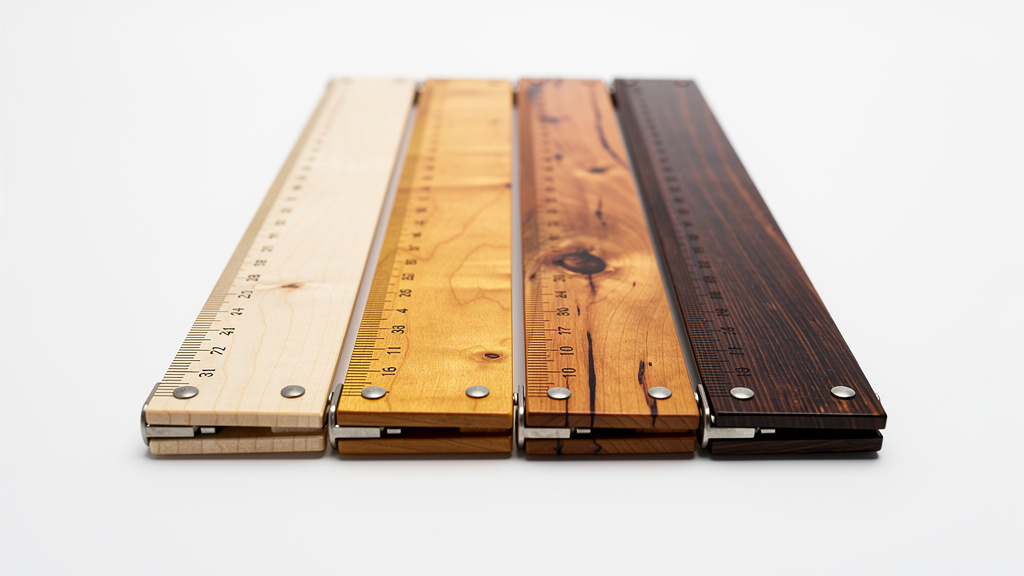
As a buyer, you want wooden folding rules that please both pros and style‑focused customers, without hidden quality issues. A clear, repeatable process helps you judge samples and avoid weak stock that leads to complaints or returns.
Start with a simple step‑by‑step review of any wooden folding ruler you consider:
-
Check the wood and finish by sight and touch, as craftsmanship standards emphasize the importance of visual and tactile inspection in selecting precision tools. The surface should feel smooth and consistent, with no dark wet spots, dents, or fuzzy grain that signal poor sanding or hurried finishing.
-
Test the joints by folding and unfolding the rule several times. Look for a clean snap at full extension and at 90 degrees, with no side play or rattle. The rule should stay straight when fully opened and should not bend sideways in normal use.
-
Inspect markings under good light. Engraved graduations should have clear depth and clean ink, while fractions and numbers should stay sharp all along the length. Shallow printing, uneven spacing, or missing paint mark a lower‑grade tool.
-
Study hardware and rivets. Brass or steel hinges should sit flush with the wood, with no sharp lips. Loose rivets or gaps hint at weak control in production that may show up in warped sections later.
-
Ask about moisture control and materials. Kiln‑dried birch, maple, or boxwood with a sealed finish stands up better in humid kitchen or jobsite conditions than untreated wood with no proper coating.
-
Review supplier terms and support. Check for manufacturing consistency, eco certificates such as FSC or PEFC, customization options, and MOQ levels that match your business plan.
For quick reference when you inspect samples or factory photos, keep a short checklist in mind:
-
The rule folds from a compact pocket length into a straight, rigid measuring stick, with joints that hold positions cleanly. This gives both pros and hobby users confidence in every measurement they take.
-
Markings use deep engraving with strong contrast on Imperial, Metric, or dual scales, rather than fragile surface printing. That helps your customers read cabinet widths, fabric lengths, or brick courses quickly without squinting.
-
Wood comes from stable hardwoods and has a clear lacquer or similar finish that seals the surface without hiding the grain. This balance of protection and natural look appeals to both tool users and décor buyers.
Qlychee Crafts covers these points with precision milling, kiln‑dried hardwood, low MOQ, and full OEM or ODM support. That gives you a stable base when you design a product line around the value of wooden folding rules.
Proven Marketing Strategies for Wooden Folding Rules
Selling more wooden folding rulers is not only about stocking them. How you present, describe, and position them for each channel has a strong effect on sell‑through and repeat orders. You can treat the same carpenter folding rule as a serious toolbox item in one place and as a vintage‑style measuring stick in another.
Physical Retail Merchandising for Wooden Folding Rules
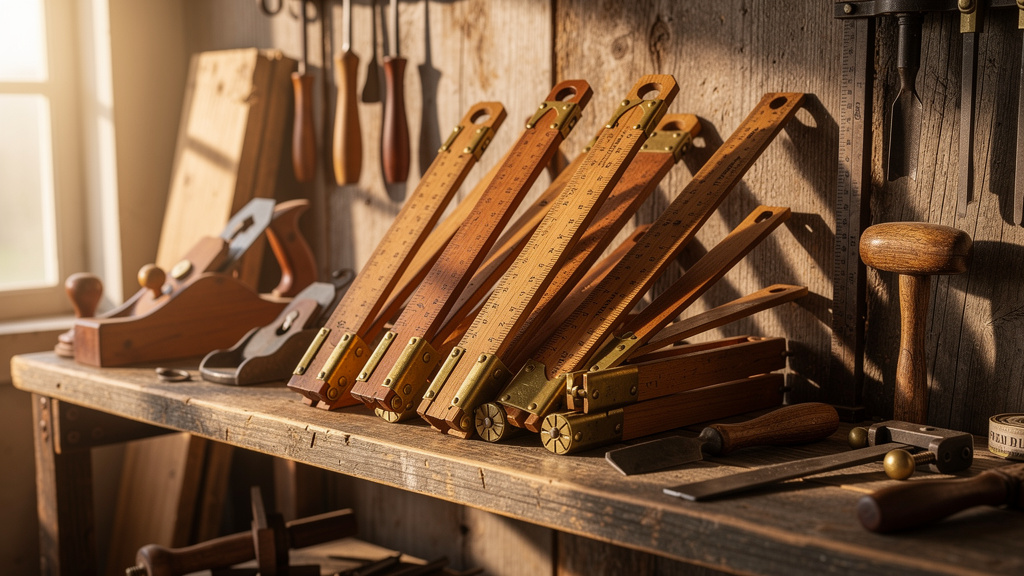
In a store, the best way to show the value of wooden folding rules is to let people feel and hear them. A simple peg with closed rules does not express their character. Instead, set up a small display near woodworking hand tools, quilting tables, or construction layout gear where customers can try a demo unit.
-
Keep one or two rules fully extended so shoppers see the real length and stiffness at a glance. Nearby, keep another one half‑folded to show the right‑angle lock and possible use as a square for quick checks.
-
Place wooden folding rulers next to tape measures, levels, and marking tools so buyers think of them as part of a full measurement kit. For craft stores, place them beside cutting mats, fabric scissors, and rotary cutters to make their usefulness on fabric very clear.
-
Build small bundles that feature a folding measuring rule, such as a Beginner Woodworker Kit or Quilter Essentials Pack. In each case, explain with a small sign how the wooden rule improves inside measurements or straight cuts compared with a floppy tape.
Qlychee Crafts can supply printed cards, small counter displays, and branded demo units to help your staff talk about the tool with confidence.
E-Commerce and Social Selling for Wooden Folding Rules
Online, photos, video, and words carry the full weight of the sale. Since customers cannot touch the wooden measuring stick, you need images and copy that show both accuracy and charm. Good SEO also helps your listings for phrases such as wooden folding ruler, carpenter folding rule, and vintage measuring tools.
-
Use several high‑resolution photos that show the folding rule closed, fully open, and in mid‑fold. Close‑ups should highlight engraved markings, brass or steel hinges, and the grain of the boxwood, birch, or maple.
-
Add a short video that shows a hand opening the rule, snapping it straight, and taking an inside cabinet measurement or checking a right angle. The sound and motion help buyers feel the quality through the screen.
-
Write descriptions that mix keywords with real‑world stories. For example, explain how the measuring tools advantages reaches deep into a window frame where a tape measure curves, and how the wooden body looks at home in both a tool shop and a studio.
Qlychee Crafts supports you with product photos, digital mock‑ups, and flexible OEM or ODM options so your wooden folding rules stand out from generic metal tape measures on crowded pages.
B2B and Corporate Gift Positioning for Wooden Folding Rules
For corporate buyers, restaurant chains, and hospitality groups, a folding wood ruler can act as both tool and message. It speaks about care, craft, and long‑term thinking in a way few other promotional tools do. Your role is to show how this simple rule matches their brand and their clients.
-
Offer sample sets that show custom wooden gifts, finishes, and logo treatments so buyers can picture their own brand on the tool. A restaurant group might prefer a warm darker stain, while an engineering firm might choose pale maple with clean black ink.
-
Suggest uses that fit each client, such as branded folding rules in contractor welcome kits, design studio gifts, or packages for VIP guests in a boutique hotel. Each time the recipient measures a shelf or a frame, they see the logo and remember who gave it.
-
Talk about sustainability and safety, especially for eco‑minded brands. Qlychee Crafts uses responsibly sourced wood, safe coatings, and careful finishing, which lets you offer a promotional item that fits modern values instead of plastic clutter.
With Qlychee Crafts as your partner, you can combine low MOQ, drop shipping, and custom packaging to meet both small trial runs and larger rollouts in this growing segment.
Practical Comparison: Wooden Folding Rules vs. Modern Alternatives
A wooden folding rule sits in your toolbox alongside tape measures, digital calipers, and laser distance meters. Each tool has a job it does best. Understanding when to reach for which tool helps you stock smarter and helps your customers work faster.
The table below compares a carpenter folding rule with three common alternatives across the features that matter most on a jobsite or in a workshop.
|
Tool Type |
Best Use Cases |
Key Advantages |
Common Limitations |
|---|---|---|---|
|
Wooden Folding Rule |
Inside measurements, layout work, marking lumber, masonry, cabinetry, anywhere you need a rigid straight edge |
Stays rigid without sagging; folds compact; no batteries; reads true in bright sun or dim light; doubles as a straight edge |
Limited to its physical length (typically 60 cm to 2 m); requires manual unfolding; can wear at joints with heavy abuse |
|
Tape Measure |
Long‑run measurements, curved surfaces, solo framing, roofing, siding |
Extends far (7.5 m or more); retracts automatically; fits any pocket; widely familiar |
Sags over distance and needs support; hook can shift and affect accuracy; blade can kink; hard to read fine divisions on thin blades |
|
Digital Caliper |
Precision part inspection, thickness checks, depth measurements, machine‑shop work |
Instant digital readout to 0.01 mm; measures inside, outside, and depth in one tool; no eyestrain |
Small range (usually under 30 cm); needs battery; sensitive to dust, chips, and moisture; higher cost per unit |
|
Laser Distance Meter |
Room dimensions, ceiling heights, site surveys, large‑scale layout |
Measures up to 100 m or more in seconds; calculates area and volume; one‑person operation |
Requires clear line of sight and solid target; struggles outdoors in bright sun; battery dependent; expensive |
Care & Maintenance: Keeping Your Wooden Folding Rule Accurate for Years
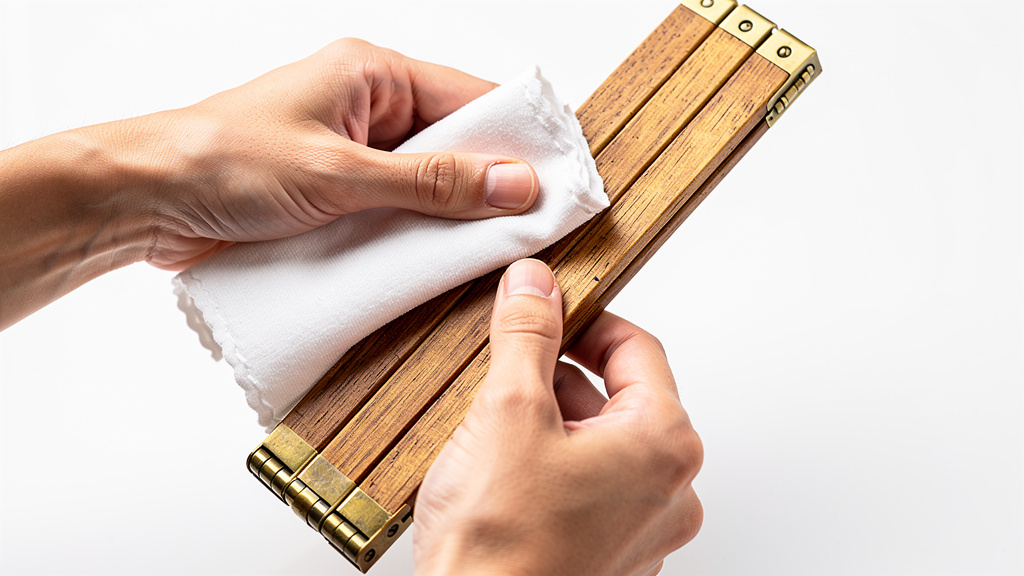
A wooden folding rule needs little care, yet a few simple habits keep it straight, smooth, and reading true for decades.
Daily Care
Wipe sawdust and grit off with a dry cloth after each use. Wood absorbs moisture, so never leave the rule in standing water or damp concrete. If it gets wet, unfold it completely and let it air‑dry indoors before folding again.
Lubrication
Joints work smoother with a drop of light machine oil once or twice a year. Open the rule fully, place one tiny drop on each rivet, flex the joint a few times, then wipe away any excess. Too much oil attracts dust.
Storage
Store your folding wood ruler in a dry spot away from direct sun and heaters. Extreme temperature swings cause wood to expand and contract, which can loosen joints or warp sections. A toolbox, drawer, or wall rack works well.
Tightening Loose Joints
If a joint feels floppy, gently tighten the rivet with a small ball‑peen hammer or rivet setter. Tap lightly—over‑tightening can crack the wood or bind the hinge.
When to Replace
Deep cracks, broken sections, or worn‑out graduations mean it’s time for a new rule. A well‑kept carpenter folding rule often outlasts the craftsperson who bought it.
Final Words
When you look closely at the value of wooden folding rules, you see far more than a simple stick with numbers. Sales data from major platforms shows 1,000 plus monthly purchases, 4‑star and higher ratings, and low return rates. That gives you a clear signal that wooden folding rulers earn their place beside tape measures and other professional measuring tools.
This one product can touch many of your customer groups at once. Trade professionals prize the accuracy, stiffness, and wooden measuring tools. DIY users and crafters love the feel and tradition of a classic carpenter folding rule. Collectors, décor buyers, and corporate clients see antique wooden rulers and modern versions as character pieces that tell a story.
Your key to success is careful wood craft business and smart positioning. Look for engraved markings, strong spring joints, quality hardwoods, and clean finishes. Present the folding measuring rule differently in a hardware aisle, a craft store, an online shop, or a corporate catalog, and it becomes a steady earner rather than a niche oddity.
Qlychee Crafts stands ready as a long‑term partner with low MOQ, OEM or ODM support, FSC certified materials, and end‑to‑end service from design to export. When you add high‑grade wooden folding rules to your line through Qlychee Crafts, you offer your customers a timeless precision tool and strengthen your own brand at the same time.
FAQs
Are Wooden Folding Rules Accurate Enough for Professional Use?
Yes, a well‑made wooden folding ruler delivers professional‑level accuracy for carpenters, cabinetmakers, masons, and engineers. Deeply engraved graduations, how wooden rulers are made, and kiln‑dried hardwoods keep each section straight and true, so inch and millimeter marks stay where they should.
Historical use over more than a century shows how reliable these tools are when they come from good factories. Qlychee Crafts adds strict dimensional checks and joint testing so you can stock folding rules that stand beside steel measuring tapes in demanding work.
What Is the Typical Minimum Order Quantity for Wholesale Wooden Folding Rules?
Minimum order quantity for wooden folding rules depends on the maker, the wood, and the level of customization you want. Many factories push for high MOQs, which can tie up cash for smaller retailers, new e‑commerce shops, or test runs in a restaurant chain.
Qlychee Crafts follows a flexible low‑MOQ policy for standard models and clear tiered pricing for custom runs, so you can start small and scale orders as sales grow. Drop shipping options reduce inventory risk even further when you test new markets or listings.
Can Wooden Folding Rules Be Customized With Company Branding?
Yes, wooden folding rulers work very well as branded items. Flat faces in wooden ruler materials accept laser‑engraved logos, printed company names and websites, and even custom scales for special trades. You can also choose finishes such as clear lacquer, stain, wax, or a natural look to match the brand style.
Qlychee Crafts provides digital mock‑ups before production, along with custom packaging such as gift boxes or sleeves, so your client signs off on the exact look. With long experience in OEM and ODM work, the team handles simple and complex branding projects with steady quality.
What Makes Vintage Wooden Folding Rules Valuable as Collectibles?
Vintage wooden folding rulers gain value from several factors that you can watch when you source stock. Maker names such as Lufkin and Stanley draw collectors, especially when the rule uses boxwood, early twentieth‑century brass, or special features such as ivory or bone tips.
Condition plays a large part, since buyers look for clean joints, clear markings, original finish, and no major splits. Odd scales, old advertising text, and rare models add further interest.
How Do Wooden Folding Rules Compare to Modern Tape Measures for Different Applications?
Wooden folding rules and tape measures each shine in different situations, so many professionals carry both. A folding wood ruler gives a rigid body that reaches into cabinet interiors, window frames, or drawer spaces without sagging, and the 90‑degree lock turns one corner into a quick square. Some models include a sliding brass extension that helps copy inside dimensions very precisely.
Tape measures go farther in one pull, wrap around curves, and clip easily to a belt, which suits framing and general construction. For fine carpentry, cabinetmaking, masonry layout, and craft work, the value of wooden folding rules lies in their feel, control, and heritage, which also give your store or brand a fresh angle compared with shops that only stock tapes.