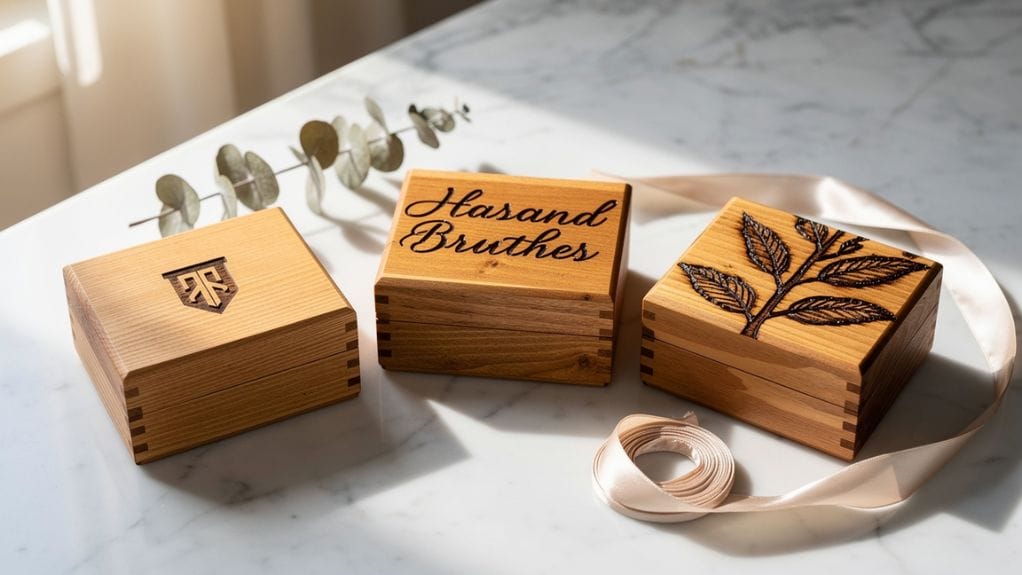
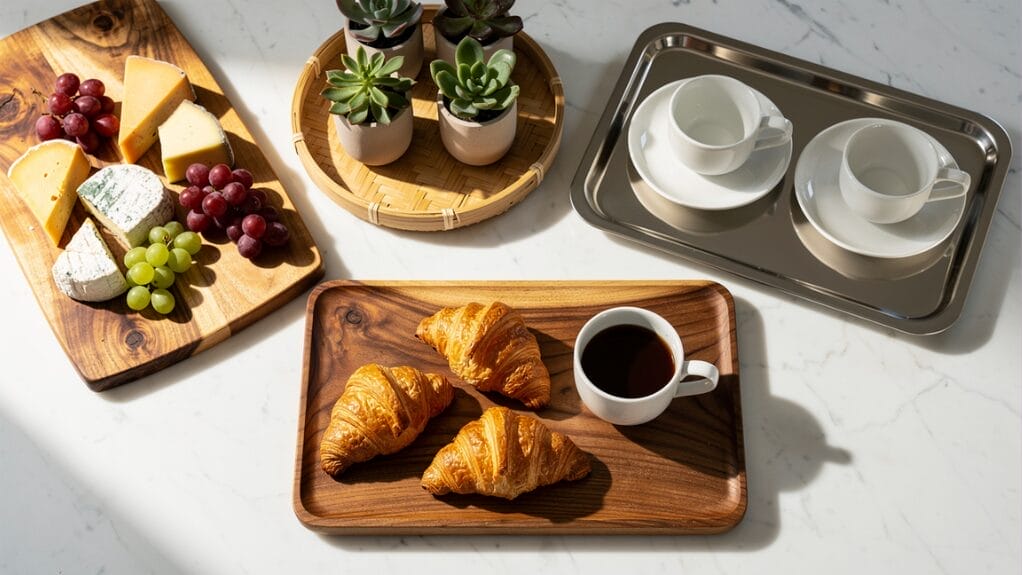
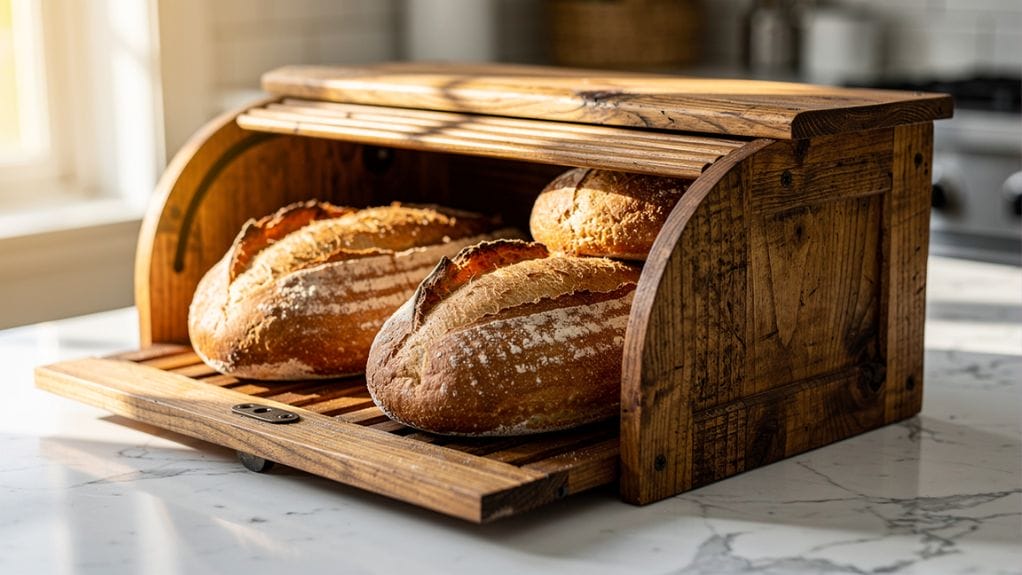
In the modern world of home design, where mass-produced furniture and uniform aesthetics dominate, reclaimed wood emerges as a captivating alternative. This unique material, salvaged from historical structures, offers a blend of authentic character, natural textures, and eco-friendly warmth that cannot be replicated by contemporary products. As businesses seek to differentiate their offerings, embracing reclaimed wood decor can not only enhance interior spaces but also align with sustainable practices that resonate with today’s conscientious consumers.
Key Takeaways
- Character and Uniqueness: Reclaimed wood offers a level of individuality that mass-produced furniture cannot replicate, with each piece telling its own story.
- Sustainability: Choosing reclaimed wood is an eco-friendly option that promotes sustainability while preserving the historical significance of the materials.
- Versatility: Reclaimed wood can be incorporated into various design styles, from rustic to modern, making it suitable for diverse interior applications.
- Tactile Warmth: The natural textures and imperfections of reclaimed wood create inviting environments that foster comfort and connection.
The Allure of Reclaimed Wood

Reclaimed wood is more than just a design choice; it is a statement of individuality and a commitment to sustainability. Each piece carries a story, marked by the grain patterns, nail holes, and natural patina that reflect its past. This distinctive character allows reclaimed wood to create a compelling dialogue between the historical and the contemporary, breathing life into spaces that may otherwise feel sterile or impersonal.
Authentic Character
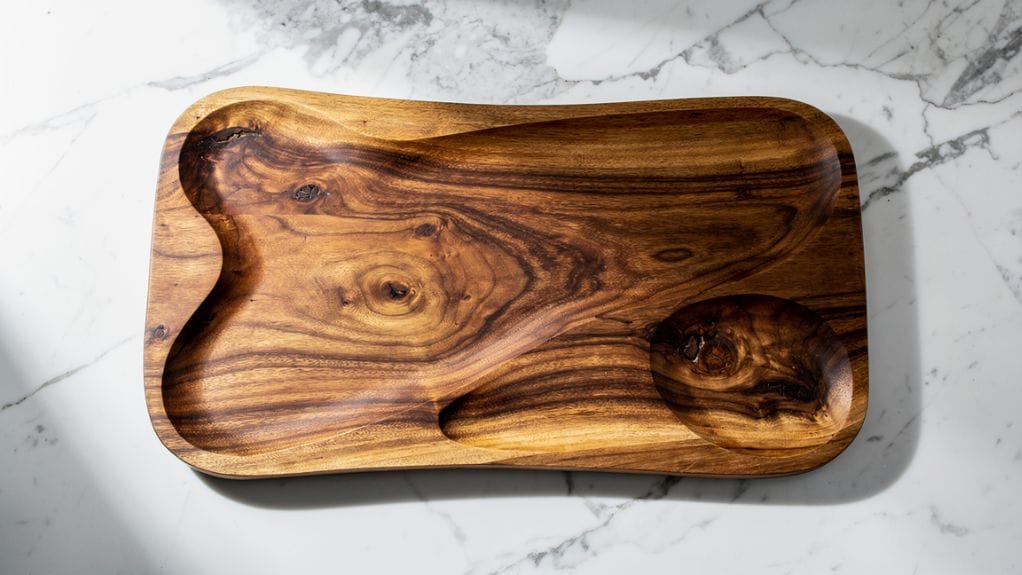
One of the most appealing aspects of reclaimed wood is its authentic character. Unlike the uniformity of mass-produced furniture, reclaimed wood pieces exhibit unique variations in color, texture, and finish. This diversity adds visual interest to any interior, making each item a conversation starter. Whether it’s a dining table crafted from old barn doors or a coffee table made from factory floors, these unique pieces tell stories through every scratch and weathered edge.
Natural Textures
Reclaimed wood brings a tactile element to interiors that is often lacking in modern materials. Its natural imperfections and rich color variations introduce depth and warmth, enhancing the overall aesthetic of a space. This organic quality is particularly valuable in environments where comfort and coziness are paramount, such as living rooms and bedrooms. Incorporating reclaimed wood into your decor can create inviting atmospheres that foster relaxation and connection.
Eco-Friendly Warmth
Choosing reclaimed wood also represents a conscious decision to reduce environmental impact. By repurposing existing materials rather than harvesting new timber, businesses can contribute to sustainability efforts while offering products that are both beautiful and responsible. The use of reclaimed wood reduces waste and honors craftsmanship from previous generations, ensuring that rare old-growth timber characteristics are preserved for future use.
Creative Ways to Incorporate Reclaimed Wood

Incorporating reclaimed wood into modern interiors is a versatile endeavor, allowing for a range of applications that suit various design styles. Here are some innovative ways to utilize reclaimed wood decor in your projects.
Reclaimed Wood Furniture
Investing in reclaimed wood furniture instantly adds character to any room. Pieces such as dining tables and sideboards can showcase the unique patinas and grain patterns of reclaimed timber, serving as focal points within the space. These custom or carefully selected items not only enhance the aesthetic but also become functional conversation starters.
Wall Paneling
Reclaimed wood wall paneling transforms ordinary walls into extraordinary architectural features. This application adds warmth, texture, and historical depth to contemporary interiors. The installation methods can vary, from traditional tongue and groove to modern peel-and-stick options, making it accessible for both DIY enthusiasts and professional designers.
Kitchen Cabinets
Modern kitchens benefit from the aesthetic and functional advantages of reclaimed wood cabinets. The natural variation in reclaimed timber creates visual interest that standard cabinetry cannot match. Combining reclaimed wood with contemporary materials like quartz countertops and stainless steel appliances can prevent the look from becoming overly rustic.
Accent Walls
Creating a reclaimed wood accent wall serves as a striking focal point that adds depth and natural warmth to contemporary interiors. The vertical application draws the eye upward, enhancing the perception of height. This approach is particularly effective in minimalist spaces, providing a welcome contrast to clean lines and sleek surfaces.
Decorative Accents
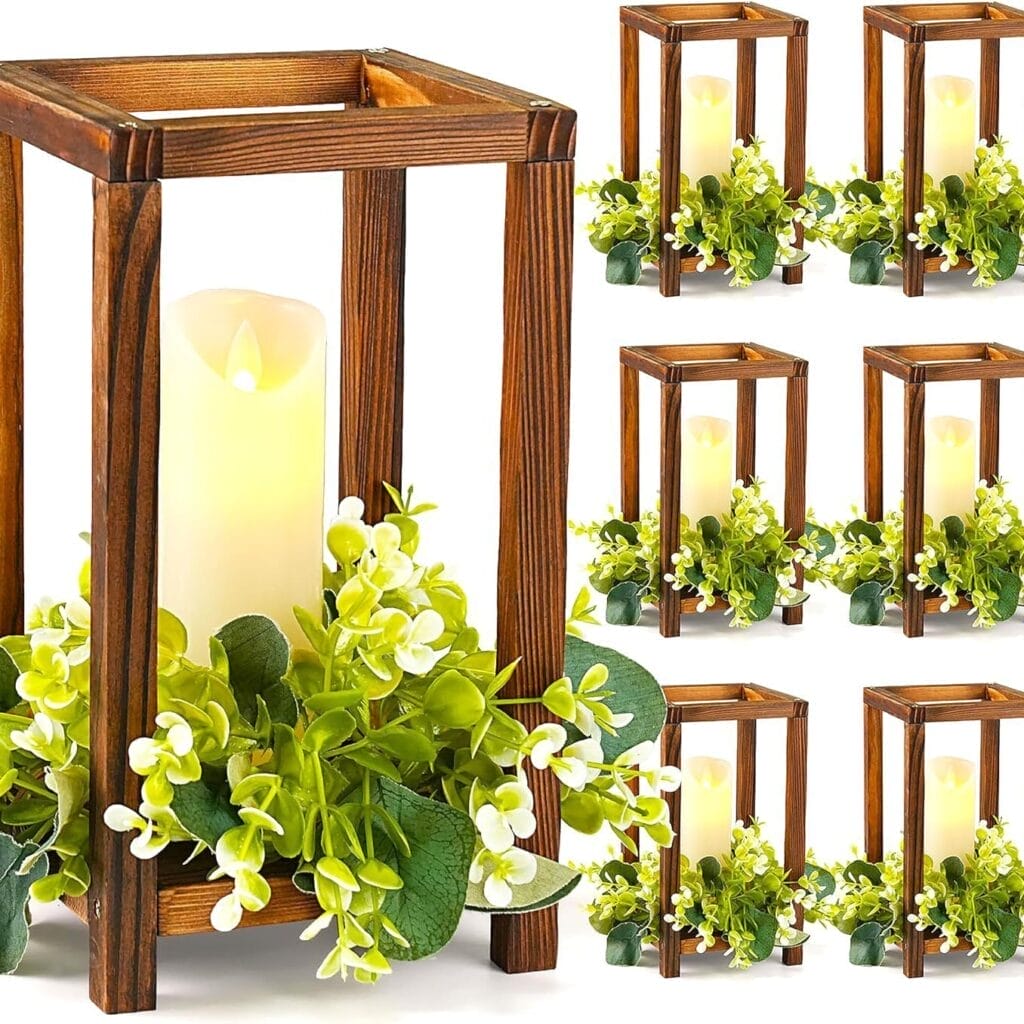
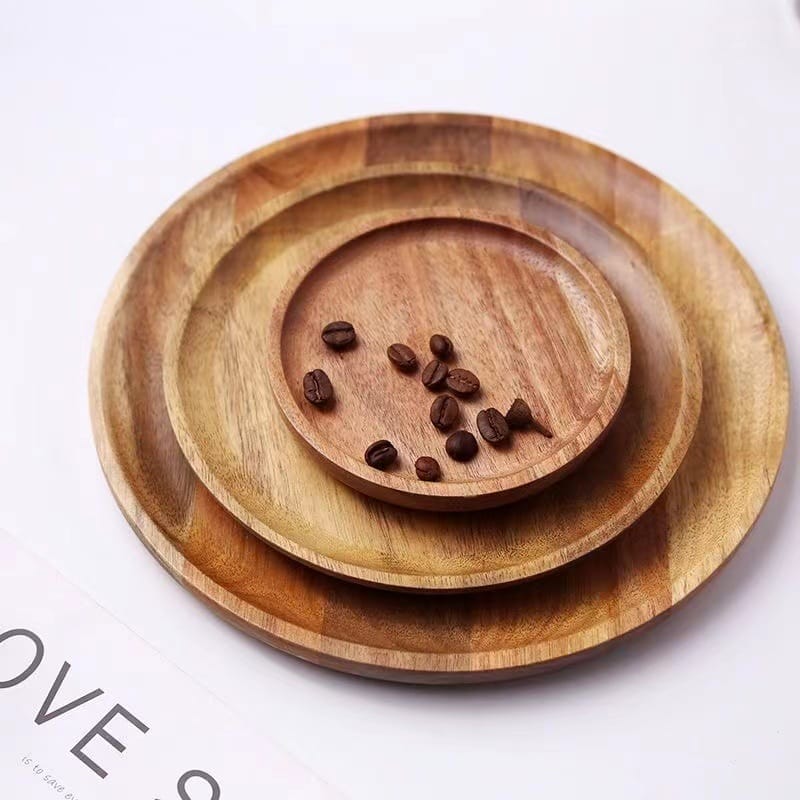
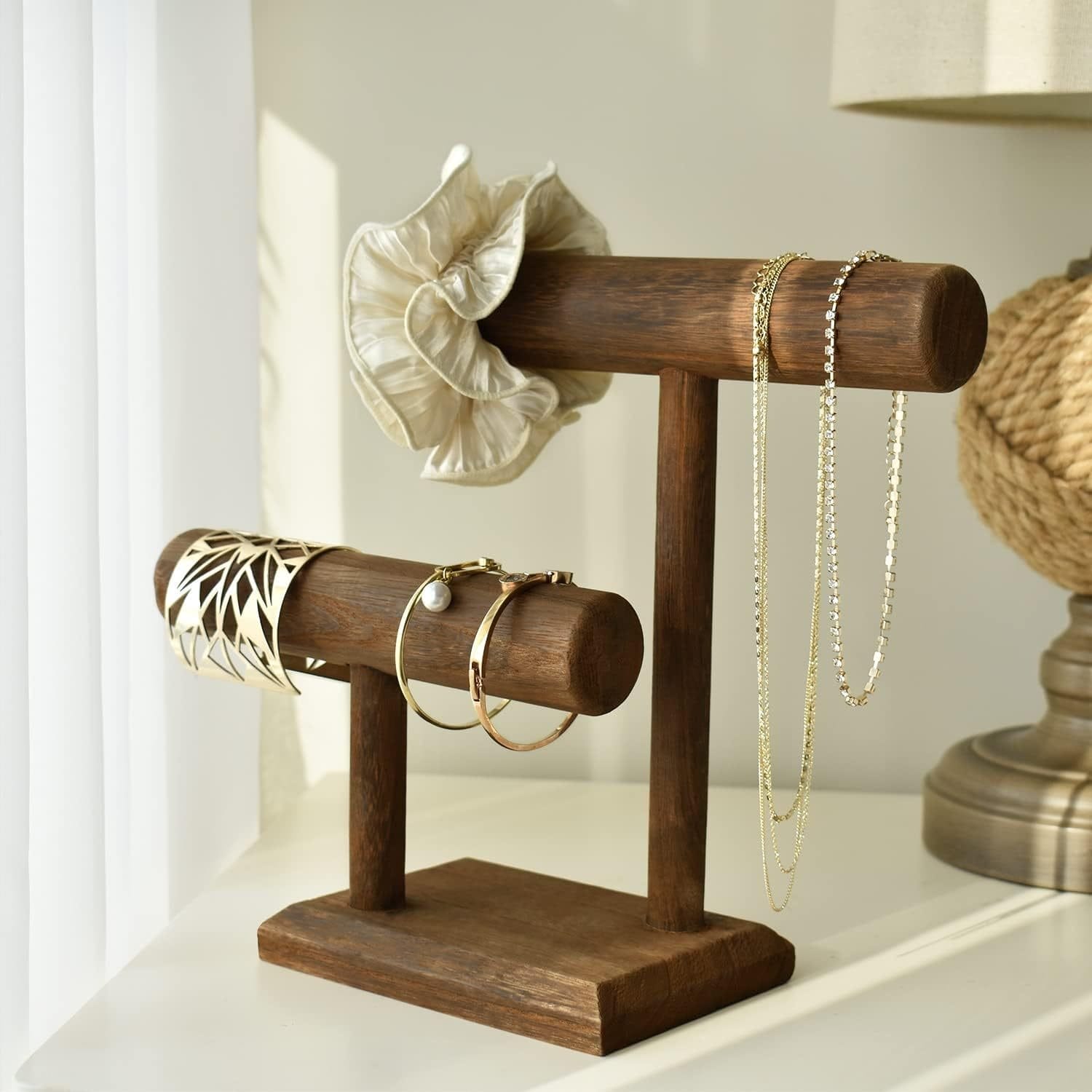
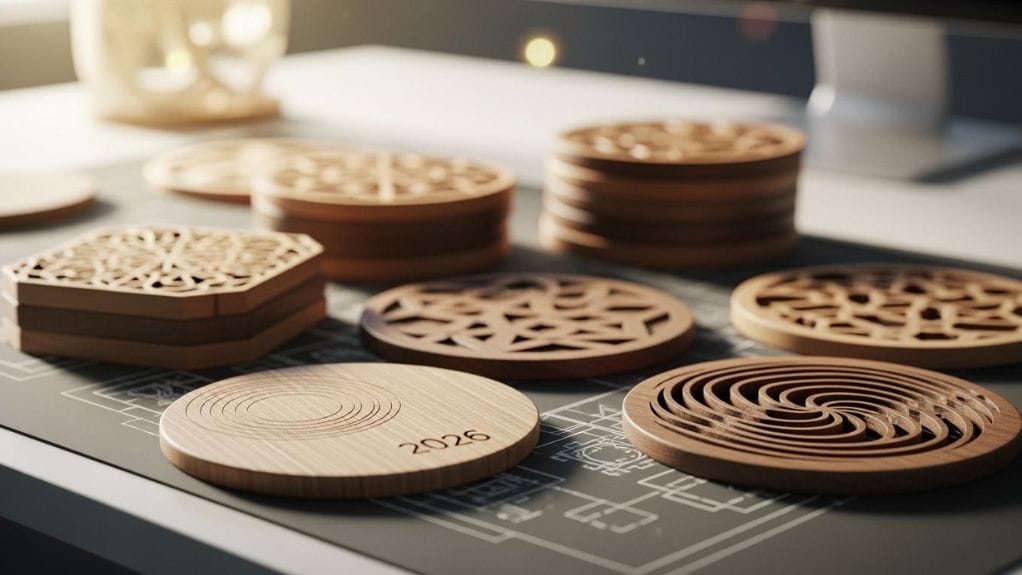
Small reclaimed wood accents can be used to punctuate a space without overwhelming it. Items like picture frames, shelving, and decorative objects can carry the material throughout your design scheme, allowing for a cohesive look that celebrates the warmth and character of wood.
Entryways
Reclaimed wood elements in entryways establish a home’s character from the moment guests arrive. A statement bench or coat hooks made from weathered planks can create an organized yet inviting transition space that sets the tone for the entire home.
The Fusion of Reclaimed Wood and Aesthetic Styles

Reclaimed wood is an incredibly versatile material that complements and enhances a variety of interior design aesthetics. Its natural warmth, texture, and unique character allow it to blend effortlessly with different styles, making it a popular choice for homeowners and designers seeking to add personality and depth to their spaces.
Industrial Style
In industrial interiors, reclaimed wood pairs perfectly with raw, utilitarian materials such as exposed metal beams, concrete floors, and brick walls. The wood’s weathered texture softens the coldness of metal and concrete, creating a balanced contrast that feels both rugged and inviting. Examples include reclaimed wood shelving with black metal brackets, dining tables with steel legs, or a reclaimed wood kitchen island that adds warmth to an industrial-style loft.
Modern Style
Modern design is often defined by simplicity, clean lines, and minimalism, which can sometimes risk feeling cold or sterile. Incorporating reclaimed wood introduces an organic element that warms up the space without detracting from its sleekness. For instance, a reclaimed wood accent wall in a minimalist living room or reclaimed wood cabinetry paired with glossy white surfaces can create a refined yet cozy atmosphere. The natural imperfections in the wood bring subtle visual interest to modern interiors.
Farmhouse Style
Farmhouse style embraces comfort, nostalgia, and natural materials, making reclaimed wood an ideal fit. Its rustic charm fits seamlessly in farmhouse kitchens with reclaimed wood cabinetry or open shelving. Reclaimed wood beams on ceilings or barn door-inspired sliding doors add authenticity to the look. Paired with soft textiles and vintage accessories, reclaimed wood helps create a welcoming and timeless country home aesthetic.
Bohemian Style
Bohemian interiors celebrate eclecticism, color, and texture. Reclaimed wood works well here by providing grounding natural elements amid colorful fabrics, patterned rugs, and diverse furniture pieces. Think reclaimed wood coffee tables decorated with vibrant cushions or reclaimed wood frames for mirrors and artwork that add warmth and structure to a free-spirited space. The irregularities in the wood complement the boho emphasis on uniqueness and handcrafted charm.
Challenges and Maintenance
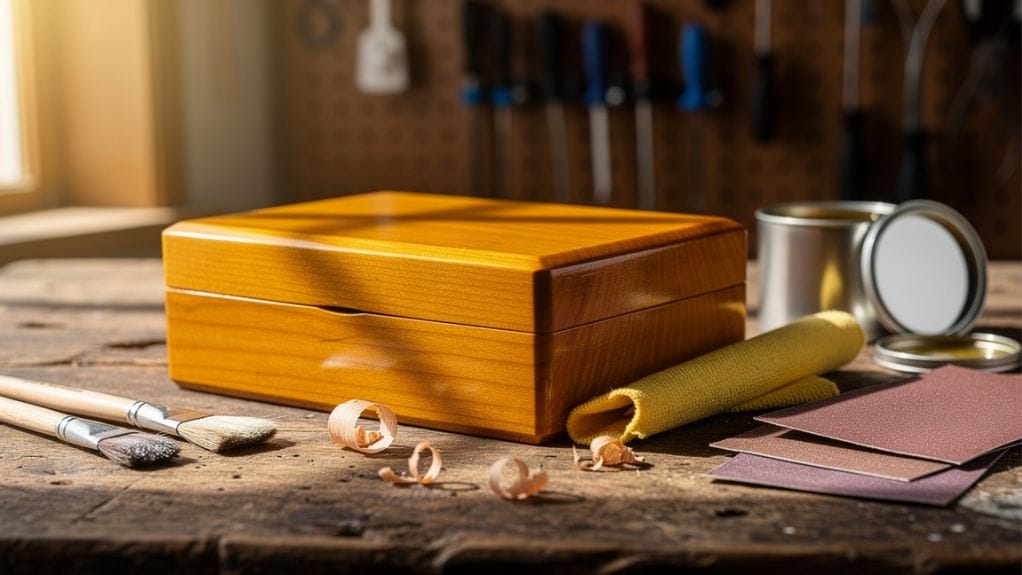
- Preparation: Reclaimed wood may require thorough cleaning, de-nailing, sanding, and treatment to remove pests or contaminants.
- Sealing: To protect against moisture and wear, sealing reclaimed wood is essential, especially in kitchens or bathrooms.
- Color Variation: Expect natural color variations; these should be embraced as part of the charm rather than seen as imperfections.
- Cost: Due to labor-intensive processing and sourcing, reclaimed wood products can be pricier than standard materials but offer unmatched uniqueness.
Frequently Asked Questions
What is reclaimed wood?
Reclaimed wood is timber that has been salvaged from old buildings, barns, and other structures. It is repurposed for new furniture, decor, and architectural applications, preserving its historical character and reducing environmental impact.
How can I determine the quality of reclaimed wood?
Quality can be assessed by examining the wood’s grain patterns, structural integrity, and overall condition. Look for pieces that exhibit minimal warping, cracks, or damage, and consider the source of the wood to ensure it has been properly treated for reuse.
Is reclaimed wood more expensive than new wood?
While reclaimed wood can be more expensive than mass-produced options due to the labor involved in salvaging and processing it, many consider it a worthwhile investment for its unique character, quality, and sustainability benefits.
How do I care for reclaimed wood furniture?
Caring for reclaimed wood involves regular dusting and cleaning with a damp cloth. For surfaces, consider using natural oils or wax to maintain the wood’s luster and protect it from moisture.
Can reclaimed wood be used in outdoor projects?
Reclaimed wood can be used outdoors, but it requires proper sealing and maintenance to protect it from the elements. Consider using wood that has been specifically treated for outdoor use for longevity.
Conclusion
The enduring appeal of reclaimed wood in contemporary interiors speaks to our collective desire for authenticity, sustainability, and a connection to history in an increasingly digital and disposable world. Each weathered board carries stories of previous uses and craftsmanship from earlier eras, contributing to a design aesthetic that is both grounded and contemporary.