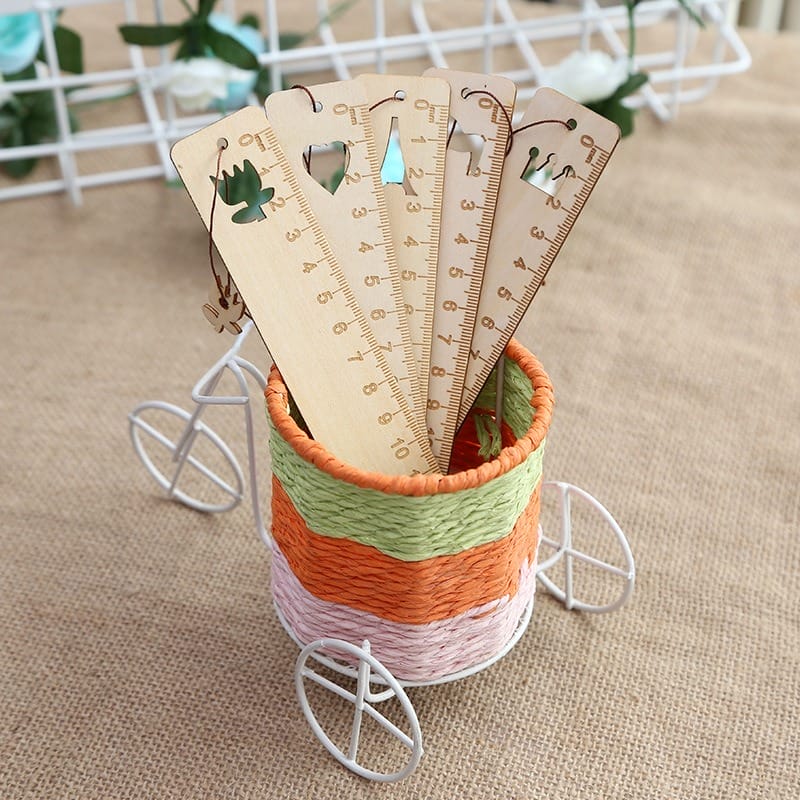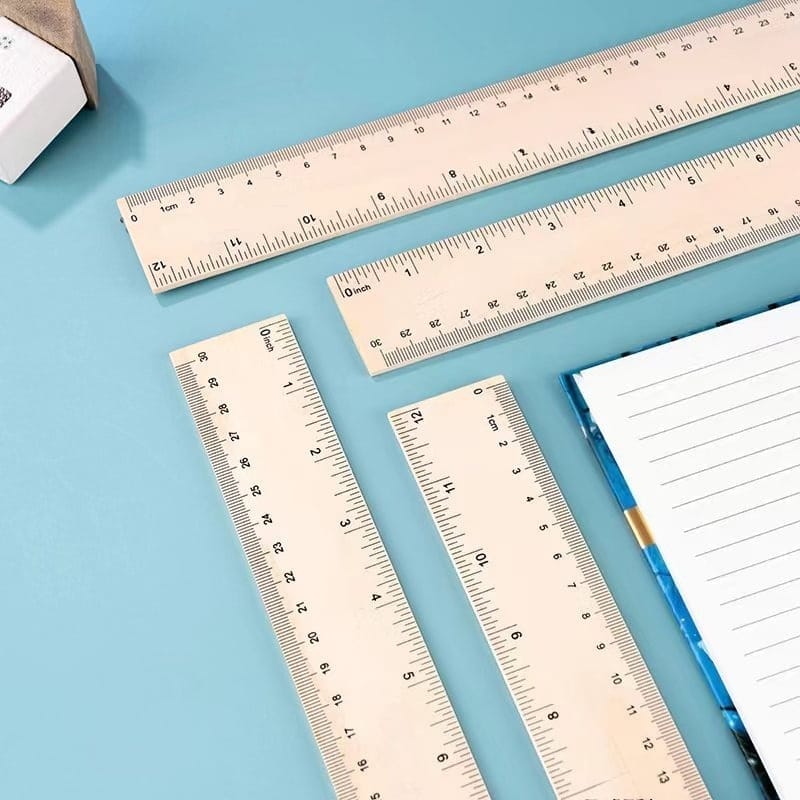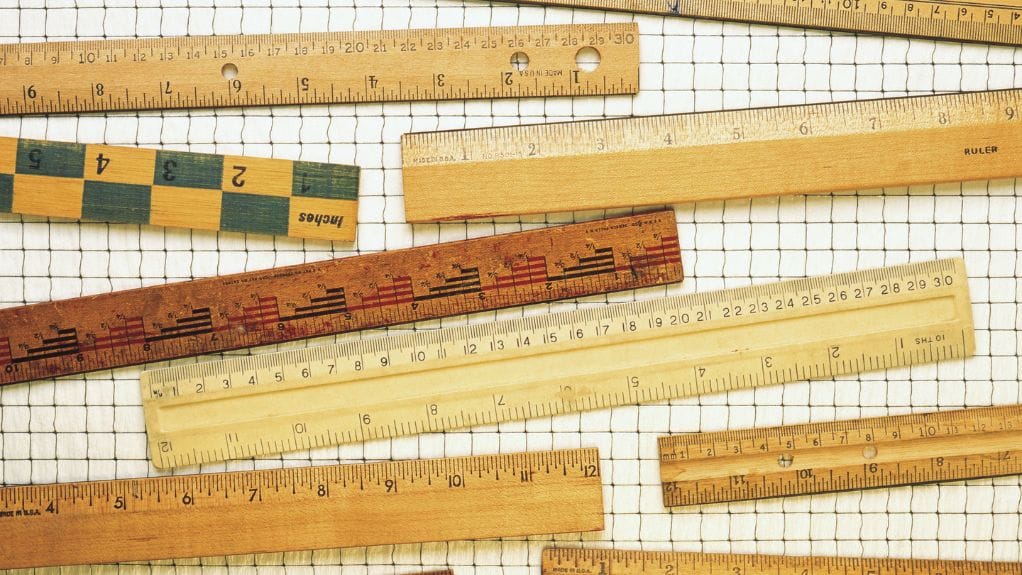
Picture this. You are at your desk with two wooden ruler samples in front of you. Both are 12 inches long, both marked in inches and centimeters, and both look fine at first glance. Yet one costs much more than the other, and you start asking what wooden rulers are made of that could explain the price gap.
For a wholesale buyer or store owner, that simple question about what wooden rulers are made of links directly to profit. The wood species, the metal edge, the finish, and even the way the markings are printed all change how long a ruler stays straight, how easy it is to read, and how many come back as returns. When you understand wooden ruler materials, you can pick the right mix of price, durability, and look for school supplies, craft sets, office supplies, and promo gifts.
This guide walks through what wooden rulers are made of from end to end, covering everything from specialty measuring applications to everyday use. You see which wood species work best, how brass and other metals protect the straight edge, how clear coatings guard the scale, and how the ruler manufacturing process keeps every inch and millimeter accurate.
Key Takeaways
- Boxwood and hard maple are classic hardwood ruler types that stay straight and read clearly. Their tight grain and pale color make fine metric and inch markings easy to see. You use them when accuracy and long life matter more than rock-bottom cost.
- Brass hardware on wooden rulers protects folding joints, ends, and sometimes the full edge. This metal takes the impact when a ruler drops or scrapes a desk. As a result, the wood and the scale stay accurate much longer.
- Clear lacquer and protective finishes act as an invisible shield around the wood body. They keep moisture, dirt, and pencil dust away from the graduations. They also stop splinters, which is important when children handle the rulers.
- Properly dried wood is a quiet hero in every straight ruler. When moisture is controlled before cutting, the ruler does not twist or bow later. That stability keeps every inch and millimeter line in the right place for years.
- Material quality sets the ladder of wholesale price tiers for wooden measuring tools. Better wood and hardware raise the unit cost a bit, but they also cut breakage, returns, and bad reviews. Over time, that pattern boosts your profit.
- More buyers now check how rulers are made and where the wood comes from. Eco-focused sourcing and safe finishes help you match school bids, corporate gift rules, and brand values without giving up on performance.
Primary Wood Species: The Foundation Of Quality Rulers

When you ask what are wooden rulers made of, the first and most important answer is the wood itself. Different ruler wood species change how straight the stick stays, how sharp the markings look, and how the ruler feels in the hand. Picking the right types of wood for rulers is the base for any long term wholesale program.
Boxwood is the classic choice for traditional folding rules and high-grade straight rulers. It has a very tight grain and a light yellow color, so every fine marking down to a sixteenth of an inch or a small millimeter division stands out clearly. Makers have long used English boxwood, Turkey boxwood, and Maracaibo boxwood from South America, each known for a dense structure that resists wear. If you sell to carpenters or technical trades, boxwood still signals a serious measuring tool.
Hard maple is the modern standard for many yardsticks and bench rulers. Northern hard maple is strong, stable, and light cream in color, which makes it a good match for bold inch and metric system scales. Before cutting, the lumber is carefully dried, so it does not move later. That drying step is a key part of what wooden rulers are made of because it protects straight edges and keeps a 36-inch yardstick from bowing on the classroom wall.
For school supplies, craft kits, and branded giveaways, alternative woods like beech and bamboo often give the best balance of cost and performance:
- Beech wood rulers are sturdy enough for daily classroom use yet sit in a mid-price range that works for 12-pack sets.
- Bamboo rulers appeal to eco-focused buyers and look great in natural finish lines, though the grain can be more variable and benefits from good finishing.
At Qlychee Crafts, you can source natural wood rulers made from responsibly harvested beech and other hardwoods, matched to the price point and shoppers you serve.
Here is a simple ruler material comparison to frame your choices.
| Wood Species | Grain Density | Color Clarity | Typical Use | Price Point |
|---|---|---|---|---|
| Boxwood | Very tight | Light yellow | Folding rules | Premium |
| Hard Maple | Tight | Light cream | Yardsticks | Mid high |
| Beech | Moderate | Light tan | School rulers | Mid |
| Bamboo | Variable | Natural tone | Eco focused lines | Mid |
Essential Metal Components: Durability Through Strategic Reinforcement

Many buyers think first about wood when they wonder what are wooden rulers made of, but metal parts do a lot of hidden work. A thin strip of brass or a small joint can turn a plain wood stick into a professional tool that holds its straight edge after years of use. For wholesale orders, these hardware choices explain much of the price and performance gap between different wooden ruler materials.
Brass is the most common metal in quality ruler construction materials:
- On folding rules, brass joints let each segment bend open smoothly and then lock tight, so the scale stays accurate when a builder checks a dimension.
- On straight rulers and yardsticks, brass end tips protect the fragile grain at both ends from chips and splits when the ruler hits the floor.
- When brass runs along one edge, it doubles as a cutting guide for fabric or paper and keeps that edge perfectly straight.
Some higher-grade rulers feature full brass binding along both long sides. Thin brass strips are set into grooves in the wood and fastened with small pins or rivets. This design adds strength without making the ruler heavy and gives a premium look that stands out from plain beech or maple wood rulers. It also slows down wear on the corners, which means straight lines stay straight for more years in busy classrooms or workshops.
In older specialty rules, makers sometimes used a pale alloy known as German silver for joints, especially on ivory pieces. In other fields, such as blacksmith work, rules made from solid brass or aluminum are common because wood would scorch near high heat. When you compare what wooden rulers are made of across your catalog, keep metal components in mind, and look for partners like Qlychee Crafts that fit and test each joint and tip with tight quality checks.
Protective Finishes and Marking Systems: Guarding Long-Term Accuracy

Another part of what wooden rulers are made of never shows up in a simple spec sheet. Clear coatings and printed markings may look minor, but they play a big role in how long a ruler stays readable and safe to handle. For buyers who care about low return rates, this layer of detail matters as much as the core wood.
Most good wooden rulers receive a clear lacquer or similar coating. This thin film:
- Seals the grain so moisture and sweat from hands do not soak in and move the wood.
- Gives a smooth, pleasant touch and prevents splinters that could bother children or customers.
- Keeps dirt, pencil dust, and ink from staining the graduations.
Some makers use acrylic or polyurethane types, while others prefer water-based finishes for eco reasons, yet the goal is the same: protect the body while keeping the natural wood look.
The printed scale is another key part of what wooden rulers are made of. On quality pieces, the inch and metric graduations are applied by machine so every eighth or sixteenth division lands in the right spot. Durable ink or paint sinks slightly into the grain and then bonds under the clear coat. Extra bold numbers help users read the correct inch, centimeter, or millimeter at a glance, which is helpful for older eyes in offices and studios.
Qlychee Crafts puts a strong focus on this finishing stage. Each ruler passes through careful sanding so all edges feel smooth before the clear coat goes on. You can choose natural lacquer, water based varnish, or stronger polyurethane depending on your market. Edge details such as gentle rounding, beveling for drawing, or one crisp straight edge for cutting give you more ways to match rulers to art, craft, fabric, or technical buyers.
“Details make perfection, and perfection is not a detail.”
— Often attributed to Leonardo da Vinci
In measuring tools, those “details” are the finish and printing that keep every mark usable for years.
The Manufacturing Process: From Raw Timber to Precision Tool

Knowing what wooden rulers are made of is only part of the story. The ruler manufacturing process also shapes how well even suitable materials perform. When you understand the basic steps, you can ask better questions of suppliers and judge which factory can support your brand.
The work usually follows four main stages:
Material Preparation
The maker selects the right lumber and dries it to a stable moisture level. Hard maple, beech, or other hardwoods sit in kilns where moisture leaves slowly and evenly. This care stops the wood from shrinking or twisting later, which keeps the straight edge of a 12-inch or 30-centimeter ruler true.
Precision Cutting And Shaping
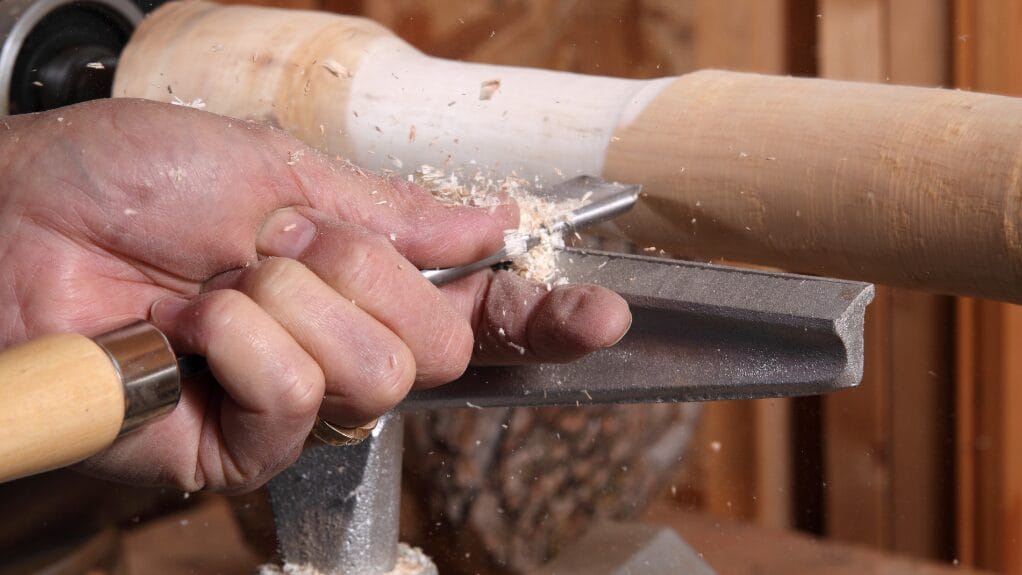
Machines slice the timber into long strips with set thickness and width for different ruler types, such as slim classroom sticks or wide architectural scales. The pieces then pass through planers and sanders that give each face a smooth surface ready for accurate marking.
Component Assembly And Graduation
If the design is a folding rule, brass joints are fitted and fixed in place. For straight rulers, end caps or metal edges are added where needed. Then, automated printing machines apply the scale in inches, centimeters, and sometimes both on one side, with each division spaced to tight standards.
Finishing And Quality Checks
Clear coatings are applied and dried, holes may be drilled for hanging in retail displays, and each batch is checked for straightness and clean printing.
Specialty Materials and Trade-Specific Variations

When you look beyond standard school and office items, what wooden rulers are made of can change a lot based on the trade. History shows many special mixes of wood and metal, and some of these ideas still help you plan niche product lines today.
In the past, high-status rulers for professionals sometimes used ivory paired with pale metal joints. These items now sit mainly in collections because trade in ivory faces strict legal controls. Other specialty designs used cast aluminum bodies in folding zigzag rules for lightweight and better wear in rough field work, while some blacksmith shops relied on solid brass rules that could sit close to heat without damage.
Different jobs also need different shapes, and scales even when the core is wood. For example:
- Architects often prefer wooden rulers with beveled edges so the millimeter or decimal inch scale sits close to the paper for precise technical drawing.
- European heritage designs sometimes carry local inch systems such as Paris or Spanish inches along with metric lines.
- Museum shops and design studios may look for period-inspired scales or special finishes that echo older tools.
If you serve design studios, heritage brands, or museum shops, you can use these ideas with modern hardwood ruler types. Qlychee Crafts supports full OEM and ODM projects, so you can match wood species, finish, and special scales to very specific customer groups.
Comparison Table: Wooden Rulers vs. Other Materials
| Material | Stability | Durability | Price Range | Eco-Friendliness | Typical Use Cases |
|---|---|---|---|---|---|
| Wood | High (depends on species) | Moderate to High (better with metal edge) | Mid-range | High (natural material) | School supplies, crafts, office use |
| Plastic | Medium | Medium | Low | Low | Everyday use, kids’ rulers |
| Metal | Very High | Very High | High | Medium | Industrial measurement, professional use |
| Glass | Low | Low (fragile) | Mid | Low | Precision drawing |
Material Quality Impact On Wholesale Value and Retail Success
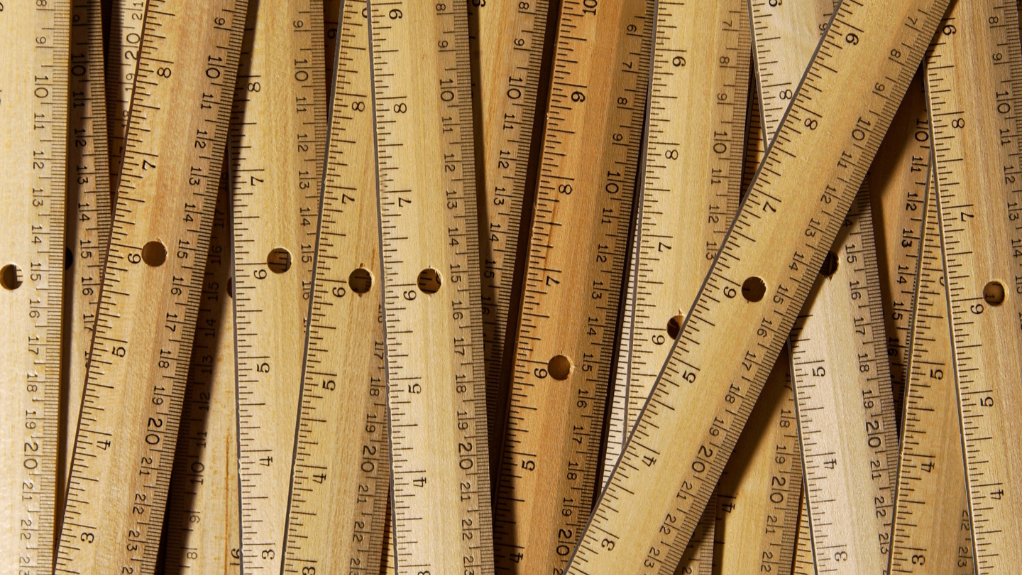
Every time you ask what are wooden rulers made of, you are also asking how the bill for that material will come back to you in real use. Better wood, metal, and finish often raise unit price a little, yet they lower total costs and lift your store image in clear ways.
First, durability has a direct link to replacement and return rates. A beech or maple wood ruler with well-dried wood, a firm straight edge, and brass tips will survive many drops in a classroom or office. When you divide its cost by years of use, it often beats cheaper soft wood ruler options that crack or warp in the first term.
Second, wooden ruler properties shape how end users feel about your brand and store. Smooth surfaces without splinters, bold, readable inch and centimeter markings, and metal edges that still feel straight after long use all send a quiet message that you care about quality. Happy teachers, students, and crafters leave better reviews and come back for more school supplies and art tools.
Third, eco-focused natural wood rulers now stand out on crowded online pages. Responsibly sourced beech, bamboo lines, and water-based finishes fit well with green purchasing rules for schools and corporate buyers. When you combine that with recyclable packaging, you give buyers a simple story they can share.
Last, material choices help you shape a clear ladder of price and margin:
- Entry tiers might use plain beech with printed scales.
- Mid-tiers may move to maple wood rulers with nicer finishes.
- Top tiers may add brass binding and custom engraving.
Qlychee Crafts backs these levels with tight quality control and low minimum order quantities, so you can test new material mixes and price points without heavy risk.
Conclusion: What Are Wooden Rulers Made Of?
By now, the question what are wooden rulers made of should feel much more concrete. Quality starts with the right wood species, from classic boxwood and maple to practical beech and bamboo. It grows with smart metal reinforcement at the joints and edges and finishes with clear coatings and sharp markings that guard every inch and centimeter line.
When you read a spec sheet or talk with a factory, this material picture helps you pick rulers that fit your market instead of guessing. Better wood and hardware may add a few cents to unit cost, but they cut breakage, support higher retail prices, and keep your reviews strong. For many buyers, eco-safe materials and transparent sourcing also matter as much as accuracy.
Qlychee Crafts is ready to back you on all of this. You can request material samples, compare ruler construction materials side by side, and design branded lines with laser engraving, custom finishes, and special scales. With low MOQ, drop shipping support, and fast production, it is easy to test new wooden ruler ranges and grow the ones that work. When you want a partner that treats materials with the same care you give your brand, Qlychee Crafts is ready to help you move forward with confidence.
FAQs
What Wood Type Offers the Best Value for School Supply Retailers?
For school supply shelves, hard maple and beech usually give the best mix of price and strength. Both woods handle rough daily use in classrooms without bending or chipping too fast. In this setting, the finish and clear markings often matter more than rare species.
How Do Brass Components Affect Wholesale Pricing?
Brass joints, tips, and edges add some cost to each ruler, often raising the price over a plain wood stick by a modest step. In return, they protect the straight edge and the ends, so fewer rulers break or lose accuracy. Fully brass-bound rulers sit at the top tier and support the highest retail margins for professional users. Qlychee Crafts can guide you to the right mix of brass parts for each price level in your catalog.
Are Bamboo Rulers as Durable as Traditional Hardwoods?
Bamboo rulers can match hardwoods in strength when the material is well processed and sealed. The fibers are tough, but the grain pattern is less even than boxwood or maple, so good finishing is important. Many buyers choose bamboo mainly for its fast-growing, eco-focused image. With the right coating and clear printing, bamboo works well for green product lines in school and office supplies.
What Minimum Order Quantity Is Required for Custom Wood Ruler Lines?
Qlychee Crafts keeps minimum order quantities flexible so you can test ideas before scaling. Small trial runs help you see how a new hardwood ruler type or printed design performs with your shoppers. As demand grows, the same team can shift to larger volumes without changing quality. You can pick wood species, finishes, and logo styles that match each of your target markets.
How Does Wood Drying Affect Ruler Accuracy and Longevity?
Proper wood drying is a key part of what wooden rulers are made of because it locks in shape before cutting. If the wood holds too much moisture, it will shrink or warp later, and the scale will stop lining up with real inches and centimeters. Controlled drying keeps the body straight, so the markings stay true for many years. Qlychee Crafts follows strict wood preparation steps so that your rulers stay accurate from the first measurement to the last.