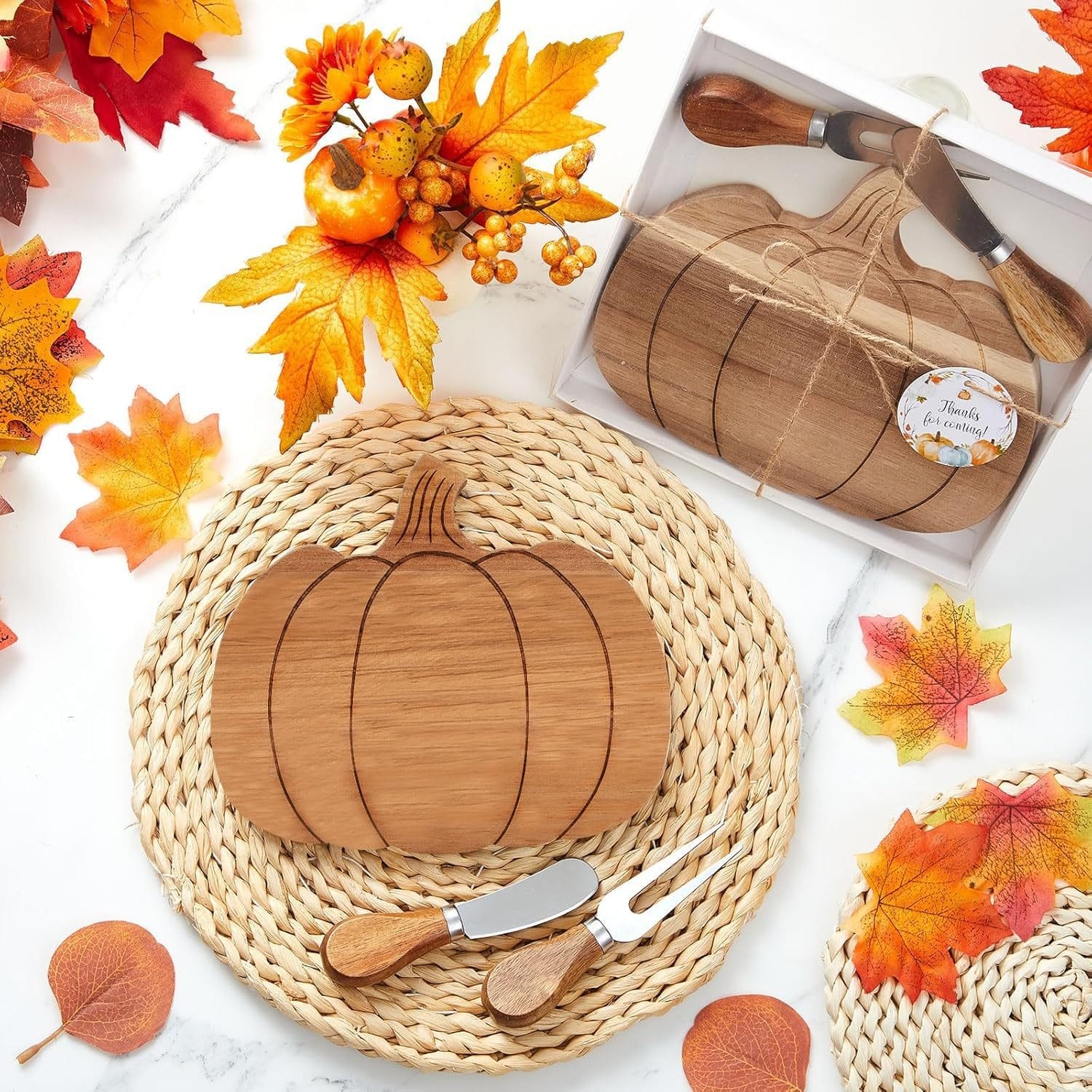
Woodworking, the art of crafting items from wood, embodies a wide range of disciplines, including cabinetry, furniture making, wood carving, joinery, carpentry, and wood turning. Despite the rise of modern materials like glass, steel, and plastic dominating many design fields, the enduring charm and warmth of wood remain unmatched. This blog post will explore diverse woodworking project ideas, examine the advantages and disadvantages of wooden furniture, and provide inspiration for hobbyists and entrepreneurs alike.
A World of Woodworking Projects
Woodworking offers a vast spectrum of projects suitable for all skill levels—from beginners to seasoned craftsmen. Each project brings its own challenges and rewards, making woodworking a highly versatile and creative pursuit.
Furniture Creation

Building your own furniture offers a unique chance for personalization and customization. Whether it’s a sturdy coffee table, an elegant bookshelf, or a cozy chair, the hands-on process allows you to tailor each piece to your specific tastes and needs. For example, selecting different types of wood such as oak or walnut can influence the piece’s color, grain pattern, and durability. Additionally, you can decide on finishes—from natural oils to glossy varnishes—that enhance both aesthetics and longevity.
Home Décor Items

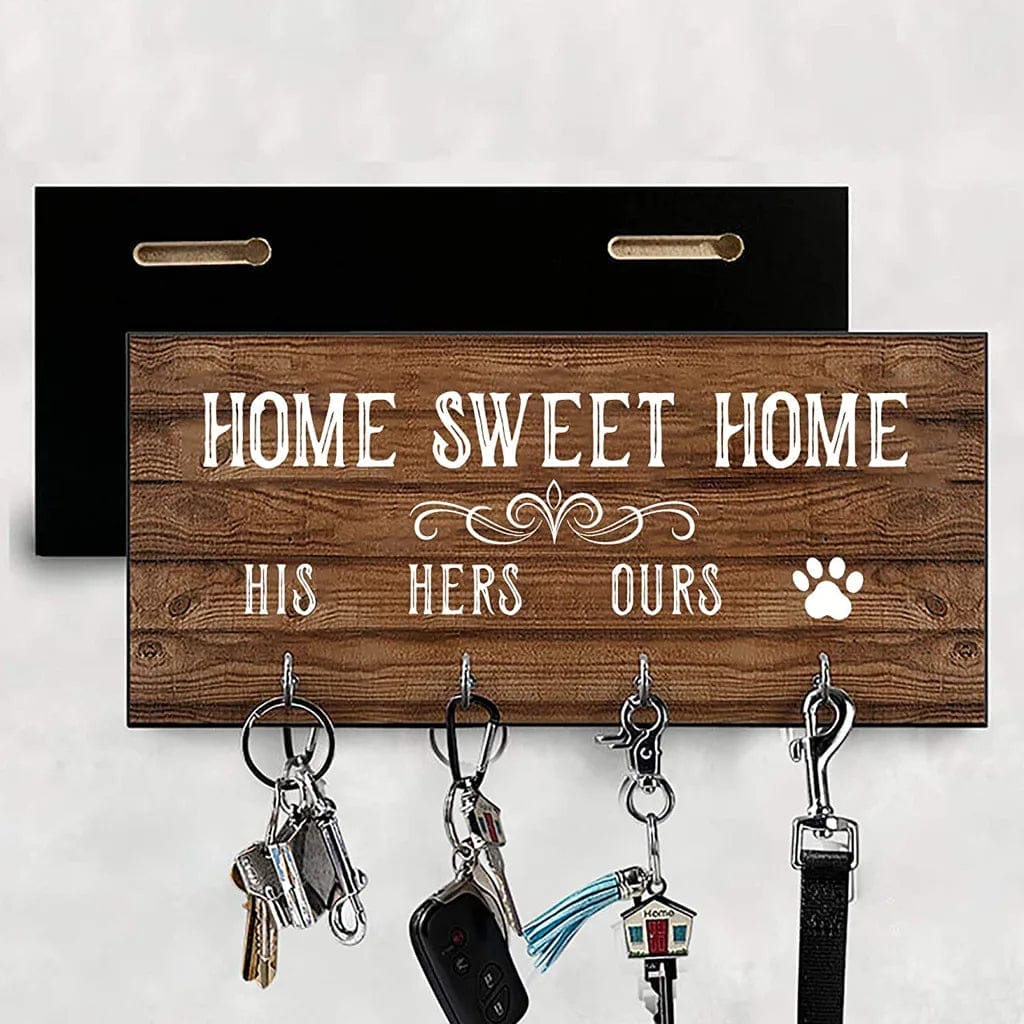
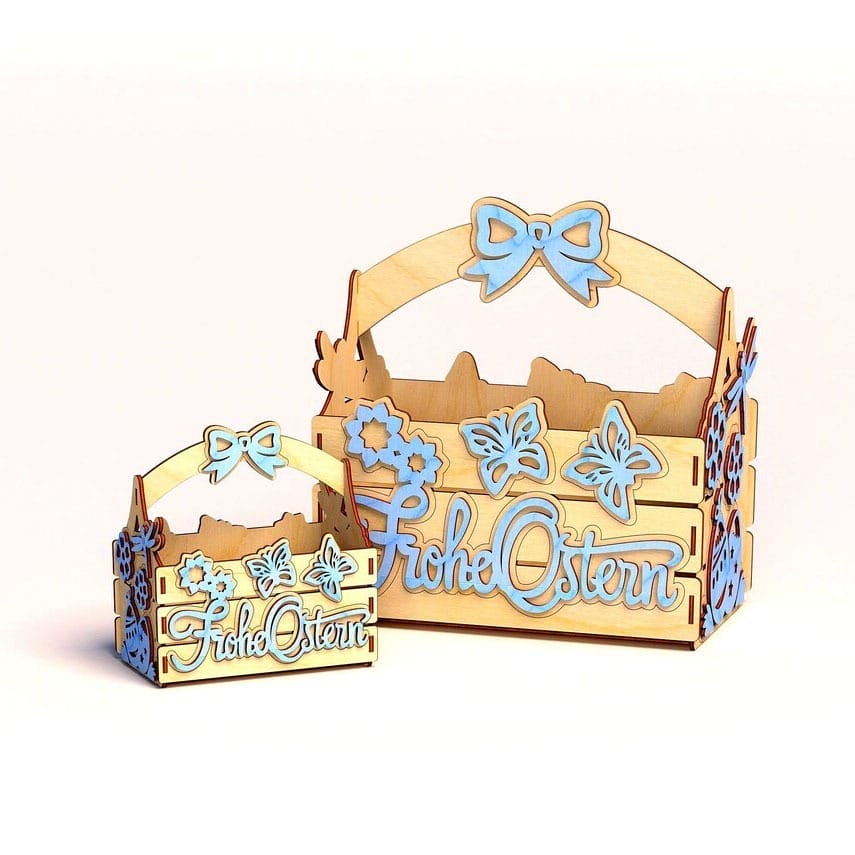
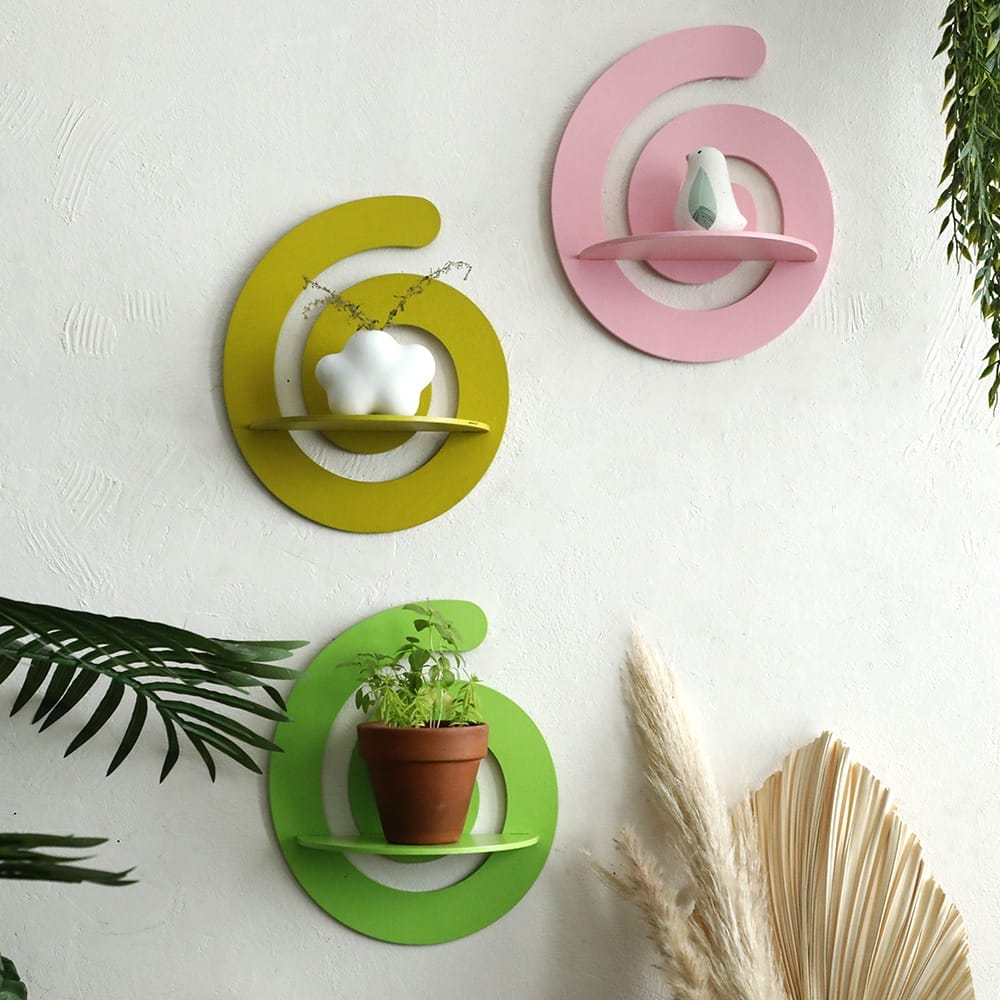
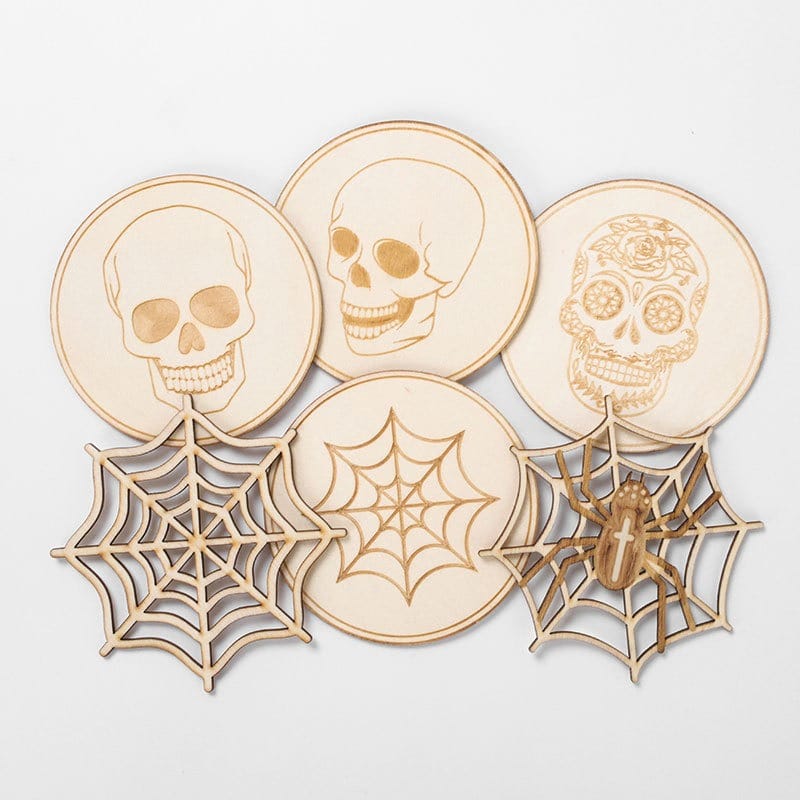
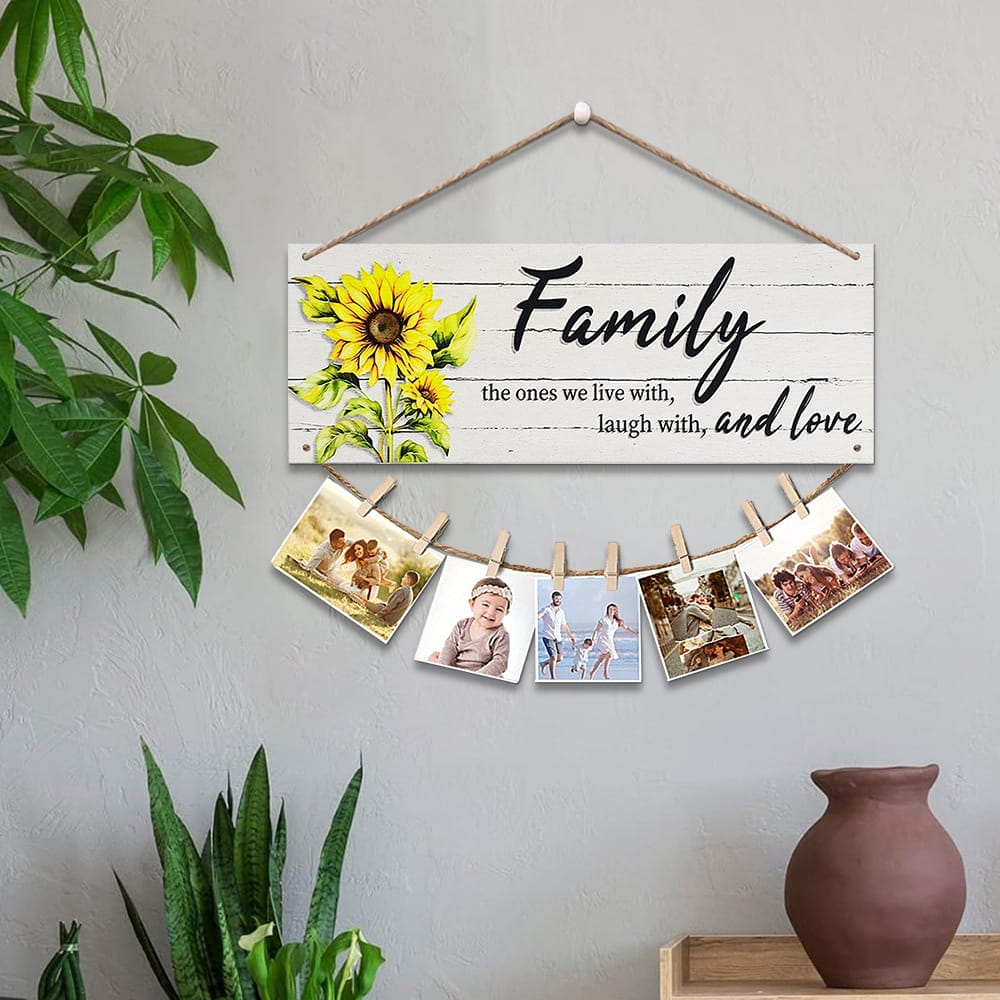
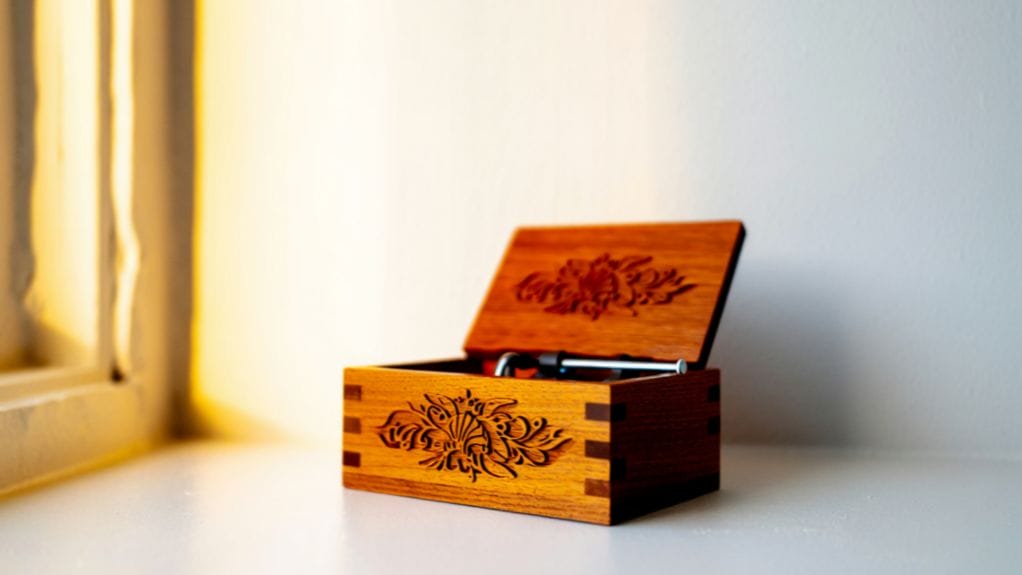
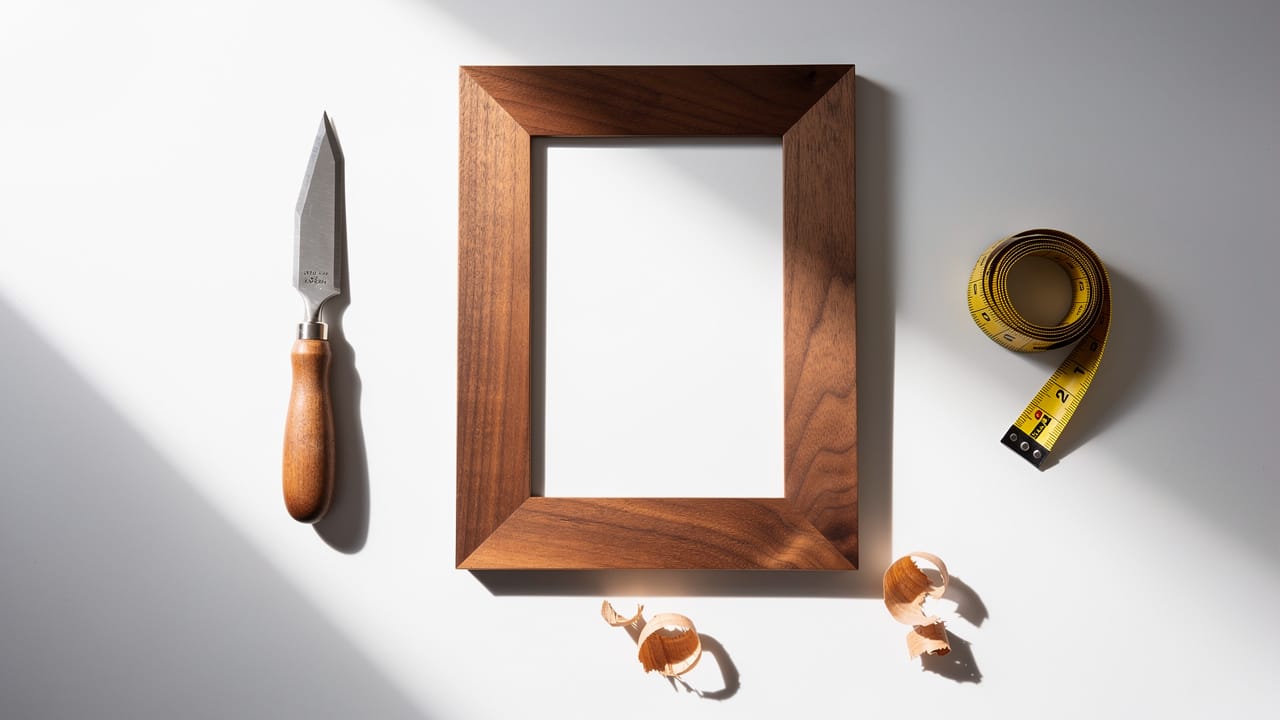
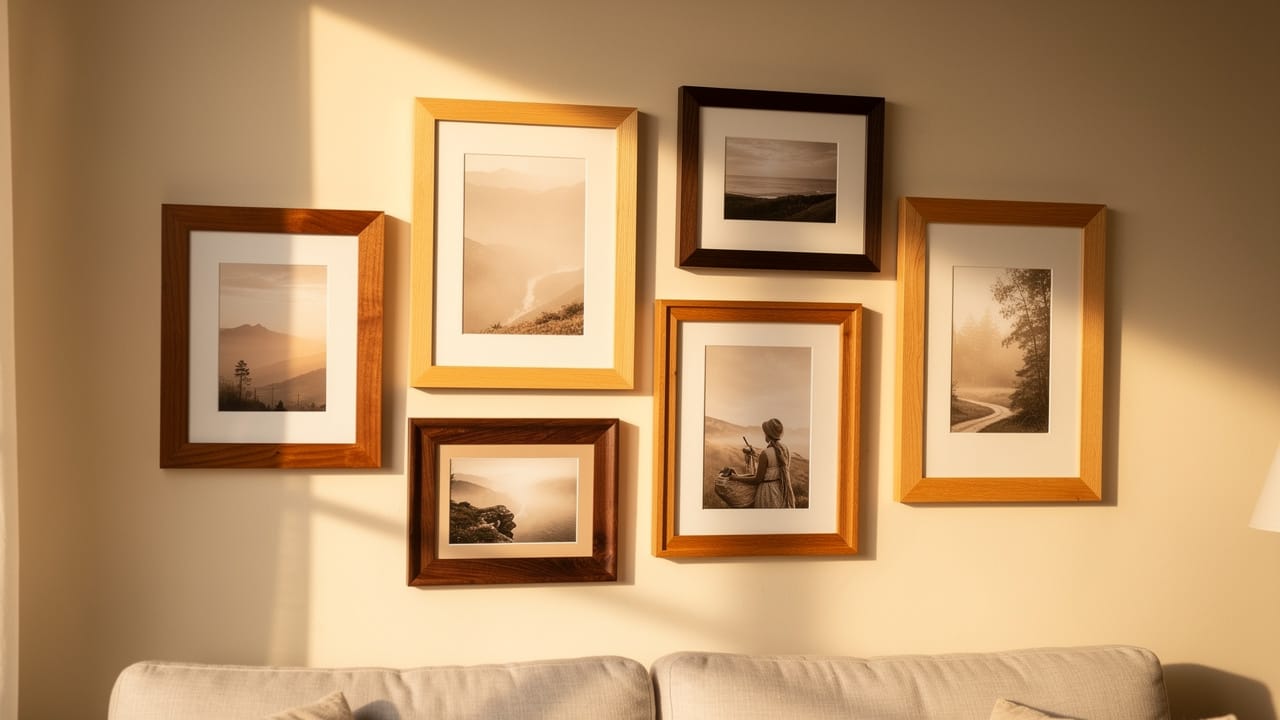
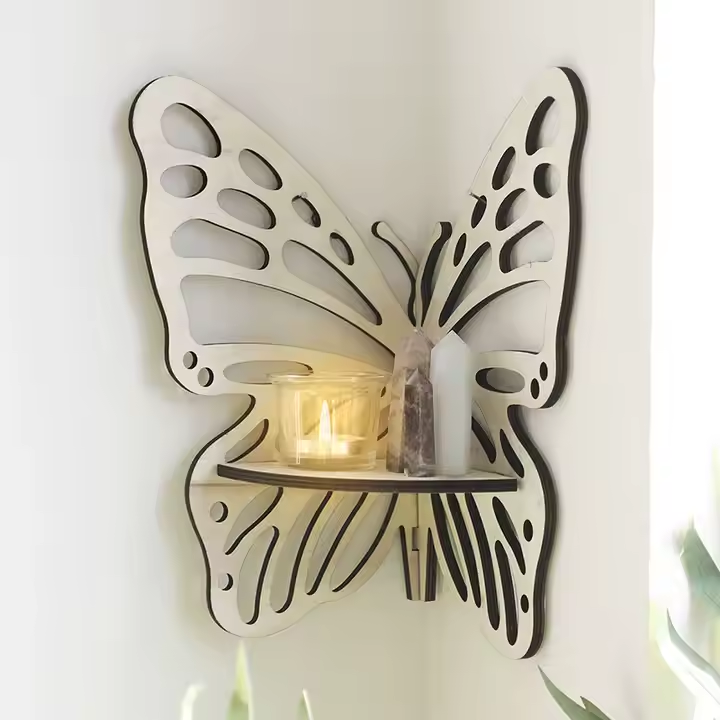
Wood allows for the crafting of beautiful, functional decor such as picture frames, wall art panels, wooden clocks, or decorative shelves. These projects are often smaller in scale but no less satisfying. For instance, hand-carved wooden wall hangings can add an artisanal touch to a room’s ambiance. Furthermore, these items make excellent personalized gifts due to their unique handcrafted appeal.
Outdoor Furniture

With a growing trend toward outdoor living spaces, woodworking projects like building patio furniture, garden benches, or planter boxes are increasingly popular. Outdoor wooden furniture not only provides comfort and utility but also harmonizes naturally with garden environments. Choosing weather-resistant woods like teak or cedar enhances durability against elements such as rain and sun.
Toys and Games

Crafting wooden toys is a rewarding avenue that combines creativity with safety concerns. Wooden toys are often preferred over plastic ones due to their non-toxic nature and durability. From simple building blocks to intricately designed puzzles or rocking horses, these projects appeal to both children and adults who appreciate traditional craftsmanship.
Small Household Items

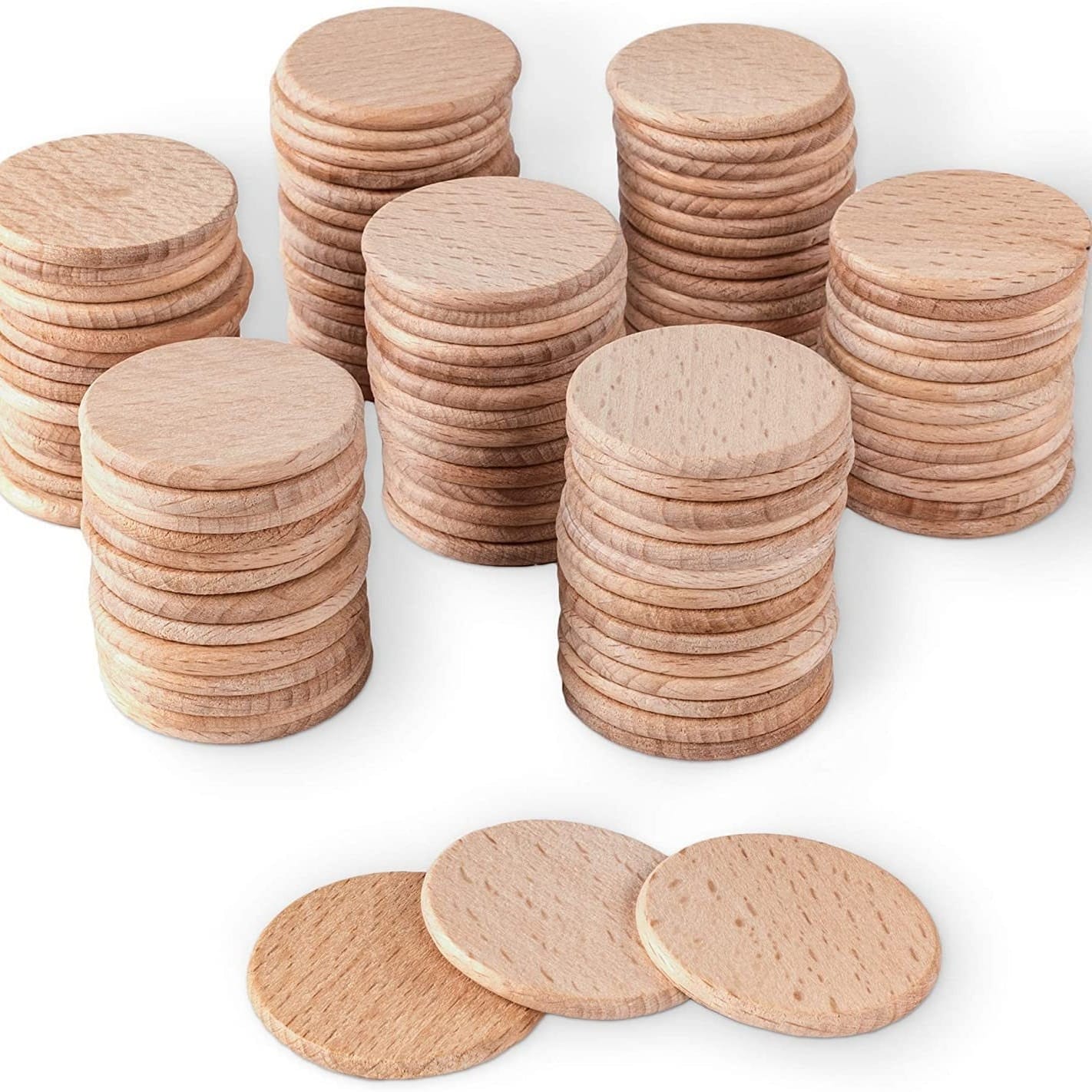
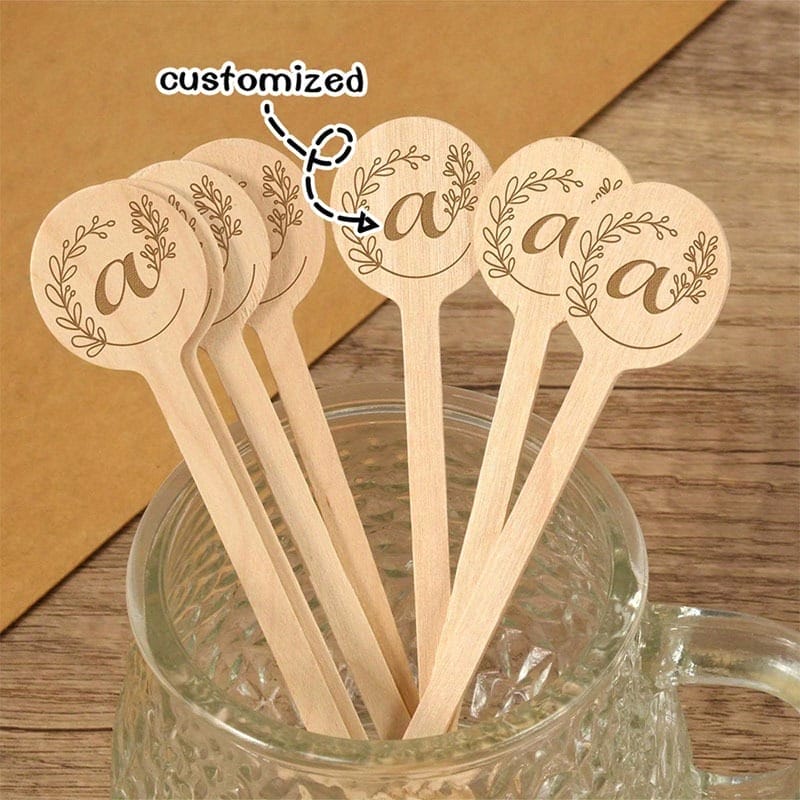
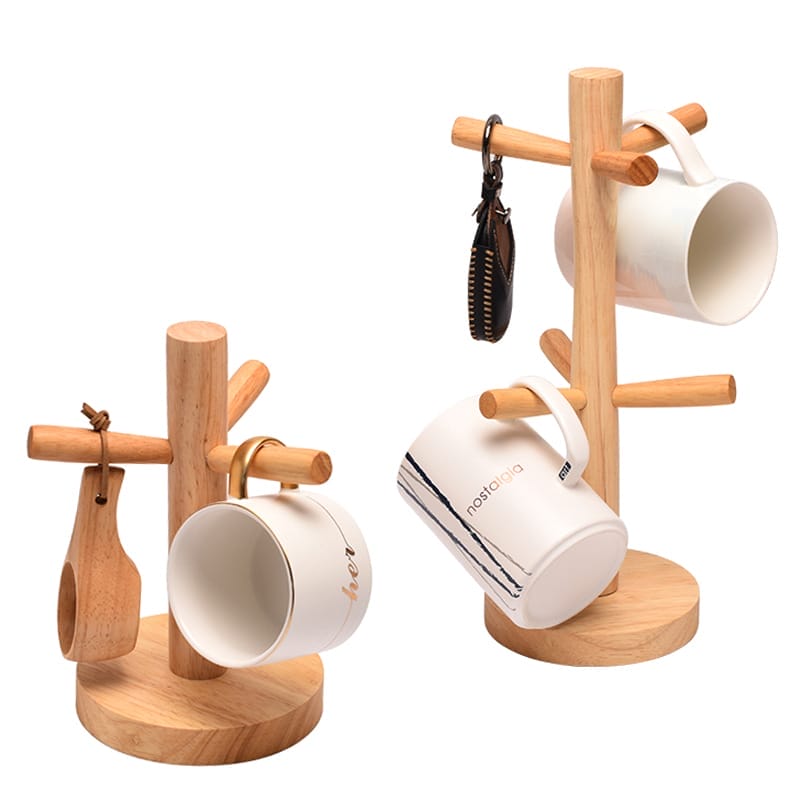
Practical items such as coasters, cutting boards, knife holders, or utensil racks can be completed relatively quickly and add charm to everyday life. Such projects are perfect for beginners looking to gain confidence while producing useful pieces. They also make for popular products in small business settings due to their affordability and appeal.
The Enduring Benefits of Wooden Furniture

Wooden furniture has been cherished for centuries due to its numerous valuable qualities. Here’s a more detailed look at why wood remains a preferred material in furniture making:
| Benefit | Explanation | Example Use Case |
|---|---|---|
| Strength & Durability | Wood is strong and long-lasting, capable of enduring daily use without significant wear. | Antique wooden dining tables lasting generations |
| Ease of Maintenance | Simple cleaning methods keep wood looking fresh; minor scratches can be repaired easily. | Regular dusting and oiling maintains beauty |
| Value for Money | Higher initial cost compensated by longevity and heirloom potential. | Investing in solid hardwood beds |
| Versatility in Design | Complements many styles from rustic to modern; adaptable to indoor/outdoor use. | Custom shelving units fitting any decor |
| Environmental Benefits | Renewable resource when harvested responsibly; biodegradable compared to plastics or metals. | Choosing FSC-certified timber products |
Strength and Durability
Wood is inherently robust, especially hardwoods like maple or cherry, which resist dents and scratches. Properly constructed wooden furniture can survive decades or even centuries with minimal repairs. This resilience makes wood a practical choice for both everyday use and prized heirlooms.
Ease of Maintenance
Unlike synthetic materials that may require specialized cleaners or treatments, wooden furniture is easy to maintain through simple dusting and occasional polishing with natural products like beeswax or linseed oil. Even small blemishes can often be buffed out with minimal effort, preserving the original finish without harsh chemicals.
Value for Money
While solid wood furniture may seem expensive upfront compared to mass-produced alternatives, its lifespan justifies the investment. Over time, these pieces hold or increase their value due to their durability and timeless appeal. In many cases, wooden furniture passed down through families gains sentimental value beyond monetary worth.
Versatility in Design
Wood’s natural texture and color make it highly adaptable to various décor themes—from classic farmhouse styles to sleek minimalist designs. It can be stained or painted in numerous shades while retaining its tactile warmth. Outdoor wooden furniture also blends beautifully with natural surroundings.
Environmental Benefits
When sourced from sustainably managed forests, wood is one of the most eco-friendly building materials available. It stores carbon dioxide during growth and decomposes naturally at end of life without polluting ecosystems—unlike many plastics or metals.
Considerations and Challenges of Wooden Furniture

Despite its benefits, wooden furniture also presents some challenges that users should be aware of:
| Challenge | Cause | Mitigation Tips |
|---|---|---|
| Water Damage | Moisture causes warping, cracking, or swelling | Use protective sealants; clean spills promptly |
| UV Exposure Risks | Sunlight fades color and damages surface finish | Place furniture away from direct sunlight; use UV-blocking varnishes |
| Scratches & Damage | Physical impact leads to marks on surface | Use coasters/placemats; apply scratch repair kits |
| Fire Risk | Wood is flammable | Keep away from heat sources; treat with fire retardants if needed |
Susceptibility to Water Damage
Wood’s porous nature means it can absorb moisture, leading to swelling or warping over time if exposed excessively to water. For example, outdoor wooden furniture left unprotected in rain may deteriorate faster. Applying waterproof finishes or varnishes helps create a barrier against moisture infiltration.
UV Exposure Risks
Exposure to sunlight causes certain woods to lighten or darken unevenly—a process called photodegradation—which affects appearance and finish quality. Placing wooden pieces away from windows or using curtains can reduce this effect.
Potential for Scratches and Damage
Wood surfaces are prone to scratches from daily use such as moving objects or accidental bumps. Preventative measures like using soft pads under items and regular maintenance reduce visible damage.
Fire Risk
Wood is combustible and should be kept away from open flames or high heat sources like heaters or fireplaces. Fire safety precautions are important to protect wooden furnishings in residential or commercial spaces.
Inspiring Woodworking Designs
Here are some popular woodworking designs that showcase the material’s versatility:
Rustic Farmhouse Table

A rustic farmhouse table highlights the raw beauty of wood grain combined with sturdy construction—perfect for family meals or social gatherings. Using reclaimed wood enhances sustainability while adding character through natural imperfections.
Modern Minimalist Shelving

Clean lines and simple shapes define modern minimalist shelving units that maximize space and functionality without overwhelming decor. Light-colored woods like birch work well here for an airy effect.
Garden Benches
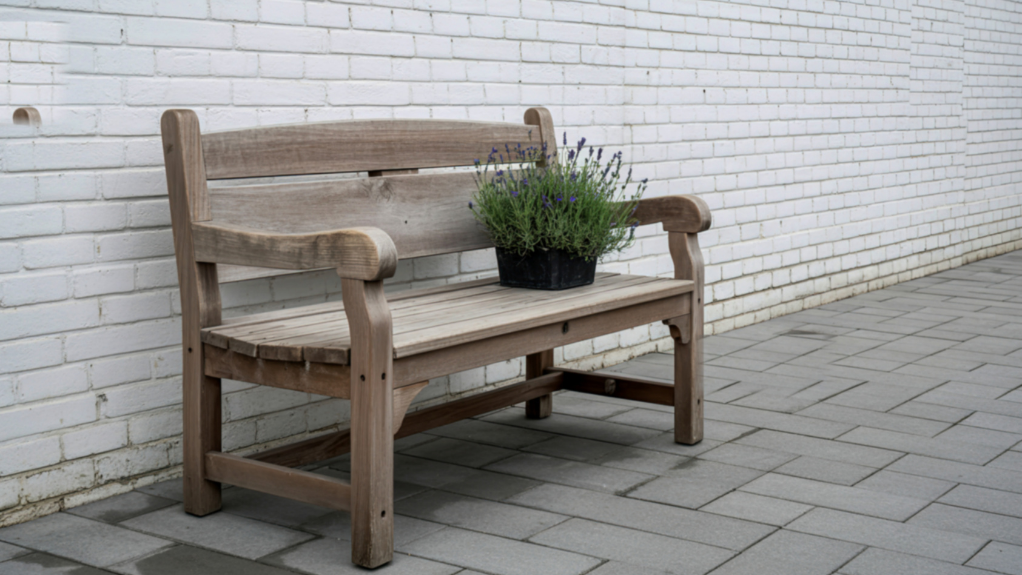
Wooden garden benches provide comfortable seating while blending naturally into outdoor landscapes. Incorporating curved backs or armrests increases comfort along with style.
Custom Storage Solutions

Custom storage units tailored to specific needs—such as built-in bookcases or under-stair cabinets—showcase woodworking’s ability to maximize utility in any space. These projects often require precise measurements and joinery skills, but result in highly functional furniture that fits perfectly within existing home layouts.
Wood Types Commonly Used in Furniture Making

Choosing the right type of wood is crucial in woodworking projects as it affects durability, appearance, cost, and workability. Below is a comparison table of common woods used in furniture:
| Wood Type | Hardness (Janka Scale) | Appearance | Typical Uses | Cost Level |
|---|---|---|---|---|
| Oak | 1290 | Prominent grain; light brown | Flooring, tables, cabinets | Moderate |
| Maple | 1450 | Smooth grain; pale cream | Chairs, dressers | Moderate |
| Walnut | 1010 | Dark brown; rich grain | High-end furniture | High |
| Pine | 420 | Light color; knots visible | Rustic furniture, shelves | Low |
| Teak | 1155 | Golden-brown; oily texture | Outdoor furniture | High |
Final Words
Woodworking is a rewarding activity offering countless possibilities—whether for personal satisfaction or business opportunities. The timeless appeal of wooden furniture lies not only in its beauty but also in its strength, versatility, and environmental friendliness. Understanding both the advantages and challenges equips you with the knowledge needed to create stunning pieces that last.
If you feel inspired by woodworking’s rich tradition and creative potential, start exploring projects today or consider launching a small-scale woodworking business. With dedication and skill development, you can craft beautiful items that enhance living spaces while potentially generating income.
For ongoing woodworking inspiration, tips, and project ideas, subscribe to our blog! Happy crafting!
FAQ
Q1: What basic tools do I need to start woodworking?
A1: Essential tools include a saw (hand or power), measuring tape, hammer, chisels, screwdrivers, clamps, sandpaper, and a drill.
Q2: How do I choose the best wood for my project?
A2: Consider factors like durability needed, appearance preference, budget, and whether the piece will be indoors or outdoors.
Q3: Can woodworking be profitable as a small business?
A3: Yes! Customized wooden furniture or décor items have strong market demand if marketed well with quality craftsmanship.
Q4: How do I maintain outdoor wooden furniture?
A4: Clean regularly, apply weather-resistant finishes annually, and cover or store during harsh weather seasons.
Q5: Is it difficult for beginners to learn woodworking?
A5: Not necessarily—starting with simple projects helps build skills gradually before tackling complex designs