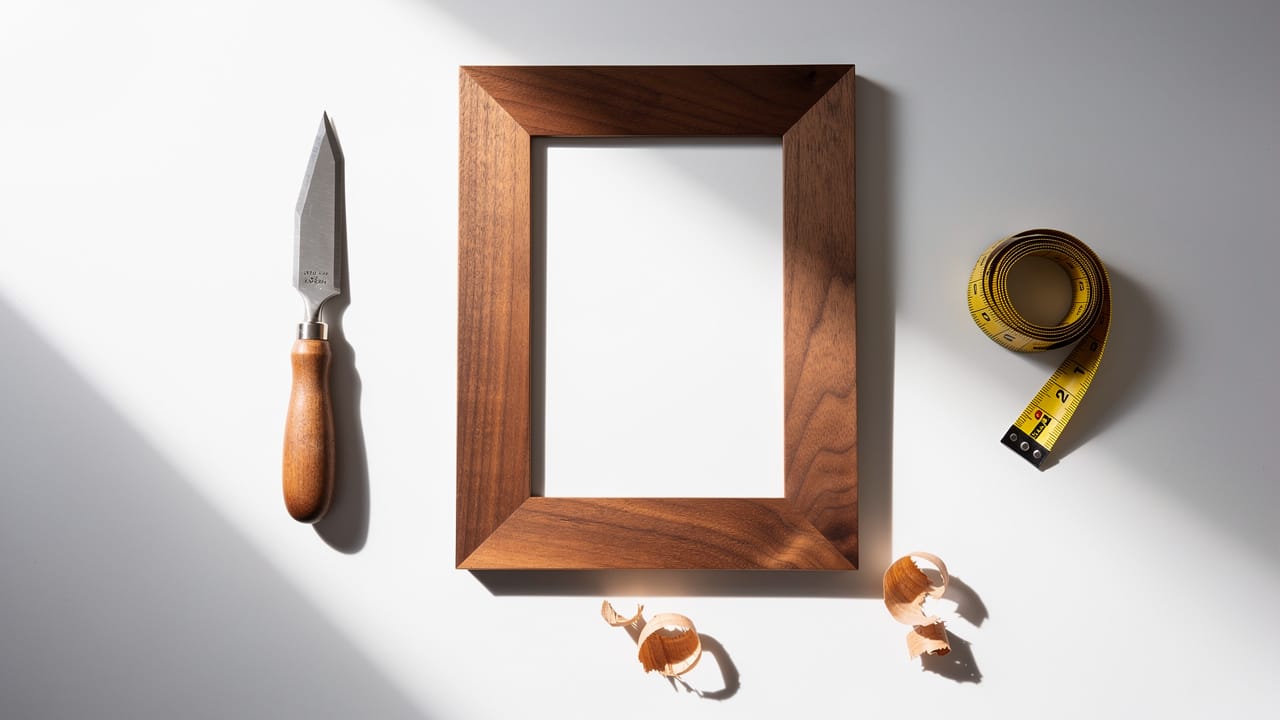
Knowing how to make a custom wood picture frame at factory level lets you judge quality, not just price. At QlycheeCrafts, we follow a clear, repeatable, step-by-step process for every custom wood picture frame order. We start with sustainable materials, move through precision CNC and laser cutting, then handle assembly, finishing, glazing, backing, and final QA so frames arrive shelf-ready and aligned with your size, color, and branding requirements.
Keep reading to see how each stage works, and how this factory process supports your next frame line with reliable quality and flexible design options.
Key Takeaways
- Material selection shapes durability, price point, and the style of every frame line. We compare pine, oak, walnut, MDF, and plywood, then show how QlycheeCrafts sources eco-conscious stock and matching finishes. You see which materials fit budget collections and which suit premium art and photography.
- Precision cutting and milling keep every frame square and consistent. CNC routers, laser cutters at 0.2 mm accuracy, and calibrated saws hold rabbet depth and frame size within tight tolerances. That consistency means less rework, fewer returns, and easier planograms for your wall display.
- Strong corners protect artwork and reduce damage in shipping. We combine end-grain glue, web clamping, and the right reinforcement method for each frame size and species. The result is clean joins that stay tight on the shelf and in your customer’s home.
- Multi-stage finishing defines the personality of your frame line. Careful sanding, fillers, and pre-stain steps prepare the surface, then stains, clear coats, or eco paints deliver black, white, walnut, gold, or natural looks. Automated spray lines keep sheen and color even from frame to frame.
- Final assembly and QA turn components into retail-ready products. Clean glazing, solid backing, hanging hardware, and protective packaging complete each frame.
Choosing The Right Wood And Materials For Your Custom Frame

Choosing the right material is the first real step in how to make a custom wood picture frame that suits your market. Wood species, board type, and finish all affect cost, appearance, and long-term stability.
For solid wood frames, different species support different styles:
- Pine works well for painted or rustic lines, with soft grain that accepts stain and color easily. It is a practical choice for entry-level and DIY-focused ranges.
- Oak gives a stronger, more textured look that pairs nicely with whitewash or light natural finishes. It suits heritage, farmhouse, or coastal displays.
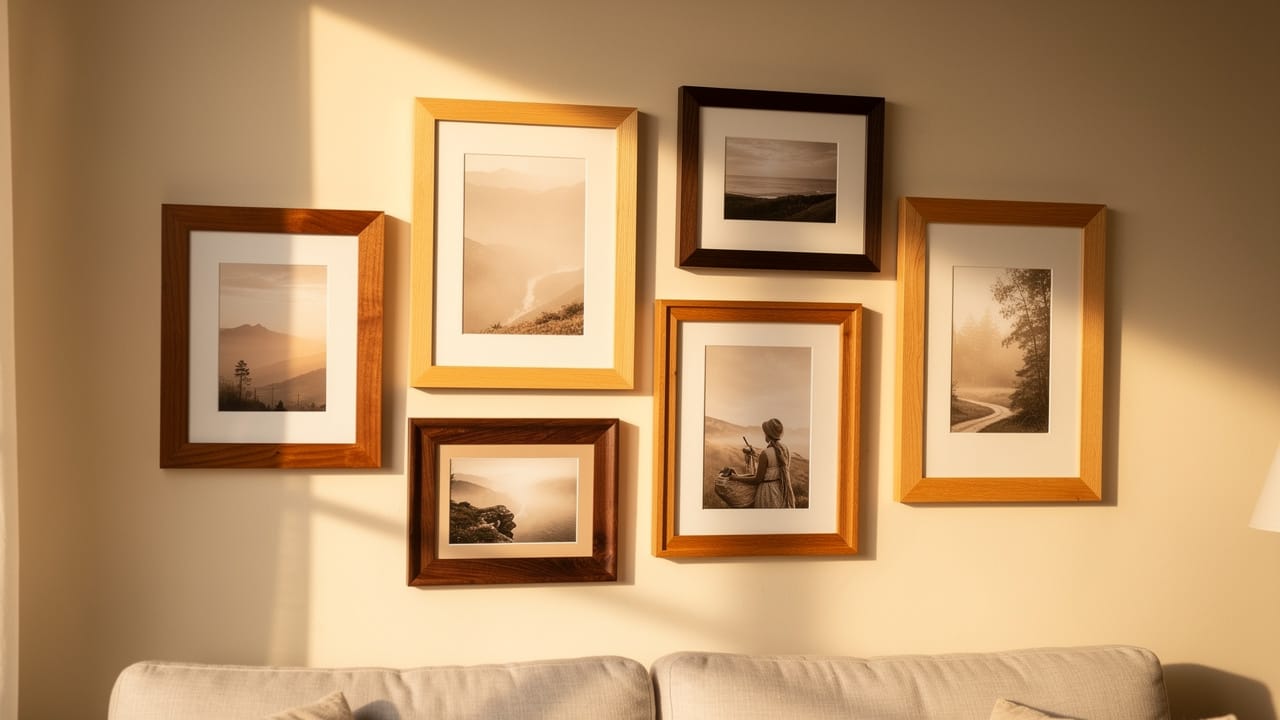
- Walnut brings deep brown tones that many gallery buyers link with premium art and photography. It is ideal when you want a richer, more refined feel.
Engineered boards also play a big role in custom frames:
- MDF supports very smooth, stable surfaces at attractive price points. It is excellent for solid black, white, or bold color frames where grain is not the focus.
- Plywood offers extra strength for larger formats while still taking stain or clear coats well. It is a strong choice for oversized wall pieces that need stability.
All three options are available in QlycheeCrafts production, matched with low-VOC coatings and wood wax oil finishes.
That shift is why QlycheeCrafts uses sustainable wood, eco-friendly paints, and wax-oil finishes that appeal to design-aware and eco-aware shoppers. You can specify the blend of materials that fits your price ladder, from entry to premium.
Here is a quick comparison to guide material decisions for your next line.
| Material | Look And Feel | Best Use In Retail Collections | Finish Pairing |
|---|---|---|---|
| Pine | Soft grain, warm, casual | Entry-level, DIY, kids art | Paint, dark stain, pastel colors |
| Oak | Strong grain, classic | Rustic, farmhouse, heritage | Whitewash, clear, light stain |
| Walnut | Rich, dark, refined | Premium art and photo | Clear, light oil, subtle satin |
| MDF | Very smooth, modern | Solid-color, black or white | Eco paint, UV print graphics |
| Plywood | Stable, structural | Large wall frames | Stain, clear, tinted lacquer |
How We Cut And Mill Custom Frame Components With Precision

Once materials are set, the next part of how to make a custom wood picture frame is precise cutting and milling. At QlycheeCrafts, this stage turns plain stock into matched rails with accurate rabbets and profiles ready for assembly.
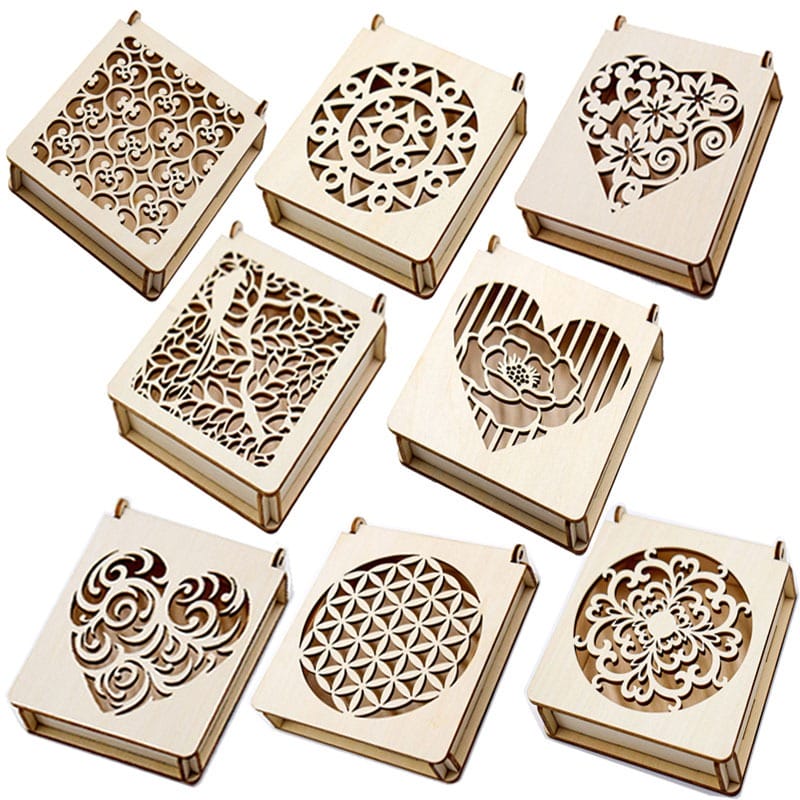
Engineers program CNC routers using CAD data from your drawings or our design team. The CNC cuts frame rails to width, shapes the rabbet channel, and adds decorative contours where required. Laser cutters then trim details with up to 0.2 mm accuracy, so every piece in a batch matches and fits your specified artwork sizes.
Rabbet milling creates the recessed shelf that holds glazing, artwork, and backing. For most wall frames, QlycheeCrafts cuts a standard depth suited to glass or acrylic plus backing board. For canvas, thicker art, or layered mats, we adjust rabbet size so the stack sits flush without rattling or stressing the corners.
Profile options range from simple flat faces to stepped, coved, or beveled edges, and research on crafting pixels in wood confirms how technology and visual perception interact in wood engraving to shape the final aesthetic.
Throughout milling and cutting, operators verify dimensions with digital calipers and go/no-go gauges. Scrap test pieces run before your main batch, so mistakes stay off your pallet. This production focus is what separates automated manufacturing from inconsistent handcraft cutting in small shops and helps your frames hang straight on your customer’s walls.
What Makes A Miter Joint Square – And Why It Matters For Retail Quality
A miter joint is square when the frame’s corners meet at true 90 degrees and both diagonals measure the same. Even a 1 mm difference in diagonal length can create visible corner gaps or a slight parallelogram shape on the wall.
QlycheeCrafts cuts all miters using calibrated saws guided by CNC-positioned stops. After cutting, our team dry-fits sample frames and measures corner-to-corner with digital tape systems. If diagonals do not match, the batch is adjusted before glue ever touches the wood.
This focus on squareness keeps your wall displays neat and reduces returns from customers who notice twisted frames once artwork is inside. Clean, equal corners also reinforce the premium feel your brand promises.
How We Assemble And Reinforce Every Frame Corner

Assembly is the stage where rails become a frame that protects real artwork. For wholesalers who care about structural performance, this is a key part of understanding how to make a custom wood picture frame that survives shipping and daily use.
QlycheeCrafts starts by applying high quality PVA wood glue to every mitered surface. Because end grain absorbs glue quickly, our team sometimes uses a two-coat method on larger frames so joints do not dry out. Rails are then aligned in sequence on the bench to match your specified orientation and grain direction.
Web or band clamps pull all four corners together in one motion. Corner blocks keep faces flush while tension brings joints tight. For smaller formats, tape assists during clamping to keep vertical alignment steady while the glue sets. This mix prevents sliding that can create tiny steps at the edge.
Once joints cure, each frame receives additional reinforcement selected for its size and material.
| Method | Typical Use | Benefit For Retailers |
|---|---|---|
| Corrugated fasteners | Softwood, entry collections | Quick, cost-effective strength on back side |
| Brad nails | Pine or MDF, mid-range | Fast for volume orders, hidden under finish |
| Spline inserts | Hardwood, premium lines | Very strong, visible decorative detail at corners |
For premium oak and walnut frames, QlycheeCrafts often uses spline inserts cut on dedicated jigs. These slim inserts increase glue surface and add a subtle accent that signals higher craftsmanship to your customers. During development, we review corner styles with you so strength, look, and budget stay aligned.
How We Apply Finishes That Define Your Frame’s Retail Identity

Finish is where a frame line’s personality really appears. Dark walnut stain, crisp white, matte black, or soft natural tones all come from a controlled finishing process, not just color choice. QlycheeCrafts treats finishing as a multi-step system that supports your brand style.
First, every frame goes through sanding from medium to fine grit. Edges, profiles, and corners are smoothed by hand where machines cannot reach. Wood filler closes tiny gaps or nail marks, and pine or other softwoods receive pre-stain conditioner to keep color even — a critical step given research on the degradation of oil paint coatings on wood under UV light and heat, which underscores why proper surface preparation is essential.
To support healthier homes and stores, QlycheeCrafts favors low-VOC, water-based coatings and wood wax oils wherever possible. You can request specific finish systems to match your sustainability guidelines and brand standards.
Our finish menu covers deep espresso and walnut stains for classic art, whitewash on oak for coastal or farmhouse décor, and matte black or white paint for modern gallery looks. Gold highlights and tinted clears are available for more decorative, gift-focused ranges.
UV printing and laser engraving can then add branding, patterns, or text directly to the frame, giving your product line a personal and recognizable touch. During sampling, QlycheeCrafts sends finish swatches so you can approve color and sheen before full production.
Glazing, Backing, And Final Assembly – Getting Your Frame Retail-Ready

The last production stage completes the step-by-step story of how to make a custom wood picture frame ready for your shelves. At this point, rails are finished, but glazing, artwork, and backing still need to come together safely.
QlycheeCrafts offers several glazing choices:
- Standard glass for cost-sensitive lines and smaller sizes.
- Acrylic sheets to keep large frames light and shatter resistant, a safer option for kids’ rooms or high-traffic walls.
- UV-protective acrylic and premium glass for art-focused customers and galleries.
In assembly, technicians clean both sides of the glass or acrylic, then drop it into the rabbet. Artwork or printed inserts lay on top, followed by MDF, foam board, or hardboard backing. Flexible frame tabs or points hold this stack firmly but can be bent back for later changes, which is helpful for customers who like to refresh their photos.
Next comes hanging hardware. Light frames often receive sawtooth hangers, while larger pieces use D-rings with wire strung between them. For some designs, recessed keyhole brackets provide a flush mount against the wall. All screws are rated for the frame’s weight and driven into solid material, not just edge fibers.
Frames then move to packaging. Foam corner protectors, poly bags, and sturdy cartons help protect the finish from scuffs.
For that reason, QlycheeCrafts treats packaging as part of quality, not an afterthought, and can adapt labels, barcodes, and insert cards to match your retail requirements.
Crafting Your Next Frame Line Starts With The Right Manufacturing Partner
You have now seen how QlycheeCrafts handles every stage of how to make a custom wood picture frame for wholesale and retail buyers. Material selection, precision cutting, careful assembly, finishing, and final QA all work together to support your brand.
By partnering with a factory that combines CNC accuracy, eco-conscious materials, and design support, you gain frame lines that look consistent and feel dependable in your customer’s hands. To discuss samples, bulk pricing, or design ideas, reach out to QlycheeCrafts at sales@qlycheecrafts.com and start planning your next collection.
Frequently Asked Questions
What is the minimum order quantity for custom wood picture frames at QlycheeCrafts?
QlycheeCrafts offers low minimum order quantities so you can test new frame designs without heavy risk.
How long does it take to produce a custom wood picture frame order?
Lead time depends on design complexity and volume, but QlycheeCrafts supports rapid prototyping from drawings or samples.
Can QlycheeCrafts add custom branding or logos to wood frames?
Yes, QlycheeCrafts provides laser engraving and UV printing for logos, monograms, and patterns.
What wood species does QlycheeCrafts use for wholesale custom frames?
QlycheeCrafts works with solid wood, plywood, and MDF, all from responsible sources.
Does QlycheeCrafts support dropshipping for e-commerce sellers?
Yes, QlycheeCrafts supports dropshipping and flexible logistics partnerships.
Conclusion
Understanding how to make a custom wood picture frame from a factory viewpoint gives wholesale buyers and store owners real control over quality. You now see how QlycheeCrafts moves from sustainable material selection through precision cutting, solid corner construction, careful finishing, and clean final assembly.
This clear process helps you match frame designs to your customers, whether they need simple black gallery frames, warm walnut for fine art, or playful DIY-ready blanks. When you are ready to build or refresh a frame line, QlycheeCrafts stands ready as a manufacturing partner focused on consistency, safety, and long-term retail value.