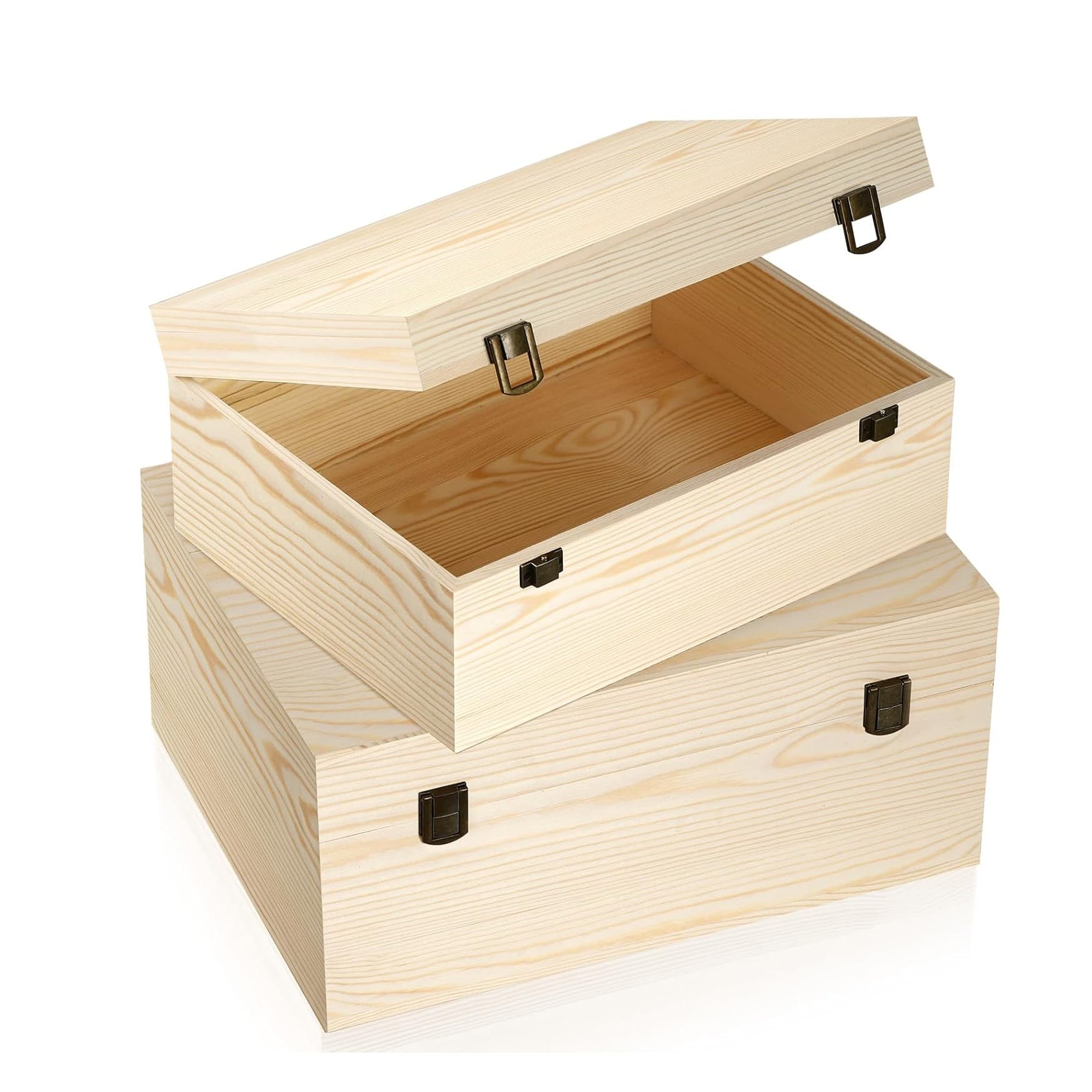
Are you tired of branded paper calendars that end up in the trash every January? Wondering if one beautiful piece on a desk or wall could keep your logo in sight for years instead of months? Curious how to make a wooden perpetual calendar without turning your shop into a full woodworking factory?
Many business owners assume that a wooden perpetual calendar is too hard or too expensive to produce. In reality, when you understand how to make a wooden perpetual calendar step by step, it becomes a smart product line for retail shelves, corporate gifts, restaurants, hotels, and e‑commerce stores. The same know‑how also helps you brief a manufacturing partner with confidence.
Key Takeaways
- Long‑term reuse: A wooden perpetual calendar never expires, so it reduces waste and stays useful year after year.
- Strong brand exposure: Daily visibility makes it appealing for corporate gifts and brand promotion.
- Market fit through design: Desk vs. wall formats and wood choices like poplar, maple, or cherry affect style, durability, and price.
- Finishing matters: High‑quality finishing is key to moving from a DIY look to a retail‑ready product.
- Scalable production path: Start with small in‑house batches, then scale using CNC or partners like Qlychee Crafts to add customization without heavy upfront investment.
Why Make a Wooden Perpetual Calendar?
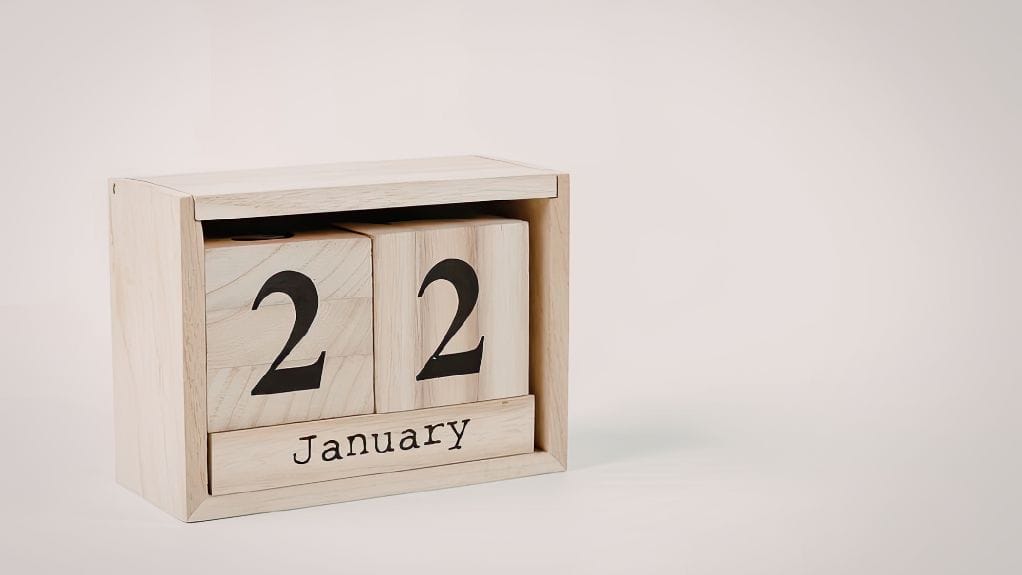
A classic wooden calendar fits almost any setting, from a café counter to a boardroom. When you learn how to make a wooden perpetual calendar, you create a product that blends décor and function in one compact piece. It also sends a clear message that your brand cares about quality and reuse, not just throwaway giveaways.
A well‑designed wooden calendar fades into the space yet is noticed every single day.
What a Perpetual Calendar Is and How It Works?
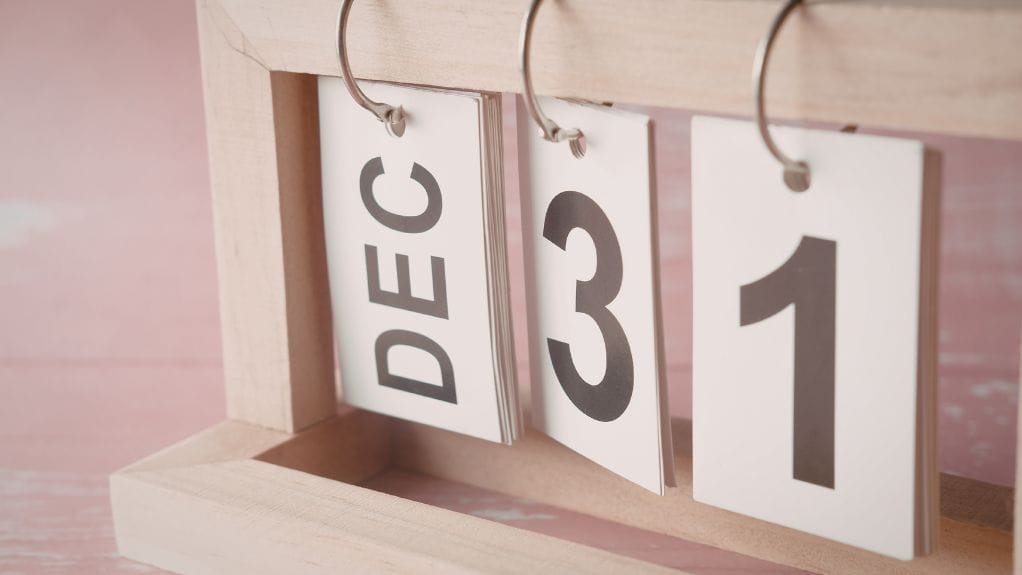
A perpetual calendar uses movable parts so the same set of tiles or blocks can show any date in any month. You slide or rotate numbers, months, and sometimes weekdays instead of tearing off pages.
Once you know how to make a wooden perpetual calendar like this, you can sell it as a one‑time purchase that works year after year. That repeat utility is a strong selling point for both shops and corporate buyers.
Why Wood Is a Perfect Material for a Timeless Calendar?
Wood feels warm, solid, and familiar, which makes people want to touch and use the calendar. It holds up well to daily handling and still looks good as it ages, especially with a proper clear coat. With the right finish, wood also fits many décor styles:
- Rustic cafés and farmhouses
- Minimal offices and studios
- Boutique hotels and reception areas
This flexibility means a single wooden calendar design can appeal to several types of buyers with only small changes in color or hardware.
Handmade Value vs. Mass-Produced Calendars
A homemade wooden calendar made in a small shop tells a story about craft and care. Mass‑produced plastic versions rarely offer that same feeling or long‑term look. Even when you move past pure DIY, you can still design the product so it keeps that handcrafted feel, while using professional production to reach higher volumes.
Those details—smooth edges, clean engraving, and satisfying movement—are what separate a gift‑worthy wooden perpetual calendar from a disposable promo item.
Understanding the Mechanics of a Wooden Perpetual Calendar
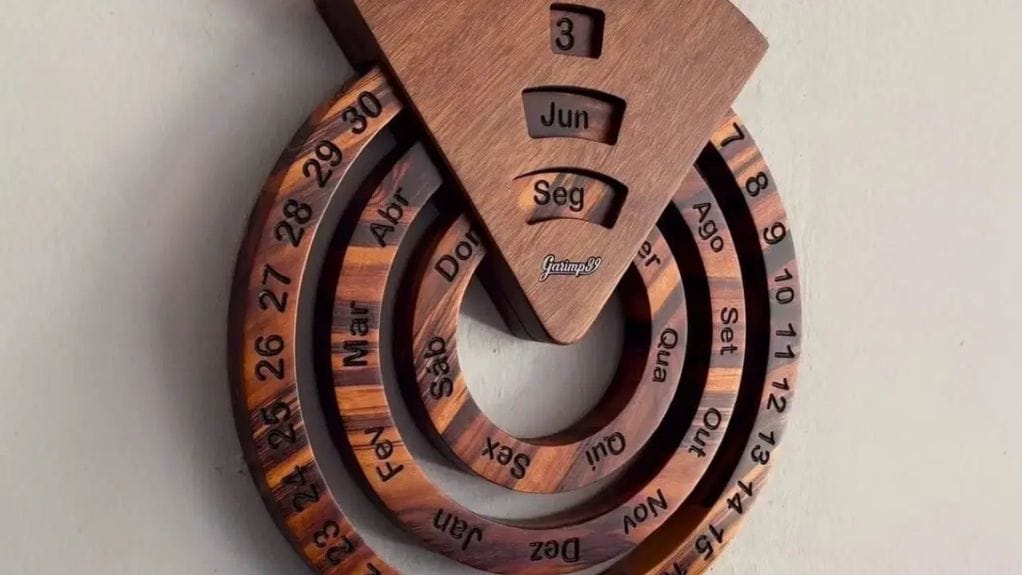
Before cutting any wood, it helps to understand how the calendar will move. The mechanics you pick shape how to make a wooden perpetual calendar that’s easy to use and tough enough for daily handling. A simple layout also keeps training time low for staff in stores, hotels, or offices.
How Dates, Months, and Weekdays Rotate or Slide
Most wooden perpetual calendars use three groups of parts:
- Number tiles or blocks for days 1–31
- Month tiles for January through December
- Weekday tiles for Monday through Sunday, if your design uses them
You either slide these tiles in tracks or rotate blocks so the needed face shows on the front. Once this system is clear in your mind, it’s much easier to plan your perpetual calendar woodworking layout.
Common Mechanical Layouts with Blocks, Wheels, and Sliders
There are three common mechanical layouts:
- Block systems use cubes or rectangular blocks with numbers and words printed on each face.
- Wheel systems use round disks with numbers around the edge that you rotate.
- Slider systems use flat tiles that move in grooves or rest on narrow shelves.
Each style can work as a perpetual calendar wood craft; your choice depends on the look you want and the skill level of your workshop.
Choosing a Design that Balances Simplicity and Durability
For busy places like restaurants or reception desks, fewer moving parts usually means fewer problems. Thick tiles, deep shelves, and clear spacing help prevent jamming when someone is in a hurry.
When you think about how to make a wooden perpetual calendar for daily business use, it’s better to skip fancy motion if it might wear out faster or confuse users.
Choosing the Right Design and Style for Your Wooden Perpetual Calendar
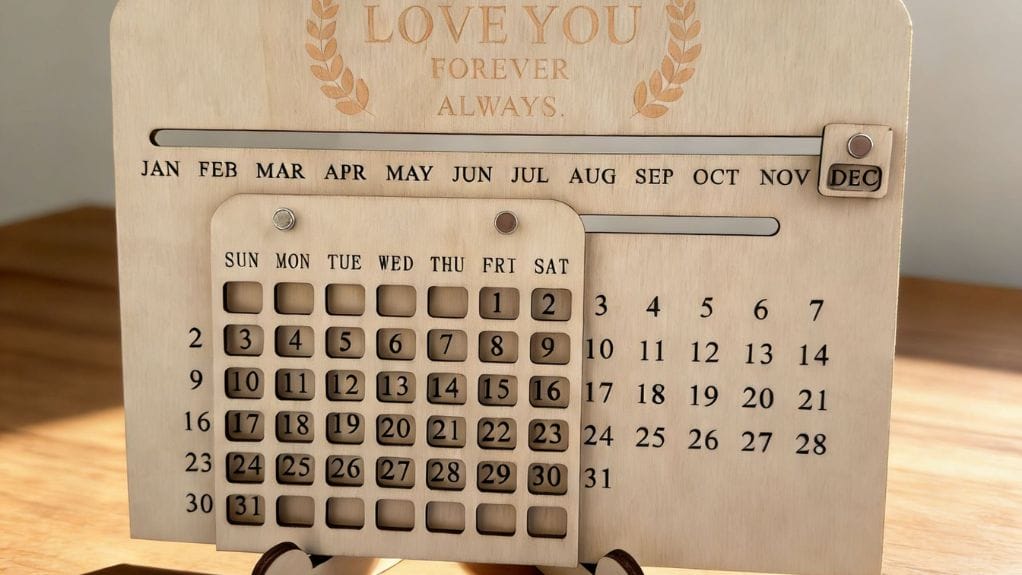
Design comes before sawdust. The format you choose influences how the calendar looks, how easy it is to ship, and which buyers it attracts. It also shapes your DIY perpetual calendar plans or the brief you send to a manufacturer.
You’ll usually choose between two main formats:
- Desk calendars are compact and sit on a flat surface. They’re ideal for office desks, concierge counters, and checkout areas. They often use blocks or small tiles, so the footprint stays small and shipping boxes stay light. That format works well when you want a wooden desk calendar DIY look with a tidy presence.
- Wall‑mounted calendars act as functional wall art, so they suit home décor aisles, cafés, and hotel lobbies. They usually have a larger back panel with rows of slots or ledges for tiles. That extra size gives you more room for branding, quotes, or artwork, and it can support higher price points in retail.
Style matters as much as format:
- Classic layouts use serif fonts, natural stains, and simple joinery that appeal to rustic or heritage décor fans.
- Modern layouts lean on clean lines, geometric shapes, and a mix of painted frames with natural tiles.
Either path can fit into your wood calendar plans as long as you keep the perpetual function easy to understand.
If you prefer to skip building and focus on selling, Qlychee Crafts offers desk, wall, and flip calendar formats. Each one uses high‑precision laser cutting with around 0.2 mm accuracy, so every part fits cleanly, even on more complex wooden calendar design ideas.
Essential Materials and Wood Selection for a Durable Wooden Calendar
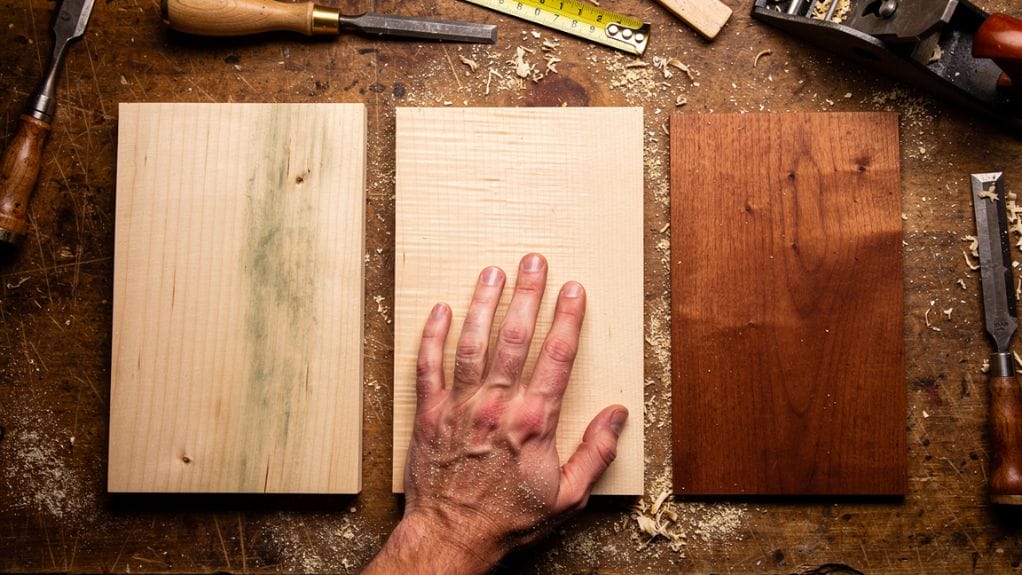
Wood choice shapes everything from machining time to the final price. When you plan how to make a wooden perpetual calendar for sale, you’re also planning where the product sits in the market. A simple poplar frame with maple tiles speaks to a broad audience, while premium hardwoods can target executive gift buyers.
Here is a quick view of common choices:
| Component | Recommended Wood | Key Properties |
|---|---|---|
| Main Frame or Body | Poplar | Easy to sand, accepts paint well, friendly price for bulk use |
| Main Frame or Body | Cherry | Warm reddish tone, darkens with age, strong appeal for gifts |
| Calendar Tiles | Maple | Hard and durable, light color for clear text, resists wear |
Many perpetual calendar woodworking plans use poplar for the frame and maple for the tiles. Poplar keeps material cost low and accepts primer and paint well, so you can match brand colors. Maple stays pale under a clear coat, which makes black numbers stand out and holds up well to constant handling.
Cherry works well for luxury and corporate gift lines where you can charge more for a rich, natural finish. When you plan to sell higher‑priced sets, cherry frames with maple tiles can turn a simple woodworking calendar project into a gift item that feels special in the hand.
For wholesale buyers, consistent lumber quality is as important as species. Qlychee Crafts uses premium, eco‑friendly basswood that machines cleanly, takes both paint and clear coats, and appeals to buyers who ask for sustainable materials. That choice lets you offer a homemade wooden calendar look with the consistency of factory production.
Step-by-Step Construction from Frame to Finished Calendar Tiles

Once you settle on format and wood, you can map out how to make a wooden perpetual calendar in the shop. Even if you later switch to CNC production or outsource, building one or two samples helps you refine your perpetual calendar woodworking notes.
Building the Calendar Frame
Start by milling your frame stock so every board is flat, straight, and at the final thickness. This step sets the base for tight joints and square corners, whether you use poplar, basswood, or another stable wood.
A simple build process looks like this:
1. Cut the parts: Rip and crosscut the back panel, sides, top, and bottom using a table saw or miter saw with a stop block for repeat parts.
2. Choose joinery:
- Pocket holes are fast and strong, and the screws stay hidden on the back side. A pocket‑hole jig works well for this beginner woodworking calendar build.
- Dowels or mortise‑and‑tenon joints give a more classic feel if you have the tools.
3. Assemble the frame: Dry-fit each piece, check for square, then glue, clamp, and screw so the frame dries flat without twist.
4. Add tile holders: After the outer frame sets, add the tile holders. Cut thin strips to form shelves, or rout narrow dado grooves into the sides so shelves sit inside the frame. Test the spacing with sample tiles and leave a little room so tiles slide freely but don’t flop forward.
Crafting and Labeling the Calendar Tiles
Cut long strips of maple or basswood to tile width, then crosscut them to length using a stop block so every piece matches. You’ll need enough tiles for:
- Dates one through thirty‑one
- All twelve months
- Any weekday tiles your design uses
Consistent sizing makes the calendar look clean and prevents snagging in the tracks.
Next:
Sand the tiles: Sand each tile face and edge, starting with 120‑grit paper, then move to 220‑grit for a smooth touch. At this point, your DIY wooden calendar project starts to feel like a finished object instead of a rough blank. Clean dust from the surface so labels and finishes stick well.
Add text and numbers: You have several ways to mark the tiles:
- CNC v‑carving cuts letters and numbers into the wood for a deep, paint‑filled look.
- Laser engraving burns crisp, dark text and works well when you produce large batches or follow DIY perpetual calendar plans with fine details.
- Stencils with paint or high‑quality vinyl decals also work for smaller runs and help you test different fonts without buying machines.
Qlychee Crafts relies on laser engraving with around 0.2 mm precision, which keeps every set sharp and consistent at scale.
Finishing Techniques and Assembly for a Professional-Grade Product

Finishing is where you turn simple wood parts into a product that looks ready for a store shelf. The way you finish also affects how to make a wooden perpetual calendar that stands up to years of use in shops, offices, or hotel rooms.
Begin with a final sanding of the frame and every tile using 220‑grit or finer paper. Lightly round the sharp edges so they feel comfortable in the hand and are less likely to chip. Remove sanding dust with a vacuum and tack cloth so no particles spoil the finish.
For painted poplar frames:
- Start with a good primer.
- Add two or more thin coats of paint in your chosen color.
- Lightly sand between coats with 320‑ to 400‑grit paper for a smooth, even surface.
- Spraying instead of brushing gives a flat, modern look that fits many perpetual calendar wood craft styles.
For natural cherry or maple parts:
- Use clear coats like polyurethane, lacquer, or natural oils.
- Apply several thin coats, letting each coat dry fully before a light sanding and the next layer.
- This process brings out the grain, protects the wood, and gives tiles a clean slide without sticking.
When all parts are dry, attach any desk stands or wall hardware, then load the tiles in order. Test every slot and movement, listening for scraping or tight spots and fixing them before shipping. Qlychee Crafts follows strict checks on smooth movement, sharp engraving, and clean finishes, then packs calendars in protective, branded boxes so they arrive ready for retail display or gifting.
How to Use and Adjust a Wooden Perpetual Calendar
Teaching end users how to make a wooden perpetual calendar part of their daily routine keeps your product in sight and in use. Clear instructions also cut support questions for your team or your retail partners.
Setting the Correct Date at the Start of Each Month
At the start of a new month:
- Swap the month tile to the correct name.
- Place the number tiles so the first day lines up under the right weekday.
- Move the weekday tile if your design uses one main marker instead of a row.
After that, the user only shifts number tiles each morning, which keeps the system quick and pleasant.
Tips for Keeping It Accurate Year After Year
To keep the calendar accurate:
- Include a small card that explains how to handle short months like February and months with thirty days.
- Suggest keeping extra tiles in a small pouch or slot behind the frame so they don’t get lost.
- Recommend a quick monthly check to confirm the setup before the new month starts.
A simple routine like this keeps the calendar correct for many years with no extra tools or apps.
Creative Variations and Personalization Ideas
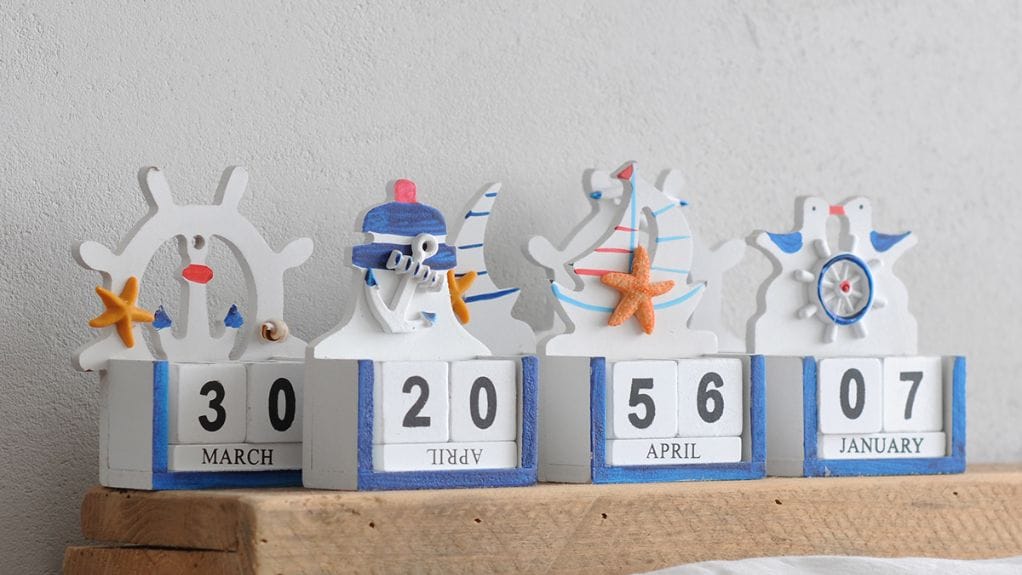
Once the basic build is clear, you can play with wooden calendar design ideas that match different buyers. Small changes in color, layout, or branding can turn one core build into several product lines.
Minimalist vs. Rustic Styles
- Minimalist calendars use clean lines, light stains or clear coats, and simple sans serif fonts. They fit modern apartments, tech offices, and design studios that prefer calm, uncluttered décor.
- Rustic versions can use darker stains, distressed paint, or hand‑painted numbers that match farmhouse or vintage themes.
Adding just one or two style cues—such as a distressed edge or a very clean white frame—can shift a calendar from one style family into another.
Desk-Sized vs. Wall-Mounted Calendars
- Desk‑sized calendars work well as corporate gifts, reception décor, and add‑on items for e‑commerce orders. They cost less to ship and are easy for staff to adjust each day.
- Wall‑mounted versions take more space but stand out more, which suits restaurants, hotels, and home décor buyers looking for a main feature on a wall.
Some brands even offer a coordinated pair, with a large wall calendar in a lobby and a smaller desk version in staff offices.
Personalization with Names or Quotes
Personal touches turn a standard item into a gift people remember — for example, adding a rotating Word of the Day feature to tiles can add daily engagement and appeal to educational gift buyers. You can:
- Add names, dates, or short messages along the frame
- Place a logo in a clean corner of the back panel
- Include favorite quotes along the top or bottom rail
Qlychee Crafts supports laser engraving and UV printing for this kind of personalization, so you can offer handmade‑style detail even when orders reach the hundreds.
Scaling Your Wooden Calendar Business With Qlychee Crafts
Building one or two samples in your own shop teaches you how to make a wooden perpetual calendar that fits your brand. Scaling to dozens or hundreds of pieces, however, is a different challenge. Consistency, labor time, and machine costs rise fast when you try to handle everything alone.
Qlychee Crafts focuses on custom wooden perpetual calendars made from sustainably sourced basswood, combining classic craft with precise laser cutting. The equipment cuts and engraves parts with around 0.2 mm accuracy, so every frame and tile matches across large batches. You can send rough wood block calendar DIY sketches or simple ideas and receive design support that turns them into production‑ready files.
For business buyers, terms matter as much as design:
- Low minimum order quantities, often starting around 50–100 units
- Bulk pricing for larger orders
- Flexible dropshipping options so you can sell without holding inventory
- Fast, reliable shipping by express, sea, or air
By letting Qlychee Crafts handle cutting, engraving, finishing, and packing, you avoid major spending on machines and specialist staff. You stay focused on sales and brand building while still offering a high‑quality perpetual calendar woodworking line under your own name.
Conclusion: How to Make a Wooden Perpetual Calendar
Learning how to make a wooden perpetual calendar gives you more than a new craft skill. It opens a product category that blends décor, function, and long service life for your buyers. With smart design, the right woods, careful construction, and clean finishing, one calendar can carry your brand message for many years.
You can build the first samples yourself or work from DIY perpetual calendar plans with local help. When sales grow and you want dependable volume, Qlychee Crafts stands ready as a manufacturing partner for wholesale, custom branding, and dropshipping. Explore the Qlychee Crafts wooden calendar catalog or reach out to the team to discuss your next retail line or corporate gift project.
FAQs
What Type of Wood Is Best for Making a Wooden Perpetual Calendar?
For most commercial builds, poplar for the frame and maple for the tiles strike a good balance of cost, strength, and readability. Cherry works well when you want a richer look for executive gifts or premium retail lines. Qlychee Crafts uses sustainably sourced basswood that offers similar stability with an eco‑friendly story.
Can You Sell Wooden Perpetual Calendars Made from Pre‑Made CNC Plans?
Many digital plans are sold for personal use only, which means you agree not to sell finished pieces. If you want to sell, look for files that include a clear commercial license or create your own design from scratch. Another option is to partner with Qlychee Crafts, which handles design and production under terms that support legal, long‑term sales.
What Is the Minimum Order Quantity for Custom Wooden Calendars from Qlychee Crafts?
Qlychee Crafts keeps minimum order quantities low, often starting around 50–100 units. That range works well for new e‑commerce products or smaller retail tests. As your volume grows, you can access stronger bulk pricing and even combine custom work with dropshipping to reduce storage needs.
How Long Does It Take to Make a Wooden Perpetual Calendar by Hand?
A single handmade calendar can take several hours to a full day, depending on your tools, design details, and drying time for finishes. CNC production or factory laser cutting shortens that time per unit and keeps every part consistent.
For larger orders with firm deadlines, working with a specialist like Qlychee Crafts helps you deliver on time without overloading your own workshop.