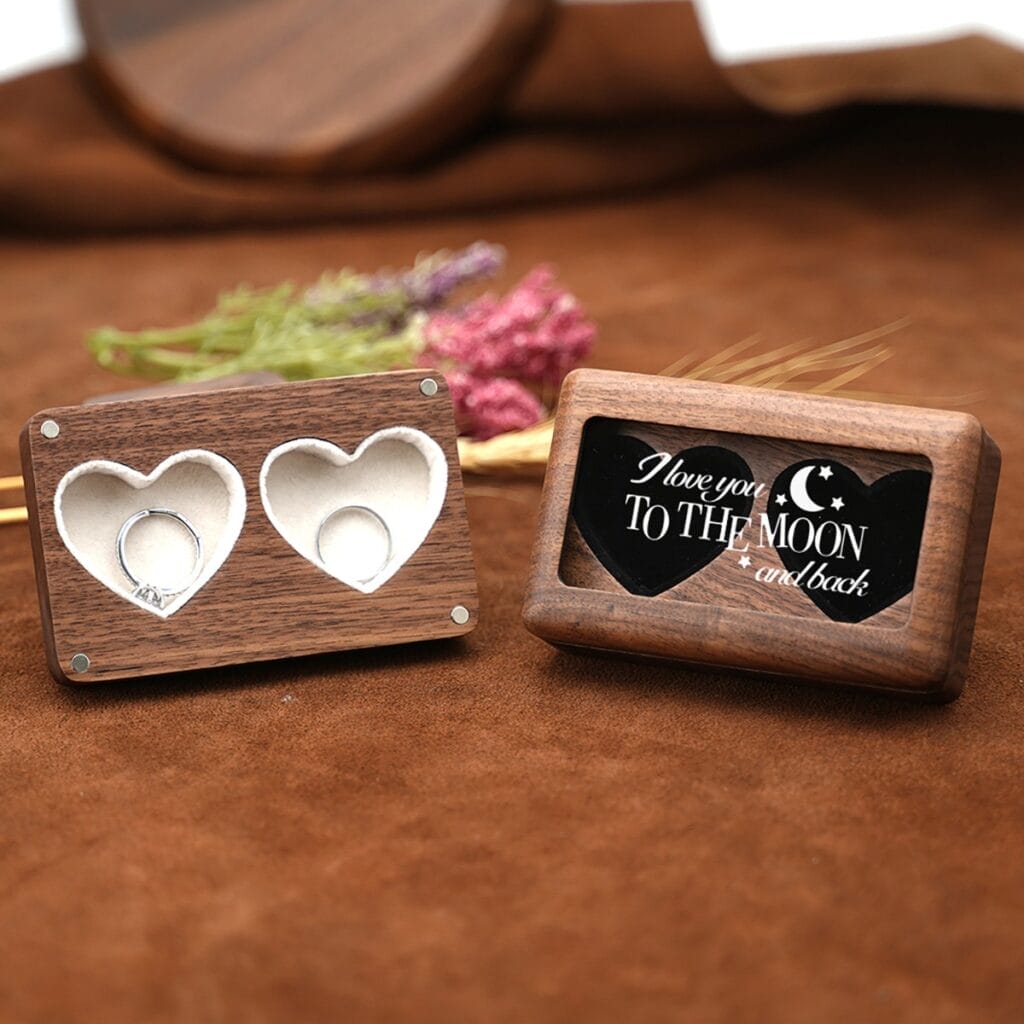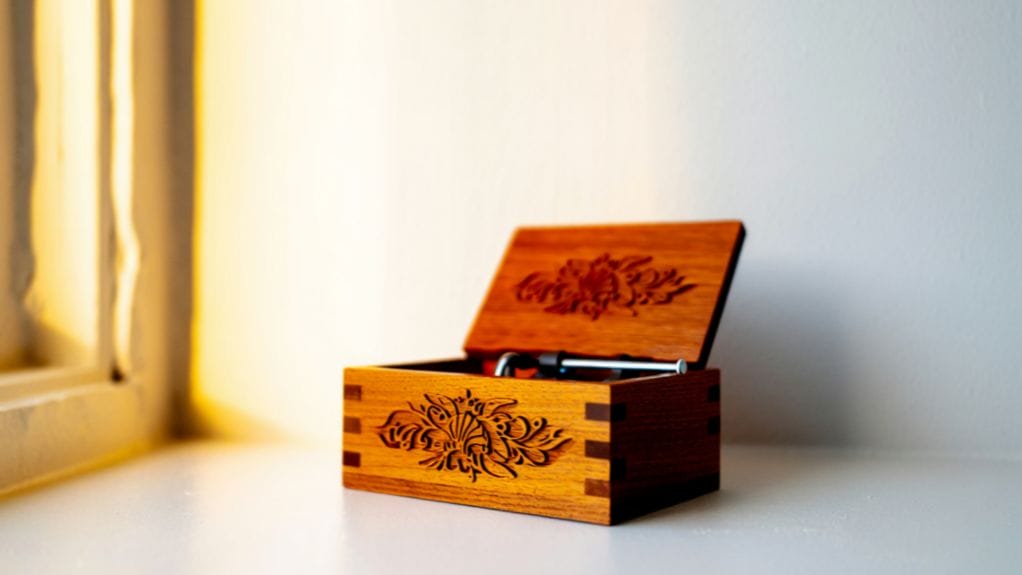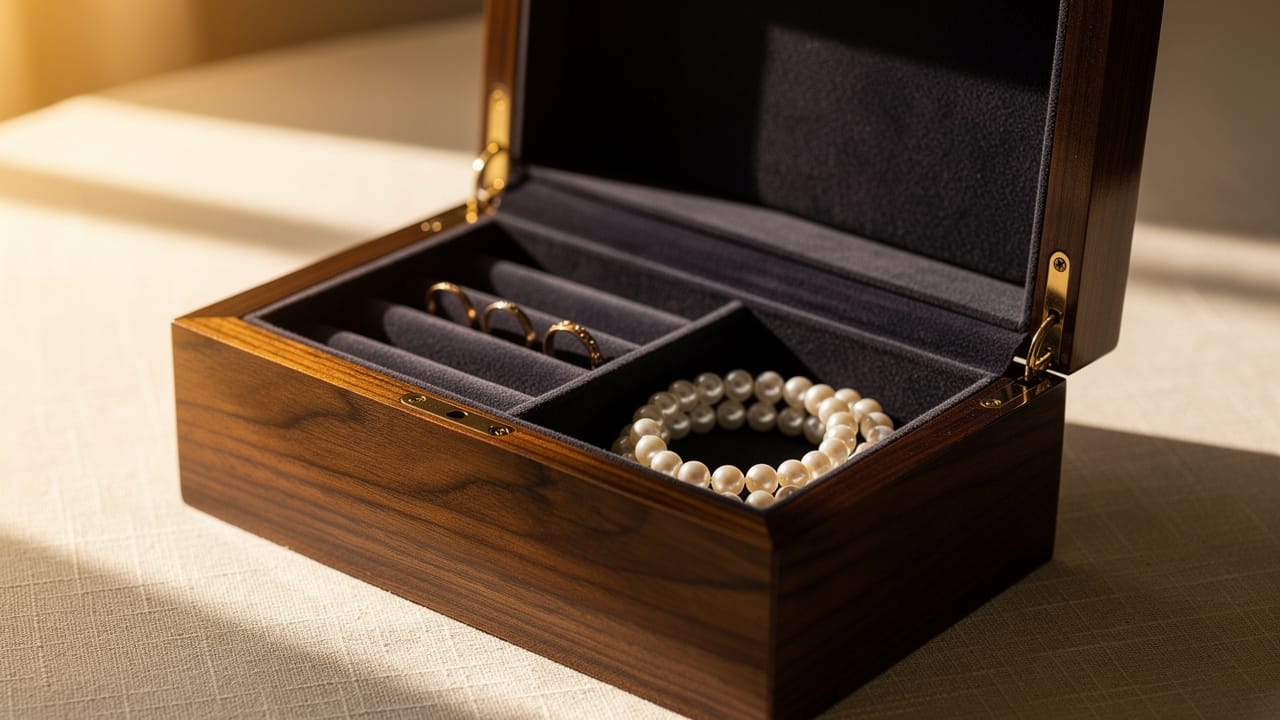
A cardboard ring box is forgotten the moment it leaves the store counter. A well-made wooden jewelry box, though, is opened again and again for years, often passed on to someone else.
When we walk buyers through the production steps, we see how fast their eye changes. Grain lines, miter accuracy, hinge choice, and interior layout stop feeling like abstract “craft talk” and start feeling like clear buying criteria. With that knowledge, wholesale and retail partners can read a sample box almost the way a woodworker reads a plan.
In this article, we share how we make a jewelry box at QlycheeCrafts from the ground up. We move from material selection and design, through joinery and lid separation, into hardware, linings, and scaling for wholesale. By the end, it becomes much easier to compare suppliers, ask sharper questions, and decide which boxes will truly support long-term sales.
Key Takeaways
Wood choice is the first visible quality signal. Grain continuity, species selection, and certified sourcing show how much care a factory puts into every batch. Buyers can spot this immediately once they know what to look for.
Hinge planning must come before milling. Side thickness, back wall depth, and lid height all depend on hinge type. When this is planned early, failures like split screws or weak lids drop sharply.
Miter accuracy makes or breaks box construction. Even a tiny length error shows up as a gap at the corner. True right angles and matching pairs are hallmarks of a serious production line.
Interior linings, dividers, and hardware shape perceived value. These details decide whether a box feels gift-worthy and support higher price points in store and online.
Moving from DIY insight to wholesale-scale production needs repeatable precision. Factory-grade cutting, sanding, finishing, and QC turn the theory of how to make a wooden jewellery box into large, consistent runs.
Choosing The Right Wood And Design Dimensions
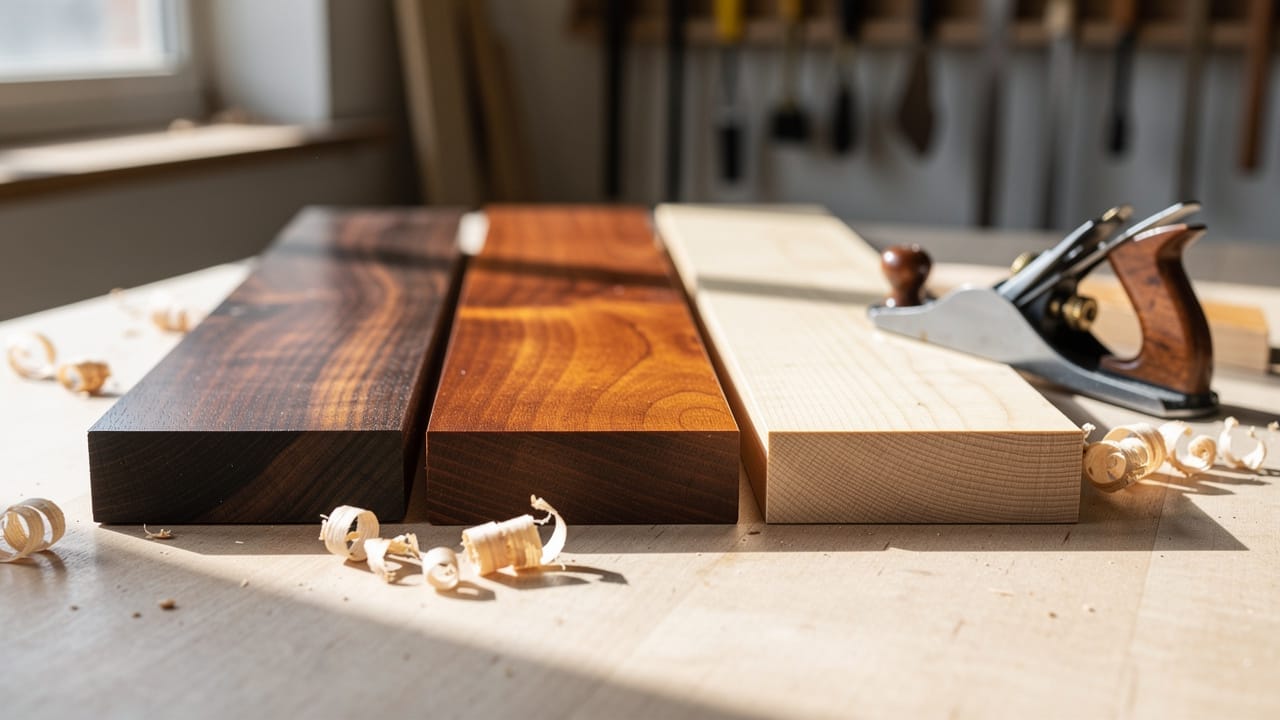
When buyers ask how to make a wooden jewellery box that customers keep for years, we always start with wood species and size planning. These first choices set the ceiling for both durability and retail price.
Choosing the Right Wood Species
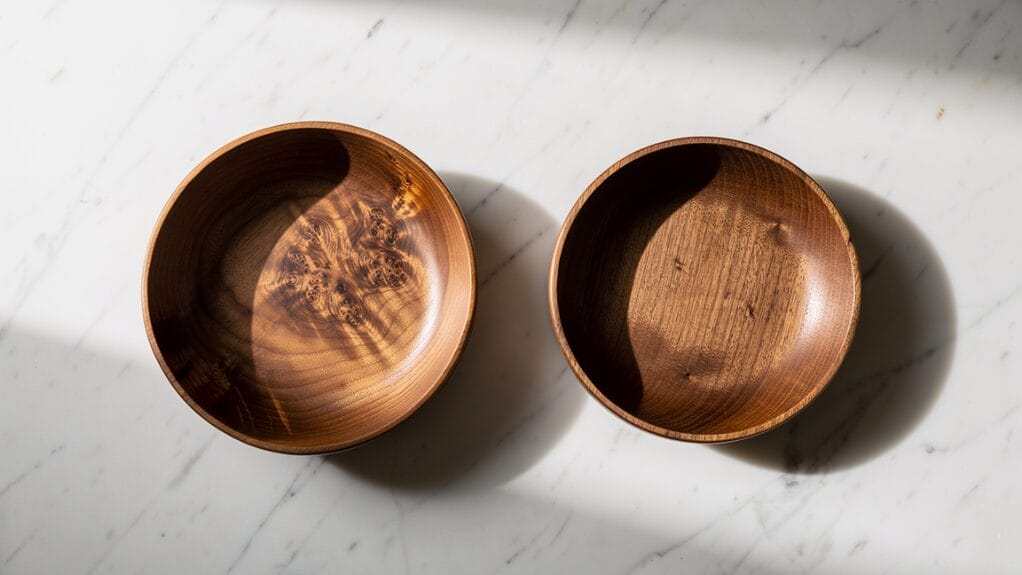
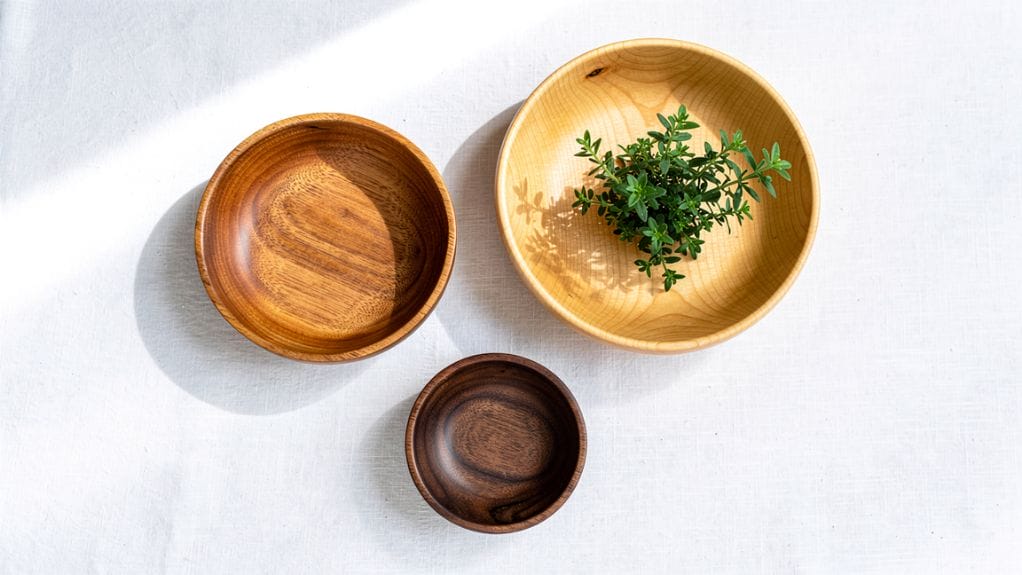
For high quality wooden jewelry boxes, hardwoods are the standard. Walnut, cherry, and maple cover most style directions from dark luxury to light minimalism. The table below gives a quick view of how each one behaves in real products.
| Wood Species | Tone And Texture | Best For |
|---|---|---|
| Walnut | Dark, rich, very smooth | Luxury and premium gifting lines |
| Cherry | Warm, deepens over time | Boutique and bridal collections |
| Maple | Light, fine grain | Minimal and modern ranges |
Buyers often read a lot about a factory simply by looking at the grain. When we cut all four sides from one long board, the grain can wrap around the corners. On the finished box, that looks like the pattern is flowing from one side to the next without interruption. Even when we use separate pieces for reasons of yield, we still align grain direction and color so the corners feel calm and continuous instead of noisy or random.
Construction Details That Signal Quality
Side thickness is a quick checkpoint. Around one half inch is common for premium boxes. That gives enough material for strong hinge screw bite without making the box look heavy or wasting interior volume. Go much thinner and sides feel fragile. Go much thicker and the box looks clumsy on a display shelf and stores less.
Many of our partners also ask about eco claims. Here, FSC or PEFC certified timber and low VOC finishes matter both for the planet and for marketing. When the hang tag can mention certified wood and safer finishes, that adds real value for eco-conscious shoppers.
Getting Functional Dimensions Right the First Time
Functional dimensions come next. A twelve and a half by eight and a half inch footprint works well for a general jewelry box, but ring cases, travel boxes, and multi-tier organizers all need their own layouts. A simple way to think about it is:
General jewelry box: around 12.5″ × 8.5″, with space for mixed items.
Ring or proposal box: compact footprint, but with generous depth and padding.
Travel box: smaller footprint and lower height so it packs easily.
Multi-tier organizer: similar footprint to a general box, but with extra internal height for trays.
When we lock these details in on the drawing, buyers avoid wasted sampling rounds and expensive re-orders.
Precision Joinery And Box Frame Construction
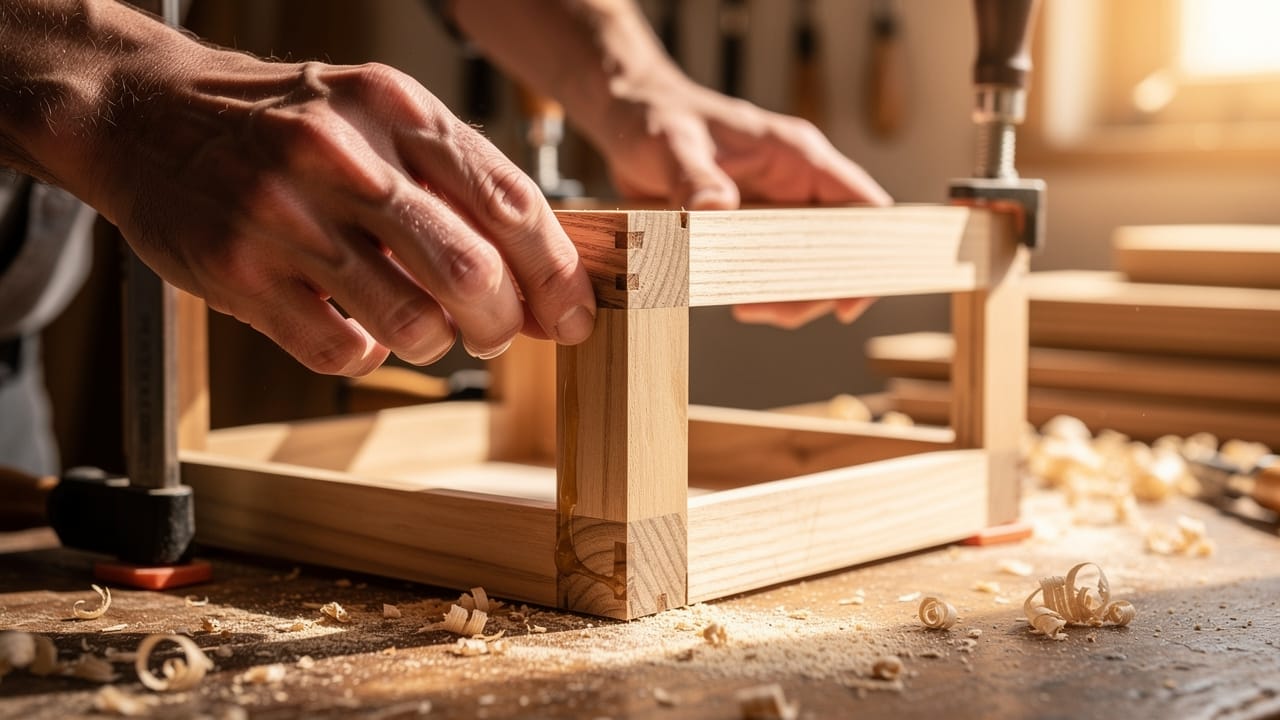
Once the wood is chosen and milled to thickness, the way we cut and join the frame determines how the box feels in the hand.
Why We Use Miter Joints
For premium lines, we rely on 45 degree miter joints instead of simple butt joints. Miters let the grain appear to wrap around each corner and hide end grain, which gives a much cleaner, more refined look on the finished product.
Cutting Accuracy Is Everything
Accurate cutting is where many low-cost factories fall down. Both miters on a single piece must share the same angle and reference face. Opposite sides also need to be exactly the same length. If one long side is even a millimeter off, the box will refuse to sit square and small gaps will open at one or two corners. To keep edges crisp, we cut against a backer board so the fibers at the exit point do not tear away.
Adding Reinforcement With Biscuit Inserts
For some ranges we add reinforcement to the glue line to increase strength. Glued miter faces meet mostly along long-grain, but they can still open under stress if the cut or clamp pressure is not perfect. Biscuit inserts are a common way to add long-term stability. We cut an oval slot near the lower part of the joint, slide in the compressed biscuit with glue, and close the corner. Placement matters because that same corner will later pass through the saw when we separate the lid from the base.
How the Bottom Panel Is Fitted
The bottom panel sits in a groove rather than being glued to the underside. We run a shallow dado around the inside of all four sides, set roughly one quarter inch up from the bottom edge. Then we size a quarter inch MDF or solid panel to float in that groove. MDF is popular for bases because it stays flat, does not move much with humidity, and takes adhesive for felt and fabric very well.
The Dry Fit Check Before Glue
Before we introduce glue, we always run a complete dry fit. All four sides and the bottom panel are clamped together with no adhesive so we can read the joints. At this stage we check:
Grain alignment at each corner.
Diagonal measurements from corner to corner.
Light leaks at the miters that hint at gaps or twist.
For wholesale buyers, asking whether a factory does this step is a fast way to understand how they handle quality control.
Lid Separation — The Mark Of Professional Box Making
A key part of how to make a wooden jewellery box that feels seamless is the way the lid is created. Rather than building the lid and base as separate items, we first assemble a complete closed box with four sides, the bottom panel, and a solid top glued in place.
After the glue has cured fully, we set the table saw fence to the planned body height and run the entire box through on all four sides. The blade cuts around the perimeter, and the thin band of material that equals the saw kerf becomes waste. This approach gives a lid and base that match perfectly, with the grain flowing straight through the saw line.
When we plan the original side height, we include:
The desired lid thickness.
The saw kerf that will be removed.
The screw length needed for the chosen hinge.
That level of planning is a clear sign that a workshop is ready for serious wholesale volume and repeatable box production.
Interior Finishing, Hardware, And Final Surface Treatment

Many buyers focus on the outer wood first, but the inside and the hardware are what customers touch most often. This is where perceived value really takes off and where small production choices have a large effect on returns and reviews.
Choosing The Right Hinge Before You Cut
Hinge choice should come before milling and cutting. Each hinge type needs a certain side thickness, screw depth, and mortise size. Deciding on the hardware at the start avoids thin walls, exposed screws, or cracked corners later. Here is a quick view of common hinge types for jewelry boxes.
| Hinge Type | Installation Style | Minimum Side Thickness |
|---|---|---|
| Stop Hinge | Back mounted, visible | Seven sixteenths inch |
| Quadrant | Corner mortised, hidden | Three eighths to half |
| Side Rail | Side wall mortised, hidden | Three eighths to half |
Hardware Quality And What To Test For
Hardware quality itself sends a strong signal. Solid brass hinges with good machining open quietly and stay aligned year after year. Loose, rattling hardware may save a few cents per unit, but it leads to wobbly lids and higher complaint rates. When we present samples at QlycheeCrafts, we encourage partners to open and close each box many times and feel for:
Any sideways play in the lid.
Scraping or noise from misaligned leaves.
Lids that fail to stay at their intended open angle.
Adding Interior Trays And Dividers
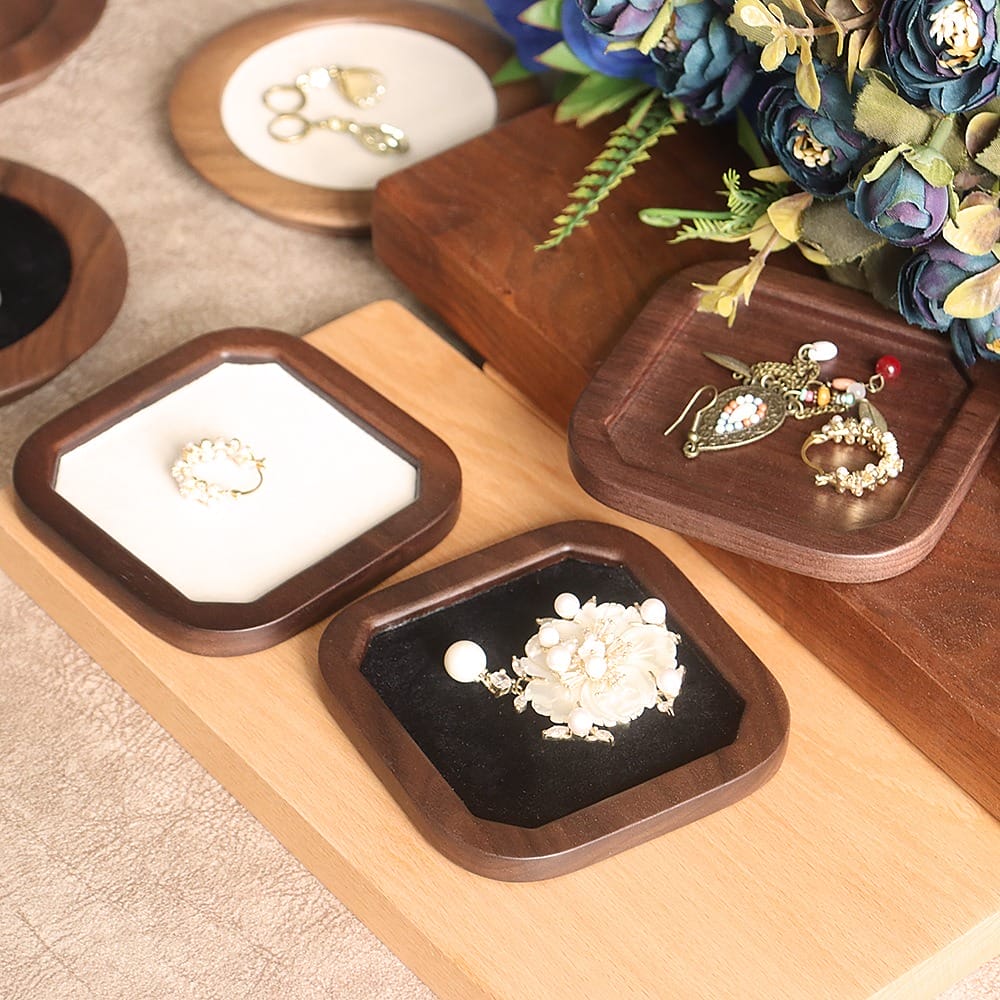
Interior trays and dividers add storage capacity without increasing footprint. A simple way to create a second level is to glue thin support rails along the inside walls and rest a shallow tray on those ledges. The tray uses the same construction logic as the main box, with mitered corners and a stable base panel. For buyers, this is a chance to shape clear product tiers, from simple single-compartment boxes to organizers with trays, ring rolls, and necklace channels.
Linings, Dividers, And Surface Finishing
Once the frame and hardware are in place, soft linings turn a wooden shell into a jewelry-ready product. We usually apply felt, velvet, or PU material over the MDF base and trays. Adhesive-backed felt speeds up production and keeps wrinkles to a minimum. For loose fabrics, we use spray adhesive to keep the bond flat and avoid lumps that could press into delicate items.
Custom dividers and ring slots protect jewelry during both shipping and daily use. Fixed compartments stop chains from tangling and give shoppers an instant visual sense of order when they open the lid. Padded ring rolls grip bands so they do not rattle around in transit, which helps buyers reduce damage claims and returns.
Exterior Finishing And Ready-To-Ship Options
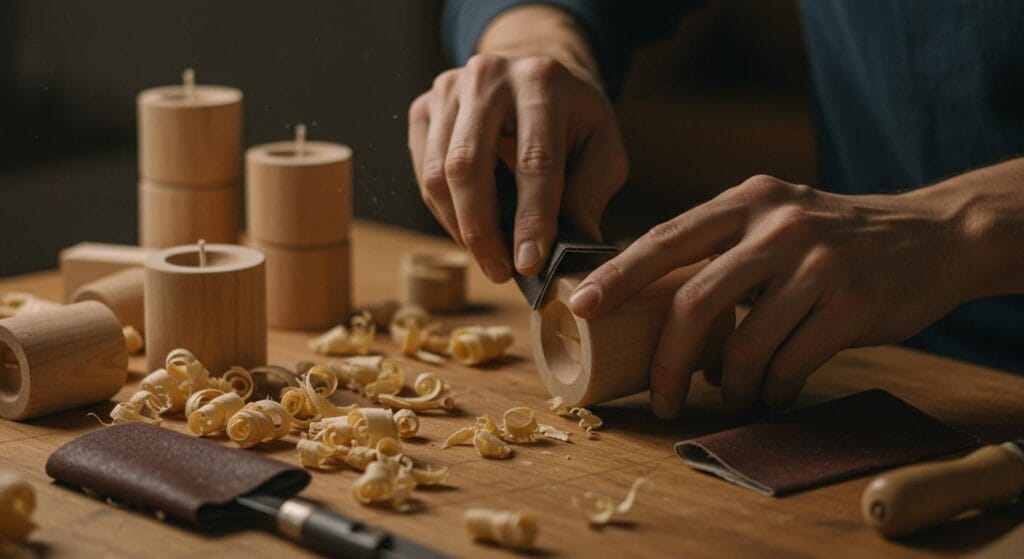
On the outside, we sand through several grits to reach a smooth surface that still feels like real wood. We then apply eco-friendly, low VOC finishes such as oil, shellac, or lacquer, depending on the collection. These coatings highlight the grain and add moisture resistance without a heavy plastic feel.
Many of our wholesale partners prefer to skip this stage entirely. For them, we supply pre-finished and pre-lined boxes at QlycheeCrafts, ready for branding and shipping straight into their own packaging lines. This is especially helpful for retailers who want the benefit of a custom-feeling product without running an in-house finishing workshop.
From DIY Insight To Wholesale-Ready Production — How QlycheeCrafts Delivers

Understanding how to make a wooden jewellery box at the bench level makes it much easier to judge factory output. The same steps that matter for a single keepsake box matter even more when ordering hundreds or thousands for a retail program. Consistent miter angles, stable materials, and repeatable finishes are what keep customers happy across many batches.
At QlycheeCrafts, we combine that craftsman mindset with industrial equipment. CNC cutting and precision edge-banding keep parts within tight tolerances. Laser engraving adds clean branding or personalization without extra handling. Automated spray lines give us smooth, even coatings on every piece, from entry ranges to high-end gift boxes.
We offer walnut, cherry, and maple options, including FSC and PEFC certified stock for partners who want clear sustainability stories in their marketing. Many items leave our factory already lined with felt, velvet, or PU, with dividers and ring rolls installed, so buyers do not need to run their own finishing rooms.
This approach has delivered clear results:
One boutique jeweler reported a twelve percent rise in average ticket size after moving engagement rings into a mid-tier engraved QlycheeCrafts box.
An e-commerce brand saw conversion lift of around twenty percent on key SKUs after introducing a personalized wooden ring box bundle.
For buyers who want that type of impact without building a factory, we act as a long term production partner, from first sketch through stable replenishment. That mix of repeatability and careful detailing is what many retailers look for in a wooden jewellery box manufacturer. Our team specializes in creating custom wooden boxes for retailers that not only showcase products elegantly but also enhance the overall shopping experience. We understand that the right packaging can set a brand apart and leave a lasting impression on customers. With our expertise, we ensure that each box is crafted with precision and tailored to meet specific brand aesthetics and functional requirements. In addition to their aesthetic appeal, a wooden jewelry box benefits from durability and sustainability, making it a smart choice for environmentally-conscious consumers. Each piece we create is designed to withstand the test of time, ensuring that it remains a cherished item for years to come. Furthermore, our wooden designs offer various customization options that allow brands to connect more deeply with their target audience.
Conclusion
Making a high quality wooden jewelry box is more than cutting four sides and adding a hinge. It begins with the right wood and dimensions, continues through precise miters, grooves, and lid separation, and finishes with smart hardware, linings, and surface treatment. When wholesale buyers understand these steps, they can read every sample box with a sharper eye and negotiate with far more confidence. If this view into our process at QlycheeCrafts matches the way you want to source, we invite you to explore our range, request samples, or speak with us about custom manufacturing for your next collection. As you embark on your journey into woodworking techniques for beginners, it’s essential to familiarize yourself with various tools and materials that will enhance your craftsmanship. Our tutorials not only cover the basics but also introduce advanced methods that can elevate your projects to the next level. By mastering these techniques, you’ll gain the confidence to create intricate designs that impress both yourself and potential buyers.
FAQs
What wood is best for wholesale wooden jewelry boxes?
For premium wholesale ranges, we recommend walnut, cherry, and maple, each covering different style directions. Many retailers also ask for FSC or PEFC certified options so they can support eco claims. QlycheeCrafts offers all three species with certified sourcing on request.
How do I ensure the hinge and lid quality when sourcing wholesale?
Match hinge type to side thickness and ask your supplier to confirm this in drawings. Always test samples by opening and closing the lid many times and checking grain alignment across the cut. At QlycheeCrafts, careful milling and hardware checks are standard steps before shipment.
Can I order custom interior layouts for wholesale wooden jewelry boxes?
Yes, we can build custom dividers, ring rolls, and necklace hooks to fit your product mix. Our team also installs felt, velvet, or PU linings so boxes arrive ready to stock. Flexible minimum order quantities make custom layouts practical for both boutiques and larger chains.