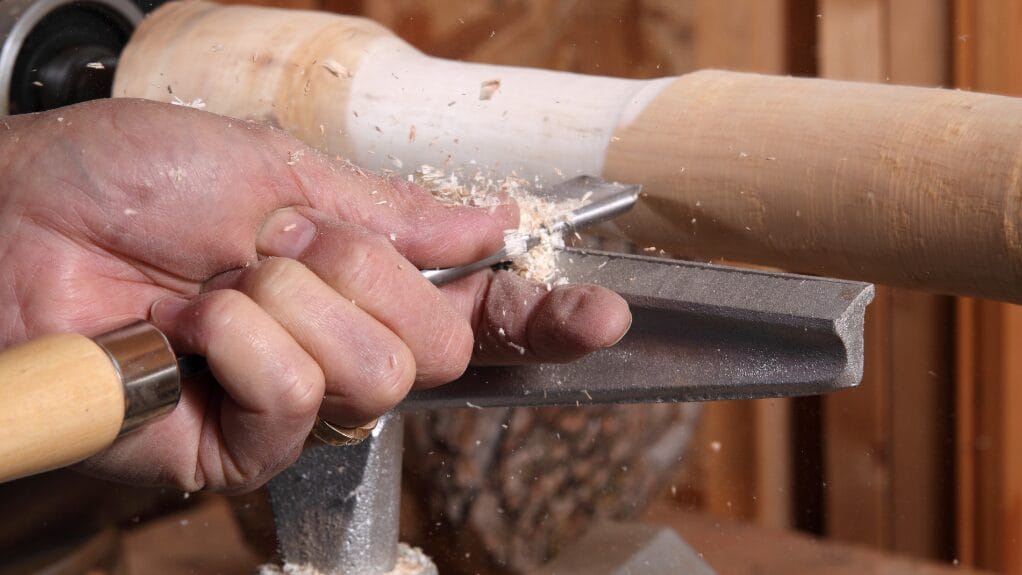
What separates a profitable wood turning shop from a hobby that barely pays for sandpaper? Can the right wood turning craft setup, with smart tool choices and steady suppliers, turn small wooden items into a reliable revenue stream? And how much skill do you really need before a bowl, pen, or platter is ready for store shelves and wholesale buyers?
Many people think success in woodturning comes from one expensive lathe or years of trial and error. Others believe only master woodturners can make sellable work, while beginners are stuck with practice scraps. In reality, smart product choices, solid woodturning methods, and a focused set of professional woodturning tools matter far more than a huge shop or exotic machines.
Across retail stores, e-commerce brands, hospitality groups, and corporate gift programs, wooden goods are in steady demand. Bowls, bottle stoppers, pens, wooden ornaments, and hollow forms all carry high perceived value, even when the actual wood cost is low. When you understand how these items are made, you can judge quality, plan margins, and choose the right partners.
“Repeatable quality plus a good story behind the material is what buyers pay for.” — Experienced production turner
In this guide, you see how the process works from lathe to finish. You learn which tools and wood lathe techniques support reliable production, which product types bring the best profit, how to pick wood species, and how to read quality in finished pieces. By the end, you can speak the same language as skilled wood turners and suppliers, and use that knowledge to build stronger product lines for your business.
Key Takeaways
- You learn the main categories of professional woodturning tools, from lathes and gouges to hollowing systems and sharpening setups. You see how each group affects speed, safety, and surface quality. You can plan tool budgets around the products you want to sell.
- You discover which wood-turned products tend to sell fastest and give the best margins, from small impulse items to large statement pieces. You see how bowl turning, spindle turning, and hollow form work support different markets. You can match product mix to your customers.
- You understand how wood choices, from maple and ash to cedar and exotic burls, affect price, brand image, and durability. You see where scrap wood and salvaged limbs fit into your range. You can tell which blanks fit which woodturning project.
- You get a clear view of finishing steps that make a piece feel high-end, including sanding systems, oils, and advanced polishes. You see why finish often decides retail price far more than raw material cost. You can ask better questions when you review samples.
- You learn how to source blanks, tools, and finished goods while building long-term supplier partnerships. You see how a partner like Qlychee Crafts supports eco-friendly materials, custom designs, and flexible MOQ for B2B buyers. You can reduce risk while growing your product line.
What Is Wood Turning and Why Does It Matter for Your Business?
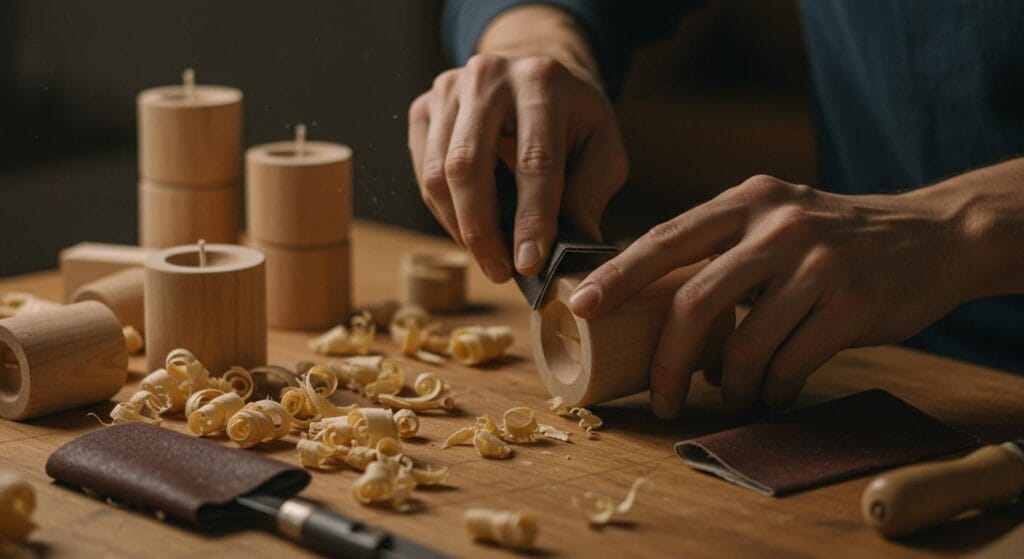
Wood turning is a type of woodworking where a piece of wood spins on a lathe, and the turner shapes it with handheld turning tools. While the blank turns at speed, the artisan guides gouges, scrapers, and other woodturning chisels along the surface to form curves, beads, hollows, and clean profiles. In short, the lathe is the motor, and skilled hands are the router and chisel.
This process feels very different from flat woodworking, where you cut and glue boards into boxes or furniture, as research on (PDF) Craft Research: Joining emotion and knowledge with technical skill demonstrates how traditional craft methods create unique value in modern production contexts. In wood turning craft, the grain and the round form work together, so each bowl, bottle stopper, hollow form, or pen shows a distinct pattern. No two pieces of walnut, ash, beech, or cedar look the same, which gives every finished item its own character and story.
For business buyers, this matters a lot. Turned pieces offer a warm, hand-made feel that many shoppers look for on shelves and online. Material cost is often low, especially when turners use offcuts and green woodturning techniques, yet the perceived value is high. A small piece of wood can become a $20 bottle stopper or a $60 salad bowl.
When you understand the basics of woodturning, you can better judge pricing, margins, and supplier claims. Instead of just searching “woodturning near me” and hoping, you know what type of turning, wood, and finish fits your brand, from craft supply retail to restaurant service to corporate gifting.
From a business angle, wood turning matters because it:
- Creates hand-made style products from modest material cost
- Covers both high-volume items (like pens) and showpiece work (like sculptural bowls)
- Fits into small workshops and partner studios without massive capital expense
Essential Professional Woodturning Tools Every Operation Needs
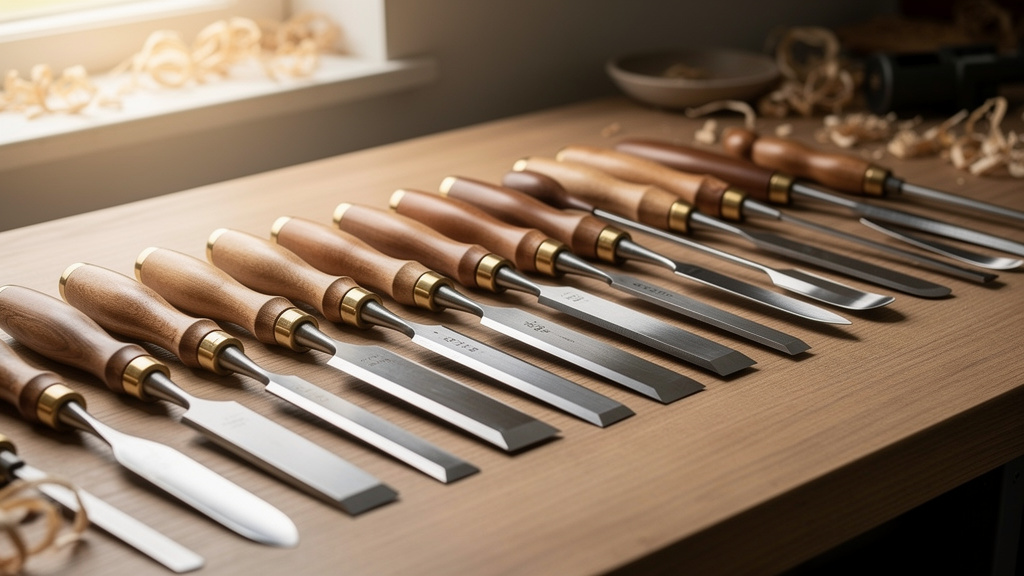
A serious woodturning setup rests on three tool groups. First come foundational tools, such as the lathe, core gouges, chucks, and a safe sharpening system. Then you add productivity helpers like carbide tools, CBN grinding wheels, and good dust control so you can work faster with less rework. Finally, specialty tools like hollowing systems or bottle stopper cutters let you expand into higher-margin product lines.
Across all three tiers, tool quality shows directly in the surface you get off the tool, the amount of sanding needed, and the rate of defects. For B2B buyers, that impacts both lead times and consistency in wholesale orders.
The Wood Lathe: Foundation of Your Turning Operation

The wood lathe is the heart of any wood turning craft shop. Mini lathes, such as a Jet mini lathe, suit pen turning, small ornaments, and test runs. Mid-size lathes handle most bowl turning and spindle work, while large industrial models support big platters or furniture parts.
Key specs to watch are:
- Swing over bed (how large a bowl or platter you can turn)
- Distance between centers (how long a spindle you can handle)
- Motor horsepower and speed range for heavier cuts and safe startup
- Weight and stiffness, which reduce vibration and give a better surface right off the tool
Professional brands like Powermatic, Jet, and Oneway build lathes with enough mass and stiffness to keep vibration low, which gives cleaner cuts and safer work. In a production setting, you also need to think about power supply, floor space, and how many lathes one experienced turner can run at a time.
Professional Turning Chisels and Gouges

Your cutting tools decide how quickly you move from rough blank to refined shape. A spindle gouge handles detail work on chair legs, pepper mills, candlesticks, and other spindle projects, usually in sizes from 3/8 inch to 3/4 inch. A bowl gouge has a deeper flute and thicker steel so it can safely remove waste inside bowls and platters while holding a smooth bevel.
You also see parting tools used to cut grooves and separate finished work from waste blocks, plus wide and round-nose scrapers for final smoothing on tricky shapes. A skew chisel can leave a glass-like surface on spindles, though it takes practice to use safely. Traditional high-speed steel (HSS) tools hold an edge well but need regular trips to a grinder or CBN wheel, while modern easy wood tools and other carbide tools use replaceable cutters that many shops find simpler to keep sharp in daily production, as documented in design research published in the International Journal of Design.
Hollowing Tools and Specialized Cutters

Once basic woodturning techniques are in place, hollowing tools open new product lines. Systems like the Easy Wood #1 hollower and similar rigs let the turner reach deep inside vases, lidded boxes, and other hollow forms through small openings. Forstner bits drill clean starter holes, and dedicated bottle stopper cutters and mandrels speed up high-margin small goods. These specialized tools help you move beyond basic woodturning into items that stand out in higher-end retail and gallery settings.
Proven Wood Turning Techniques for Professional Results

The same tools can give very different outcomes depending on technique. Clean body position, correct bevel contact, and the right type of turning for each project affect safety, surface quality, and how repeatable your batches are. For a business, that means fewer rejects, shorter sanding time, and more consistent product that buyers trust.
Professional shops build around a few main woodturning methods:
- Spindle turning for long, thin parts
- Faceplate or bowl turning for wide pieces
- Advanced methods such as segmented, multi-axis, and hollow form work
Safety is always first, with full-face shields, sharp tools, and smart use of guards and dust collection.
Spindle Turning Fundamentals
In spindle turning, the blank mounts between the headstock and tailstock, so the grain runs parallel to the lathe bed. This setup fits pens, tool handles, chair legs, candlesticks, pepper mills, and many pen turning projects. The turner first roughs the stock to a cylinder, then marks key points and shapes beads, coves, and straight sections.
Accurate spindle turning relies on:
- Frequent measuring with calipers
- Simple jigs or story sticks so many parts match
- Sharp spindle gouges and skew chisels for clean cuts
This kind of repeatability matters for wholesale candlestick pairs or sets of pepper mills. A sharp tool can leave such a clean cut that only light sanding is needed before finish.
Bowl Turning and Faceplate Methods
In bowl turning, the wood mounts with its face toward the turner, so the grain runs across the lathe axis. The work often starts on a faceplate or a screw chuck, then moves to a four-jaw chuck for hollowing. The outside of the bowl is shaped first, then a tenon or recess is formed for the chuck, and the inside is hollowed with a bowl gouge, scrapers, and sometimes carbide cutters.
Wall thickness is a key design choice:
- Thicker walls feel sturdy and suit restaurant platters
- Thinner, even walls look light and fine for gallery pieces
Turners may rough out a green woodturning blank, let it dry and move slightly, then remount it for a final pass. This method lets shops process a batch of bowls from fresh-cut logs while controlling cracking and distortion.
Advanced Techniques for Premium Products
Advanced methods help turners build lines that command higher price points. Segmented turning starts by gluing many small pieces into patterned rings and stacks, then turning them into bowls, vases, or even dodecahedron-style spheres with striking geometry. Multi-axis turning remounts the blank on off-center points to form twisted, square, or sculptural shapes that draw attention in high-end retail.
Hollow form woodturning, made popular by artists such as David Ellsworth woodturning, uses specialized tools to create closed vessels through small openings, often from burls or spalted wood. Some makers also use green wood for hollow forms, letting the walls move as they dry for an organic feel. These techniques take more time and skill but support luxury pricing in galleries, corporate gift programs, and showpiece hospitality spaces.
Most Profitable Wood-Turned Products for Retail Markets
Not every turned piece fits every market. A smart mix balances quick, low-cost items that sell in volume with larger, slower pieces that act as centerpieces and justify higher price tags. For store owners, e-commerce brands, and hospitality buyers, that means planning around three tiers: impulse buys, functional home and restaurant ware, and premium decorative art.
When you look at any woodturning project, consider:
- Material cost
- Turning time
- Sanding and finishing effort
- The price your customers will gladly pay
Simple items from scrap or small blanks often give the highest margin percentage, while large bowls and sculptures offer the highest dollar profit per piece.
High-Margin Small Goods and Impulse Purchases
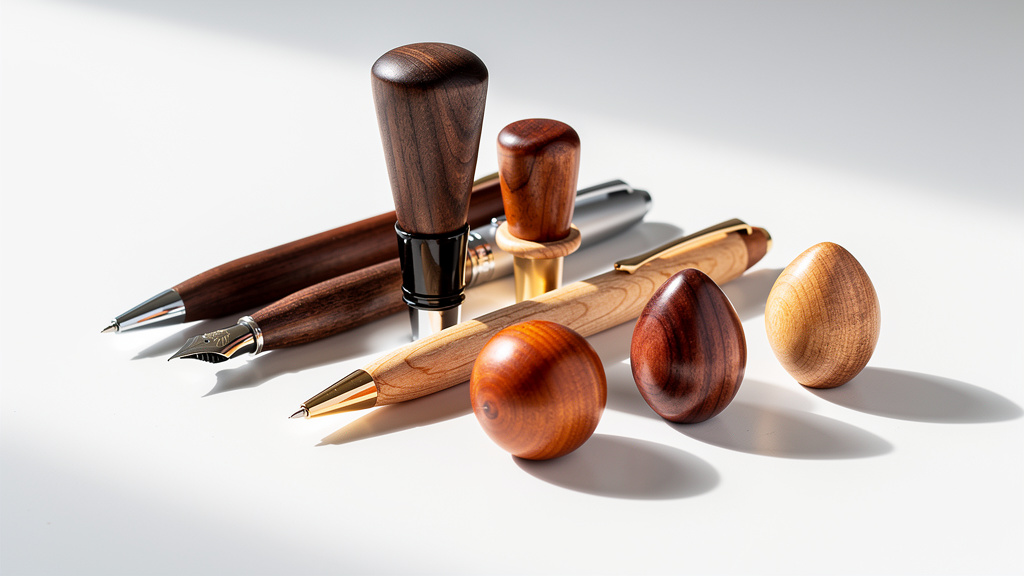
Small goods move fast on counters and product pages. Refrigerator magnets can be turned from leftover strips, disks, and offcuts, then finished with a quick scraper pass and simple oil or friction polish. Pens made from hardwood or acrylic blanks, paired with a pen kit, sell well as corporate gifts and can be branded through engraving or printed packaging.
Bottle stoppers, keychains, Christmas ornaments, and ring holders all use very little material and short lathe time. They ship easily, work well for project kits and step-by-step tutorial content, and let turners test new woods and finishes with low risk. In many stores, these items sit near the register or as “add to cart” recommendations, where steady volume makes up for modest per-piece margin.
Functional Art for Home and Hospitality
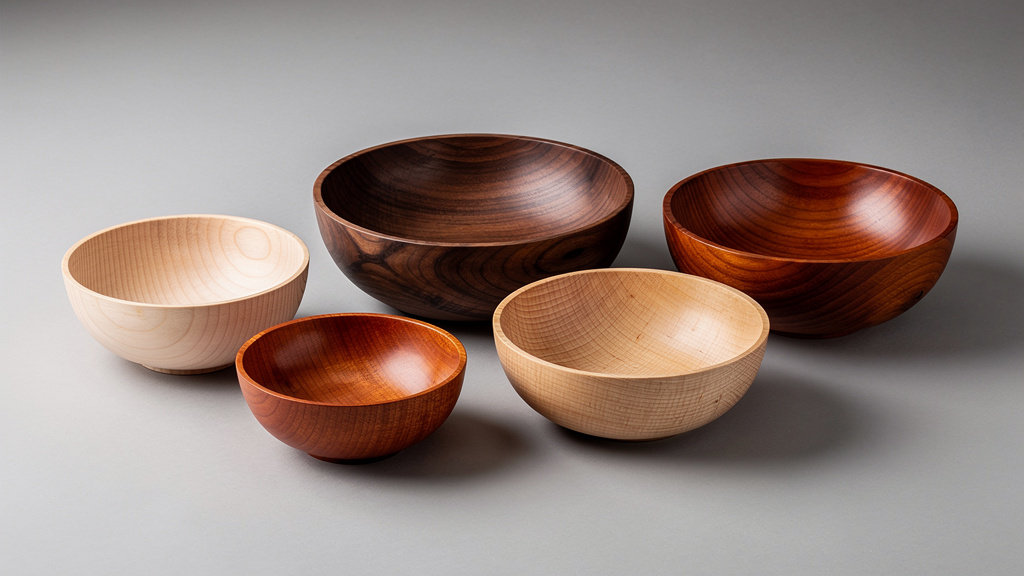
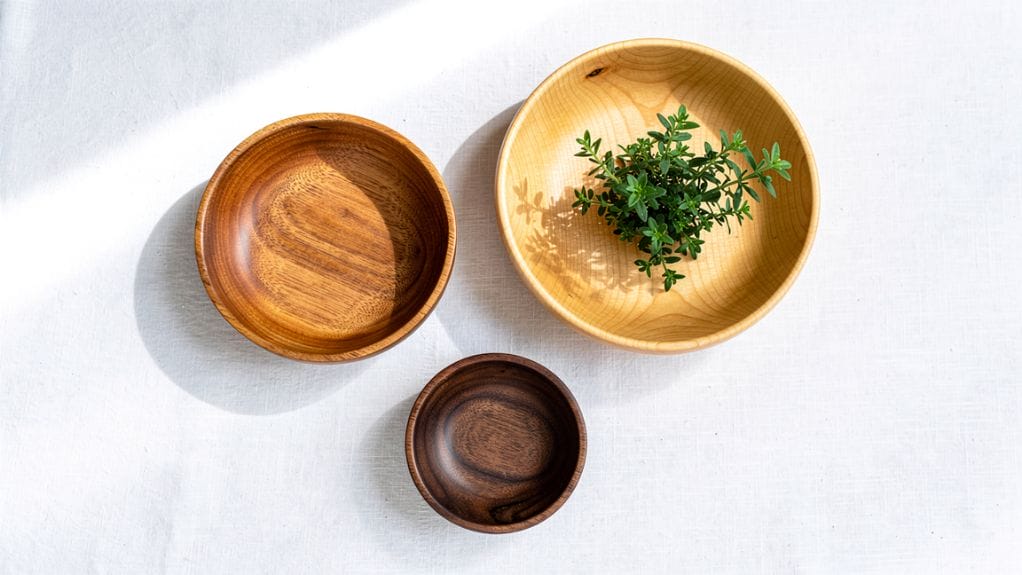
Mid-tier products blend daily use with strong visual appeal. Small wooden bowls for salad, snacks, or display come in sets and nesting groups, often in maple, cherry, black walnut, or woodturning ash for a clean grain. Art variations such as tumbling bowls, emerging bowls, and star bowls add movement and interest while still holding fruit or bread.
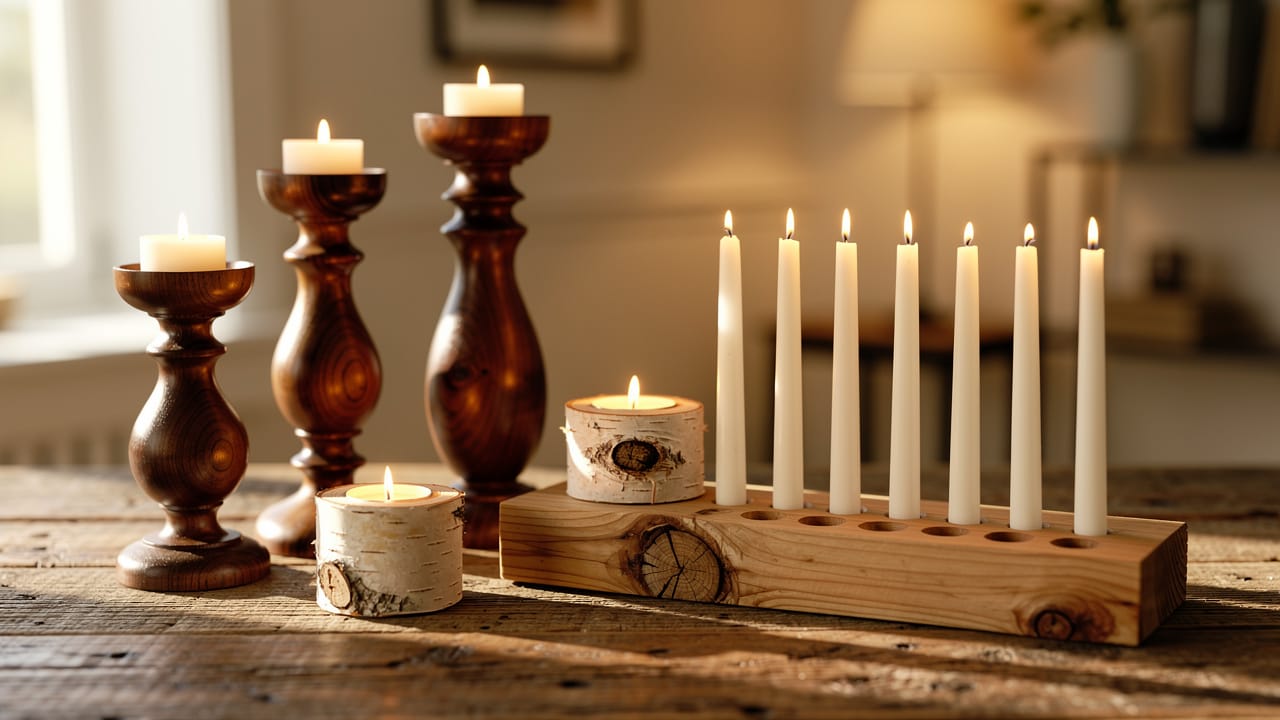
Vases and hollow forms show off advanced skills and look striking in hotel lobbies, restaurant entryways, or interior design projects. Wide platters and serving boards help restaurants create memorable food presentation. Wooden candle holders, pepper mills, and custom lamp bases round out this level, giving you strong mid-range price points that suit both home decor shops and hospitality buyers.
Premium Decorative and Sculptural Pieces
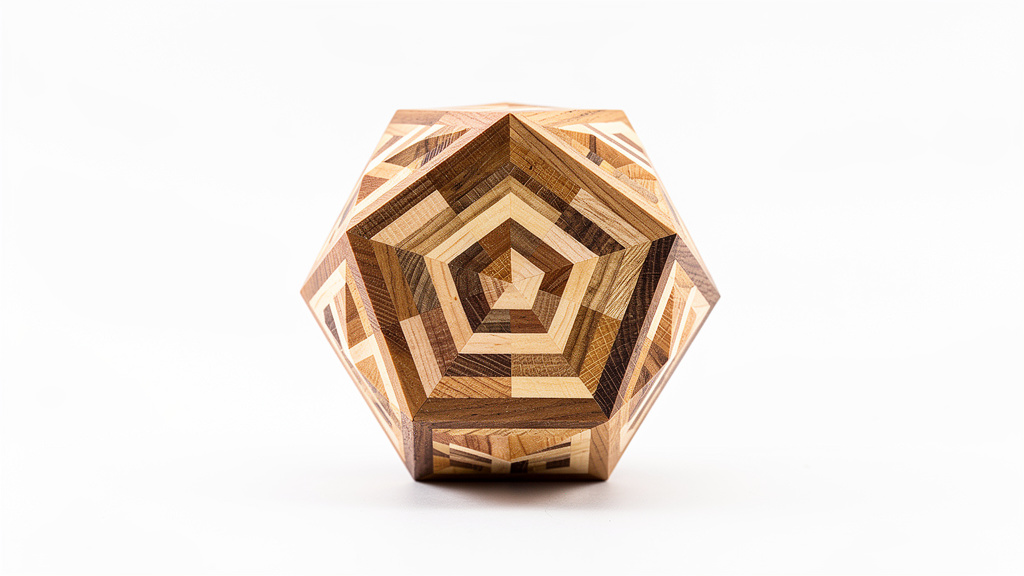
At the top end sit pieces meant to start conversations. Segmented turnings with complex patterns, including dodecahedron spheres or stacked forms, show precision and patience. Multi-axis creations, such as square bowls with offset corners or twisted spindles, push form in ways only a skilled woodturner can manage on a lathe.
Advanced illusions like dizzy twister turnings, offset and droop bowls, and large sculptural hollow forms tend to be one-of-a-kind. They work well in galleries, design studios, and luxury corporate gift programs, where story and visual impact carry a lot of weight. Production volume is low, but each sale can bring a high figure, which helps position your brand at the high end of the market.
Selecting the Right Wood Species for Your Product Line

Wood choice shapes everything from the look of your items to your price ladder and supply reliability. Domestic hardwoods provide steady stock and familiar colors, while exotic or specialty woods add drama to select lines. There is also a strong role for scrap, salvaged logs, and small limbs when you design magnets, ornaments, and other compact wood turning projects.
When you plan a range, consider how each species fits its task. A dense beech pepper mill or woodturning cedar ring holder feels very different from a light ash platter. Some woods move more during drying, which matters for green woodturning, while others sand and finish more quickly on production runs.
Domestic Hardwoods for Reliable Production
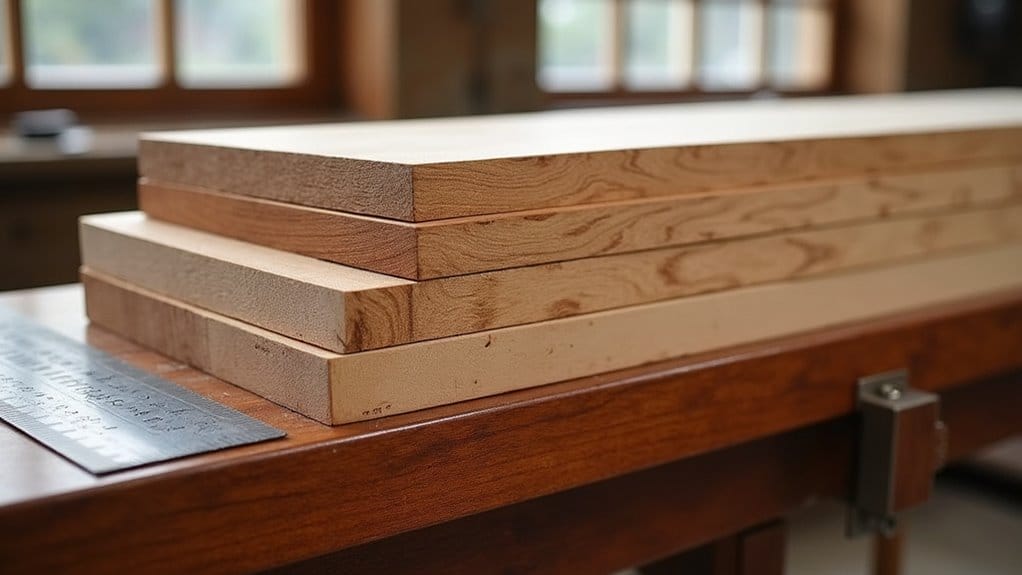
Common North American hardwoods give you a stable base for most product lines. They are easy to source as turning blanks and “piece of wood” offcuts from local mills, and they work well with both oil and film finishes.
| Species | Look / Feel | Cost Tier | Common Uses |
|---|---|---|---|
| Maple | Pale, smooth, fine grain | Low–Mid | Salad bowls, platters, kitchen ware |
| Black Walnut | Dark brown, rich grain | Mid–High | Premium bowls, pens, lidded boxes |
| Cherry | Warm tone that deepens | Mid | Bowls, platters, home decor |
| Oak | Strong, bold grain | Mid | Rustic bowls, platters, furniture |
| Ash | Light, clear grain | Low–Mid | Sports items, platters, chair parts |
| Beech | Dense, fine and neutral | Low | Tool handles, pepper mills, shop jigs |
These types of wood offer good workability and a familiar look for many buyers. They also give turners flexibility in wooden bowl turning, spindle work, and basic woodturning classes that train new staff.
Exotic and Specialty Woods for Premium Products
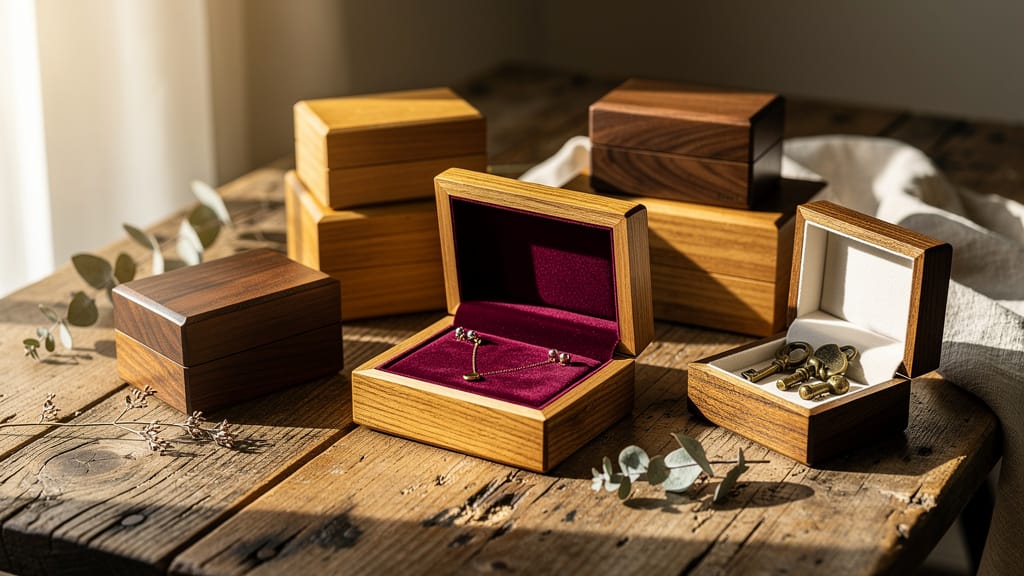
Exotic and specialty woods step up the drama. Burls and heavily figured boards show swirling grain that suits gallery-level bowls and hollow forms. Spalted wood, colored by natural fungus lines, gives striking contrast in pens, lidded boxes, and platters.
Aromatic cedar brings warm color and scent to boxes and small items. Olive wood offers tight, complex grain and good weight for high-end tableware and gift items. Bright species such as Padauk, Purpleheart, and Zebrawood add vivid color to acrylic and wood hybrid pens or segmented rings, though they cost more and need careful sourcing and authenticity checks.
Sustainable Practices: Scrap Wood and Salvaged Materials
Smaller items give turners a smart way to use scrap and salvaged wood. Offcuts from bigger bowls become magnets, keychains, and bottle stoppers, while slim limbs of black walnut or ash can turn into slim vases and ornaments. This cuts wood renewable and supports a strong eco story for your brand. It also raises margins, since raw material cost on these small pieces can be close to zero.
Professional Finishing Methods That Command Premium Prices
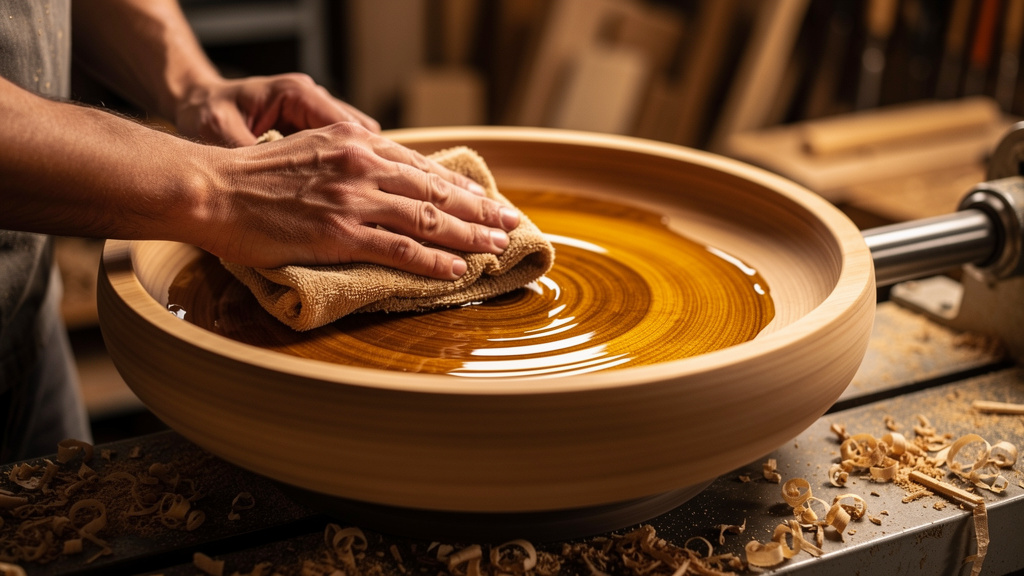
Good finish work is often what makes a customer pick up one bowl and put another back on the shelf. Finishing protects the wood from moisture and wear, but it also brings out grain, color, and depth. For you as a buyer, finish quality is one of the clearest signs that a woodturning supplier works at a professional level.
Most professional shops follow three stages:
- Thorough sanding, often both on and off the lathe
- A base finish such as oil or shellac to soak into the fibers
- Advanced systems like friction polishes, lacquer, or CA glue for the final sheen
“Sanding and finish are what the customer feels first, even before they look at the price tag.” — Shop foreman
The Critical Role of Sanding
Sanding is the quiet stage that separates fine work from rough, hobby-level pieces. Turners start with coarse grits around 80 or 120 to remove tool marks, then move through medium grits, finally reaching 320, 400, or even 600 on high-end goods. Many shops add power sanding at the lathe for speed, followed by quick hand sanding to catch problem spots.
If tool marks or scratches stay at one grit, they only grow more obvious as finer grits polish the surface. No finish can hide that. For buyers, a quick touch with the fingertips often tells you if the sanding process was taken seriously.
Oil Finishes for Natural Beauty
Penetrating oils keep a natural look while offering decent protection. Many bowl turners use walnut oil, such as Doctor’s brand, to highlight grain and keep a soft feel on salad bowls and serving pieces. Tung oil and Danish oil harden more in the fibers and suit items that see more handling.
For cutting boards items, many shops choose mineral oil combined with beeswax, which can be renewed by the customer at home. These finishes pair well with woodturning cedar, ash, and beech, and they support a clean branding message for restaurant and kitchenware buyers.
Advanced Finishing Systems
Advanced finishing systems help turned goods compete with factory-made items in gloss and durability. Friction polishes and all-in-one products such as Acks Sanding Paste and Polish let turners sand, clean, and polish small items like pens and bottle stoppers right on the lathe. Shellac gives a warm, classic tone and dries quickly between coats.
For higher abrasion resistance, many suppliers spray or wipe lacquer or polyurethane, then buff with compounds and soft wheels to bring out a showroom shine. On pens and small objects, thin layers of CA glue form a hard, glass-like shell that resists pocket wear. When you review samples, look for even sheen, no dull patches, and edges where the finish feels clean and not gummy.
Setting Up an Efficient Wood Turning Production Workflow
An efficient workflow makes the difference between a fun craft business and a profitable shop that can hit wholesale deadlines. Good layout, batch methods, and smart tool care all reduce wasted motion and rework. You want a path where a rough blank enters at one end and a finished, labeled product leaves at the other with minimal backtracking.
- You can start with a layout that flows from raw material storage to cutting, then to the lathe, sanding station, finishing area, and finally packing and shipping. When blanks are pre-cut to standard sizes and sorted by species and planned product, turners spend less time hunting for stock. Clear zones also help keep sanding dust away from finishing and packing areas.
- Tool care deserves its own station with a grinder, CBN wheel, and jigs for repeatable bevel angles. Sharp tools cut cleaner, reduce catching, and make sanding much faster, which matters on large batches of bowls or spindles. A simple honing step keeps edges fresh between full grinds.
- Dust collection and air cleaning systems protect workers and keep finishes cleaner. Even a small shop benefits from hoods near the lathe, a shop vacuum for sanding, and regular filter checks. Good lighting at each station makes defects easier to see early.
- Batch production and quality checks go hand in hand. Turning several similar pieces in one run lets the turner stay in rhythm and repeat dimensions with calipers and story sticks. Before items move into inventory, someone should check size, finish, and structural soundness so weak parts never reach the sales floor.
Sourcing Wood Turning Supplies for Your Business
Sourcing for wood turning can mean two different things. You might run your own shop and need woodturning tools, blanks, and shop supplies. Or you might buy finished work from independent wood turners and small factories. In both cases, steady quality and delivery matter more than anything.
For raw materials and blanks, a partner like Qlychee Crafts can play a central role. Qlychee Crafts supplies eco-conscious wooden craft blanks, unfinished cutouts, and custom wood products with low minimum order quantities, OEM/ODM options, and drop shipping support. That gives you a solid base whether you do your own turning or resell craft-ready pieces.
“Long-term supply only works when both sides treat each order as the start of the next one.” — B2B purchasing manager
- When you need turning blanks and raw materials, you can combine local sawmills and hardwood dealers with specialist suppliers. Qlychee Crafts adds value here with consistent, FSC-ready wood, custom sizes, and laser-cut shapes that fit both turning and add-on carving or engraving. Some buyers also work with companies such as Craft Supplies USA or similar shops, while others import discs, slices, and custom cutouts directly from mills and factories.
- For tools and accessories, many shops source simple woodturning tools, chucks, sharpening gear, and grinding wheels through major woodworking retailers. Brands such as Easy Wood Tools and Oneway offer carbide cutters, chucks, and accessories, plus project kits and acrylic blanks for pen and bottle stopper lines. Even though Qlychee Crafts does not sell lathes or chisels, their wooden blanks pair well with these top brands.
- If you prefer finished goods, you can work directly with independent woodworkers you meet at craft shows, local guild events, or through platforms like Etsy and Instagram. Many buyers start by searching terms like “woodturning” or “woodturning near me” to find styles they like, then move to direct wholesale talks. Clear agreements on MOQ, design rights, and lead times help both sides.
- International suppliers, especially in China, can offer cost-effective turned items and unfinished parts at scale, though understanding Challenges and Government Initiatives in craft supply chains helps buyers navigate quality standards and regulatory requirements. With Qlychee Crafts, you get a Chinese manufacturing partner focused on woodcraft, customization, eco-minded processes, and strong B2B support. That combination of price, customization, and service helps you grow product lines without overextending capital.
Quality Indicators When Evaluating Wood-Turned Products

When you review wooden bowls, pens, or hollow forms from a new supplier, it helps to have a simple checklist. Good woodturning work feels intentional, smooth to the touch, and safe to use. Weak work often shows in awkward shapes, rough sanding, poor finish, or cracked wood.
- Form and design come first. The shape should look balanced for its purpose, with smooth curves on bowls and steady lines on spindles like candlesticks or pepper mills. Feet, rims, and transitions should look deliberate, not accidental.
- Surface quality is next. Run fingers over the piece to feel for ridges, scratches, or rough spots, inside and out. Even simple wood turning projects should feel smooth, with no sharp edges where the finish stopped short.
- Wood choice and structure also matter. Hardwoods such as maple, walnut, or ash should be free of unsafe cracks and weak knots, unless they are filled and stabilized in a way the maker can explain. For kitchen items, food-safe finishes and clear care instructions are important.
- Function and consistency finish the checklist. Lids on boxes should fit well but not stick, stoppers should seal bottles, and pens should write smoothly. Ask for sample orders and compare several pieces from the same maker to see if they hold a steady standard over time.
Conclusion
Wood turning sits at a helpful crossroads between art and production, which makes it a strong fit for many B2B product lines. With the right understanding of wood turning craft, you can read beyond pretty photos and judge the tools, techniques, and finishing skills that stand behind each piece. That helps you choose between basic spindle goods, refined bowls and platters, and premium segmented or hollow form work.
Profitable wood craft in this field does not rest only on an expensive lathe. It grows from solid professional woodturning tools, clear product choices, efficient workflow, and dependable sourcing. Wood selection, sanding, finishing, and quality control all feed into the same end goal: turned items that feel good in the hand and hold their price on the shelf.
When you pair that craft insight with strong partners, the picture gets even better. A supplier like Qlychee Crafts can support you with eco-friendly wood products, custom blanks, and flexible order models, while skilled craftspeople turn those materials into bowls, pens, stoppers, and more.
Whether you run a small online shop or manage a broad wholesale program, you can start by testing a few key product categories, refining your mix, and building relationships that keep your offerings fresh and profitable.
FAQs
What Are the Most Essential Professional Woodturning Tools for Starting a Production Operation?
At minimum, you need a reliable lathe sized for the work you plan to do, plus a core set of turning chisels. That usually means a spindle gouge, bowl gouge, parting tool, and one or two scrapers. Add a sturdy face shield, dust mask, and a sharpening system with a grinder and CBN wheel.
Many shops also start with a small set of Easy Wood Tools or other carbide cutters, which speed training and reduce sharpening time.
Which Wood-Turned Products Offer the Best Profit Margins for Retail?
Small wood craft ideas often give the best margin percentage. Pens, bottle stoppers, refrigerator magnets, ornaments, keychains, and ring holders use little wood and short turning time, yet wood crafts sell see them as special gifts. Volume sales, both in-store and online, make these items strong income drivers.
Larger bowls, platters, and hollow forms bring higher single-piece prices and work well as statement items. Segmented and multi-axis pieces sit at the very top in price and suit galleries or luxury gift programs.
How Can I Evaluate the Quality of Wood-Turned Products from Potential Suppliers?
Start with touch and sight. Surfaces should feel smooth with no sharp edges, gouges, or sanding scratches, and the finish should look even with no cloudy spots. Check shapes for balanced lines, and test function on items like boxes, bottle stoppers, and pens.
Ask for several samples from a run and compare them, looking for steady sizing, similar finish sheen, and consistent wood selection. That tells you whether the supplier can handle repeat wholesale orders.
What’s the Difference Between Basic Woodturning and Advanced Techniques Like Hollow Form Woodturning?
Basic woodturning covers spindle work and straightforward bowls, often made with standard gouges, scrapers, and simple chucks. These projects build core skills and fill most everyday product lines. Hollow form woodturning creates closed vessels through small openings and calls for special hollowing tools like the Easy Wood #1 hollower.
Advanced work also includes segmented turning, multi-axis sculptural pieces, and thoughtful green woodturning where drying movement is part of the design. Makers who follow methods developed by turners such as David Ellsworth woodturning often command higher prices for that level of skill.